
How to Keep Goats Warm Safely During the Winter

Most new goat owners believe freezing winter weather requires electric space heaters or hanging heat lamps. That common assumption puts barns at serious risk of fire, because healthy goats actually stay warm through an internal digestive furnace. Feeding continuous roughage allows the fermentation in their stomachs to generate steady body heat from the inside out. Along with thick, dry straw bedding and a windproof shelter with high ventilation, unlimited dry hay is the safest way to protect a herd from the cold.
A few conditions change what your herd needs to stay safe. Newborn kids, thin seniors, and sick animals cannot regulate their temperatures as effectively, making fitted coats a helpful safeguard for vulnerable stock. Wet coats from rain or sleet paired with floor-level drafts can also cause hypothermia quickly, even in mild freezes. Here is how to set up draft-free bedding, support internal digestion, and protect your animals safely all season long.
The Short Version
- Feed unlimited dry grass hay: Healthy goats generate their own body heat through their fermentation stomach (the rumen). Digesting coarse fiber acts like an internal furnace that keeps them warm all night.
- Stop floor drafts, but leave high vents open: Block cold winds at goat level with solid walls and straw bales, but leave roof gaps open. Trapped moisture and rising ammonia cause deadly respiratory infections much faster than cold air does.
- Insulate floors with deep straw bedding: Clean straw has hollow stalks that trap body heat and repel moisture, whereas hay absorbs wetness and freezes. Stacking dry straw over manure builds natural floor insulation that cushions goats against frozen dirt or concrete.
- Never hang clamp heat lamps: Heat lamps cause disastrous barn fires every winter when knocked down by curious or jumping goats. Healthy adult goats do not need artificial heat, while vulnerable kids or sick seniors benefit from safe warming boxes or fitted coats instead.
How Goats Create Their Own Heat From the Inside Out
Many new goat owners assume their herd needs an electric heater the moment temperatures dip below freezing. In reality, a goat carries its primary heating system right inside its belly. Goats are ruminants, which means they digest plant matter through a specialized four-part digestive tract. The largest compartment is their fermentation stomach, also called the rumen. When a goat consumes fibrous roughage, billions of beneficial gut bacteria break down the plant walls through fermentation. This constant biological activity releases thermal energy that warms the animal from the inside out.
Digesting fiber to produce internal body heat is the single most effective way a goat stays warm during a blizzard. The more long-stem coarse fiber the goat chews, the more fuel goes into that internal furnace. This digestive process takes hours, providing steady, radiant heat that travels through the goat's bloodstream to its extremities all through the coldest hours of the night.
A common winter mistake is loading goats up with extra grain, sweet feed, or corn in hopes of keeping them warm. While grain contains concentrated calories, it breaks down very quickly in the gut and produces short glucose spikes rather than hours of steady heat. Eating too much grain also alters the pH balance in the fermentation stomach, which can stall digestion, cause painful bloat, and shut down the animal's natural heating system. Coarse grass hay is the true fuel for winter survival. Keep hay mangers packed with dry grass hay 24 hours a day so your goats can feed their internal fire whenever they feel a chill.
Barn Ventilation and Draft-Proofing Checklist
Healthy goats can handle dry cold down to low single digits or below zero without trouble, but cold drafts paired with damp air can quickly cause hypothermia. Just as you learn how to keep warm in winter outdoors by blocking biting winds, your herd needs a shelter that stops drafts at ground level while still allowing damp air to escape overhead.
- Block ground-level wind: Sit down directly on your barn floor where your goats sleep. If you feel a draft cutting across your ankles or the back of your neck, your goats feel it too. Seal low gaps along the baseboards with plywood, or stack tight bales of straw along outer walls to create an unbroken windbreak around their bedded area.
- Maintain high-wall ventilation: Never seal a barn completely airtight. Every goat exhales large amounts of warm water vapor with every breath, and their urine releases ammonia into the bedding. If this damp, pungent air cannot escape, it collects near the ceiling, condenses on cold roof metal, and drips freezing moisture onto your herd. Leave ridge vents, roof cupolas, or high eaves open so rising moisture floats away.
- Check for moisture on the goats' coats: Run your bare hand over the shoulders and backs of your goats each morning. Their outer coat should feel completely dry to the touch. If their hair feels damp, clammy, or greasy from trapped barn humidity, your shelter needs more upper airflow immediately.
- Perform the knee and sniff test: Kneel down into the sleeping bedding with your nose low to the floor. If your knees get damp or you smell a sharp, stinging hit of ammonia, your air exchange is failing. Ammonia burns the delicate tissues of a goat's airway, making them vulnerable to winter pneumonia.
- Create three-sided windbreaks: If your goats live in an open run-in shed, turn the open face away from the prevailing winter wind. Hang heavy canvas or stall curtains partially across the front opening to give the animals a quiet, dead-air pocket where they can bed down together out of the weather.
The Deep Bedding Technique for Warm Floors
Frozen dirt, rock, and concrete pull heat straight out of a resting goat's body. Stacking dry straw over manure to build floor insulation, often called deep litter, creates a thick, protective mattress that shields your herd from ground chill throughout the coldest months.
Using the right material is essential for this system to work. Clean straw has hollow stalks that trap body heat and repel moisture, acting like tiny pockets of air insulation under the animal's body. Straw lets liquids trickle through to the bottom while the hollow stems stay dry on top. In contrast, feeding hay has solid stems that absorb liquids like a sponge. If you bed your barn floor with hay, it quickly mats down into a wet, rotting mush that freezes into a solid block of ice.
To establish deep bedding, clean out your barn stalls in late autumn before the first hard freeze hits. Scatter a generous handful of barn lime or stall refresher over the bare floor to neutralize odors, then spread a clean layer of bright straw at least 8 to 12 inches deep. The goal is to give the goats a fluffy, deep cushion that compresses under their hooves without touching the cold floor.
Maintain the bed each morning by lifting out heavy manure piles and noticeably wet spots with a manure fork. Instead of stripping the entire stall down to the dirt, leave the established base layer intact and top it off with a fresh layer of loose straw. Over several weeks, the bottom layer begins a slow, natural composting process that creates gentle warmth under the fresh bedding. As long as you keep adding dry straw to the top so the goats sleep on clean, dry stalks, the pack stays odor-free and keeps the floor several degrees warmer than the outside soil.
Winter Feeding and Watering Routines Step by Step
Maintaining a goat's internal furnace requires consistent fuel and plenty of water. A goat cannot digest coarse roughage without ample moisture in its gut, meaning poor water intake will directly cause a goat to stop eating and start freezing. Follow this daily sequence to support your herd's digestive health through harsh weather.
- Fill hay feeders with coarse forage: Check hay racks early in the morning and top them off right before dusk. Goats eat the most hay during the coldest night hours to keep their fermentation stomach actively producing heat until dawn. Use elevated mangers with catch pans beneath them so dry hay stays off the manure-covered floor.
- Provide warm, fresh water twice daily: Goats are notoriously picky drinkers. If their water bucket contains floating ice or feels freezing cold, they will refuse to drink and become dehydrated. Offer buckets of warm water in the morning and evening, or install a pet-safe heated water bowl with a chew-proof cord shield to keep drinking water around 50°F. When goats drink freely, they eat more hay and stay noticeably warmer.
- Offer free-choice loose minerals: Winter puts extra metabolic demands on livestock. Keep a clean mineral feeder filled with loose, weather-resistant goat minerals inside the shelter where blowing snow cannot reach it. Do not rely on hard mineral blocks, because goats have soft tongues and cannot lick enough nutrients from a frozen block in winter.
- Feel their body condition weekly: A thick, puffy winter coat can easily hide an emaciated goat. Once a week, walk through your herd and run your fingers along each goat's spine, ribs, and hip bones. You should feel a slight layer of fat covering the bones. If the spine feels sharp and prominent, that individual goat is burning more calories than it takes in and needs extra nutrition or a warm, quiet pen to recover.
The Truth About Heat Lamps and Barn Fires
The urge to plug in a red heat lamp during a bitter freeze comes from a loving place, but it is one of the most dangerous things you can do for your herd. Every winter, volunteer fire departments across the country respond to total barn losses sparked by hanging heat lamps. Clamp-style lamps are fragile, draw heavy electrical loads, and use hot bulbs that reach temperatures hot enough to ignite dry straw in seconds.
Goats make heat lamps even riskier than other livestock. Goats are naturally curious, agile, and playful. They jump up on stall dividers, headbutt solid walls, and chew on exposed wires. A single well-placed kick or bumped board can dislodge a lamp, sending a 250-watt bulb falling directly into dry bedding. Even if a lamp stays suspended, fine barn dust and floating cobwebs settle on the hot glass, creating a smoldering fire hazard right above your sleeping animals.
Heat lamps also ruin a goat's natural winter adaptation. When a goat huddles under an artificial heat cone, its body fails to grow the dense winter undercoat it needs to thrive in cold weather. If a severe storm knocks out your power grid in the middle of the night, a goat that has become dependent on a heat lamp cannot handle the sudden temperature drop and can rapidly succumb to hypothermia.
Artificial heat is rarely justified for healthy, dry adult goats. If you have an emergency, such as a newborn kid born during an unexpected subzero freeze, use safe heating alternatives. Bring the kid into a warm utility room or bathroom in a plastic laundry basket until it is warm, dry, and nursing well. If you must provide supplemental heat inside the barn, choose zero-clearance radiant heat panels or sealed warming boxes that have fully enclosed heating elements and chew-proof cords mounted far out of reach.
When Goats Actually Need Winter Coats
Healthy adult goats almost never need to wear coats or sweaters. A goat's winter coat consists of two layers: a coarse outer hair coat that sheds water, and a dense, cashmere-like undercoat that insulates the skin. When a goat feels cold, tiny muscles lift the hair fibers upright, trapping a thick boundary layer of warm air against the skin. Putting a heavy coat on a healthy adult goat flattens this natural loft, reducing the animal's ability to warm itself. Blankets can also trap sweat and moisture against the body if the animal exercises, which leads to chills.
Save coats and blankets for specific vulnerable animals that lack the body reserves to keep themselves warm:
- Newborn kids born in freezing conditions: Kids are born wet, have very little body fat, and cannot regulate their internal temperature well during their first few days. A small kid sweater or fitted blanket helps them conserve energy until they are nursing vigorously.
- Thin, elderly, or arthritic goats: Senior goats often suffer from worn teeth and reduced digestive efficiency. They struggle to chew enough fibrous hay to power their fermentation stomach, causing them to lose weight. A blanket provides supplemental insulation so they do not waste precious calories trying to stay warm.
- Goats recovering from illness or parasite blooms: An animal fighting an infection, anemia, or heavy worm burden lacks the blood circulation and metabolic energy to maintain its core temperature. A blanket acts as an external shield while its immune system recovers.
- Animals with patchy coats or fur loss: Goats suffering from severe mite damage, lice infestations, or skin conditions that have stripped away their undercoat need artificial protection from the wind.
What to Look for in a Quality Goat Winter Blanket
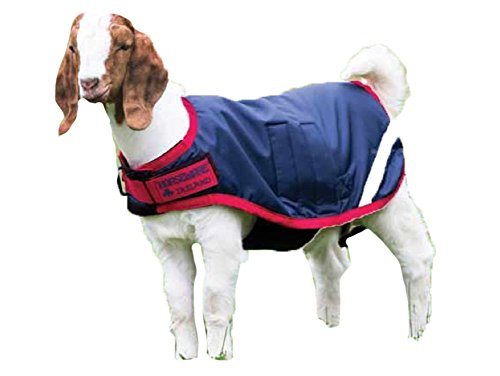
If you have an older, underweight, or recovering goat that genuinely needs extra protection, picking the right blanket design ensures the animal stays comfortable without getting tangled or chilled. Goats move differently than horses or dogs, so standard pet coats rarely fit them properly. A goat blanket must stay securely in place while the animal climbs on rocks, lies down in straw, and brushes against pen walls.
Look for a blanket built with a wind-blocking, water-resistant outer shell and a smooth, breathable inner lining. The smooth lining prevents the fabric from catching on the goat's coarse fur, which minimizes friction and stops bald spots from forming on their shoulders. Thick belly protection is an important feature because goats spend hours lying down, losing significant heat through their exposed, less-hairy underbellies to the cold floor.
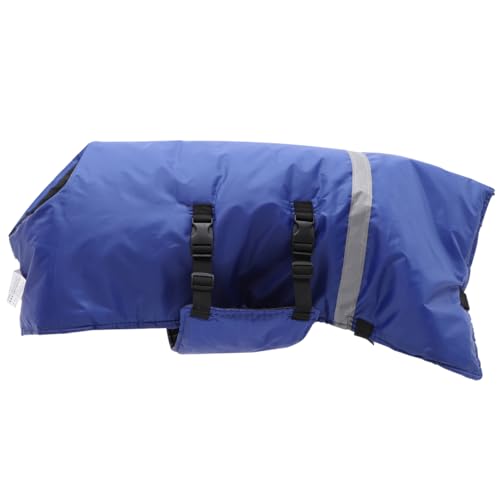
Check the fasteners carefully before making a purchase. Adjustable neck closures, belly bands, and leg straps allow you to tailor the coat to your goat's unique body shape. Goats are notorious chewers and will happily nibble on straps hanging off their herd mates. Look for blankets that feature internal belly buckles or wide, heavy-duty hook-and-loop closures that tuck neatly out of sight so curious companions cannot unfasten them.
Finally, measure your goat accurately from the base of the neck along the spine to the base of the tail to get the proper size. A coat that is too large will drag through wet bedding, soak up urine, and chill the goat. A coat that is too small will pinch the shoulders and rub the skin raw. Plan to remove the blanket once a day to inspect your goat's skin for moisture, check for strap chafing around the legs, and verify that the animal remains warm and dry beneath the fabric.
- BWP Score9.2
BWP Score is a ranking system developed by Bestwinterproducts.com. BWP score has no relationship or impact from any manufacturers or sales agent websites. Learn more
- BrandHorseware

- BWP Score9.2
BWP Score is a ranking system developed by Bestwinterproducts.com. BWP score has no relationship or impact from any manufacturers or sales agent websites. Learn more
- BrandSkyhorse

- BWP Score9.2
BWP Score is a ranking system developed by Bestwinterproducts.com. BWP score has no relationship or impact from any manufacturers or sales agent websites. Learn more
- BrandWeaver Livestock

- BWP Score9.0
BWP Score is a ranking system developed by Bestwinterproducts.com. BWP score has no relationship or impact from any manufacturers or sales agent websites. Learn more
- BrandYAXSHIMU

- BWP Score9.0
BWP Score is a ranking system developed by Bestwinterproducts.com. BWP score has no relationship or impact from any manufacturers or sales agent websites. Learn more
- BrandWeatherBeeta
- BWP Score8.2
BWP Score is a ranking system developed by Bestwinterproducts.com. BWP score has no relationship or impact from any manufacturers or sales agent websites. Learn more
- BrandVILLCASE

- BWP Score8.0
BWP Score is a ranking system developed by Bestwinterproducts.com. BWP score has no relationship or impact from any manufacturers or sales agent websites. Learn more
- Brandperixir

- BWP Score7.6
BWP Score is a ranking system developed by Bestwinterproducts.com. BWP score has no relationship or impact from any manufacturers or sales agent websites. Learn more
- BrandGeneric

- BWP Score-
BWP Score is a ranking system developed by Bestwinterproducts.com. BWP score has no relationship or impact from any manufacturers or sales agent websites. Learn more
- BrandN/A

- BWP Score-
BWP Score is a ranking system developed by Bestwinterproducts.com. BWP score has no relationship or impact from any manufacturers or sales agent websites. Learn more
- BrandN/A
Last update on 2026-10-02 / Affiliate links / Images, Product Titles, and Product Highlights from Amazon Product Advertising API
FAQs
Can goats stay outside in freezing temperatures?
Healthy adult goats tolerate freezing outdoor temperatures comfortably as long as the air is dry and they have full shelter from the wind. They will happily wander around an outdoor pen on clear, sunny winter days to browse and stretch their legs. If freezing rain, sleet, or heavy winds move in, they should always have immediate access to a dry, bedded shelter.
How can you tell if a goat is too cold?
A goat struggling with severe cold will stand hunched with its back arched, tail clamped tightly against its rump, and head held low. You may see noticeable, full-body shivering, cold ears, and a tucked, hollow-looking belly. If a goat refuses to get up, grinds its teeth in pain, or stops chewing its cud, move the animal into a warm, draft-free stall right away.
Why shouldn't you use hay for winter bedding?
Hay absorbs urine and spilled water like a sponge, causing it to mat down into a dense, soggy layer that rots quickly. This wet bedding chills resting goats, creates high levels of lung-damaging ammonia, and often freezes into a solid, unyielding sheet of ice. Dry straw works much better because its hollow, tubular stalks trap insulating air and let moisture drain away from the sleeping surface.
Will goats cuddle together to stay warm?
Goats are social herd animals and naturally bed down close together in tight groups to share body heat during winter nights. They will nestle into deep straw packs side by side, creating a shared microclimate that keeps everyone warmer. Ensure your shelter offers enough bedded space so submissive or smaller herd members can join the group without getting shoved out into the cold by dominant goats.


Best Warm Winter Scarves 2026 For Cozy Comfort

Best Green Ski Goggles 2026 For Clear Vision On Slopes

12 Best Corner Electric Fireplace 2026: My Ultimate Guide To Pick One

Best Battery Powered Snow Blower 2026 For Effortless Snow Clearing

Best Ski Goggles Under 30 Inches For Crisp Vision And Comfort

Best Cooling Scarf 2026 For Instant Relief And Comfort

Fake Snow for Grass: Create a Realistic Winter Lawn Display

Dimplex Prism Wall Mount Fireplace: Sleek Heat With Modern Flame Style





