
How to Keep Grass Green During Winter in 2026

Brown grass in the colder months is almost never dead, so there is no reason to panic about your yard. Northern lawns naturally stay green with basic late-fall feeding, while southern lawns slip into a seasonal sleep that requires overseeding with winter ryegrass or safe lawn paint to keep their color.
What works for your lawn depends on your grass type, local climate, and timing. Northern varieties like fescue handle freezing weather easily, but southern grasses shut down completely once temperatures drop. Trying to force sleeping roots green with heavy fertilizer or extra water only leads to rot. Here is how to figure out what your yard needs and keep it healthy through the cold months.
Identify your grass type before trying to fix the color
Before you buy bags of seed or spread treatments across your yard, you must know which grass family grows in your soil. Lawns in the United States split into two broad categories: northern grasses and southern grasses. They respond to cold weather in opposite ways. Trying to force southern turf to stay bright green with the wrong methods will only waste your time and damage your soil.
Northern grasses, known as cool-season grasses, include Kentucky bluegrass, fine fescue, and perennial ryegrass. These varieties thrive in crisp temperatures between 60°F and 75°F. When freezing weather arrives, top growth slows down, but the blades naturally stay green under the frost as long as the roots have stored nutrients. Unless buried under heavy snowdrifts or frozen solid, northern lawns maintain rich green color all through the colder months.
Southern grasses, called warm-season grasses, include Bermuda, Zoysia, St. Augustine, and centipede grass. These varieties thrive in summer heat, but they stop active growth once soil drops below 55°F. As cold weather arrives, southern lawns enter seasonal sleep, also known as dormancy. The blades send their nutrients down into the roots and turn golden-tan. This brown color does not mean your lawn is dead. It is a natural defense shield that protects root crowns from freezing injury.
If your lawn turns tan in autumn, use the quick tug check to confirm it is resting. Grab a small clump of brown blades near the soil line and pull upward. If the grass resists firmly, your root system is healthy and sleeping. If the clump pulls loose effortlessly like loose straw, that patch may have died from summer pests or drought.
Feed and protect northern grass before the first hard freeze
If you live up north with cool-season grass, keeping your yard green through winter depends on your late-fall preparation. Northern grass keeps building hardy roots even after top growth stops above ground. Complete these four steps before the soil freezes to keep your turf vibrant and protected.
- Aerate compacted soil in early autumn. Summer foot traffic packs lawn dirt tight, which stops moisture and oxygen from sinking deep into the ground. Pulling small soil plugs allows air, water, and late-season nutrients to reach root tips before freezing weather seals the surface.
- Apply a late-fall root fertilizer. While grass blades are still green in late autumn, spread a late-fall root fertilizer, often called a winterizer. Look for a blend high in potassium. Potassium reinforces plant cell walls against freezing stress, helping grass store nutrients all winter. This protects leaf color longer and fuels fast green growth when spring warmth arrives.
- Step down your mowing height on the final pass. On your final cut before winter, lower your mower blade by about half an inch, keeping grass around two to two and a half inches tall. Tall grass matted down by heavy snow traps moisture against the ground, inviting snow mold fungus that bleaches and kills turf. A clean, slightly shorter cut keeps blades upright and dry.
- Provide a thorough watering before the ground hardens. Dry winter winds strip moisture straight out of exposed grass blades. When soil freezes bone dry, roots cannot replenish lost water, which triggers brown winter burn. Water your lawn deeply a few days before your region drops into lasting sub-freezing daytime weather.
Overseed with ryegrass or spray turf colorant on southern lawns
Southern warm-season grasses naturally turn brown in cold weather, and no amount of watering or fertilizing will wake them up midwinter. Pouring nitrogen on dormant Bermuda or Zoysia only rots the root system. If you want a brilliant green lawn all winter in the South, you have two safe, reliable solutions.
The first solution is overseeding, which means spreading new seed over existing turf. In mid-autumn, about four weeks before your first frost, rake away thatch and scatter annual ryegrass seed across the lawn. Annual ryegrass sprouts in about seven to ten days and stays vibrant emerald green in frosty conditions while your southern lawn sleeps beneath. When spring temperatures climb into the 80s, annual ryegrass naturally fades away in the heat, returning full space to your waking summer lawn.
The second solution is applying a turf colorant, often called lawn paint. This is an organic, water-based pigment formulated for dormant grass. It dries within a few hours, stays safe for pets, and does not wash away in rain. Turf colorant provides immediate green color that lasts two to three months without requiring watering, feeding, or mowing. It gives you great winter curb appeal without the extra chores of managing a temporary second lawn.
Follow winter maintenance rules for mowing, watering, and leaves
Winter lawn care requires a gentle touch because cold grass repairs itself very slowly. Adjust your routine to the weather by following this straightforward cold-weather checklist:
- Rake fallen leaves weekly: Wet autumn leaves block sunlight and lock cold dampness against grass crowns. This soggy blanket quickly invites fungal rot. Rake or mulch fallen leaves regularly until branches are bare. If you spend cold afternoons clearing yard debris, learn how to keep warm in winter outdoors with ease so you stay comfortable while working.
- Keep mower blades off frosted turf: Never mow grass coated in morning frost. Mower blades shatter frozen plant tissue instead of making a clean slice, leaving jagged, white edges that turn brown. Wait until midday sun melts every trace of frost before cutting.
- Water during prolonged dry spells: Even sleeping roots need a hint of moisture to survive dry winter winds. If you experience four straight weeks without rain or snow cover, give your lawn a light drink. Choose a mild afternoon when temperatures rise above 40°F so moisture soaks in before nighttime freezing.
- Pick up fallen branches and storm debris: Twigs, pinecones, and clutter block sunlight from reaching cool-season blades. Clear debris after storms to keep sunlight reaching the grass.
Stop walking on frozen turf and avoid dumping heavy chemicals
Well-meaning yard care mistakes cause far more winter lawn damage than freezing weather itself. Avoiding these common winter errors will prevent brown, dead patches from appearing in spring.
First, keep foot traffic off frosted or frozen turf. When you step on frozen grass blades, ice crystals inside the cells puncture the plant walls. Because the grass is dormant or slow-growing, it cannot repair itself. You will leave crushed brown footprints that remain stamped into the lawn until spring. Keep children, pets, and parked vehicles off frozen turf to protect root crowns.
Second, never apply high-nitrogen fertilizers to dormant warm-season grass in midwinter. Sleeping roots cannot absorb nitrogen in cold soil. The leftover fertilizer salts sit in wet dirt and burn dormant root tips. Even worse, cold nitrogen feeding feeds fungal diseases like large patch, which rot large circles of turf down to bare mud.
Third, keep harsh de-icing salt away from grass borders along driveways and walkways. Common rock salt pulls water directly away from roots, leaving edges brown and dead by late winter. Use plant-safe de-icing pellets made from calcium magnesium acetate, or shovel snow cleanly. If road plows push salty slush onto your lawn, rinse that edge with fresh water on the first mild spring day to dilute the salt.
Choose the right fall fertilizers and colorants for your yard
Selecting the right winter lawn care supplies depends entirely on whether you manage northern or southern grass. For northern cool-season turf, choose a granular late-fall fertilizer designed specifically for root storage rather than leafy blade growth. Check the bag label for potassium content, which builds cold tolerance in root systems, and confirm the square footage coverage matches your yard size so you apply the correct amount through your spreader.
For southern warm-season lawns, your choice centers on seed or colorant. If overseeding, choose annual ryegrass rather than perennial blends so the grass naturally fades when spring heat arrives. If you prefer lawn paint, choose a non-toxic, organic pigment formulated for sleeping lawns. Check the container for drying time, coverage area, and whether it attaches to a garden hose or requires a handheld sprayer.
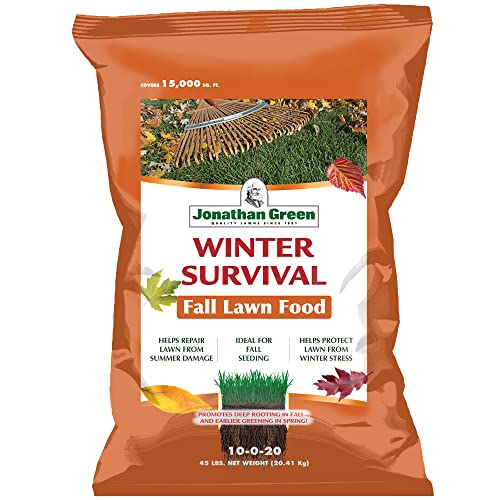
- BWP Score9.4
BWP Score is a ranking system developed by Bestwinterproducts.com. BWP score has no relationship or impact from any manufacturers or sales agent websites. Learn more
- BrandJonathan Green

- BWP Score9.4
BWP Score is a ranking system developed by Bestwinterproducts.com. BWP score has no relationship or impact from any manufacturers or sales agent websites. Learn more
- BrandJonathan Green & Sons
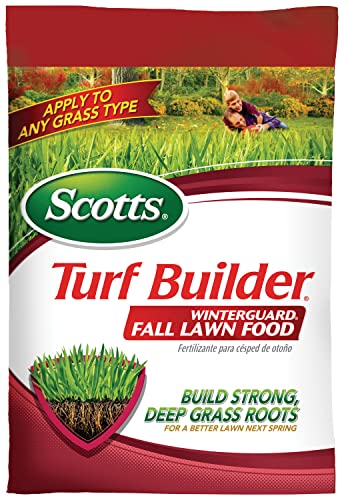
- BWP Score9.2
BWP Score is a ranking system developed by Bestwinterproducts.com. BWP score has no relationship or impact from any manufacturers or sales agent websites. Learn more
- BrandScotts

- BWP Score9.2
BWP Score is a ranking system developed by Bestwinterproducts.com. BWP score has no relationship or impact from any manufacturers or sales agent websites. Learn more
- BrandScotts

- BWP Score9.0
BWP Score is a ranking system developed by Bestwinterproducts.com. BWP score has no relationship or impact from any manufacturers or sales agent websites. Learn more
- BrandScotts
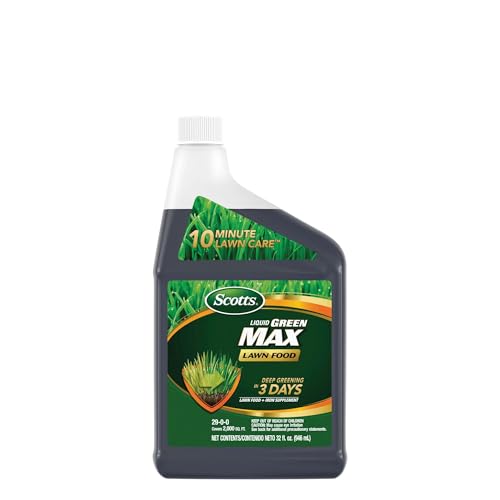
- BWP Score8.8
BWP Score is a ranking system developed by Bestwinterproducts.com. BWP score has no relationship or impact from any manufacturers or sales agent websites. Learn more
- BrandScotts

- BWP Score8.4
BWP Score is a ranking system developed by Bestwinterproducts.com. BWP score has no relationship or impact from any manufacturers or sales agent websites. Learn more
- BrandSeymour

- BWP Score8.4
BWP Score is a ranking system developed by Bestwinterproducts.com. BWP score has no relationship or impact from any manufacturers or sales agent websites. Learn more
- BrandScotts

- BWP Score8.0
BWP Score is a ranking system developed by Bestwinterproducts.com. BWP score has no relationship or impact from any manufacturers or sales agent websites. Learn more
- BrandTurf Titan

- BWP Score6.0
BWP Score is a ranking system developed by Bestwinterproducts.com. BWP score has no relationship or impact from any manufacturers or sales agent websites. Learn more
- BrandHydro Mousse
Last update on 2026-10-02 / Affiliate links / Images, Product Titles, and Product Highlights from Amazon Product Advertising API
FAQs
How can I tell if my brown grass is dead or just sleeping?
Grasp a small patch of brown blades near the dirt and tug gently upward. If the grass holds tight, the root system is alive, healthy, and resting in winter dormancy. If the clump pulls out of the ground effortlessly like dry straw, those roots have died from pests, drought, or summer damage.
Will watering my lawn in the winter keep it green?
Watering helps northern cool-season grass stay hydrated during dry winter cold snaps, but water will not make dormant southern grass turn green. Warm-season lawns sleep because of chilly soil temperatures and shorter daylight hours, not low moisture. Adding too much water to cold, dormant turf only rots the root system.
Is lawn paint safe for children and pets?
Specially made lawn paints use organic, non-toxic pigments that are completely safe for children, pets, and wildlife once dry. Most quality colorants dry in two to four hours on a clear afternoon. Once dry, the color locks onto the grass blades and will not track onto shoes, carpet, or pet paws.
Can I fertilize my lawn in January to bring back the green color?
You should never fertilize frozen ground or dormant grass in the middle of winter. Grass roots cannot absorb nutrients during cold weather, so the chemicals sit in soggy soil where they can burn root tissue or wash away into storm drains. Save your fertilizer for early spring when active blade growth returns.


Best Warm Winter Scarves 2026 For Cozy Comfort

Best Green Ski Goggles 2026 For Clear Vision On Slopes

12 Best Corner Electric Fireplace 2026: My Ultimate Guide To Pick One

Best Battery Powered Snow Blower 2026 For Effortless Snow Clearing

Best Ski Goggles Under 30 Inches For Crisp Vision And Comfort

Best Cooling Scarf 2026 For Instant Relief And Comfort

Fake Snow for Grass: Create a Realistic Winter Lawn Display

Dimplex Prism Wall Mount Fireplace: Sleek Heat With Modern Flame Style





