
How to Keep Your Lawn Green in Winter by Grass Type

Winter color comes down to grass variety. Northern varieties can stay naturally green in cold weather if their roots get fed before the ground freezes solid. Southern varieties, however, enter a natural winter sleep called dormancy once temperatures drop, turning pale tan to protect themselves. Forcing sleeping grass to grow with heavy fertilizer only burns tender roots, but scattering temporary cool-weather seed or spraying an organic colorant creates an emerald lawn without risking turf health.
The right approach always depends on your specific lawn conditions. Local freezing patterns play a major role, because light frosts behave differently than weeks buried under thick snow. Your autumn preparation timing matters just as much, since feeding roots too late can invite cold damage. Here is how to match your winter lawn care to your grass type and keep your yard looking vibrant until spring.
The Grass Type Test: Why Northern Grass Stays Green While Southern Grass Sleeps
Whether your lawn can stay naturally green through the cold months comes down to the kind of grass growing in your soil. Grasses across the country fall into two main families: cool-season varieties and warm-season varieties. Each handles freezing weather and short daylight hours in a completely different way.
Cool-season grass, which includes northern grass that handles cold like Kentucky bluegrass, perennial ryegrass, and tall fescue, thrives when outdoor temperatures stay between 60°F and 75°F. As winter sets in, these northern grasses slow down their top growth, but they do not shut down. Their root systems remain active beneath the surface, and their blades keep producing chlorophyll. Unless your yard gets buried under deep snow for months at a time, northern grass stays naturally green all winter long.
Warm-season grass, which includes southern grass that browns in frost such as Bermuda, St. Augustine, Zoysia, and Centipede grass, loves summer heat. These southern varieties shut down as soon as soil temperatures drop below 55°F, usually after the first couple of hard autumn frosts. This natural winter sleep protects the plant from freezing to death. The grass pulls moisture and sugars out of the green blades and stores them down in the root crown, turning the lawn a pale straw-brown color.
If you have southern grass, browning is not a sign of disease or lawn death. It is your turf doing exactly what nature designed it to do. Trying to force sleeping southern grass to turn green by pouring on heavy chemical plant food in December will only damage the root system. To keep a southern yard green, you need completely different tools than you would use on a northern yard.
Steps to Keep Cool-Season Grass Green All Winter
Northern lawns need thoughtful care in late autumn so they can power through freezing winds, frost, and snow. Taking these exact steps before the soil freezes solid ensures your turf keeps its deep green shade until spring arrives.
-
Feed the roots with a late-fall fertilizer.
Apply a winterizer, which is a late-fall fertilizer that feeds roots, about two to three weeks after your last regular autumn mow while the grass is still green. Grass blades stop growing above ground in late autumn, but the roots keep absorbing food from the soil. A formula rich in potassium helps the plant cells resist freeze damage, keeping blades green and healthy through deep cold snaps.
-
Lower your mower blade for the final cut of the year.
Drop your mower deck down by about half an inch for your final autumn cut, leaving the grass around two to two and a half inches tall. Shorter grass stands upright in freezing winds rather than falling over. If grass stays too tall, heavy snow presses the blades flat against the wet ground, which suffocates the turf and invites gray and pink fungal mold.
-
Clear every layer of wet leaves and tree debris.
Rake, blow, or mulch fallen leaves every weekend until the branches above are completely bare. Wet autumn leaves form a solid, airtight mat over green grass within just a few days of rain. That damp mat blocks all winter sunlight, traps cold moisture against the crown, and bleaches the bright green color right out of the blades.
-
Give the turf one deep soak before the ground freezes solid.
Run your sprinklers for a thorough soaking in late autumn if your region experiences a dry stretch before the ground freezes. Moist soil holds heat significantly better than bone-dry dirt, creating a natural thermal buffer around delicate grass roots. Well-hydrated grass cells are far less likely to dry out and turn brown from harsh, freezing winter winds.
-
Relieve heavy soil compaction with late-autumn aeration.
Pull small soil plugs across high-traffic areas of your yard before spreading your late-season fertilizer. Loosening compacted dirt allows water, oxygen, and root nutrients to sink four to six inches into the ground instead of pooling on top. Strong, deep roots maintain blade color through sub-zero weather far better than shallow, choked roots.
Keeping Warm-Season Southern Lawns Green
Because southern lawns naturally go brown in freezing weather, keeping them green requires a hands-on strategy. You have two reliable choices: planting temporary winter grass, or coating the dormant blades with a natural turf colorant.
Option 1: Overseeding With Winter Rye
Overseeding means scattering winter grass seed over an existing lawn while the permanent southern turf winds down for the year. Homeowners spread annual ryegrass or perennial ryegrass seed across their yard in mid-autumn, right when daytime temperatures hover around 70°F and night temperatures begin dipping into the 50s.
Ryegrass sprouts within seven to ten days and quickly fills in with a bright, emerald-green carpet that thrives in cold weather. It stays green right through freezing frosts and light snow. The main catch is ongoing maintenance. You must keep the soil damp while the seeds sprout, and you will have to run your lawnmower every week or two all winter long.
In spring, as temperatures rise back above 80°F, the winter ryegrass naturally dies off just as your permanent Bermuda or Zoysia grass wakes up. You must monitor this transition closely. If the ryegrass grows too thick in early spring, it can rob your waking southern turf of sunlight, water, and soil nutrients.
Option 2: Using Turf Colorant
Lawn colorant is a specialized, plant-safe liquid pigment that restores an immediate, natural green color to dormant straw-colored grass. It works like cosmetic paint for your yard, coating the pale blades in a realistic green hue that does not wash off in rain or snow.
This approach gives you a vivid green yard without any extra mowing, watering, or fertilizer during the cold months. You simply mix the concentrated colorant with water in a standard garden pump sprayer and coat the dry grass on a calm, sunny afternoon. High-grade colorants dry completely within two to three hours and will not rub off on shoes or pet paws once set.
The green tint lasts between two and three months, gradually fading as spring arrives and fresh green blades emerge from the roots. It is completely harmless to the resting grass underneath, making it the fastest and easiest way to keep a southern lawn looking alive all winter long.
Winter Lawn Habits: Moisture, Foot Traffic, and Cold Spells
Keeping a lawn looking good through the winter is not just about what you apply in autumn. How you treat your yard on frozen days determines whether those blades stay green or turn into brittle brown patches.
- Water during dry, snowless spells: Grass roots still need small amounts of water even in freezing weather. If your area goes three to four weeks without any rain or snow cover, give the lawn a light watering on a mild morning when the air temperature rises above 40°F. Always finish before mid-afternoon so the water sinks into the soil before freezing at night.
- Stay off frosted grass blades: When grass freezes, the water inside each plant cell turns into sharp ice needles. Walking, playing, or driving on frosted lawn snaps those frozen cells like brittle glass. The damage turns the grass dark purple and then dead brown, leaving footprints that will not fill in until late spring.
- Divert walkway and driveway ice melters: Chemical rock salts drawn from sidewalks and driveways can poison lawn edges when shoveled snow melts into the turf. Shovel snow onto garden beds instead of your green grass, or choose an ice-melt product specifically labeled safe for surrounding vegetation.
- Dress warmly for winter maintenance: When you head outside on frosty mornings to clear stray branches or inspect your soil moisture, taking steps to keep warm in winter outdoors makes cold-weather yard chores much more manageable.
Winter Lawn Mistakes That Cause Lasting Damage
Many homeowners accidentally ruin their grass by treating winter turf the same way they treat a thriving summer yard. Avoiding these common mistakes protects your grass from root burn and fungal blight.
The most damaging mistake is dumping quick-release, high-nitrogen fertilizer onto sleeping southern grass during the winter. Dormant turf cannot absorb high levels of nitrogen because its metabolic processes have halted. That chemical feed sits in the cold soil, burns delicate root hairs, and encourages winter fungal diseases like large patch. High nitrogen can also trick the sleeping grass into pushing out tender green shoots during a brief warm spell, only for the next hard freeze to kill those shoots and permanently weaken the lawn.
Another frequent mistake is leaving heavy objects sitting on the grass through the winter. Metal patio furniture, children's toys, garden hoses, and piles of firewood press the turf down and trap freezing moisture underneath. The grass beneath these items quickly rots, leaving bare dirt rings that invite weeds as soon as temperatures climb in spring.
Finally, never scalp your lawn right before the first hard freeze. While cool-season grasses should be cut slightly shorter for their final trim, cutting the grass down to the soil exposes the crown of the plant to direct frost and drying winds. Keep at least two inches of blade height on northern lawns to shade and shelter the root crown all winter long.
Choosing the Right Winter Lawn Care Supplies
Fixing winter lawn browning starts with choosing the right yard products for your specific turf variety. Matching the product to your grass type saves you time and protects your lawn from accidental damage.
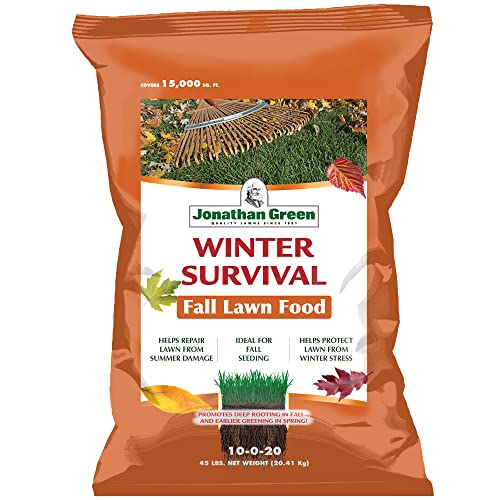
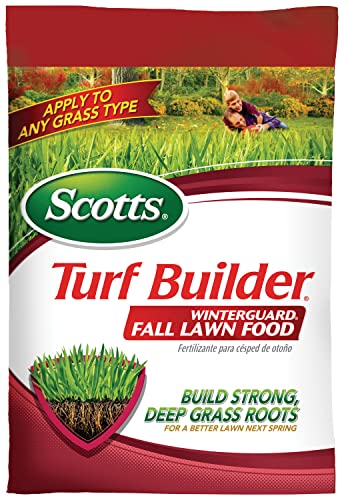
For northern cool-season grass, look for late-season fall lawn foods labeled as winterizers. These products feature balanced nutrition with elevated potassium levels, which helps build cold resistance in grass roots rather than forcing rapid blade growth. Verify the coverage area on the bag to ensure you distribute the correct amount across your square footage without over-applying.
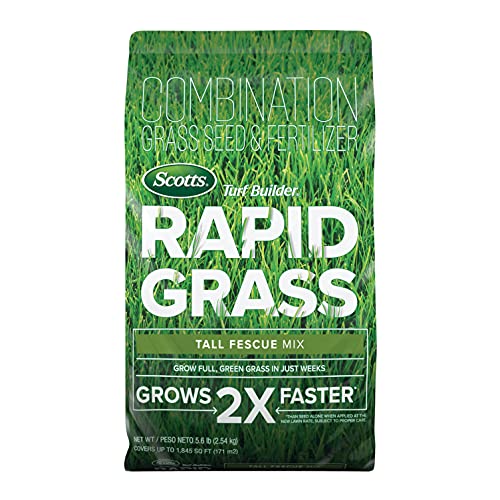
For southern warm-season grass, decide early in autumn whether you prefer winter overseeding seed or lawn colorant. If you choose seed, pick an annual or perennial ryegrass mix designed for fast germination in cool soil. If you choose colorant, look for a plant-safe pigment that specifies a fast drying time to prevent color from tracking indoors on wet days. Always check that the colorant formulation is safe for your specific grass variety before spraying.
- BWP Score9.4
BWP Score is a ranking system developed by Bestwinterproducts.com. BWP score has no relationship or impact from any manufacturers or sales agent websites. Learn more
- BrandJonathan Green

- BWP Score9.4
BWP Score is a ranking system developed by Bestwinterproducts.com. BWP score has no relationship or impact from any manufacturers or sales agent websites. Learn more
- BrandJonathan Green & Sons
- BWP Score9.2
BWP Score is a ranking system developed by Bestwinterproducts.com. BWP score has no relationship or impact from any manufacturers or sales agent websites. Learn more
- BrandScotts

- BWP Score9.2
BWP Score is a ranking system developed by Bestwinterproducts.com. BWP score has no relationship or impact from any manufacturers or sales agent websites. Learn more
- BrandScotts

- BWP Score8.4
BWP Score is a ranking system developed by Bestwinterproducts.com. BWP score has no relationship or impact from any manufacturers or sales agent websites. Learn more
- BrandScotts

- BWP Score8.4
BWP Score is a ranking system developed by Bestwinterproducts.com. BWP score has no relationship or impact from any manufacturers or sales agent websites. Learn more
- BrandSeymour
- BWP Score8.4
BWP Score is a ranking system developed by Bestwinterproducts.com. BWP score has no relationship or impact from any manufacturers or sales agent websites. Learn more
- BrandScotts

- BWP Score8.4
BWP Score is a ranking system developed by Bestwinterproducts.com. BWP score has no relationship or impact from any manufacturers or sales agent websites. Learn more
- BrandSUNDAY

- BWP Score8.4
BWP Score is a ranking system developed by Bestwinterproducts.com. BWP score has no relationship or impact from any manufacturers or sales agent websites. Learn more
- BrandScotts

- BWP Score8.4
BWP Score is a ranking system developed by Bestwinterproducts.com. BWP score has no relationship or impact from any manufacturers or sales agent websites. Learn more
- BrandScotts
Last update on 2026-10-02 / Affiliate links / Images, Product Titles, and Product Highlights from Amazon Product Advertising API
FAQs
Can fertilizer turn brown winter grass green immediately?
No, fertilizer will not turn dormant brown grass green during the winter. Dormant grass has closed its cell pathways to rest, so it cannot absorb nitrogen to create green pigment. Applying fertilizer to sleeping turf only feeds winter weeds and risks burning the grass roots.
Will lawn paint wash away in heavy rain or snow?
Quality turf colorant will not wash off once it dries completely on the blades. The pigment binds directly to the plant fibers and resists rain, sleet, and snow cover. It gradually wears away after two to three months as you resume mowing in the spring.
How short should grass be cut for the winter?
Cool-season northern grass should be cut to about two to two and a half inches on its final autumn mow. This height keeps the blades upright under snow without exposing the root crown to freezing winds. Warm-season southern grass should be left at its normal autumn height without scalping.
Does snow cover damage or protect a green lawn?
A steady blanket of fluffy snow actually protects green grass by acting as an insulating blanket against sub-zero winds. The danger comes when snow gets packed down hard into solid ice or when grass is left too tall underneath, which traps moisture and invites snow mold.


Best Warm Winter Scarves 2026 For Cozy Comfort

Best Green Ski Goggles 2026 For Clear Vision On Slopes

12 Best Corner Electric Fireplace 2026: My Ultimate Guide To Pick One

Best Battery Powered Snow Blower 2026 For Effortless Snow Clearing

Best Ski Goggles Under 30 Inches For Crisp Vision And Comfort

Best Cooling Scarf 2026 For Instant Relief And Comfort

Fake Snow for Grass: Create a Realistic Winter Lawn Display

Dimplex Prism Wall Mount Fireplace: Sleek Heat With Modern Flame Style





