
How to Keep Legs Warm in Winter Without Feeling Bulky

How to keep legs warm in winter often sounds simple until cold air sneaks through your jeans, your muscles tighten, and every step feels uncomfortable. Thick clothing isn't always the answer because piling on heavy layers can limit movement and leave you feeling overheated indoors. A better approach combines smart layering, breathable materials, and practical habits that work together instead of fighting each other. Small adjustments can make a surprisingly big difference throughout the day.
Cold legs usually aren't caused by one problem alone. Wind, damp fabric, poor circulation, and clothing that traps moisture can all make temperatures feel lower than they actually are. That's why paying attention to fabric choice matters just as much as adding another layer. Moisture-wicking base layers paired with insulating materials help keep body heat where it belongs without creating a sweaty, uncomfortable feeling after walking or commuting.
Daily routines also influence comfort more than many people expect. Standing still at a bus stop feels completely different from taking a brisk walk, so clothing should match the activity instead of the weather forecast alone. A lightweight thermal layer under everyday pants often provides more warmth than bulky trousers by themselves. Better yet, it keeps flexibility intact whether you're working, shopping, or spending time outside.
Footwear deserves attention because cold feet quickly affect your lower legs. Warm socks, insulated boots, and keeping moisture away from your feet help maintain overall leg warmth for much longer. Tight shoes, though, can reduce circulation, making even expensive winter gear less effective. Comfort usually comes from balance rather than stuffing on extra layers everywhere.
Indoor environments create another challenge. Heated buildings can leave heavy winter clothing feeling stuffy, while stepping back outside brings another blast of cold air. Flexible layers solve this problem because they're easy to remove or add without disrupting your day. Little habits like staying active, stretching occasionally, and avoiding damp clothing help maintain warmth naturally instead of constantly searching for a heater.
Weather changes quickly, so preparing for shifting conditions pays off. Wind-resistant outerwear, thermal leggings, fleece-lined pants, or insulated softshell trousers all serve different purposes depending on the forecast. Understanding those tradeoffs prevents spending money on clothing that doesn't fit your routine. The goal isn't wearing the thickest outfit possible but building a system that keeps how to keep legs warm in winter practical, comfortable, and easy to manage from morning until night.

- BWP Score9.0
BWP Score is a ranking system developed by Bestwinterproducts.com. BWP score has no relationship or impact from any manufacturers or sales agent websites. Learn more
- BrandSampeel

- BWP Score9.0
BWP Score is a ranking system developed by Bestwinterproducts.com. BWP score has no relationship or impact from any manufacturers or sales agent websites. Learn more
- BrandZLLW
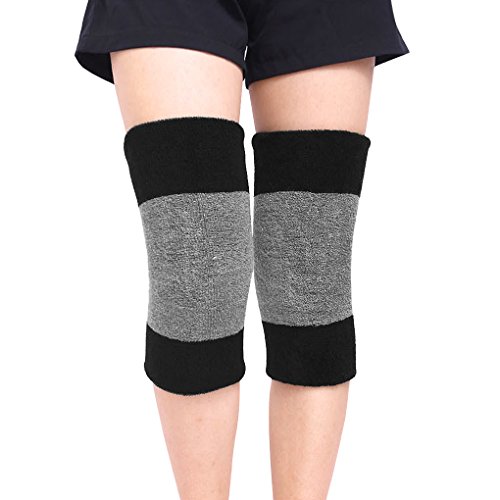
- BWP Score9.0
BWP Score is a ranking system developed by Bestwinterproducts.com. BWP score has no relationship or impact from any manufacturers or sales agent websites. Learn more
- BrandFaxianther

- BWP Score8.8
BWP Score is a ranking system developed by Bestwinterproducts.com. BWP score has no relationship or impact from any manufacturers or sales agent websites. Learn more
- BrandJUMISEE

- BWP Score8.8
BWP Score is a ranking system developed by Bestwinterproducts.com. BWP score has no relationship or impact from any manufacturers or sales agent websites. Learn more
- BrandPURFUN

- BWP Score8.6
BWP Score is a ranking system developed by Bestwinterproducts.com. BWP score has no relationship or impact from any manufacturers or sales agent websites. Learn more
- BrandWinterlace
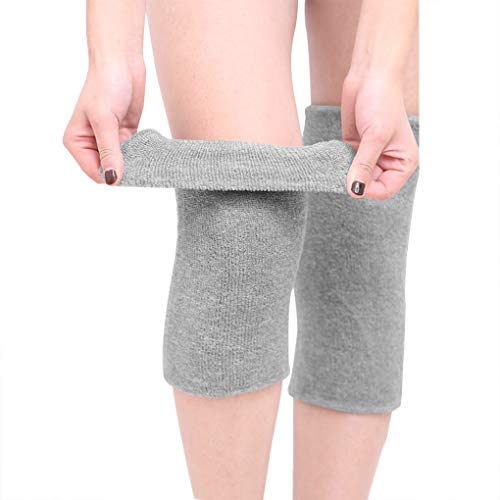
- BWP Score8.6
BWP Score is a ranking system developed by Bestwinterproducts.com. BWP score has no relationship or impact from any manufacturers or sales agent websites. Learn more
- BrandFakeFace
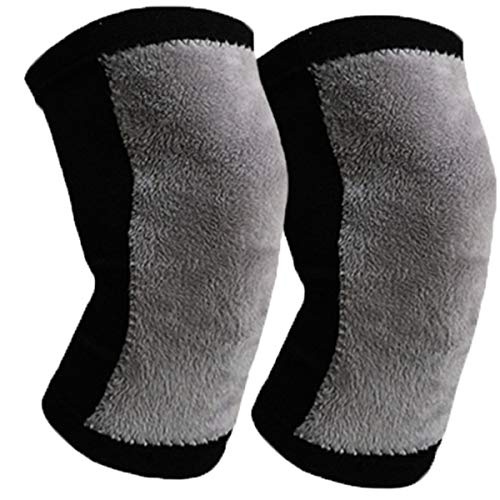
- BWP Score8.6
BWP Score is a ranking system developed by Bestwinterproducts.com. BWP score has no relationship or impact from any manufacturers or sales agent websites. Learn more
- BrandIYWISH
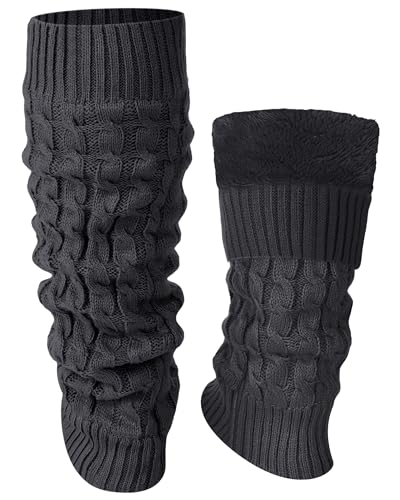
- BWP Score8.4
BWP Score is a ranking system developed by Bestwinterproducts.com. BWP score has no relationship or impact from any manufacturers or sales agent websites. Learn more
- BrandShihanee

- BWP Score8.4
BWP Score is a ranking system developed by Bestwinterproducts.com. BWP score has no relationship or impact from any manufacturers or sales agent websites. Learn more
- Brandheqxwl
Last update on 2026-07-16 / Affiliate links / Images, Product Titles, and Product Highlights from Amazon Product Advertising API
How To Keep Legs Warm In Winter Without Bulky Layers
A freezing commute can turn ordinary pants into what feels like a sheet of paper against the wind. Cold knees stiffen, calves tense up, and the walk from the parking lot suddenly feels twice as long. Learning how to keep legs warm in winter starts with fixing the gaps that let wind, moisture, and trapped sweat steal body heat. The goal isn't to pile on every garment in the closet, but to build a layering system that stays warm outside without becoming unbearable indoors.
How To Keep Legs Warm
Leg warmth depends on more than the thickness of your pants. Fabric type, fit, wind exposure, movement level, and moisture all affect how quickly your lower body loses heat. A pair of heavy cotton jeans may feel substantial in the hallway, yet cold air can pass through the weave once you step outside. A thin thermal base layer under wind-resistant pants often feels warmer because each layer handles a different job.
The first layer should sit close enough to collect moisture without squeezing the legs. Too much compression can feel restrictive and may make feet and lower legs seem colder during long periods of sitting. Merino wool and synthetic thermal fabrics are useful because they move perspiration away from the skin while holding a pocket of warm air. Cotton, by contrast, absorbs moisture and tends to stay damp, so it can become a chilly liability during an active day.
The outer layer matters just as much as the base. Wind strips heat from clothing quickly, especially around the thighs and knees where pants often stretch while walking. Wind-blocking fabric creates a barrier that ordinary denim, loose-knit sweatpants, and thin leggings can't provide by themselves. Even a lightweight shell worn over thermal leggings can make a noticeable difference on an exposed sidewalk or train platform.
Fit needs a little breathing room. Clothes that are skin-tight from waist to ankle leave less space for insulating air, while excessively loose layers allow cold drafts to move through. Aim for a base layer that follows the body and an outer layer that moves freely without billowing. That balanced fit supports heat retention, comfortable walking, and easier transitions between outdoor cold and heated rooms.
Build A Smarter Layering System
A reliable winter setup usually has two or three functional layers rather than one oversized garment. The base layer manages moisture, the middle layer holds warmth, and the outer layer blocks wind or wet weather. Not every day requires all three, so the smartest approach is flexible rather than rigid. Matching the system to your activity prevents the familiar cycle of freezing outdoors, sweating indoors, and then feeling colder after stepping back outside.
Thermal leggings work well beneath chinos, jeans, work pants, or ski trousers, but their fabric weight should match the temperature and activity. Lightweight thermals suit errands, office commutes, and brisk walks where your body generates some heat. Midweight versions make more sense for long waits, outdoor events, or slow-moving activities. Heavyweight layers can help in deep cold, though they may become stuffy in heated buildings and can feel cumbersome under fitted pants.
Insulated pants provide a useful alternative for anyone who dislikes managing several separate garments. Fleece-lined trousers, quilted pants, and softshell bottoms combine warmth with varying levels of wind resistance. Their weakness is reduced adaptability, since you can't remove the insulation without changing the entire garment. A removable thermal layer offers more control during days that bounce between cold streets, warm cars, and overheated offices.
Layering also needs to account for the waistband and ankle area. A tucked-in base layer prevents cold air from reaching the lower back, while longer socks help cover the small gap between boots and pants. Overlapping each garment by a few inches creates a continuous shield instead of isolated warm sections. Those small overlaps are easy to overlook, but they often decide whether how to keep legs warm in winter feels simple or frustrating.
Choose Fabrics That Handle Cold And Moisture
Merino wool earns attention because it insulates without feeling as clammy as cotton after light perspiration. It also retains some insulating ability while damp, which helps during hikes, long walks, and active commutes. The tradeoff is cost and care, since pure merino garments may need gentler washing and can wear faster around high-friction areas. Blended merino layers often balance warmth, durability, and easier maintenance.
Synthetic fabrics such as polyester and nylon dry quickly and usually handle repeated washing better than delicate wool. Brushed interiors add warmth by trapping air close to the skin, while smooth outer surfaces slide more easily beneath pants. Some inexpensive synthetic thermals can hold odors after repeated use, so rotating pairs and washing them promptly helps. For everyday wear, a well-made synthetic base layer can deliver practical warmth without demanding special care.
Fleece makes a strong middle layer because its loft traps plenty of warm air without adding the weight of dense fabric. Fleece-lined leggings and pants feel cozy during low-intensity activities, though they can become too warm during fast walking or indoor errands. Wind can also pass through exposed fleece unless it sits beneath a shell. Pairing fleece insulation with a wind-resistant outer fabric fixes that weakness without relying on excessive bulk.
Down and synthetic-fill pants serve colder, less active situations such as winter camping, outdoor sports events, or long periods of standing. Down provides excellent warmth for its weight but loses much of its insulating power when wet. Synthetic fill handles moisture better and usually costs less, although it tends to be bulkier. The right material depends on whether dry cold, wet snow, or constant movement is the bigger concern.
Stop Heat Loss At The Feet And Ankles
Cold feet can make the entire lower body feel miserable, even if the thighs are well insulated. Blood travels through the legs before reaching the toes, so exposed ankles and damp socks become weak points in the system. Crew-length or over-the-calf socks help bridge the gap between pants and boots. A secure overlap keeps cold air from slipping onto bare skin whenever you sit, bend, or climb stairs.
Sock thickness isn't the only factor that matters. Tight boots packed with thick socks can restrict circulation and compress the insulation, leaving less warm air around the feet. A medium-weight wool sock inside properly fitted footwear often performs better than two bulky pairs squeezed into a narrow boot. The boot should let the toes move while keeping the heel stable and the ankle supported.
Boot selection should match the terrain and the amount of standing involved. Long periods on snowy sidewalks demand insulation, water resistance, and enough sole thickness to separate the foot from frozen ground. Skiing adds different fit and support needs, so older riders dealing with colder feet or reduced ankle mobility may benefit from comparing ski boots for older skiers before settling for a stiff, poorly fitted shell. The practical call is simple: prioritize fit before insulation, because a warm liner can't correct pressure points or restricted blood flow.
Wet-weather hiking creates another balancing act. Waterproof membranes can keep outside moisture away, but some people prefer more breathable footwear for dry trails or warmer winter conditions. To reduce sweat buildup while maintaining traction and ankle coverage, compare non gore tex hiking boots that leave room for a warm sock and dry more predictably after use. Breathability, weather exposure, and pace should all shape the choice rather than a single material label.
Use Movement To Support Natural Warmth
Standing still causes the legs to cool faster because the muscles aren't producing much heat. A short walk, a set of calf raises, or a few controlled squats can wake up circulation without making you sweaty. Small movements work especially well during train delays, outdoor events, or workdays that involve long periods at a desk. The trick is to move before the chill becomes deep and stubborn.
Calf muscles act like pumps that help move blood upward through the legs. Flexing the ankles, lifting the heels, and shifting weight from side to side can support circulation while you remain mostly in place. These motions won't replace proper clothing, but they strengthen the effect of a good winter layering system. Five quiet heel raises every few minutes may feel more practical than waiting until numbness sets in.
Overheating creates the opposite problem. Fast walking in heavy layers can lead to damp fabric, and that moisture cools quickly after activity stops. Open a coat, slow the pace, or remove a middle layer before sweat builds up. Managing heat early keeps the base layer drier and protects long-lasting warmth once you're standing still again.
Stretching also helps reduce the stiff, wooden feeling that cold weather can bring. Gentle lunges, knee bends, and ankle circles maintain mobility before a walk or outdoor task. Avoid forcing a deep stretch while the muscles are still cold, since stiff tissue responds better to gradual movement. Warmth grows from a mix of insulation and motion, not from either one acting alone.
Warm Indoor Spaces Without Drying The Air Too Much
Indoor cold often settles around the floor, leaving legs chilly even while the upper body feels comfortable. Drafts under doors, poorly sealed windows, and hard flooring can create a noticeably colder zone from the knees down. Rugs, door sweeps, and thicker curtains reduce those local heat leaks before you reach for another sweater. Fixing the draft usually costs less energy than overheating the entire room.
A compact heater can make sense in a bedroom or home office where only one area needs extra warmth. Position it with clear space around the intake and outlet, and keep fabrics, bedding, and curtains away from the airflow. To warm a small sleeping area without running central heat at full power, review a fan heater for bedroom that includes suitable controls for the room size and routine. The key benefit is targeted heat, not turning a small room into a sauna.
Dry air can make skin feel uncomfortable even when the room temperature rises. Heaters don't remove moisture directly, but warmer air can lower relative humidity and make dryness more noticeable. A room hygrometer gives a clearer picture than guessing from how the air feels. Pairing controlled heat with sensible humidity can improve comfort without creating condensation on cold windows.
Directing warm air toward the lower part of the room helps more than blasting heat at face level. Keep the heater stable on a hard surface and follow its clearance requirements rather than placing it on a chair or soft carpet. Heated throws can warm the lap while seated, but they shouldn't replace safe room heating in damp or poorly ventilated spaces. A balanced setup protects leg comfort, sleep quality, and household safety at the same time.
Plan Clothing Around The Day Ahead
A good winter outfit starts with the schedule, not just the temperature shown on a phone. A twenty-minute walk followed by eight hours indoors requires different clothing from an afternoon spent watching an outdoor game. Think about how long you'll be exposed, how much you'll move, and whether you'll have space to remove a layer. That quick check prevents both underdressing and carrying unnecessary bulk all day.
Wind chill changes how exposed skin and thin clothing feel, even though it doesn't lower the actual air temperature. Open parking lots, bridges, coastal streets, and train platforms can feel much harsher than sheltered neighborhoods. A wind-resistant outer layer earns its place on those days, especially over the front of the thighs. Wind protection often matters more than adding another soft but porous layer underneath.
Rain and wet snow raise the stakes because damp pants pull heat away from the body. Water-resistant shells, gaiters, and boots help keep the lower layers dry during slushy commutes or trail walks. Packable rain pants may look unremarkable, but they can rescue an outfit that would otherwise soak through. Dry insulation stays effective, while wet insulation becomes heavy and unreliable.
Carry one adjustable item instead of several random backups. A thin thermal bottom, packable shell, or pair of over-the-calf wool socks can solve a specific problem without filling a bag. That kind of preparation keeps how to keep legs warm in winter practical for real routines, where storage space, indoor comfort, and changing weather all compete for attention. Choose each piece for a clear job, then leave anything that duplicates the same function at home.
How To Keep Legs Warm In Winter During Daily Routines
A warm outfit can

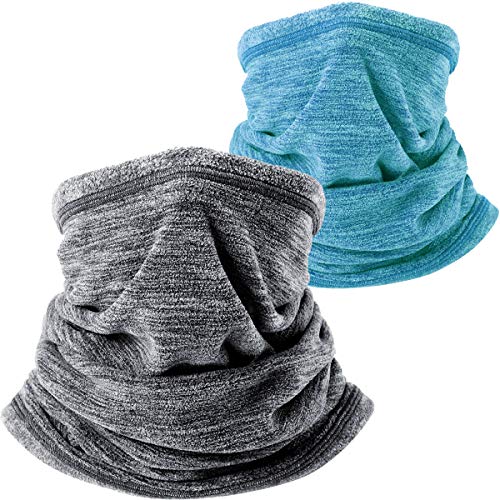
Best Warm Winter Scarves 2026 For Cozy Comfort

Best Green Ski Goggles 2026 For Clear Vision On Slopes
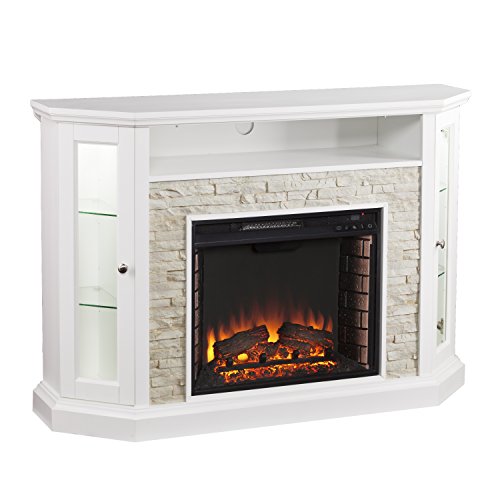
12 Best Corner Electric Fireplace 2026: My Ultimate Guide To Pick One

Best Battery Powered Snow Blower 2026 For Effortless Snow Clearing
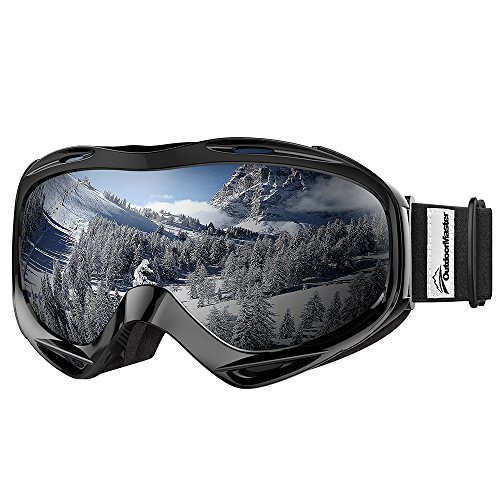
Best Ski Goggles Under 30 Inches For Crisp Vision And Comfort

Best Cooling Scarf 2026 For Instant Relief And Comfort

Fake Snow for Grass: Create a Realistic Winter Lawn Display
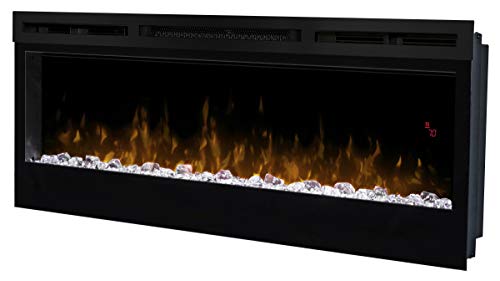
Dimplex Prism Wall Mount Fireplace: Sleek Heat With Modern Flame Style





