
How to Keep Warm in Winter in the House Without Waste

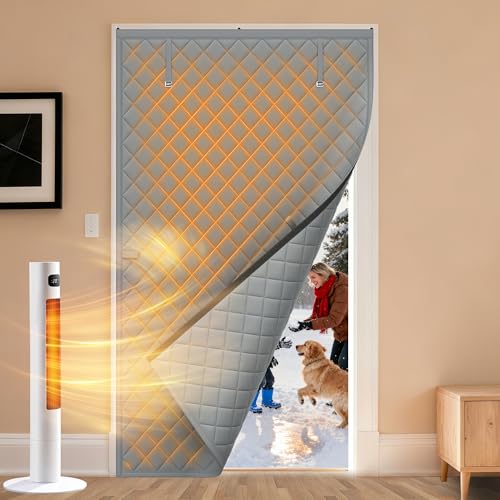
How to keep warm in winter in the house starts with stopping heat from slipping away through small gaps, chilly windows, and forgotten doors. A heater can run all day and still leave the room feeling raw if warm air keeps escaping, so sealing obvious drafts deserves attention before turning the thermostat higher. Run your hand around window frames, exterior doors, attic hatches, and baseboards to locate cold airflow, then use weatherstripping, removable caulk, or a simple draft stopper where needed. These modest fixes can make a room feel calmer and more comfortable without adding another appliance.
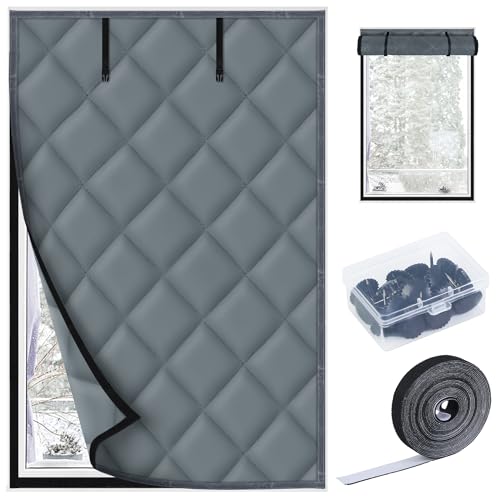
Window insulation matters because glass loses warmth faster than insulated walls, especially after sunset. Close lined curtains or thermal blinds as evening arrives, but open them during sunny hours so natural heat can enter the room. Keep curtains clear of radiators and heating vents, since covered heat sources warm the fabric instead of circulating air. On especially cold windows, an interior insulation film can reduce that icy feeling without replacing the entire frame.
Room layout also changes how warmth moves. Pull sofas, beds, and large cabinets a few inches away from radiators, vents, and exterior walls so heated air has space to travel. A ceiling fan set to its winter direction at a low speed can gently push trapped warm air downward without creating an uncomfortable breeze. Also, close doors to rarely used rooms so the main living areas don’t have to share heat with empty spaces. That’s a practical way to focus comfort where daily life actually happens.
Heating habits work better when they match the room rather than relying on one extreme thermostat setting. Maintain a steady, reasonable temperature instead of repeatedly overheating the house and letting it cool sharply, which often feels uncomfortable and can waste energy. Use programmable controls to lower heat slightly during sleep or long absences, then raise it before the room is needed again. Space heaters can help in a single occupied room, but they need clear space around them and should never sit near curtains, bedding, or wet areas.
Warmth isn’t only about the air temperature. Cold tile, bare hardwood, and thin flooring can pull heat from your feet, making the whole body feel colder than the thermostat suggests. Add rugs in bedrooms, living areas, and hallways, then wear insulated socks or indoor slippers with a firm sole. Layered clothing works the same way indoors, trapping warm air close to the body without making the house excessively hot. A light base layer, sweater, and comfortable house jacket often feel better than one bulky item.
Bedding and nighttime comfort deserve their own plan because body temperature naturally drops during sleep. Use breathable layers such as a fitted sheet, blanket, and duvet rather than one overly heavy cover that causes sweating. Flannel or brushed cotton sheets feel warmer on contact, while a heated mattress pad can warm the bed more evenly than heating the whole bedroom. Always follow the manufacturer’s safety instructions, inspect cords regularly, and avoid folding electric bedding while it’s operating.
Humidity can influence comfort too. Very dry winter air may make a heated room feel harsher, while moderate indoor humidity can reduce that parched, chilly sensation. A clean humidifier may help, but too much moisture can encourage condensation and mold around windows, closets, and exterior walls. Watch for damp glass, musty smells, or dark spots, and reduce humidity if those signs appear. The goal is balance, not turning the room into a greenhouse.
Daily routines add up more than people expect. Cooked meals, warm drinks, and brief movement breaks help the body generate and retain heat, while sitting still for hours can make even a heated room feel cold. Keep interior doors arranged to guide warmth, shut the fireplace damper after the fire is completely out, and check that furnace filters aren’t clogged. A well-maintained heating system moves air more efficiently and reduces uneven temperatures. Put together, these habits make how to keep warm in winter in the house feel less like a battle with the thermostat and more like sensible control over the space.

- BWP Score10.0
BWP Score is a ranking system developed by Bestwinterproducts.com. BWP score has no relationship or impact from any manufacturers or sales agent websites. Learn more
- BrandBLOCE

- BWP Score9.6
BWP Score is a ranking system developed by Bestwinterproducts.com. BWP score has no relationship or impact from any manufacturers or sales agent websites. Learn more
- BrandFanfanwin
- BWP Score9.6
BWP Score is a ranking system developed by Bestwinterproducts.com. BWP score has no relationship or impact from any manufacturers or sales agent websites. Learn more
- BrandMqiielle

- BWP Score9.2
BWP Score is a ranking system developed by Bestwinterproducts.com. BWP score has no relationship or impact from any manufacturers or sales agent websites. Learn more
- BrandK&H Pet Products
- BWP Score9.2
BWP Score is a ranking system developed by Bestwinterproducts.com. BWP score has no relationship or impact from any manufacturers or sales agent websites. Learn more
- BrandArcturus

- BWP Score9.2
BWP Score is a ranking system developed by Bestwinterproducts.com. BWP score has no relationship or impact from any manufacturers or sales agent websites. Learn more
- BrandElytsemoh

- BWP Score9.0
BWP Score is a ranking system developed by Bestwinterproducts.com. BWP score has no relationship or impact from any manufacturers or sales agent websites. Learn more
- BrandULTRAIDEAS
- BWP Score9.0
BWP Score is a ranking system developed by Bestwinterproducts.com. BWP score has no relationship or impact from any manufacturers or sales agent websites. Learn more
- BrandHOMWMPA

- BWP Score9.0
BWP Score is a ranking system developed by Bestwinterproducts.com. BWP score has no relationship or impact from any manufacturers or sales agent websites. Learn more
- BrandAEOCOO

- BWP Score8.8
BWP Score is a ranking system developed by Bestwinterproducts.com. BWP score has no relationship or impact from any manufacturers or sales agent websites. Learn more
- BrandRELIANCER

- BWP Score8.8
BWP Score is a ranking system developed by Bestwinterproducts.com. BWP score has no relationship or impact from any manufacturers or sales agent websites. Learn more
- BrandUpinFun

- BWP Score8.8
BWP Score is a ranking system developed by Bestwinterproducts.com. BWP score has no relationship or impact from any manufacturers or sales agent websites. Learn more
- BrandNKADNB
Last update on 2026-07-10 / Affiliate links / Images, Product Titles, and Product Highlights from Amazon Product Advertising API
How to keep warm in winter in the house starts with stopping heat from slipping away through small gaps, chilly windows, and forgotten doors. A heater can run all day and still leave the room feeling raw if warm air keeps escaping, so sealing obvious drafts deserves attention before turning the thermostat higher. Run your hand around window frames, exterior doors, attic hatches, and baseboards to locate cold airflow, then use weatherstripping, removable caulk, or a simple draft stopper where needed. These modest fixes can make a room feel calmer and more comfortable without adding another appliance. Window insulation matters because glass loses warmth faster than insulated walls, especially after sunset. Close lined curtains or thermal blinds as evening arrives, but open them during sunny hours so natural heat can enter the room. Keep curtains clear of radiators and heating vents, since covered heat sources warm the fabric instead of circulating air. On especially cold windows, an interior insulation film can reduce that icy feeling without replacing the entire frame. Room layout also changes how warmth moves. Pull sofas, beds, and large cabinets a few inches away from radiators, vents, and exterior walls so heated air has space to travel. A ceiling fan set to its winter direction at a low speed can gently push trapped warm air downward without creating an uncomfortable breeze. Also, close doors to rarely used rooms so the main living areas don’t have to share heat with empty spaces. That’s a practical way to focus comfort where daily life actually happens. Heating habits work better when they match the room rather than relying on one extreme thermostat setting. Maintain a steady, reasonable temperature instead of repeatedly overheating the house and letting it cool sharply, which often feels uncomfortable and can waste energy. Use programmable controls to lower heat slightly during sleep or long absences, then raise it before the room is needed again. Space heaters can help in a single occupied room, but they need clear space around them and should never sit near curtains, bedding, or wet areas. Warmth isn’t only about the air temperature. Cold tile, bare hardwood, and thin flooring can pull heat from your feet, making the whole body feel colder than the thermostat suggests. Add rugs in bedrooms, living areas, and hallways, then wear insulated socks or indoor slippers with a firm sole. Layered clothing works the same way indoors, trapping warm air close to the body without making the house excessively hot. A light base layer, sweater, and comfortable house jacket often feel better than one bulky item. Bedding and nighttime comfort deserve their own plan because body temperature naturally drops during sleep. Use breathable layers such as a fitted sheet, blanket, and duvet rather than one overly heavy cover that causes sweating. Flannel or brushed cotton sheets feel warmer on contact, while a heated mattress pad can warm the bed more evenly than heating the whole bedroom. Always follow the manufacturer’s safety instructions, inspect cords regularly, and avoid folding electric bedding while it’s operating. Humidity can influence comfort too. Very dry winter air may make a heated room feel harsher, while moderate indoor humidity can reduce that parched, chilly sensation. A clean humidifier may help, but too much moisture can encourage condensation and mold around windows, closets, and exterior walls. Watch for damp glass, musty smells, or dark spots, and reduce humidity if those signs appear. The goal is balance, not turning the room into a greenhouse. Daily routines add up more than people expect. Cooked meals, warm drinks, and brief movement breaks help the body generate and retain heat, while sitting still for hours can make even a heated room feel cold. Keep interior doors arranged to guide warmth, shut the fireplace damper after the fire is completely out, and check that furnace filters aren’t clogged. A well-maintained heating system moves air more efficiently and reduces uneven temperatures. Put together, these habits make how to keep warm in winter in the house feel less like a battle with the thermostat and more like sensible control over the space.

Best Warm Winter Scarves 2026 For Cozy Comfort

Best Green Ski Goggles 2026 For Clear Vision On Slopes

12 Best Corner Electric Fireplace 2026: My Ultimate Guide To Pick One

Best Battery Powered Snow Blower 2026 For Effortless Snow Clearing
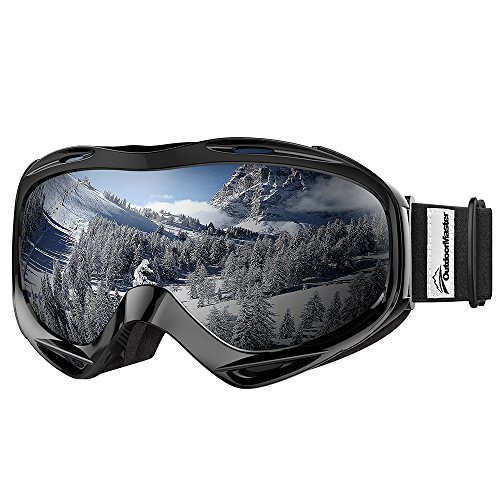
Best Ski Goggles Under 30 Inches For Crisp Vision And Comfort

Best Cooling Scarf 2026 For Instant Relief And Comfort

Fake Snow for Grass: Create a Realistic Winter Lawn Display

Dimplex Prism Wall Mount Fireplace: Sleek Heat With Modern Flame Style





