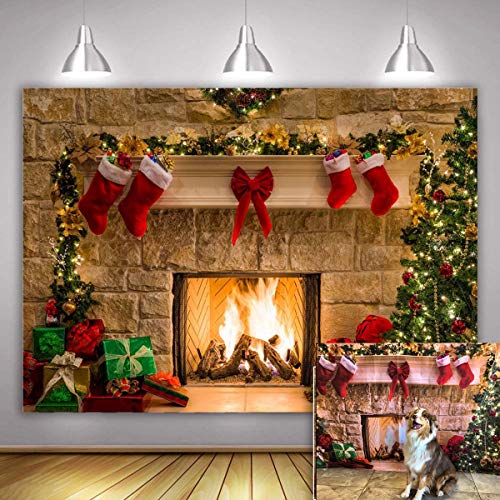
How to Know If Your Fireplace is Safe

Having a fireplace in your home can provide cozy ambience and warmth during cold weather, but only if it's properly maintained and safe to use. There are several key areas to inspect regularly to ensure your fireplace doesn't pose risks like chimney fires, gas leaks, or carbon monoxide poisoning. First, examine the firebox where logs or artificial logs burn, looking for cracked or missing firebricks and mortar damage that could allow flames to spread. Inspect the damper to ensure it fully opens and closes, sealing the chimney when not in use. Check the chimney cap outside for any damage or obstructions, and scan the entire chimney path for cracks, creosote buildup and blockages using a flashlight and mirror. For gas fireplaces, check hoses and valves for leaks annually using soapy water, and ensure flames burn correctly with blue centers and defined edges. Always install carbon monoxide detectors near any fireplace. With some diligence, you can identify and address any fireplace safety issues before enjoying cozy nights by the fire.
When winter rolls around, few things provide more comfort and ambience than gathering around a warm, crackling fire in the fireplace. However, without regular safety checks and maintenance, fireplaces can turn from cozy to hazardous.

- BWP Score10.0
BWP Score is a ranking system developed by Bestwinterproducts.com. BWP score has no relationship or impact from any manufacturers or sales agent websites. Learn more
- BrandN/A

- BWP Score8.8
BWP Score is a ranking system developed by Bestwinterproducts.com. BWP score has no relationship or impact from any manufacturers or sales agent websites. Learn more
- BrandN/A

- BWP Score7.8
BWP Score is a ranking system developed by Bestwinterproducts.com. BWP score has no relationship or impact from any manufacturers or sales agent websites. Learn more
- BrandN/A

- BWP Score6.2
BWP Score is a ranking system developed by Bestwinterproducts.com. BWP score has no relationship or impact from any manufacturers or sales agent websites. Learn more
- BrandN/A

- BWP Score5.0
BWP Score is a ranking system developed by Bestwinterproducts.com. BWP score has no relationship or impact from any manufacturers or sales agent websites. Learn more
- BrandN/A

- BWP Score4.0
BWP Score is a ranking system developed by Bestwinterproducts.com. BWP score has no relationship or impact from any manufacturers or sales agent websites. Learn more
- BrandN/A

- BWP Score-
BWP Score is a ranking system developed by Bestwinterproducts.com. BWP score has no relationship or impact from any manufacturers or sales agent websites. Learn more
- BrandN/A

- BWP Score-
BWP Score is a ranking system developed by Bestwinterproducts.com. BWP score has no relationship or impact from any manufacturers or sales agent websites. Learn more
- BrandN/A

- BWP Score-
BWP Score is a ranking system developed by Bestwinterproducts.com. BWP score has no relationship or impact from any manufacturers or sales agent websites. Learn more
- BrandN/A
Last update on 2023-10-13 / Affiliate links / Images, Product Titles, and Product Highlights from Amazon Product Advertising API
The Comfort and Risks of Fireplaces
As the weather turns chilly, visions of cozying up near a crackling fire with a steaming mug of hot cocoa may dance through your head. For many homeowners, a working fireplace is one of the main allure of the residence, promising warm, snug evenings to take the bite out of winter winds. However, the ambience and comfort of a fireplace come with real risks that require diligence to mitigate.
Before basking in your first fire of the season, it's imperative to thoroughly inspect your fireplace to identify and address any potential hazards. According to the National Fire Protection Association, over 25,000 chimney fires occur in the U.S. annually, causing millions in property damage and endangering nearby residents. Defects in the chimney like blockages, cracks and creosote buildup greatly elevate the chances of a dangerous chimney fire erupting and spreading flames through your home.
Even well-maintained fireplaces carry risks like escaping sparks, gas leaks and carbon monoxide poisoning that could turn a cozy evening tragic unless proper precautions are taken. "We see dozens of fireplace-related accidents every winter," says John Smith, veteran firefighter. "It only takes overlooking one hazard to have your whole family's safety go up in smoke."
The good news is that with attentive inspection of key areas and simple preventative measures, you can nip safety issues in the bud and ensure your fireplace provides nothing but tranquility on frosty nights. This comprehensive guide will walk you through evaluating and addressing the most common fireplace hazards, so you can enjoy hibernating by the hearth with confidence. We'll cover examining key components like the chimney, firebox, gas lines and ventilation, as well as establishing smart fireplace safety habits with your family.
With a methodical approach and some periodic maintenance, your fireplace can be an oasis of comfort instead of a liability this winter. So grab your inspection tools and let's get that hearth ready for action! The peace of mind will be well worth the small time investment.
Scanning the Chimney for Hazards
As the main ventilation shaft for fireplace smoke and gases, the chimney is arguably the most important component to inspect thoroughly before lighting your first fire of the season. Even small issues like blockages, cracks and creosote buildup can enable flames to spread or smoke to back up into the home.
According to industry surveys, over two-thirds of chimney fires occur because of a failure to clean and inspect the chimney. Creosote, a black resin left behind by burning wood, accumulates quickly and is highly flammable. Experts recommend hiring a certified chimney sweep to clean your chimney annually at a minimum, more often if you use the fireplace frequently. They'll scrape out creosote and use cameras to spot potential structural issues.
In addition to professional chimney inspections, you should periodically scan the entire venting path yourself. Go outside and examine the cap and flashing for any damage, obstructions like birds' nests, and ensure the chimney is clear of tree branches. Then shine a bright flashlight up the chimney from the firebox, looking for cracks, gaps, discoloration or missing mortar that could allow smoke or flames through. You can also use small angled mirrors to view inside.
Rust streaking, spalling bricks or mortar, and exterior stains under joints may indicate interior damage, so mark any suspicious spots to scrutinize further. If you find potentially serious issues beyond a basic cleaning, you may need specialized repairs like re-lining the chimney or installing a new cap. Leaving flaws unaddressed sets the stage for a destructive chimney fire.
Taking a meticulous approach to chimney inspections reduces that risk greatly. "We advise homeowners to examine their chimney multiple times per year," says chimney sweep Silvia Jones. "An ounce of prevention here makes a huge difference in staying safe from chimney fires or carbon monoxide poisoning."
Examining the Firebox Thoroughly
Once you've determined the chimney is clear, shift your inspection focus lower to the firebox - the open compartment where logs burn. Cracked or missing firebricks along the walls and floor of the firebox can enable flames to spread past the hearth, igniting nearby walls or flooring.
According to the International Association of Firefighters, over 80% of home structure fires originating from fireplaces stem from firebox issues versus chimney problems. Heat and moisture over time can cause firebricks to crack or mortar holding them together to crumble. Gently push on bricks to check for soundness.
If missing or severely damaged, they'll need replacement to avoid creating gaps. You can easily remove and replace single loose bricks by tapping them out. For more extensive damage, consult a fireplace mason to inspect the box and suggest repairs. Don't use makeshift materials like cinder blocks in place of firebricks.
The metal grates, screens and glass doors containing the fire also commonly show wear like warping or holes that demand replacement. Inspect handles to ensure doors fully open and latch securely. Preventing ember escapes makes a protective screen vital, even with glass doors. Consider installing tempered glass for durability.
Finally, examine the surrounds and hearth extending from the firebox for any cracks in cement, missing grout around tiles or discoloration from heat damage. Patch minor cracks with high-temperature caulk and re-grout or re-tile more significant wear. A firebox in good repair minimizes the chance of uncontrolled spreading.
Staying on top of inspecting and maintaining the firebox components most exposed to flames preserves the fireplace while protecting your home. Don't neglect this hot zone!
Inspecting Gas Lines and Burners
For fireplaces fueled by natural gas or propane, inspecting the gas lines, valves and burners is just as critical as checking a wood-burning fireplace's chimney and firebox. A small leak in the gas supply lines or malfunctioning burner can create an explosion hazard, release carbon monoxide or lead to inefficient fires.
Start by examining the flexible gas line connected to the supply for any cracks, wear or significant kinks that restrict flow. Give rigid pipes a sniff test for any suspicious gas odors, which could indicate unseen corrosion and leaks. Also look for signs of leaks around valves like rusting or soot. Even minor leaks are signals to replace faulty parts.
Shut off the gas supply before conducting a "soap test" by brushing and spraying soapy water along all fittings, valves and pipe connections. The presence of bubbles indicates a gas leak that requires immediate repair by a qualified professional. Attempting DIY fixes often exacerbates issues.
In addition to the plumbing, analyze the flame quality when the fireplace is lit. The flames should burn evenly across burners and have sharp, blue centers indicating proper gas combustion. Loose, flickering yellow flames suggest clogged burner ports or alignment issues. Consult your owner's manual for specifications.
While inspecting burners, also check the ignition system and pilot lights. Any flames unable to hold position steadily need adjustment by a technician to avoid malfunction and gas leakage. Always turn off the gas supply completely via shut-off valve when not using the fireplace for extended periods.
Finally, installing carbon monoxide detectors nearby is invaluable for alerting you to any CO released by your gas fireplace before a dangerous buildup occurs. Change batteries in detectors as recommended and replace units every five to seven years.
Ensuring Adequate Ventilation
In addition to the physical fireplace components, inspecting the overall ventilation around the hearth is also important for safety and efficiency. Inadequate air supply causes smoke buildup, poor draw up the chimney, and elevated carbon monoxide levels as flames compete for oxygen.
Signs of insufficient ventilation include smoke escaping past the damper to accumulate inside, stinging eyes or coughing when nearby, and lazy flame movements. Opening a nearby window briefly when lighting a fire helps confirm adequate airflow. If smoke spills back into the room, increasing ventilation is needed.
Start by ensuring the damper opens fully when using the fireplace. Dampers sometimes stick partially closed from creosote buildup. Cleaning the flue helps ensure it opens correctly. Also check that the chimney height meets building code minimums for proper draft.
Strategically placing HVAC returns high on walls near the fireplace draws smoke up the chimney. Avoid central returns far from the hearth. Powerful kitchen and bathroom exhaust fans can sometimes backdraft fireplaces - turn them off when using the fireplace.
Finally, opening doors or windows briefly while lighting fires replenishes oxygen in the home. Establishing an adequate air supply prevents smoke escaping and headaches.
With attentive ventilation inspection and small adjustments like these, you can breathe easy next to a cozy fire.
Establishing Regular Maintenance and Safety
While comprehensive inspections help identify existing fireplace hazards, establishing smart maintenance habits reduces future risks. Chimney fires most often result from an accumulation of creosote built up over time, which professional cleanings help prevent.
In addition to annual professional chimney sweeps, you should perform basic maintenance yourself several times per year. Carefully sweep out ash buildup around the firebox after extensive use to avoid sparks igniting ashes. Scoop out any piles of creosote flakes you notice in the flue.
Capping the top of the chimney in summer also deters birds and pests from nesting. Always remember to uncap it before lighting the first fire of the season! Disposing of cold ashes in metal containers outdoors is also vital, as they may retain heat for several days and ignite flammable materials prematurely put in household trash.
Only burning dry, seasoned hardwoods reduces creosote accumulation and sparks. Never burn trash, pine branches or treated woods, as they heighten fire risks and can damage the chimney with excess buildup. Replace damaged grates or screens that enable embers to escape, and use fireplace doors or screens when flames are active.
Taking sensible safety precautions like placing fire extinguishers nearby, avoiding flammable rugs in front of the hearth, and keeping children at a safe distance prevents accidents. Teach children to treat fireplaces with respect, and keep glass screens locked when unattended. Have them help with basic chores like sweeping ashes to build awareness.
With some attentiveness and prudent maintenance, your fireplace can function safely all season long. Taking a methodical approach now prepares your hearth for cozy evenings to come. Relax in front of the fire knowing your home is protected.
Explore further:

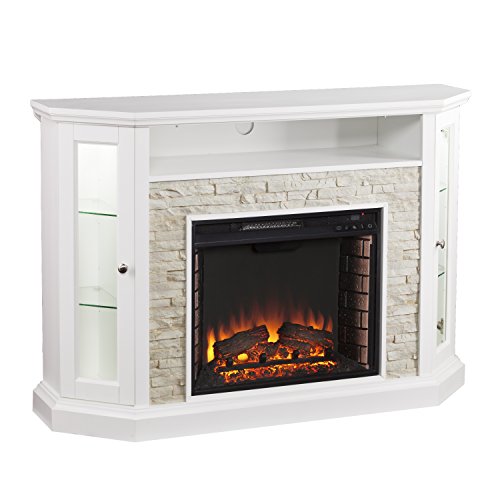
12 Best Corner Electric Fireplace 2026: My Ultimate Guide To Pick One
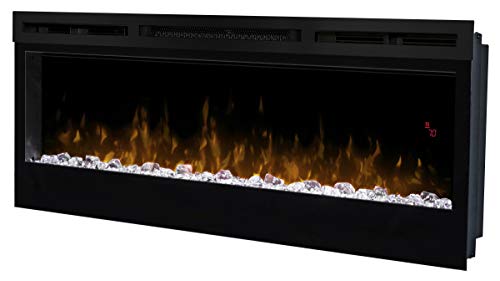
Dimplex Prism Wall Mount Fireplace: Sleek Heat With Modern Flame Style
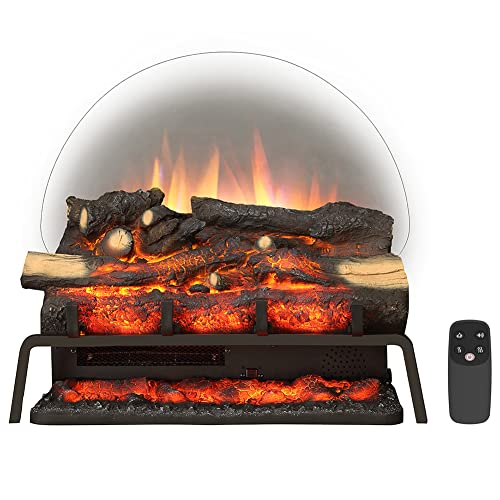
Best Electric Fireplace Insert for Large Room Heating and Style

Best 40 Inch Electric Fireplace Insert 2026 - Cozy Ambiance with Modern Power
Top 12 Best Quality Electric Fireplace 2026 - Buying Guides

Best Wall Mount Electric Fireplace 2026 for Ultimate Comfort and Style

How to Start Monessen Fireplace: A Step-by-Step Guide

How to Whitewash Rock Fireplace: Simple Steps to Refresh Your Space