How to Light a Gas Fireplace Without the Guesswork

How to Light a Gas Fireplace sounds simple until you're standing in front of the controls wondering which knob turns first or why the pilot flame refuses to stay lit. Plenty of fireplaces look nearly identical from the outside, yet the ignition systems can work in completely different ways. That little uncertainty is enough to make many people hesitate, and honestly, that's a smart instinct because dealing with gas appliances should never become a guessing game. A few clear steps and a basic understanding of how the system operates can remove the confusion while helping you avoid common mistakes.
Every gas fireplace has its own personality, so reading the owner's manual still matters. Even so, most systems follow familiar principles whether they rely on a standing pilot, electronic ignition, or a wall switch. Learning those similarities makes troubleshooting far less stressful if the flame doesn't appear immediately. Rather than turning knobs repeatedly or trying random combinations, you'll know exactly what to inspect before taking the next step.
Safety deserves attention before comfort. Gas odors, unusual clicking sounds, soot buildup, or a pilot flame that keeps going out aren't little annoyances to brush aside. Those signs often point toward maintenance issues that should be handled before lighting the fireplace again. Taking a few extra minutes to inspect the area can prevent unnecessary risks while giving you greater confidence every time colder weather rolls around.
Lighting a fireplace also becomes easier once you understand what each control actually does. The gas valve, pilot setting, ignition button, thermostat, and control switch each serve a different purpose. Mixing them up can create frustration that feels much bigger than it really is. Once the sequence becomes familiar, the entire process feels natural instead of intimidating.
How to Light a Gas Fireplace also includes knowing what not to do. Rushing the process, ignoring ventilation, or repeatedly attempting ignition after smelling gas can create unnecessary hazards. Small habits often make the biggest difference, especially during the first use of the season after months of sitting idle. Building those habits now means fewer surprises later.
Comfort isn't only about producing flames. It's about knowing your fireplace will respond predictably whenever you need dependable warmth. A little preparation, a quick visual inspection, and an understanding of common ignition systems help remove uncertainty from the experience. Instead of wondering whether something went wrong, you'll recognize what's normal and what deserves closer attention before enjoying a relaxing fire.

- BWP Score9.6
BWP Score is a ranking system developed by Bestwinterproducts.com. BWP score has no relationship or impact from any manufacturers or sales agent websites. Learn more
- BrandZGTools

- BWP Score9.4
BWP Score is a ranking system developed by Bestwinterproducts.com. BWP score has no relationship or impact from any manufacturers or sales agent websites. Learn more
- BrandMidwest Hearth

- BWP Score9.2
BWP Score is a ranking system developed by Bestwinterproducts.com. BWP score has no relationship or impact from any manufacturers or sales agent websites. Learn more
- BrandMidwest Hearth

- BWP Score9.2
BWP Score is a ranking system developed by Bestwinterproducts.com. BWP score has no relationship or impact from any manufacturers or sales agent websites. Learn more
- BrandGlowing Fireplace Embers

- BWP Score9.2
BWP Score is a ranking system developed by Bestwinterproducts.com. BWP score has no relationship or impact from any manufacturers or sales agent websites. Learn more
- BrandBeeplove

- BWP Score9.2
BWP Score is a ranking system developed by Bestwinterproducts.com. BWP score has no relationship or impact from any manufacturers or sales agent websites. Learn more
- BrandFlamefix Fireplace Maintenance

- BWP Score8.8
BWP Score is a ranking system developed by Bestwinterproducts.com. BWP score has no relationship or impact from any manufacturers or sales agent websites. Learn more
- BrandGASPRO
- BWP Score8.8
BWP Score is a ranking system developed by Bestwinterproducts.com. BWP score has no relationship or impact from any manufacturers or sales agent websites. Learn more
- BrandTuanse
Last update on 2025-12-20 / Affiliate links / Images, Product Titles, and Product Highlights from Amazon Product Advertising API
How To Light A Gas Fireplace Safely
A chilly room can make that quiet fireplace look awfully inviting, yet a hidden control panel and an unfamiliar pilot knob can stop the whole plan cold. Randomly turning valves isn't worth the risk, especially after the unit has been idle through warmer months. Learning how to light a gas fireplace starts with identifying the ignition system, checking for warning signs, and following the controls in the right order. A careful routine gives you steady heat without turning a cozy evening into a stressful guessing session.
Lighting A Gas Fireplace
Gas fireplaces generally use a standing pilot, an intermittent pilot, or a fully electronic ignition system. A standing pilot keeps a small flame burning continuously, while an electronic model creates a spark only when heat is requested. Wall switches and remote controls may look simple, but they still depend on valves, sensors, batteries, and electrical connections working behind the scenes. Identifying the system first prevents the common mistake of searching for a pilot flame on a unit that wasn't designed to keep one burning.
Open the lower access panel and look for a control knob marked OFF, PILOT, and ON. A nearby push button usually serves as the igniter, though older fireplaces may require a long fireplace match or an approved utility lighter. Electronic units may have a battery tray, receiver box, or switch labeled REMOTE, ON, and OFF instead. The fireplace manual remains the safest reference because knob positions and startup sequences can vary between manufacturers.
Dusty labels and cramped access areas often make the controls harder to read than expected. Use a flashlight rather than leaning too close to the burner compartment, and keep loose sleeves, hair, paper, and decorative items away from the opening. Don't remove sealed glass panels unless the manual specifically instructs you to do so. The goal is clear access, not dismantling parts that protect the combustion area.
Some fireplaces are decorative gas-log sets installed inside an existing masonry firebox, while others are sealed direct-vent appliances. Those designs don't share the same operating rules, even though both produce realistic flames. A vented log set may rely on a chimney damper, whereas a sealed unit draws combustion air and exhausts gases through dedicated venting. That difference affects ventilation requirements, ignition steps, and the type of maintenance the fireplace needs.
Check The Fireplace Before Ignition
Start by clearing the hearth and the space directly around the fireplace. Holiday decorations, books, blankets, pet beds, and dried plant material can sit closer to the opening than anyone realizes. Keep combustible items outside the clearance listed by the manufacturer, and confirm that the front screen or glass isn't cracked or loose. This quick inspection supports safer ignition and prevents heat from damaging nearby belongings.
Use your nose before touching any control. A faint dusty odor during the first seasonal startup can occur as settled debris warms, but the smell of unburned gas is a different matter. If you detect a sulfur-like or rotten-egg odor, don't light the fireplace, don't operate switches, and don't create a spark nearby. Leave the area, follow the gas supplier's emergency guidance, and treat suspected gas leakage as a problem that requires immediate attention.
Check whether the gas shutoff valve is open. Many valves sit beside the fireplace, beneath the access panel, in the floor, or behind a removable trim piece. A lever-style valve is generally open when the handle aligns with the pipe, but decorative key valves operate differently and should never be forced. Gentle movement is enough; a stuck valve calls for professional service, not pliers and extra muscle.
Inspect the burner area without rearranging the logs. Ceramic logs sit in precise positions so flames can move through designed gaps rather than striking solid surfaces. A misplaced log may cause soot, uneven burning, or delayed ignition. Remove only loose surface dust according to the manual, and leave burner alignment, clogged ports, damaged wiring, and internal cleaning to a qualified technician.
Light A Standing Pilot System
Turn the fireplace control knob to OFF and wait before attempting ignition. This pause allows any unburned gas near the burner or pilot assembly to disperse. Manufacturer instructions commonly specify a waiting period, so follow the exact interval printed on the fireplace label or manual rather than rushing ahead. Waiting is a simple but vital gas safety step.
After the waiting period, turn the knob from OFF to PILOT. Press and hold the knob inward to begin feeding a small amount of gas to the pilot assembly. While keeping it depressed, press the igniter button until the pilot flame appears. Several clicks may be needed if the fireplace hasn't operated recently, but repeated attempts should remain within the limits set by the manufacturer.
Keep holding the pilot knob after the flame catches. The thermocouple or thermopile needs time to warm and verify that a flame is present before the safety valve will remain open. Releasing the knob too quickly often causes the pilot to go out, which can make a functioning fireplace seem broken. A stable blue pilot flame should contact the sensor as shown in the appliance instructions.
Release the knob slowly once the sensor has had time to heat. If the pilot remains lit, rotate the control to ON and use the wall switch, thermostat, or remote to start the main burner. Flames may take a brief moment to travel across the burner, but they shouldn't ignite with a forceful thump or prolonged delay. Stop using the unit if you notice rough ignition, heavy soot, unusual flame lifting, or repeated pilot failure.
Separately, homes replacing decorative fuel effects with a plug-in setup may prefer simpler controls and no standing pilot. To reduce routine gas-valve handling, consider electric fireplace logs for a different type of hearth arrangement. This option doesn't change the correct procedure for an existing gas appliance, so never place electric components inside a gas firebox unless the original system has been properly removed and the installation is approved for that use. Keeping those categories separate avoids unsafe equipment mixing.
Start An Electronic Ignition Fireplace
Electronic ignition fireplaces usually skip the manual pilot-lighting sequence. Confirm that the fireplace has electrical power, fresh receiver batteries where required, and an open gas supply before requesting heat. Set the receiver switch to ON or REMOTE based on the control method, then use the wall switch or remote. The system should create a spark, establish the pilot or burner flame, and verify combustion through its flame-sensing circuit.
A clicking sound without ignition often points to a simple issue, but don't assume the cause. Weak batteries, a closed shutoff valve, an interrupted power supply, or a control lockout can all prevent startup. Replace batteries with the type specified by the manufacturer and check the household breaker only if those steps are allowed in the manual. Avoid touching ignition wires, valve terminals, or sealed modules because electronic controls aren't intended for casual adjustment.
Some systems enter a temporary safety lockout after several failed ignition attempts. Turning the switch on and off repeatedly may not reset that condition, and it can make troubleshooting harder. Follow the documented reset sequence, which may require switching the unit off, restoring power, or waiting for the control module to clear. A fireplace that repeatedly locks out needs qualified diagnosis rather than endless restart attempts.
Remote-controlled fireplaces can also fail because the handheld transmitter and receiver are no longer paired. A depleted battery, moved receiver switch, or accidental code change may interrupt communication even though the fireplace itself is fine. Re-pair the devices only through the manufacturer's instructions, and keep the remote away from children who may activate the burner unnoticed. Reliable control depends on correct receiver settings as much as the ignition hardware.
Separately, a room renovation may call for a sealed electric unit rather than repairing an aging gas system. To gain adjustable flame effects without a gas pilot, compare a led fireplace insert that fits the intended opening and electrical circuit. That route requires accurate measurements, heat-clearance planning, and confirmation that the old gas connection is safely decommissioned. An electric insert is an alternative installation, not a shortcut for bypassing a faulty gas ignition system.
Confirm Safe Flame And Vent Operation
Watch the fireplace for a few minutes after the main burner ignites. Flame appearance varies by model, but gas flames should remain controlled and follow the pattern described in the manual. Blue may appear near the burner ports, while yellow tips can be normal on decorative systems after the unit warms. Heavy black soot, flames striking the glass, or persistent wavering can signal combustion trouble.
Direct-vent fireplaces normally operate with the glass front closed and correctly latched. Running one with loose, damaged, or missing glass can disrupt the designed airflow and expose the room to heat or combustion products. Never touch hot glass, and keep children and pets behind the protective barrier. The screen reduces contact risk, but it doesn't make the surface cool.
Vented gas logs installed in a masonry fireplace may require the chimney damper to remain open during operation. Closing it can allow combustion gases to spill into the room, creating a serious carbon monoxide hazard. Vent-free appliances follow different rules and aren't permitted in every location, so local codes and the model instructions matter. Correct vent configuration is part of lighting the fireplace safely, not an optional detail handled afterward.
Working carbon monoxide alarms belong near sleeping areas and on appropriate levels of the home according to local safety guidance. An alarm doesn't replace appliance maintenance, proper venting, or visual checks, but it adds a critical warning layer. Never ignore headaches, dizziness, nausea, confusion, or an alarm sounding while the fireplace runs. Turn off the appliance if safe to do so, move to fresh air, and seek emergency help for suspected carbon monoxide exposure.
Handle Common Ignition Problems
A pilot that lights but dies after the knob is released often hasn't heated the sensor long enough. Try the approved sequence again and hold the control for the full period specified by the manufacturer. If the flame still won't remain lit, the thermocouple may be dirty, misaligned, worn, or affected by another valve or draft issue. Those components form a safety shutdown system, so bypassing them is never an acceptable fix.
A pilot that won't light at all may have air in the gas line after a long shutdown, a clogged pilot opening, no gas supply, or a failed igniter. Don't insert needles, wire, or improvised tools into the pilot orifice because enlarging or damaging it changes the gas flow. Limit attempts to the instructions provided for the model, then stop if ignition remains unsuccessful. Persistent failure deserves trained inspection.
A pilot may burn normally while the main burner refuses to start. Check the wall switch, thermostat setting, remote batteries, and receiver position before assuming the gas valve has failed. Loose low-voltage connections can also interrupt the call for heat, but internal electrical testing belongs to a technician. Keeping troubleshooting at the user-serviceable level protects both the appliance and the person working around it.
Delayed ignition deserves special caution. Gas may collect briefly before catching, producing a small boom, a rolling flame, or a sudden movement inside the firebox. Turn the fireplace off and arrange service rather than trying to get used to the sound. Dirty burner ports, incorrect log placement, pressure problems, and ignition defects can all create dangerous startup behavior.
Separately, cabins sometimes pair fireplace decisions with questions about domestic hot-water equipment. To reduce storage-tank space in a suitable electrically supplied property, review an electric tankless water heater for cabin as its own utility project. Electrical service capacity, cold-water temperature, and required flow rate determine whether that system makes sense. It has no role in lighting a gas fireplace, and treating it as a separate plan keeps fuel and electrical decisions clear.
Know When To Stop And Call For Service
Stop immediately if gas odor continues after the control is turned off. Don't use a phone inside the affected area, operate electrical switches, light candles, or attempt another ignition cycle. Move everyone outside and contact the gas supplier or emergency services from a safe location according to local instructions. A suspected leak outranks every desire for quick household warmth.
Soot on the logs, glass, mantel, or nearby wall points to incomplete combustion or improper flame contact. Wiping away the residue may improve appearance for a moment, but it won't correct the reason it formed. Log placement, burner contamination, venting trouble, or gas-pressure problems may sit behind the mess. Continued use can worsen the condition and hide a developing combustion fault.
Cracked glass, damaged gaskets, corroded vent parts, melted wiring, and scorched controls all require professional attention. The fireplace may still ignite despite one of those defects, which makes the situation more deceptive rather than less serious. Turn the unit off and prevent accidental use until the damaged parts are inspected. Visible deterioration is a clear sign that safe operation can't be assumed.
Annual service is especially sensible before the heating season or after a long period without use. A technician can inspect the burner, pilot assembly, venting, safety controls, electrical connections, log placement, and overall flame pattern. Routine care also catches small problems before they turn into unreliable startups on the coldest night of the year. A clean, correctly adjusted system delivers more dependable ignition and reduces the temptation to improvise around a stubborn fireplace.
How To Keep A Gas Fireplace Working Safely Year After Year
Lighting the burner correctly is only part of the story. A fireplace that starts easily today can become frustrating next season if dust, moisture, or neglected maintenance quietly affect the ignition system. Building a few simple habits after every use helps protect the burner, pilot assembly, and safety controls. Small efforts usually prevent the bigger headaches that appear right when the weather turns cold.
Maintain The Fireplace Between Heating Seasons
Dust settles almost everywhere, including inside the lower control compartment. A soft brush or vacuum attachment can remove loose debris around accessible areas without disturbing the burner or gas components. Keeping the compartment reasonably clean supports consistent ignition while reducing unnecessary buildup around moving parts.
Glass panels deserve attention as well. Clean them only after the fireplace has cooled completely and use products recommended for fireplace glass. Household glass cleaners may leave residue or fail to remove the light film that naturally develops during operation. A clear panel makes it much easier to monitor flame appearance

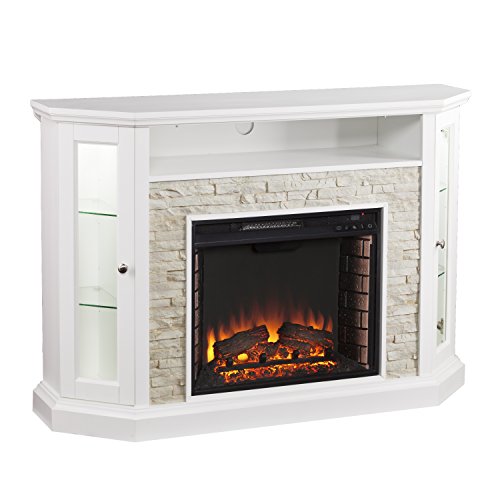
12 Best Corner Electric Fireplace 2026: My Ultimate Guide To Pick One
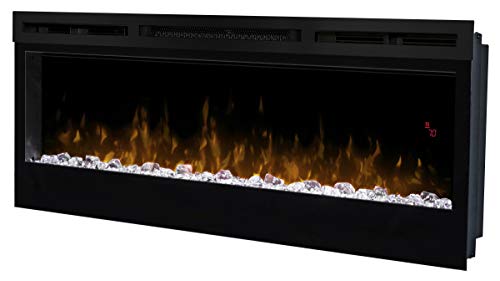
Dimplex Prism Wall Mount Fireplace: Sleek Heat With Modern Flame Style
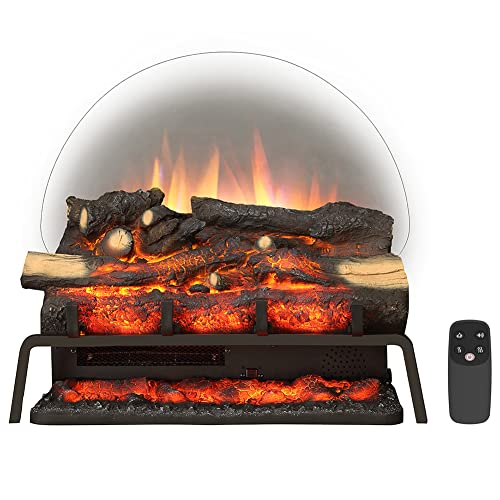
Best Electric Fireplace Insert for Large Room Heating and Style

Best 40 Inch Electric Fireplace Insert 2026 - Cozy Ambiance with Modern Power
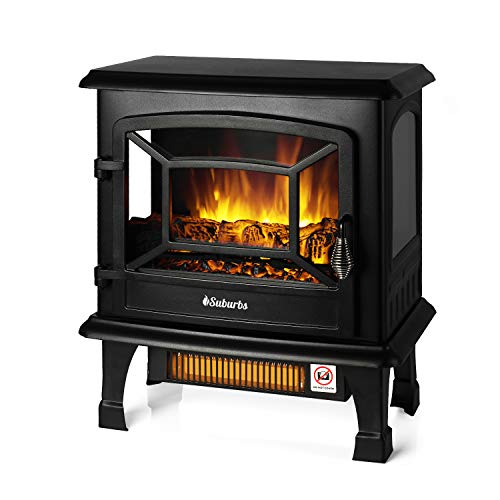
Top 12 Best Quality Electric Fireplace 2026 - Buying Guides

Best Wall Mount Electric Fireplace 2026 for Ultimate Comfort and Style

How to Start Monessen Fireplace: A Step-by-Step Guide

How to Whitewash Rock Fireplace: Simple Steps to Refresh Your Space