How to Make Your Fireplace More Efficient and Stop Drafts

A crackling fire burns bright in the hearth, yet cold air quietly creeps across the living room floor. Solving this problem comes down to blocking heated room air from escaping up the chimney and pushing radiant warmth forward into the living space. An open hearth naturally acts like an exhaust fan, sucking warm air from neighboring rooms and sending it outside.
The right fix depends on how the hearth is being used. An unlit fireplace needs a snug seal around the damper (the movable flap inside the chimney) to keep winter drafts out. When burning wood, the focus shifts to using dry logs and reflective accessories to drive heat into the room. The build of the hearth also matters, as open brick loses far more heat than a sealed metal firebox. Here are the most effective steps to stop drafts and keep the warmth indoors.
Understand How Your Chimney Pulls Warm Air Out of the House
An open fireplace feels warm when you stand right in front of it, but it often makes the rest of your house colder. A roaring wood fire needs a massive amount of oxygen to keep burning. It draws that air directly from your living room, pulls it into the firebox, and shoots it straight up the chimney flue (the inner exhaust passage inside the chimney).
This rapid escape of hot air creates what heating contractors call the chimney draft effect or stack effect. As warm indoor air rushes up the chimney, it creates negative pressure inside your home. Your house then pulls in freezing outdoor air through tiny gaps around windows, exterior doors, electrical outlets, and baseboards to balance the pressure. You end up roasting your face by the hearth while cold drafts chill your ankles across the room.
The problem gets even worse when the fire goes out. An open chimney acts like a giant, gaping hole in your ceiling. Warm air naturally rises, so your expensive furnace heat floats up into the flue day and night. If your hearth does not have an airtight barrier, your central heating system has to run constantly just to replace the warm air leaking out through the roof.
Masonry chimneys also soak up heat like a stone sponge. Bricks absorb warmth from the flames, but because most masonry chimneys sit on an exterior wall of the home, that heat conducts outward and radiates into the cold winter sky instead of staying inside your living area. Stopping these heat losses requires two separate tactics: controlling air escape while a fire burns, and completely sealing the opening when the fire is out.
Burn Dry Hardwood and Direct Radiant Heat Forward During a Fire
You can dramatically improve how much heat reaches your couch by changing what you burn and how you arrange your hearth. Simple adjustments to fuel and airflow make a noticeable difference in room temperature without spending much money.
- Burn seasoned hardwood instead of green wood: Wood that has dried for at least six to twelve months produces hotter flames with far less smoke. Wet or freshly cut wood wastes most of its heat energy simply boiling off trapped moisture. That moisture escapes as steam, cools down your firebox, and leaves sticky creosote deposits along the chimney walls. Look for split logs with dark, cracked ends that make a hollow ring when knocked together.
- Build your fire using the top-down method: Place your largest split hardwood logs on the bottom grate, cross a layer of smaller kindling sticks on top of them, and place your fire starter at the very peak. Light the top layer. The fire burns downward cleanly, heating the flue quickly and establishing a strong upward draft immediately. This fast start prevents smoke from spilling into your room and delivers usable radiant heat much faster.
- Set a cast-iron fireback behind your log grate: A fireback (a heavy cast-iron plate set behind logs to reflect heat) rests against the back brick wall of your firebox. In a bare fireplace, the back bricks absorb heat and channel it outside. A thick iron fireback captures that heat, gets intensely hot, and radiates warmth forward into your living room long after the flames settle into coals.
- Crack a window close to the fireplace by half an inch: This sounds counterintuitive in winter, but it solves the draft problem in tight homes. Giving the fire an immediate source of outside combustion air satisfies the chimney draft right at the hearth. This stops the fireplace from sucking warm furnace air out of distant bedrooms and down hallway corridors.
Seal Flue Drafts Completely When the Hearth Sits Cold
A cold, unlit fireplace wastes more home heat over an entire winter than an active fire ever could. When the hearth sits idle, your goal is to lock out cold downdrafts and keep your heated room air where it belongs. Follow these steps to seal your hearth whenever you are not burning wood.
- Let the fire die down and clear the ashes: Never try to seal or cover a fireplace while coals remain warm. Wait until the ash bed is completely cold to the touch, which usually takes overnight. Scoop out excess ash into a metal bucket with a tight lid so fine powder does not blow into your room while you work.
- Close the chimney damper tightly: Check the mechanical lever or pull chain to ensure the damper (the movable metal flap that blocks the chimney pipe) sits flat against its frame. You can review our step-by-step walkthrough on how to close your fireplace damper to make sure the plate shuts completely without catching on soot build-up.
- Check the damper seal with a simple draft test: Most traditional metal dampers warp over time from high fire temperatures. Metal-on-metal plates rarely form an airtight seal. Hold a lit match or a thin strip of tissue paper near the closed damper seam. If the flame flickers wildly or the tissue pulls upward toward the chimney, warm air is escaping past the plate.
- Put up a magnetic draft cover: If your fireplace has an iron or steel face, place a thick magnetic blanket or cover over the entire opening. These insulated covers cling directly to the metal surround, blocking chilly downdrafts, fireplace odors, and conditioned air escape. They roll up easily for storage whenever you want to light a fire.
- Consider a top-sealing damper if the throat damper leaks: If your built-in metal damper plate has rusted or twisted out of shape, ask a chimney sweep about installing a top-sealing damper at the top of the chimney flue. These units use a rubber gasket and a long steel cable that runs down into the firebox. When closed, they seal the chimney at the roofline, keeping freezing outdoor air out of the entire chimney stack.
Install Glass Doors and Heat Circulation Blowers for Active Burning
Traditional open fireplaces leave the entire front opening exposed to your living area. Adding physical barriers and mechanical air movers lets you harvest heat from the flames while limiting how much conditioned air escapes.
Tempered glass fireplace doors provide an adjustable barrier between your room and the chimney exhaust. When you leave glass doors wide open, your fire pulls uncontrolled amounts of warm indoor air up the flue. High-quality fireplace door assemblies include built-in sliding draft vents along the bottom frame. You can open these lower vents to supply just enough fresh air for the logs while keeping the main opening restricted. Glass panels absorb heat and radiate it into the room, and shutting the doors at the end of the evening stops room heat from vanishing while the embers cool.
Fireplace blower systems and tubular heat grates take that process a step further by circulating warm air into the room through convection. A tubular grate replaces your standard log holder with hollow steel pipes that curve upward toward the room. Cold room air sits near the floor, enters the bottom of the open tubes, gets superheated by the burning coals, and flows back into your seating area. Many of these systems feature an electric blower fan that pushes the heated air several feet into the room.
The main trade-off with glass doors and blowers is maintenance. Soot and creosote will cloud the glass over time, requiring routine scrubbing with specialized fireplace glass cleaners. Blower fans also produce a steady humming noise and require a nearby electrical outlet or an extension cord run across the hearth. Even with those drawbacks, combining glass doors with a circulating fan can double the amount of usable warmth your fireplace delivers.
Switch to a Sealed Fireplace Insert for Serious Long-Term Heating
If you want your fireplace to act as a genuine heat source that lowers your winter utility bills, an open brick hearth will rarely satisfy you. Even with a fireback and glass doors, open masonry fireplaces usually operate at around 10 to 15 percent heating efficiency. In many homes, they cause a net heat loss overall.
The permanent solution is an insert (a sealed steel or cast-iron stove built to slide into a brick hearth). Fireplace inserts are self-contained heating appliances engineered to fit directly inside your existing masonry firebox. A wood-burning insert connects to a new stainless steel exhaust liner that runs all the way up your existing chimney flue. Because the firebox is completely airtight and insulated, it burns firewood at high temperatures with precisely regulated airflow, raising heating efficiency up to 70 or 80 percent.
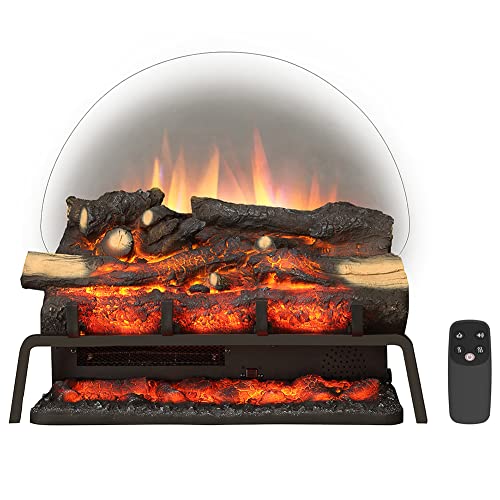
Many homeowners choose an electric insert instead of burning wood. An electric unit eliminates firewood hauling, ash cleanup, and chimney drafts entirely. You can seal your existing chimney damper permanently shut and install an electric fireplace insert for large room heating directly into the cavity. These units slide straight into your brick opening and plug into a standard 120-volt wall outlet. They use internal fan-forced or infrared heaters to warm between 400 and 1,000 square feet of space while drawing about 1,500 watts on high heat. This provides reliable zone warmth right where your family sits without pulling drafts through the rest of the house.
Whenever you retrofit an insert into an old brick fireplace, proper sealing around the perimeter is vital. Installers wrap high-temperature fiberglass insulation strips around the metal surround panels. These thick strips compress against the rough brick masonry to seal every air gap, preventing cold chimney drafts from leaking around the sides of the metal appliance into your living room.
Choose the Right Draft Blocker and Insulating Accessories for Your Setup
Adding draft stoppers and insulation accessories is the fastest, most affordable way to boost comfort around your hearth. Knowing what to measure and what materials to look for ensures you get a tight, safe fit.
Before buying a magnetic draft cover or thermal fireplace blanket, check the material of your fireplace surround. Take a simple kitchen refrigerator magnet and test your fireplace frame. The magnet must stick firmly to the frame for a magnetic cover to work. Magnetic blankets grip iron and steel frames securely, but they will not hold onto bare brick, stone, brass, or aluminum surrounds without special mounting strips.
Measure the width and height of your metal frame carefully before ordering. Choose a cover size that overlaps the opening by at least an inch on all sides so the magnetic edges rest flat against solid metal. If your cover is too small, cold air will slip past the edges and enter your living space. Always confirm that the cover uses flame-resistant fabric, and never attach any cover until your firebox has cooled down completely.
If you already have a fireplace insert or are planning to install one, look for adhesive-backed fiberglass insulation strips. These dense strips stick to the back of the metal surround plate and pack tightly into the rough crevices of old masonry. A quality fiberglass insulation strip creates an airtight barrier that stops drafts and keeps insects and soot odors from entering your home.

- BWP Score9.6
BWP Score is a ranking system developed by Bestwinterproducts.com. BWP score has no relationship or impact from any manufacturers or sales agent websites. Learn more
- BrandPAWBOSE

- BWP Score9.2
BWP Score is a ranking system developed by Bestwinterproducts.com. BWP score has no relationship or impact from any manufacturers or sales agent websites. Learn more
- Brandwhumsdog
- BWP Score9.2
BWP Score is a ranking system developed by Bestwinterproducts.com. BWP score has no relationship or impact from any manufacturers or sales agent websites. Learn more
- Brandwhumsdog

- BWP Score9.2
BWP Score is a ranking system developed by Bestwinterproducts.com. BWP score has no relationship or impact from any manufacturers or sales agent websites. Learn more
- Brandwhumsdog

- BWP Score9.0
BWP Score is a ranking system developed by Bestwinterproducts.com. BWP score has no relationship or impact from any manufacturers or sales agent websites. Learn more
- BrandCreative Publishing International

- BWP Score8.8
BWP Score is a ranking system developed by Bestwinterproducts.com. BWP score has no relationship or impact from any manufacturers or sales agent websites. Learn more
- BrandJUIN
- BWP Score8.8
BWP Score is a ranking system developed by Bestwinterproducts.com. BWP score has no relationship or impact from any manufacturers or sales agent websites. Learn more
- BrandJUIN

- BWP Score8.6
BWP Score is a ranking system developed by Bestwinterproducts.com. BWP score has no relationship or impact from any manufacturers or sales agent websites. Learn more
- BrandRUTLAND PRODUCTS
Last update on 2026-10-02 / Affiliate links / Images, Product Titles, and Product Highlights from Amazon Product Advertising API
FAQs
Why does my living room feel colder when the fireplace is burning?
Your fire pulls huge amounts of warm room air into the firebox and sends it up the chimney flue. That rapid exhaust creates negative air pressure inside your home, which pulls freezing outdoor air in through cracks around windows, doors, and floorboards. If your fireplace lacks sealed doors or an outside air intake, this cold replacement air chills the room faster than the open flames can warm it.
Can I close the damper slightly while burning wood to keep more heat in?
Never close your chimney damper while wood or coals are actively burning. Partially closing the damper restricts the upward draft, which allows dangerous carbon monoxide, soot, and smoke to back up into your living room. The damper must stay fully open whenever a fire is lit, and you should only adjust airflow using the built-in air control vents on your glass doors or insert.
Do magnetic draft covers work on natural brick fireplaces?
Magnetic draft covers only stick to magnetic metals such as steel and cast iron. They will not attach directly to clay brick, stone, slate, or non-magnetic metal frames like brass or aluminum. If you have an all-brick hearth without an iron surround, look for a draft stopper that uses tension rods or adhesive hook-and-loop strips to hold the fabric tight against the masonry.
Will installing glass doors stop cold drafts when the fire is unlit?
Glass doors reduce draft air significantly, but standard doors alone are not completely airtight. Most fireplace glass door assemblies have small gaps between the glass panes and around the outer metal frame for expansion and ventilation. To stop cold air completely when your fireplace is off, close your damper tightly and place an insulated draft cover or blanket directly over the door frame.


12 Best Corner Electric Fireplace 2026: My Ultimate Guide To Pick One

Dimplex Prism Wall Mount Fireplace: Sleek Heat With Modern Flame Style
Best Electric Fireplace Insert for Large Room Heating and Style

Best 40 Inch Electric Fireplace Insert 2026 - Cozy Ambiance with Modern Power
Top 12 Best Quality Electric Fireplace 2026 - Buying Guides

Best Wall Mount Electric Fireplace 2026 for Ultimate Comfort and Style

How to Start Monessen Fireplace: A Step-by-Step Guide

How to Whitewash Rock Fireplace: Simple Steps to Refresh Your Space