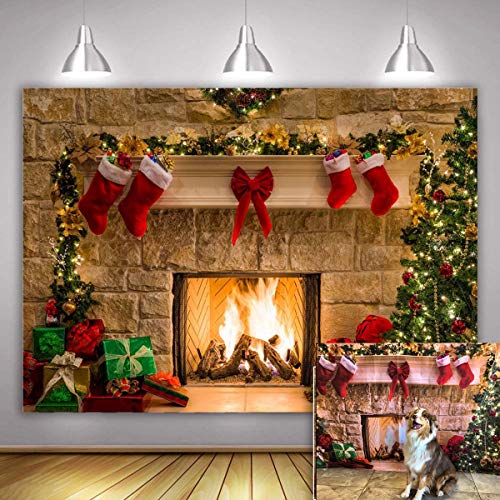
How to Mount TV Over Gas Fireplace the Right Way

Mounting a TV above a gas fireplace sounds sleek, like something straight out of a home design magazine. But once you start planning, questions flood in: Is it safe? Will the heat damage my TV? What about the viewing angle? These aren’t just aesthetic worries, they’re real concerns that can affect your comfort and your television’s lifespan. Homeowners are drawn to the idea of a centralized entertainment space that feels warm and cohesive. Yet, improper installation could lead to overheating, cable damage, or eye strain. That’s why understanding how to balance heat management, mounting height, and wall structure is crucial before drilling the first hole. In this guide, you’ll learn how to mount a TV over a gas fireplace safely without sacrificing beauty or function. We’ll unpack the science behind heat deflection, practical design tricks for better angles, and insider tips to protect your electronics from damage. Whether you’re designing a cozy living room centerpiece or upgrading your family space, you’ll find clear, expert-backed advice to help you get it right the first time. Every decision, from the type of mount you choose to the space between the mantel and screen, plays a huge role in your TV’s performance. So before you reach for the drill, let’s dive into what really makes a fireplace-mounted TV setup both safe and spectacular.
Installing a TV over a gas fireplace feels like the ultimate space-saving move, elegant, efficient, and undeniably modern. But behind that sleek look lies a tricky mix of heat, wiring, and mounting challenges that homeowners often underestimate. The warm glow from your fireplace might set the mood, but it can also fry your TV’s internal components if not done correctly. This guide breaks down every detail of how to mount TV over gas fireplace without risking safety or style. From evaluating wall temperature and choosing the right heat shield or mantel depth, to finding that sweet spot where comfort meets design, we’ll help you strike the perfect balance. You’ll learn why professional installers recommend specific mount types, how to route cables discreetly, and what height adjustments can save your neck and your TV. Whether you’re a DIYer wanting that clean, built-in aesthetic or a homeowner planning a remodel, this resource gives you actionable insight, not fluff. Because at the end of the day, mounting a TV above your gas fireplace isn’t just about looks, it’s about making smart, heat-conscious decisions that keep your living space both safe and stunning.

- BWP Score10.0
BWP Score is a ranking system developed by Bestwinterproducts.com. BWP score has no relationship or impact from any manufacturers or sales agent websites. Learn more
- BrandMount-It!

- BWP Score9.2
BWP Score is a ranking system developed by Bestwinterproducts.com. BWP score has no relationship or impact from any manufacturers or sales agent websites. Learn more
- BrandMantelMount
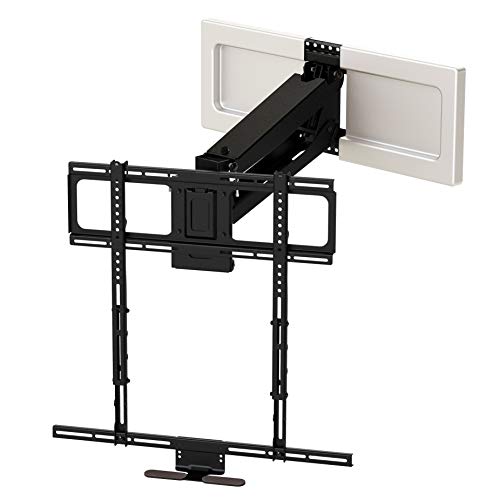
- BWP Score9.0
BWP Score is a ranking system developed by Bestwinterproducts.com. BWP score has no relationship or impact from any manufacturers or sales agent websites. Learn more
- BrandMantelMount
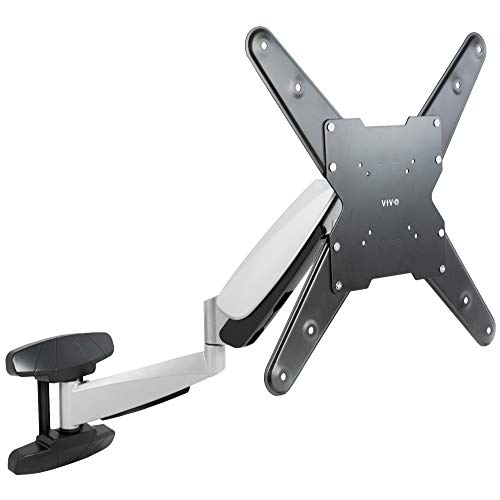
- BWP Score8.8
BWP Score is a ranking system developed by Bestwinterproducts.com. BWP score has no relationship or impact from any manufacturers or sales agent websites. Learn more
- BrandVIVO

- BWP Score8.2
BWP Score is a ranking system developed by Bestwinterproducts.com. BWP score has no relationship or impact from any manufacturers or sales agent websites. Learn more
- BrandMonoprice
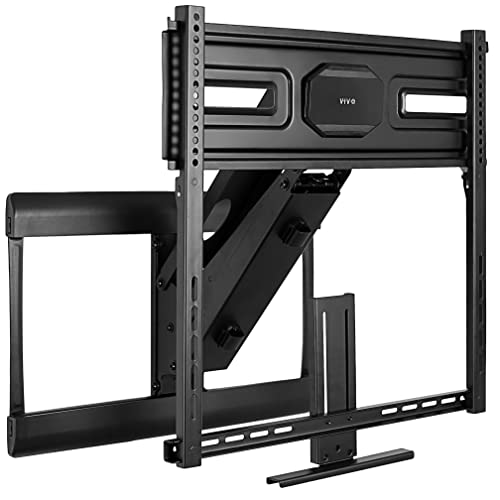
- BWP Score8.0
BWP Score is a ranking system developed by Bestwinterproducts.com. BWP score has no relationship or impact from any manufacturers or sales agent websites. Learn more
- BrandVIVO

- BWP Score7.0
BWP Score is a ranking system developed by Bestwinterproducts.com. BWP score has no relationship or impact from any manufacturers or sales agent websites. Learn more
- BrandAlturas Mounts

- BWP Score-
BWP Score is a ranking system developed by Bestwinterproducts.com. BWP score has no relationship or impact from any manufacturers or sales agent websites. Learn more
- BrandN/A

- BWP Score-
BWP Score is a ranking system developed by Bestwinterproducts.com. BWP score has no relationship or impact from any manufacturers or sales agent websites. Learn more
- BrandIMtKotW
Last update on 2023-10-16 / Affiliate links / Images, Product Titles, and Product Highlights from Amazon Product Advertising API
Before you grab your tools, take a step back, because safety is the first and most critical step when it comes to how to mount TV over gas fireplace. The charm of having your television above the dancing flames is undeniable, but the heat exposure can be devastating if ignored. High temperatures can warp screens, melt wiring, or shorten the lifespan of expensive electronics. Manufacturers usually recommend keeping TVs in environments where the temperature doesn’t exceed 100°F (38°C), yet areas above fireplaces can easily surpass that.
Homeowners often underestimate heat transfer from rising convection currents. Even if the wall feels warm but not scorching, prolonged exposure adds up. Before drilling any holes, use a surface thermometer to measure heat levels after running your fireplace for an hour. If it climbs too high, you’ll need a heat shield or to lower your mounting position. Many professionals suggest maintaining at least 12 inches of clearance above the mantel to minimize risk.
Beyond heat, ventilation and wiring are other big players. Without proper cable management, wires can fray or melt behind the wall. Always use heat-resistant conduits and UL-rated cables when installing near a gas source. If you’re unsure, consulting a certified installer can prevent future headaches. Remember, this isn’t just about aesthetics, it’s about preserving your investment and keeping your family safe.
A simple but often overlooked trick is the candle test: light a candle where you plan to mount the TV and observe the flame. If it flickers dramatically upward, it’s a sign of excessive heat flow, meaning your fireplace might need a mantel deflector or insulation panel to redirect warmth. The goal isn’t just mounting, it’s creating a functional, durable setup that merges safety with elegance.
Mounting a TV over a gas fireplace is not a “one-mount-fits-all” scenario. Each setup demands a specific type of mount designed for both strength and flexibility. The most recommended option is a tilt-or-pull-down mount, which allows you to adjust viewing angles and protect your neck during long movie sessions. Fixed mounts might look clean but can force you to crane your neck, causing discomfort over time.
Weight capacity is a critical metric. Don’t rely on guesswork, always match your mount to the TV’s size and weight rating. A small miscalculation could lead to a costly collapse. High-quality mounts use solid steel construction and reinforced wall plates that can handle higher heat conditions. If your fireplace wall is stone or brick, use masonry anchors for extra stability.
Cable management also plays a major role in both appearance and safety. Look for mounts with built-in cable channels to keep wires neatly tucked away, preventing exposure to heat. This not only enhances your aesthetic but also reduces the risk of melting or fire hazards. Some advanced brackets come with magnetic covers or quick-release arms, small details that make maintenance easier later on.
Mounts that extend outward give you breathing room to install heat barriers behind your TV, a feature that’s often overlooked. Even a one-inch air gap between the screen and the wall can significantly lower heat exposure. Choosing the right mount isn’t about over-engineering; it’s about combining functionality, durability, and comfort for years of worry-free viewing.
The biggest enemy of any electronic device is heat, and that’s especially true when you’re learning how to mount TV over gas fireplace. Installing heat deflectors or mantel shields is one of the smartest investments you can make. These barriers redirect rising heat away from your TV, keeping the temperature underneath safe and steady.
Many homeowners opt for a floating mantel shelf made of solid wood, tempered glass, or stone to serve as a buffer. The key is to extend the mantel at least 6–8 inches beyond the fireplace opening to create a strong thermal break. You can also install metal heat deflectors or even refractory panels that distribute hot air sideways instead of straight up.
Another tip is using heat-resistant paint or ceramic tiles above your fireplace to insulate the wall. For modern setups, vented enclosures with small fans can dissipate heat efficiently. These subtle engineering touches transform a risky installation into a reliable entertainment hub.
One overlooked yet powerful hack is combining a mantel shield with a slim tilt mount. This duo helps maintain the ideal viewing height while ensuring the heat never gets too close. By taking heat management seriously, you’re not only protecting your TV but also extending its life, and that means more cozy movie nights without worry.
A common mistake people make is mounting their TV too high, just because it looks good centered above the fireplace. But comfort trumps symmetry. The optimal viewing height is typically at eye level when seated, which is about 42 inches from the floor to the screen’s center for most living rooms.
If your fireplace design forces you to go higher, consider a tilting or articulating mount. This allows you to angle the screen downward, reducing glare and preventing neck strain. Experts suggest keeping a 15- to 20-degree tilt for TVs mounted above 55 inches. The difference may seem small, but your posture will thank you during those Netflix marathons.
Take note of room layout and seating distance too. For example, a 65-inch TV should ideally be 8 to 10 feet away from the viewing area. Sitting closer can accentuate motion blur and heat discomfort from the fireplace. Use painter’s tape to mark your mount position first, visualizing the setup can prevent irreversible drilling mistakes.
Finally, don’t let style override practicality. A perfectly centered TV may look pleasing but could lead to eye fatigue if placed too high. Always prioritize comfort, visibility, and alignment over trends. A few inches lower might make your setup look unconventional, but your body and TV longevity will thank you.
The hidden danger behind a fireplace-mounted TV isn’t just in the heat, it’s in the wiring behind the wall. Electrical cables and HDMI cords can degrade or even melt if not properly protected. That’s why heat-resistant conduit tubes and rated cable sleeves are essential for installations above gas fireplaces.
Always choose CL2- or CL3-rated HDMI cables, which are designed to withstand higher temperatures. These not only ensure signal stability but also reduce the risk of short circuits. If your TV needs extra power, run a dedicated outlet behind the mounting area instead of using an extension cord. Extension cords near fireplaces are not just unsafe, they’re fire hazards waiting to happen.
Concealed raceways can keep your setup looking clean while doubling as heat shields. Many premium mounts offer integrated wire channels to avoid clutter and overheating. Even better, using fiberglass insulation or fire-retardant backplates can enhance both safety and aesthetics.
For smart homes, add a temperature sensor near your TV to monitor heat levels automatically. This small step helps detect risks early and protects your investment. Because at the end of the day, great design means nothing if your setup isn’t safe and reliable.Mounting a TV above your gas fireplace isn’t just about the technical steps, it’s also about blending design with function. The key is to make the setup feel like it naturally belongs there, not like it was forced into the space. Many homeowners make the mistake of prioritizing looks over safety, but a truly beautiful installation balances visual harmony, comfort, and heat protection.
One practical approach is to align the TV size and shape with your fireplace proportions. A fireplace that’s wider than the TV creates an elegant, grounded aesthetic, while matching sizes can feel too top-heavy. You can also play with texture and contrast, for example, pairing a matte black TV with a white stone surround can make both elements stand out.
Adding accent lighting above or around the mantel helps reduce glare and provides a soft visual balance. LED strips behind the TV create a subtle halo effect, which not only looks modern but also eases eye strain during dark viewing. When done right, your living room becomes a cohesive entertainment zone, radiating warmth and sophistication at once.
If you’re going for a rustic or minimalist vibe, opt for hidden wiring systems and flush-mount designs to keep things seamless. A good design doesn’t scream for attention, it quietly impresses. And when that design meets functional engineering, you’ll have a setup that looks timeless and performs flawlessly.
Even the most careful DIYers face issues when figuring out how to mount TV over gas fireplace. One of the most common problems is overheating, followed by poor viewing angles and unsightly cable clutter. Luckily, all of these can be fixed with some smart adjustments and patience.
If your TV feels too hot after extended fireplace use, install an air deflector or mantel shelf extension to push heat away. A clip-on heat shield or magnetic barrier can make a huge difference without major remodeling. For wiring, consider adding a recessed outlet box behind the mount, this hides plugs and reduces the strain on cables.
Another frequent issue is mounting too high, causing neck strain and image distortion. If this happens, swap your fixed mount for a pull-down or tilting arm. It may cost a bit more, but the ergonomic comfort is worth every penny. Always remember: your setup should work for you, not the other way around.
A crooked mount is another frustration. Use a laser level or TV wall template before drilling to ensure perfect alignment. Many new mounts include self-leveling brackets, a small innovation that saves hours of rework. The difference between an amateur look and a professional finish often comes down to these tiny precision details.
Sometimes, mounting a TV directly above the fireplace isn’t the ideal move, especially in compact or modern homes. But don’t worry; you’ve got creative alternatives that preserve both safety and aesthetics. Consider installing the TV on an adjacent accent wall, paired with a swivel mount so it can still face the seating area when needed.
For smaller spaces, corner-mounted designs work wonders. They open up the room, give you better sightlines, and reduce heat exposure. Another growing trend is using frame-style TVs, like Samsung’s “The Frame,” which blend into wall art when not in use. This approach maintains that luxurious fireplace vibe without compromising practicality.
If you’re remodeling, think about integrating a recessed niche above the fireplace. This setup creates a custom-built look and naturally shelters the TV from heat. Just make sure there’s adequate ventilation and use fire-rated drywall for extra protection. The goal here is not just saving space, it’s curating a living area that feels intentional, balanced, and long-lasting.
By looking at your room’s layout and proportions, you can make smarter choices that enhance comfort and reduce clutter. Not every wall needs a screen, and not every fireplace needs a TV, but when they do coexist, placement strategy and proportion make all the difference.
There’s a fine line between confidence and carelessness when it comes to mounting a TV over a gas fireplace. While DIY enthusiasts love a good challenge, professional installers bring expertise, precision, and the right tools to the table. So, how do you decide which route to take?
If you have basic carpentry skills, the right drill, and a good mount, a DIY install might be perfectly safe. However, if your fireplace has complex venting, stonework, or hidden gas lines, it’s best to call in the pros. A licensed technician can assess heat flow, wiring layout, and wall stability before making any cuts. That kind of foresight often prevents costly damage down the road.
Hiring professionals also gives you access to custom cable routing, concealed wiring systems, and proper insulation techniques. They know where to drill, and more importantly, where not to. Yes, it might cost more upfront, but it saves your TV and your sanity in the long run.
For homeowners who love learning, you can still be part of the process. Ask the installer to explain each step so you can maintain the setup confidently in the future. Whether DIY or professional, the secret to success is simple: respect the heat, respect the structure, and respect the technology.
After the installation’s done, the real work begins, maintenance. Keeping your setup in good shape ensures not just performance but also long-term safety. Start by routinely checking for dust buildup, especially around vents and behind the TV. Dust combined with heat can be a silent killer for electronics.
Run your fireplace for short intervals during testing periods, and monitor the wall temperature regularly with a digital thermometer. If you notice any unusual warmth or screen flickering, it might be time to readjust or add more insulation.
Also, make sure to clean cables and ports twice a year. Loose or corroded connectors can cause signal drops and even sparks in extreme cases. Don’t forget your remote sensor, soot from gas fireplaces can obscure it over time. Keeping these small details in check adds years to your entertainment system’s life.
.jpg)
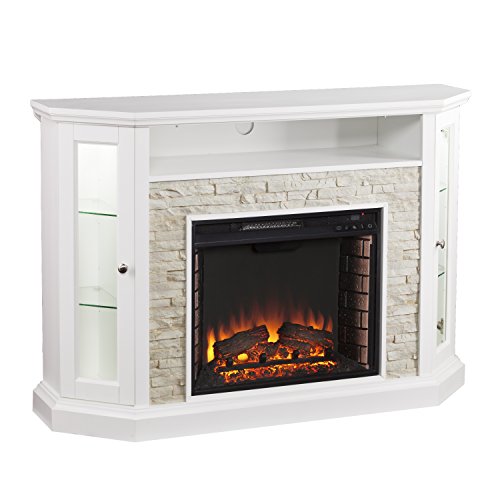
12 Best Corner Electric Fireplace 2026: My Ultimate Guide To Pick One
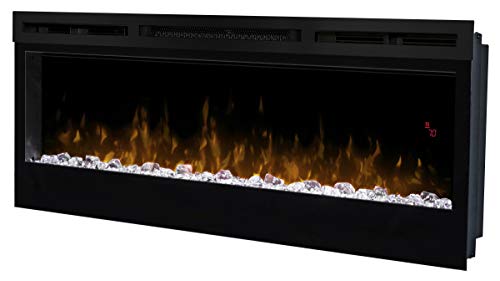
Dimplex Prism Wall Mount Fireplace: Sleek Heat With Modern Flame Style
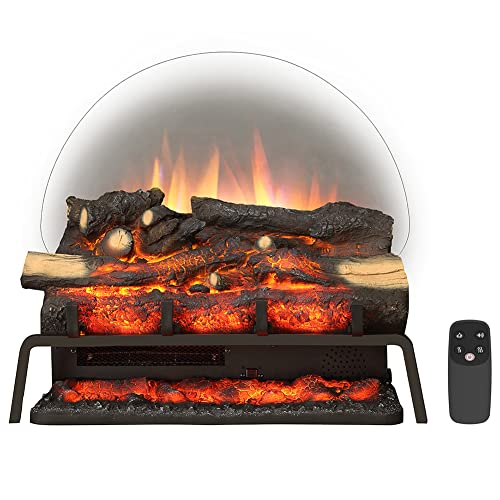
Best Electric Fireplace Insert for Large Room Heating and Style

Best 40 Inch Electric Fireplace Insert 2026 - Cozy Ambiance with Modern Power
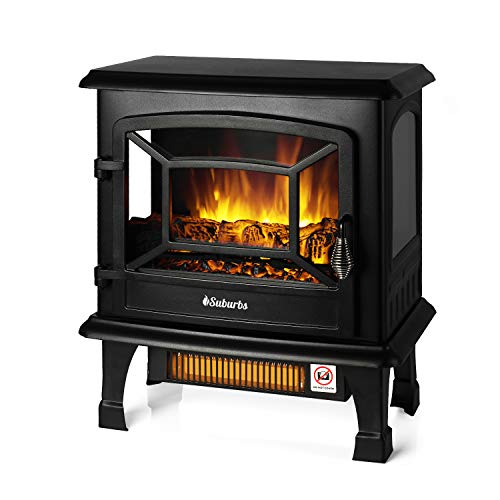
Top 12 Best Quality Electric Fireplace 2026 - Buying Guides

Best Wall Mount Electric Fireplace 2026 for Ultimate Comfort and Style

How to Start Monessen Fireplace: A Step-by-Step Guide

How to Whitewash Rock Fireplace: Simple Steps to Refresh Your Space