How to Open Fireplace Damper Without Guesswork

How to open fireplace damper sounds simple until you’re staring into a dark firebox, tugging at a stubborn handle, and wondering whether anything actually moved. The damper controls the passage between the firebox and chimney, so its position affects smoke flow, draft strength, heat loss, and indoor air quality. Lighting wood with the damper closed can push smoke, soot, and combustion gases straight back into the room. That’s why checking the mechanism before striking a match isn’t busywork; it’s the step that keeps the whole process from going sideways.
Start with a cold fireplace and look just above the firebox opening. Many traditional fireplaces use a metal lever, handle, knob, chain, or sliding control near the top of the opening, while some chimney-top dampers use a cable mounted along the side wall. Move the control slowly and listen for a metal plate shifting overhead. A throat damper usually opens when the plate tilts away from the chimney passage, although the exact handle direction varies from one fireplace to another.
Visual confirmation helps, but the inside of a chimney can be dim and coated with soot. Shine a flashlight upward and look for an open passage rather than a flat metal plate blocking the flue. You can also place your hand near the upper firebox, without reaching into the flue, and feel for a cool downward draft or gentle upward pull. A small piece of tissue held near the opening may flutter toward the chimney once the flue begins drawing air.
Cold chimneys sometimes create a pocket of dense air that sinks into the room, even with the damper fully open. This reverse draft can make the first puff of smoke roll outward, which is frustrating and, frankly, messy. Warming the flue with a tightly rolled sheet of newspaper held near the upper firebox can help establish upward airflow before the main fire starts. Keep the flame away from creosote deposits, curtains, decorations, and anything else that could catch unexpectedly.
A damper that won’t move may be rusted, warped, blocked by debris, or jammed by heavy soot buildup. Don’t yank the handle hard enough to bend the linkage because a small stuck part can turn into a costly repair. Stop using the fireplace if the control feels loose, disconnected, or frozen in place, and have the damper assembly and chimney inspected. Birds’ nests, fallen masonry, and creosote can restrict airflow even when the plate appears open.
Once the damper is open and the draft is moving upward, build a modest fire rather than piling in a large stack of wood. Watch the first flames closely and confirm that smoke rises cleanly into the chimney. If smoke spills into the room, put the fire out safely, improve ventilation, and check the damper position again. Never close the damper while flames, glowing embers, or hot coals remain because carbon monoxide can build up without obvious warning.
Leave the damper open until the ashes are completely cool and no ember is producing heat. Closing it afterward helps reduce unwanted drafts and keeps conditioned indoor air from escaping through the chimney. Still, a closed damper isn’t a substitute for a sealed fireplace door or a well-fitted chimney cap. Safe airflow, patient observation, and regular cleaning matter far more than forcing a control and hoping for the best.

- BWP Score10.0
BWP Score is a ranking system developed by Bestwinterproducts.com. BWP score has no relationship or impact from any manufacturers or sales agent websites. Learn more
- BrandMinuteman International

- BWP Score9.6
BWP Score is a ranking system developed by Bestwinterproducts.com. BWP score has no relationship or impact from any manufacturers or sales agent websites. Learn more
- BrandUpper Deck

- BWP Score9.4
BWP Score is a ranking system developed by Bestwinterproducts.com. BWP score has no relationship or impact from any manufacturers or sales agent websites. Learn more
- BrandMinuteman International

- BWP Score9.4
BWP Score is a ranking system developed by Bestwinterproducts.com. BWP score has no relationship or impact from any manufacturers or sales agent websites. Learn more
- BrandUpper Deck

- BWP Score9.2
BWP Score is a ranking system developed by Bestwinterproducts.com. BWP score has no relationship or impact from any manufacturers or sales agent websites. Learn more
- BrandVKQ

- BWP Score9.2
BWP Score is a ranking system developed by Bestwinterproducts.com. BWP score has no relationship or impact from any manufacturers or sales agent websites. Learn more
- BrandMidwest Hearth

- BWP Score9.0
BWP Score is a ranking system developed by Bestwinterproducts.com. BWP score has no relationship or impact from any manufacturers or sales agent websites. Learn more
- BrandN/A

- BWP Score9.0
BWP Score is a ranking system developed by Bestwinterproducts.com. BWP score has no relationship or impact from any manufacturers or sales agent websites. Learn more
- BrandUD

- BWP Score8.8
BWP Score is a ranking system developed by Bestwinterproducts.com. BWP score has no relationship or impact from any manufacturers or sales agent websites. Learn more
- BrandTG,LLC

- BWP Score7.4
BWP Score is a ranking system developed by Bestwinterproducts.com. BWP score has no relationship or impact from any manufacturers or sales agent websites. Learn more
- BrandSaillong
Last update on 2026-07-30 / Affiliate links / Images, Product Titles, and Product Highlights from Amazon Product Advertising API
How To Open A Fireplace Damper Safely
A living room can turn smoky fast when the fire is lit before the chimney has a clear path. That little metal plate above the firebox controls whether smoke rises outdoors or rolls back across the hearth, yet its handle often feels vague, stiff, or completely unfamiliar. Learning how to open fireplace damper controls starts with identifying the mechanism, checking its movement, and confirming the draft before any wood catches fire. A few deliberate checks protect indoor air quality, reduce soot stains, and spare everyone from scrambling to open windows after the first puff of smoke.
Open The Damper Safely
Start with a fireplace that is cold, empty, and free of glowing embers. Remove the screen or move it aside so you can see the upper section of the firebox without leaning against soot-covered surfaces. Use a flashlight to inspect the area just above the opening, where many traditional throat dampers sit. The control may look like a small lever, a rotating handle, a sliding rod, or a metal loop attached to a chain.
Move the control slowly instead of forcing it through resistance. A working throat damper usually makes a dull scraping or clanking sound as the metal plate tilts upward and exposes the flue. The exact direction varies, so “left means open” or “push means open” isn’t a dependable rule for every fireplace. Watch the plate while moving the handle and use visible movement, not guesswork, to identify the open position.
Some fireplaces use a top-sealing damper rather than a plate directly above the firebox. These systems often have a cable running down the chimney and a handle mounted on the side wall inside the firebox. Pulling and securing the cable may open the cap at the top of the chimney, while releasing it may close the seal. Look for tension in the cable and listen for movement above, but don’t tug hard enough to damage the latch.
Keep your face away from the flue while inspecting it. Loose soot, bits of mortar, or nesting debris can fall without warning, especially in a fireplace that hasn’t been used for months. Wear gloves if the control is coated with soot or has sharp edges. A stubborn mechanism deserves patience because damper hardware can bend, and a bent linkage may leave the plate partly closed even after the handle appears to move.
Identify The Damper Control
A handle positioned near the center of the upper firebox often controls a traditional throat damper. It may slide forward and backward, rotate through several notches, or lift into a slot. Years of soot can hide the marks that once showed “open” and “closed,” so old labels aren’t always available. The most reliable clue is the position of the damper plate above the handle.
Rotary controls are commonly mounted on the fireplace face or just inside the opening. Turning the knob moves a threaded rod that raises or lowers the metal plate. Rotate it in small increments and pause to listen for a change in airflow. If the knob spins freely without resistance, the linkage may be disconnected and should be inspected before the fireplace is used.
Chain-operated controls need a slightly different touch. One chain position may hold the damper open, while another notch or hook releases it into the closed position. Test the chain only while the fireplace is cool, and keep track of which notch creates the widest opening. A chain that hangs loose, won’t latch, or suddenly drops can signal worn hardware inside the chimney.
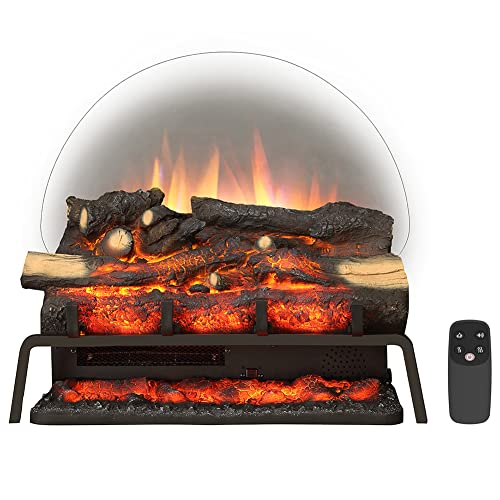
Decorative electric units may have no functional chimney damper at all, which matters when the fireplace opening has been repurposed. To create flame effects without managing a wood-burning flue, consider electric fireplace logs that fit inside an existing firebox. That option avoids smoke and ash, though the old chimney opening should still be sealed correctly to prevent drafts. A real wood or gas fire, by contrast, always requires the venting system recommended for that appliance.
Confirm The Flue Is Actually Open
Seeing the handle in a familiar position isn’t enough because a warped plate can remain partly closed. Shine a strong flashlight upward and look for a dark, open passage into the chimney. A closed throat damper often appears as a flat metal surface blocking most of the view. An open one should expose a larger gap, although the angle and visibility depend on the fireplace design.
Use airflow as a second check. Hold a thin piece of tissue near the upper front of the firebox and watch whether it pulls gently toward the chimney. Don’t stick paper deep inside the flue or use a large flame for this test. A consistent upward movement suggests working chimney draft, while air blowing into the room points to a cold or reversed draft.
Odor can also reveal trouble. A strong smoky or musty smell entering the room may indicate that outdoor air is moving down the chimney. This commonly happens when the chimney is colder than the indoor air or when exhaust fans create negative pressure inside the house. Open a nearby window slightly and turn off strong kitchen or bathroom fans to help restore balanced indoor pressure.
A mirror can help with awkward viewing angles, but keep it secure and away from rough masonry. Position it near the upper firebox and aim the flashlight toward the damper plate rather than reaching your arm into the chimney. Thick creosote, fallen brick fragments, or animal nesting material can still block the passage after the plate opens. A clear plate position must be paired with a clear flue path before lighting anything.
Warm A Cold Chimney Draft
Cold air inside the chimney is dense and may sink toward the firebox. That downward column can overpower the weak heat from a newly lit match, sending smoke into the room before the fire grows. The problem is common in exterior chimneys exposed to winter temperatures. Warming the flue first helps create upward air movement before the main fire begins.
Roll a sheet of plain newspaper into a narrow torch, light the end, and hold it carefully near the upper firebox for a brief period. The goal is to warm the air near the flue entrance, not to set soot deposits on fire. Keep the burning paper under control and away from your sleeves, hair, decorations, and the fireplace screen. Once smoke from the paper starts rising steadily, the draft direction has likely shifted.
A hair dryer set to warm air can provide another option if it can be used without placing the appliance near ash, moisture, or open flame. Direct the warm airflow upward for a short period while the damper is fully open. Keep the cord away from the hearth and remove the dryer before lighting the fire. This method can be useful for people who dislike holding burning newspaper near the flue, but electrical safety still comes first.
Gas fireplaces follow different startup rules and may rely on sealed combustion, direct venting, or a dedicated flue. Never use a newspaper torch around gas controls, pilot assemblies, or areas where gas odor is present. Follow the appliance instructions and stop immediately if you smell gas. The correct procedure depends on the unit because gas venting systems aren’t interchangeable with traditional wood-burning setups.
Build A Fire That Supports Clean Draft
A fully open damper can’t compensate for a fire built with wet wood and poor airflow. Start with dry kindling and a small amount of seasoned firewood arranged loosely enough for air to circulate. Dense piles tend to smolder, creating more smoke than the chimney can pull upward during startup. A modest first fire produces cleaner, hotter combustion and gives the draft time to strengthen.
Place the initial fuel toward the center or slightly back from the fireplace opening. Smoke released too close to the room can spill outward before it reaches the upward draft. Avoid cramming logs against the back wall or stacking them so high that flames approach the damper hardware. Good spacing helps the fire breathe and reduces heavy smoke during ignition.
Watch the smoke during the first few minutes. It should rise toward the flue rather than curl along the top of the opening and drift into the room. If smoke spills outward, stop adding fuel, open a nearby window, and verify the damper again. A smoky startup is a warning about draft, fuel moisture, or blockage, not something to ignore until the room clears.
Some households want the look of a built-in fire without storing wood, carrying ash, or managing chimney draft. For a cleaner visual setup, compare a LED fireplace insert designed for an existing opening. It won’t replace the heat output or scent of a wood fire, but it removes the need to open a damper for decorative flame effects. The tradeoff is a different kind of experience, with simpler upkeep but less traditional fire behavior.
Avoid Common Damper Mistakes
Closing the damper too early is one of the most dangerous mistakes. Flames may be gone while embers continue producing carbon monoxide and smoke for hours. Leave the damper open until the firebox is completely cold and no glowing material remains. A layer of gray ash can hide hot coals underneath, so appearance alone isn’t enough.
Forcing a stuck handle creates another problem. Rust, heat distortion, debris, or a damaged linkage may prevent normal movement, and extra pressure can snap the control. Stop if the mechanism grinds, bends, or feels disconnected. A chimney professional can inspect the assembly without turning a minor jam into a broken damper system.
Assuming every fireplace works the same can also lead to trouble. A masonry fireplace, factory-built metal fireplace, direct-vent gas unit, and top-sealing chimney damper all use different controls. Check the appliance label or manual when available. Old habits from a previous home shouldn’t replace model-specific operating instructions.
Leaving the damper open year-round wastes conditioned air and can invite outdoor odors into the room. Close it only after the fireplace is fully cold, then confirm that the plate seals as well as its design allows. A worn throat damper may still leak even in the closed position. Top-sealing dampers and fitted fireplace doors can reduce drafts, but installation should match the chimney structure.
Know When The Chimney Needs Service
Black flakes, tar-like deposits, or thick glazed material inside the firebox or flue point to creosote buildup. Creosote forms as smoke cools and condenses, and it can ignite under high heat. Opening the damper doesn’t remove this hazard. Schedule cleaning when buildup is visible or when a qualified inspection recommends it because chimney fires can spread beyond the flue.
Animal sounds, nesting material, leaves, and unusual debris require attention before the fireplace is lit. Birds and small animals often enter through damaged or missing chimney caps. Never try to smoke them out. A blocked chimney can force combustion gases indoors, so safe removal and cap repair should happen first.
Water stains, crumbling mortar, and rust around the damper signal moisture problems. Rain entering through a damaged crown, flashing, or cap can corrode metal parts and weaken masonry. The damper may become harder to move long before the leak is obvious elsewhere. Repairing the moisture source protects both the control mechanism and chimney walls.
A fireplace that repeatedly smokes despite dry wood, an open damper, and a warmed flue needs a professional assessment. Chimney height, flue size, house pressure, nearby trees, and structural changes can all affect draft. The fix might involve cleaning, repair, or changes to the air supply rather than a stronger fire. Persistent smoke should be treated as a venting failure, not a normal quirk.
Manage Heat Without Creating New Problems
A wood fire can warm the immediate room while pulling heated household air up the chimney. That tradeoff surprises people who expect the entire house to feel warmer. Keep doors positioned thoughtfully and avoid running exhaust fans that compete with the chimney. Controlled airflow supports steadier draft and more predictable comfort.
Fireplace doors can reduce sparks and limit room air entering the firebox, but their operating instructions vary. Some doors must stay open while a wood fire burns because closed glass may overheat or restrict airflow. Screens should remain in place to catch popping embers. Follow the door manufacturer’s guidance rather than assuming closed glass always improves efficiency.
Hot water demand creates a separate household comfort problem that a fireplace can’t solve. To reduce delays during simultaneous showers and sink use, evaluate an electric tankless water heater for large family based on electrical capacity and required flow rate. This is a separate system from the fireplace, so it shouldn’t be presented as part of chimney operation. It may address another winter frustration, but panel capacity and professional sizing matter before installation.
Never burn painted lumber, glossy paper, plastic, trash, or treated wood to create more heat. These materials can release harmful fumes and leave deposits that damage the chimney. Stick with properly seasoned firewood suited to the appliance. Clean fuel, an open damper, and steady airflow produce a safer and more manageable fire.
Common Fireplace Damper Problems And Practical Fixes
A damper that refuses to cooperate can turn a relaxing evening into a frustrating cleanup session. Even after checking that the handle has moved, smoke may still drift into the room because draft conditions, chimney cleanliness, or damper alignment aren't working together. Small warning signs often appear long before a complete failure, so paying attention early helps avoid bigger repairs later.
Many homeowners assume the damper itself is always the problem, yet the real cause may be hidden farther up the chimney. Creosote buildup, nesting birds, damaged chimney caps, or loose masonry can reduce airflow even though the damper appears fully open. Taking a few extra minutes to inspect visible areas often saves hours of frustration.
Routine maintenance isn't complicated, but consistency matters. A clean chimney, dry firewood, and a properly operating damper create a much more predictable burn. Those simple habits improve fireplace safety, reduce smoke, and help every fire start with far fewer surprises.
Recognize Early Warning Signs
Smoke lingering near the fireplace


12 Best Corner Electric Fireplace 2026: My Ultimate Guide To Pick One

Dimplex Prism Wall Mount Fireplace: Sleek Heat With Modern Flame Style
Best Electric Fireplace Insert for Large Room Heating and Style

Best 40 Inch Electric Fireplace Insert 2026 - Cozy Ambiance with Modern Power
Top 12 Best Quality Electric Fireplace 2026 - Buying Guides

Best Wall Mount Electric Fireplace 2026 for Ultimate Comfort and Style

How to Start Monessen Fireplace: A Step-by-Step Guide

How to Whitewash Rock Fireplace: Simple Steps to Refresh Your Space