How to Put a Fireplace Fire Out Safely

Ending a cozy night by the fire shouldn’t turn into a stressful cleanup. Learning how to put a fireplace fire out properly is more than just dousing the flames , it’s about ensuring your home’s safety, your air quality, and your fireplace’s longevity. Many homeowners make the mistake of smothering embers too soon or using the wrong method, leading to lingering heat, smoke damage, or even accidental re-ignition. The goal isn’t just to extinguish the flames , it’s to cool the embers, eliminate oxygen sources, and protect your chimney from soot buildup. Using water may seem quick, but it’s risky: rapid cooling can crack fireplace bricks and create excessive steam that damages interiors. Instead, professionals recommend spreading the embers, using fireplace tools to separate logs, and covering them with ash or sand to stifle oxygen. Once cooled, closing the damper properly helps seal off airflow and prevents smoke from drifting back indoors. By learning how to put a fireplace fire out the right way, you’ll save time, money, and future headaches , no more smoke smell lingering for days or scorched grates to replace. This guide will show you not only how to do it safely, but also how to maintain your fireplace for cleaner burns and longer life, making every cozy night a worry-free experience.
There’s something deeply comforting about the crackle of wood and the gentle warmth of a glowing hearth. But as the night winds down, one question often crosses your mind , how to put a fireplace fire out safely and completely. It might look easy, yet doing it wrong can spell disaster. Too much haste, and you risk damaging your fireplace, filling your home with smoke, or even sparking a hidden ember fire hours later. Most people don’t realize that the safest way to end a fire isn’t to splash it with water, but to manage airflow and temperature gradually. With the right method, you can cool embers efficiently, prevent carbon monoxide leaks, and keep your fireplace in top shape for the next use. This isn’t just about safety , it’s about creating a mindful routine that protects your home and gives peace of mind. In the following sections, you’ll learn how to take control of your fireplace the way seasoned homeowners do , with patience, awareness, and respect for fire’s unpredictable nature. By the time you’re done, you’ll know exactly how to put a fireplace fire out without anxiety or risk, so you can sleep soundly knowing the last ember has truly faded.
- BWP Score9.6
BWP Score is a ranking system developed by Bestwinterproducts.com. BWP score has no relationship or impact from any manufacturers or sales agent websites. Learn more
- Brandchipswan

- BWP Score9.6
BWP Score is a ranking system developed by Bestwinterproducts.com. BWP score has no relationship or impact from any manufacturers or sales agent websites. Learn more
- BrandR&B Goods LLC
- BWP Score9.2
BWP Score is a ranking system developed by Bestwinterproducts.com. BWP score has no relationship or impact from any manufacturers or sales agent websites. Learn more
- BrandMagical Flames

- BWP Score9.2
BWP Score is a ranking system developed by Bestwinterproducts.com. BWP score has no relationship or impact from any manufacturers or sales agent websites. Learn more
- BrandAGM

- BWP Score9.2
BWP Score is a ranking system developed by Bestwinterproducts.com. BWP score has no relationship or impact from any manufacturers or sales agent websites. Learn more
- BrandMystical Fire

- BWP Score9.0
BWP Score is a ranking system developed by Bestwinterproducts.com. BWP score has no relationship or impact from any manufacturers or sales agent websites. Learn more
- BrandSTEELEOPARD

- BWP Score8.8
BWP Score is a ranking system developed by Bestwinterproducts.com. BWP score has no relationship or impact from any manufacturers or sales agent websites. Learn more
- BrandTURBRO

- BWP Score8.8
BWP Score is a ranking system developed by Bestwinterproducts.com. BWP score has no relationship or impact from any manufacturers or sales agent websites. Learn more
- BrandART TO REAL
- BWP Score8.2
BWP Score is a ranking system developed by Bestwinterproducts.com. BWP score has no relationship or impact from any manufacturers or sales agent websites. Learn more
- BrandIBS

- BWP Score6.6
BWP Score is a ranking system developed by Bestwinterproducts.com. BWP score has no relationship or impact from any manufacturers or sales agent websites. Learn more
- BrandSkypatio
Last update on 2023-09-15 / Affiliate links / Images, Product Titles, and Product Highlights from Amazon Product Advertising API
For many homeowners, the fireplace is more than just a source of warmth, it’s the heart of the home, where families gather, relax, and unwind. But what happens when the cozy glow fades, and you need to safely extinguish the fire? This step is often overlooked, and that’s where problems begin. Leaving embers unattended or extinguishing them incorrectly can lead to smoke damage, dangerous carbon monoxide buildup, or even a rekindled fire hours later.
Most people think they can just let the flames die naturally. However, that approach often leaves hot coals burning beneath the ashes, posing hidden risks. Learning how to put a fireplace fire out properly means knowing the right sequence, starving the fire of oxygen, cooling the embers, and closing the damper only at the right time. These steps not only protect your property but also prolong the life of your fireplace and chimney system.
A report by the U.S. Fire Administration reveals that nearly 36% of house fires linked to fireplaces start because of improper extinguishing. That number alone makes it clear: putting out a fire the right way isn’t just a chore, it’s a critical safety habit every homeowner should master.
Beyond safety, knowing how to do it correctly brings peace of mind. There’s nothing worse than lying in bed, hearing a crackle from the hearth, and wondering if you truly put it out. With the right approach, you can relax, confident that every ember is cold and every spark is gone.
The first step in how to put a fireplace fire out safely is to stop thinking of it as one big flame. Instead, focus on the smaller pieces feeding it, the embers and coals. When you spread them apart using a fire poker or shovel, you increase the surface area, which helps them cool faster and lose heat evenly.
This step is crucial because clumped embers can retain heat for hours, even when they appear dim. A single glowing coal can reach temperatures over 1,000°F, enough to reignite leftover wood or sparks. By flattening the pile, you allow the fire to cool down naturally without shocking it with water, preventing cracks in your fireplace’s masonry.
Many experienced homeowners also use a metal rake or fireplace tongs to reposition the logs. The goal is to break the structure of the fire, separating large chunks from glowing coals, and make it lose its fuel source. Safety gloves are essential here; even a brief touch from a fallen ember can cause serious burns.
If your fireplace has a grate, lift or tilt it slightly to expose more embers to air for faster cooling. Remember, the less oxygen and structure the fire has, the faster it dies. Never leave the room until all visible flames have disappeared completely.
After the fire has lost its flame, the next step is to smother the embers. You don’t need fancy tools, just use fireplace ash or clean sand to create a barrier between the coals and oxygen. The idea here is simple: fire cannot survive without oxygen, and covering it cuts off that supply.
A surprising benefit of this method is that it avoids thermal shock, unlike pouring water, which can cause brick cracking or excessive steam. Ash works as a natural insulator, absorbing residual heat and preventing sudden temperature changes. Think of it as nature’s way of cooling down a fire gently and safely.
Be generous but controlled. Use a small shovel to layer ash about an inch thick over the embers. If you notice faint glowing spots, add another layer until the light fades completely. The smothering technique ensures there’s no flare-up while maintaining the integrity of your fireplace.
Some people prefer sand over ash for a cleaner process. Sand settles quickly and can be reused, but ash has the added benefit of trapping tiny embers within its fine texture. Either way, this step is vital in making sure no residual heat remains to ignite anything later.
One of the most common mistakes homeowners make is closing the damper too soon. While it might seem logical to shut everything down right away, doing so can trap toxic fumes and smoke inside your home. Carbon monoxide, which is both colorless and odorless, becomes a major risk at this stage.
Instead, wait until the fireplace and embers are completely cold to the touch. This might take a few hours depending on the size of the fire. During that time, leave the damper slightly open to allow smoke and gas to vent safely outside. Closing it prematurely can cause condensation buildup and even corrosion inside your chimney flue.
Use this cooling period to clean around the hearth. Sweep up loose ash, but avoid removing all of it. A thin layer left behind can help insulate future fires and make the next one easier to light. This small trick keeps your fireplace efficient and reduces wear on your chimney lining.
By the time everything feels cool, you’ll know it’s safe to close the damper. This final step seals your system, keeping cold air out and ensuring the fireplace is fully dormant. Never rush this process; patience here equals safety later.
If there’s one golden rule about how to put a fireplace fire out, it’s this: avoid water unless it’s an emergency. While it might seem fast and convenient, water creates more problems than it solves. Pouring cold water onto hot embers can cause rapid expansion and contraction in the fireplace material, leading to cracks in bricks or mortar joints.
Moreover, the resulting steam can fill your room with moisture, ash particles, and unpleasant odors. In some cases, the leftover soot can even harden into a sticky residue that’s difficult to clean later. Water also turns ash into a muddy mess, making disposal messy and potentially clogging your ash vacuum if you use one.
That said, if you’re facing an unexpected situation, like a flare-up or runaway fire, then use a small amount of water in a controlled manner. Pour slowly and cautiously, focusing on the hottest embers rather than the entire firebox. Always wear heat-resistant gloves and have your fireplace tools ready to stir and spread the mixture evenly afterward.
Once the situation is under control, use paper towels or a shovel to remove excess moisture and ash residue. Then leave the fireplace open to air out for at least a few hours before closing the damper. This ensures no steam or trapped humidity lingers inside your chimney.
The final step in learning how to put a fireplace fire out is dealing with what’s left behind, the ashes. Don’t be fooled by their cool appearance; ashes can retain heat for up to 24 hours after the fire goes out. Handling them too soon could cause burns or reignite nearby debris.
Use a metal shovel and bucket designed for ash removal. Plastic tools are a big no-no since they can melt from residual heat. Once collected, store the ashes in a metal container with a tight-fitting lid, placed on a non-flammable surface like concrete or tile. Keep it far from your house, porch, or garage, even the smallest spark can ignite dry leaves or wooden structures.
Many homeowners actually reuse cooled ashes in creative ways. Gardeners, for instance, mix them into compost or soil for added potassium and calcium. Others use them as a natural de-icer on winter driveways. But before reusing, always ensure they’re completely cold; one smoldering ember can ruin your plans quickly.
Lastly, never dispose of ashes in the trash immediately. Wait at least two full days before transferring them into a waste bin, and always double-check for heat. It might sound tedious, but these precautionary steps keep your home, garden, and family safe long after the fire has burned out.
(End of Part 1)Using water might feel like the easiest way to deal with fire, but in reality, it’s one of the biggest mistakes homeowners make when figuring out how to put a fireplace fire out. Water reacts violently with hot embers, producing steam bursts and temperature shock that can lead to cracked masonry, warped grates, and even chimney damage. The rapid expansion of steam can also throw hot ash into the air, which poses a serious burn risk.
What’s worse, this approach often leaves behind soot and damp residue, turning your next fire into a smoky, uneven burn. If you want your fireplace to stay in top shape for years, the smarter choice is to let the fire die naturally or use ash and sand as your extinguishing materials. Not only does this preserve your fireplace structure, but it also keeps maintenance costs low and your air quality high.
Fire experts emphasize that unless the situation calls for an immediate response, like a flare-up or a spreading spark, you should always opt for gradual methods. They maintain safety without risking thermal shock or material degradation. So, think twice before reaching for that bucket of water. A little patience now prevents hundreds of dollars in repairs later.
In rare emergencies, use a fine mist from a spray bottle, not a full pour. This controlled method helps reduce heat gradually and avoids damaging your firebox. Still, this should be your last line of defense, not your go-to method.
Once you’ve safely extinguished your fire, your work isn’t over. Proper post-fire maintenance keeps your fireplace efficient, odor-free, and ready for the next cozy evening. The first thing to do is inspect for leftover embers. Even a single glowing spot means it’s not yet safe to leave the area unattended.
After the ashes cool completely, remove the bulk using a metal shovel and store them in a covered metal container. Don’t forget to wipe down the grate and tools, residue buildup can lead to corrosion or smoky odors the next time you light a fire. Use a damp, lint-free cloth for this and avoid harsh chemicals that might react with soot.
Another key factor in maintenance is cleaning the chimney regularly. Creosote, a black, tar-like residue, builds up over time and is one of the leading causes of chimney fires. Experts recommend having your chimney inspected and swept at least once a year by a certified professional. This not only improves airflow but also reduces the risk of dangerous flare-ups.
Lastly, check your fireplace damper and door seals. If they don’t close tightly, cold drafts or smoke may seep into your living space. Small adjustments now ensure better energy efficiency and indoor comfort later.
To properly master how to put a fireplace fire out, you need the right set of tools. A fireplace isn’t just logs and matches, it’s a small system that relies on controlled heat, proper airflow, and safe handling equipment. The basics include a fire poker, shovel, tongs, and brush, all made from heat-resistant metal.
A spark screen or mesh curtain is another must-have. It stops flying embers from escaping the firebox and landing on rugs or furniture. When it’s time to extinguish the flames, that same screen helps contain ash scatter while you work on cooling embers. Safety gloves, preferably made of leather or Kevlar, protect your hands from burns when moving logs or cleaning ash.
One overlooked tool is a metal ash bucket with a lid. This isn’t just about convenience, it’s about safety. Plastic containers can melt, and open buckets can let air feed residual embers. A sealed metal bucket ensures your ashes stay cool and isolated until they’re fully dead.
If you burn wood often, consider investing in a fireplace tool rack. Having all tools organized and accessible prevents rushed decisions during high-heat moments. And when emergencies strike, every second matters.
Knowing how to put a fireplace fire out is one thing; preventing hazards before they start is another. Start by burning only seasoned hardwoods, oak, maple, or birch, because they produce less creosote and burn more evenly. Avoid softwoods like pine, which release sticky resin that coats chimney walls.
Keep combustible items at least three feet away from your hearth, including decorations, curtains, and furniture. This is a simple step that drastically reduces accidental fires caused by stray sparks. Always use a fireplace screen while the fire is burning and never leave it unattended, especially if children or pets are around.
One often-missed precaution is checking your smoke and carbon monoxide detectors. Replace their batteries every six months and test them monthly. A working alarm system is your best defense against unforeseen flare-ups or gas leaks.
Lastly, schedule annual chimney inspections to detect cracks, bird nests, or blockages. A single obstruction can alter airflow and cause smoke to backdraft into your home. Prevention isn’t just about safety, it’s about prolonging the beauty and functionality of your fireplace for years to come.
Even seasoned fireplace users make mistakes during nighttime shutdowns. The key is creating a calm, consistent routine that prioritizes safety without stress. Start by letting the fire burn down naturally an hour before bed. This gives you enough time to spread the embers, smother them with ash, and let everything cool gradually.
Before leaving the living room, double-check that the damper remains open until all smoke clears. Only when the coals are cold and dark should you close it to lock in heat. This prevents any lingering gases from re-entering your home overnight.
Another smart move? Keep a small fire extinguisher or sand bucket nearby. It’s a minor investment for major peace of mind. You never know when an ember might pop out unexpectedly. By making these actions a nightly habit, you train yourself and your family to respond calmly and effectively.
Lastly, place a reminder note near the hearth, a visual checklist of steps for extinguishing, cooling, and cleaning. It’s a simple but powerful way to turn good safety habits into automatic behavior. Your fireplace becomes not just a feature of comfort, but a symbol of care and awareness.
Learning how to put a fireplace fire out safely isn’t about fear, it’s about confidence. Once you grasp the fundamentals, every winter night feels more relaxing because you’re in control. The main takeaways are clear: cool the embers gradually, cut off oxygen gently, avoid water unless absolutely necessary, and always let everything cool completely before closing the damper.
Treat your fireplace like any other piece of home equipment, it needs maintenance, respect, and care. Each step you take, from spreading coals to inspecting the chimney, directly contributes to your safety and comfort. The process might seem tedious at first, but it becomes second nature with practice.
Remember, the safest fire is a well-managed fire. Whether it’s an open wood-burning hearth or a modern insert, the same principles apply. You’re not just protecting your home, you’re creating a space that’s warm, secure, and lasting.
And the next time you settle in beside the flicker of flames, you can truly enjoy it, knowing you hold the know-how to end the night safely, completely, and peacefully.

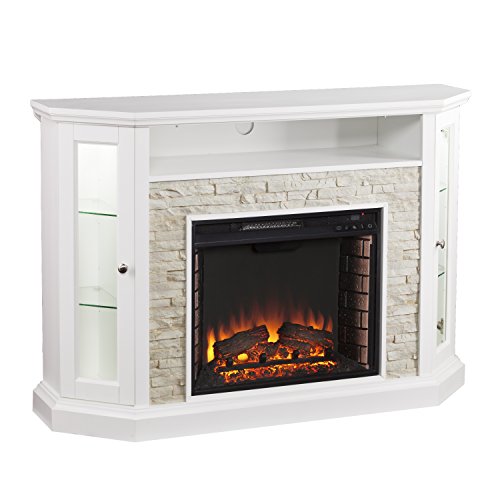
12 Best Corner Electric Fireplace 2026: My Ultimate Guide To Pick One
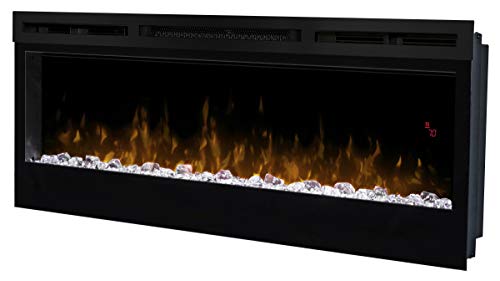
Dimplex Prism Wall Mount Fireplace: Sleek Heat With Modern Flame Style
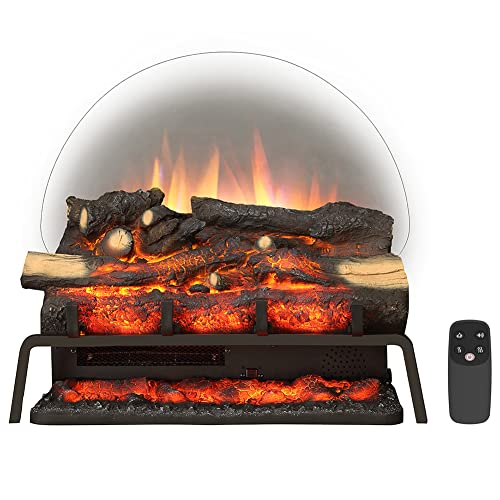
Best Electric Fireplace Insert for Large Room Heating and Style

Best 40 Inch Electric Fireplace Insert 2026 - Cozy Ambiance with Modern Power
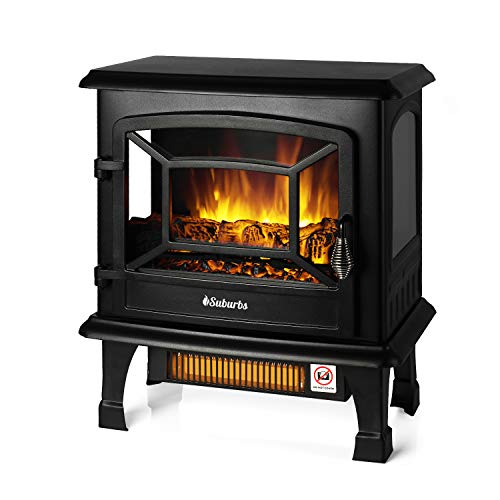
Top 12 Best Quality Electric Fireplace 2026 - Buying Guides

Best Wall Mount Electric Fireplace 2026 for Ultimate Comfort and Style

How to Start Monessen Fireplace: A Step-by-Step Guide

How to Whitewash Rock Fireplace: Simple Steps to Refresh Your Space