How to Remove Fireplace Mantle Safely and Easily

Homeowners often find themselves staring at an outdated fireplace, wondering how to give it a fresh start. One of the first steps in that transformation is figuring out how to remove fireplace mantle without wrecking your wall or making a dusty mess. The process might sound intimidating, but with the right tools, patience, and preparation, it’s entirely doable even for beginners. The key lies in knowing where to start. Most mantles are attached with hidden brackets, screws, or adhesive , and yanking it off blindly could cause cracks or chipped tiles. That’s why understanding the structure and layout before you start is crucial. With a little detective work, you can find those hidden fasteners, loosen them safely, and detach the mantle smoothly. Equally important is protecting the surrounding area. Using painter’s tape and drop cloths prevents damage to paint or drywall. If your mantle is made of heavy wood or stone, an extra pair of hands ensures safety. By pacing yourself, using gentle prying techniques, and applying controlled pressure, you’ll avoid unnecessary damage while still making steady progress. Finally, finishing the project with wall patching or sanding will leave your fireplace looking fresh and ready for a modern makeover. Whether you’re preparing for a sleek floating shelf or simply want a cleaner look, removing your fireplace mantle the right way gives you the perfect foundation for transformation. This guide will help you tackle it with confidence and care , all without breaking a sweat or your wall.
Ever stood in your living room, staring at that bulky, outdated fireplace mantle, and thought, “It’s time for a change”? You’re not alone. Thousands of homeowners want to breathe new life into their space but get stuck wondering how to remove fireplace mantle without chaos or costly mistakes. The good news? You don’t need to be a professional contractor to get it done right. The process starts with a keen eye and a bit of patience. You’ll learn to identify what’s holding your mantle in place , from screws hidden behind trim to brackets tucked under the shelf. With careful removal techniques, you can free the piece without damaging the wall, the brick, or yourself. What most people don’t realize is that proper preparation makes all the difference. Setting up your workspace, protecting surfaces, and having the right tools at arm’s reach will turn a messy job into a smooth operation. Once the mantle is off, you’re left with a clean, open canvas , perfect for modern decor, new paint, or a fresh mantle design that matches your home’s style. So, grab your tools and a little determination , because giving your fireplace a makeover starts with this single, satisfying step.

- BWP Score9.4
BWP Score is a ranking system developed by Bestwinterproducts.com. BWP score has no relationship or impact from any manufacturers or sales agent websites. Learn more
- BrandTDHDIKE
- BWP Score9.0
BWP Score is a ranking system developed by Bestwinterproducts.com. BWP score has no relationship or impact from any manufacturers or sales agent websites. Learn more
- BrandPine Mountain

- BWP Score8.6
BWP Score is a ranking system developed by Bestwinterproducts.com. BWP score has no relationship or impact from any manufacturers or sales agent websites. Learn more
- BrandCO-MATE

- BWP Score8.2
BWP Score is a ranking system developed by Bestwinterproducts.com. BWP score has no relationship or impact from any manufacturers or sales agent websites. Learn more
- BrandQuick 'n Brite

- BWP Score8.2
BWP Score is a ranking system developed by Bestwinterproducts.com. BWP score has no relationship or impact from any manufacturers or sales agent websites. Learn more
- BrandRUTLAND PRODUCTS

- BWP Score8.0
BWP Score is a ranking system developed by Bestwinterproducts.com. BWP score has no relationship or impact from any manufacturers or sales agent websites. Learn more
- BrandRUTLAND PRODUCTS
- BWP Score8.0
BWP Score is a ranking system developed by Bestwinterproducts.com. BWP score has no relationship or impact from any manufacturers or sales agent websites. Learn more
- BrandQuick 'n Brite

- BWP Score7.4
BWP Score is a ranking system developed by Bestwinterproducts.com. BWP score has no relationship or impact from any manufacturers or sales agent websites. Learn more
- BrandKevianClean

- BWP Score6.6
BWP Score is a ranking system developed by Bestwinterproducts.com. BWP score has no relationship or impact from any manufacturers or sales agent websites. Learn more
- BrandCitrusafe
Last update on 2023-09-20 / Affiliate links / Images, Product Titles, and Product Highlights from Amazon Product Advertising API
For many homeowners, a fireplace is the heart of the home, but when the mantle starts to look dated or damaged, it can throw off the entire room’s vibe. People often want a fresh, modern look without undertaking an expensive renovation. Removing the mantle is one of the simplest ways to start that transformation. Whether you’re updating an old brick fireplace or prepping for a minimalist design, knowing how to remove fireplace mantle safely is the first step toward that upgrade.
The biggest frustration for most people isn’t the labor, it’s the fear of causing wall damage. A mantle might be attached with hidden bolts, glue, or nails, and pulling it off without a plan can lead to cracked drywall, chipped bricks, or even broken tiles. That’s why identifying the type of mounting system before removal is so critical. A little inspection and preparation save hours of repair later.
Another reason people hesitate is not having the right tools. You don’t need a professional-grade workshop, but essentials like a pry bar, drill, stud finder, and protective gloves make a world of difference. Equipping yourself properly doesn’t just make the process smoother, it keeps you safe and minimizes mess.
Lastly, there’s the emotional hesitation. Many mantles hold sentimental value, photos, heirlooms, and holiday decorations have lived there for years. Removing it can feel like closing a chapter, but it’s also about opening a new one: creating a cleaner, more personal, and functional living space.
Preparation is the backbone of any successful project, especially one that involves structural elements like a fireplace. Before touching a single screw, make sure the area is clear of décor, candles, vases, and picture frames should be moved to safety. Cover the floor and nearby furniture with drop cloths to catch falling debris and prevent scratches.
The next step is inspection. Every mantle has its own unique attachment method. Some wooden mantles are secured with hidden brackets, while stone or brick versions might be anchored with masonry screws. Gently tapping along the mantle can help you identify hollow versus solid areas, giving you clues about where those fasteners are hiding.
Don’t rush this stage. Taking time to locate each connection point prevents unnecessary damage and frustration. For instance, if you try prying without loosening hidden screws first, you could split the wood or tear off chunks of drywall. On the other hand, identifying fasteners early means you can methodically remove them, one by one, with control and precision.
Lastly, think about safety. Mantles made from hardwood or stone can be extremely heavy. Having a helper nearby can prevent accidents and save your back from strain. Wearing gloves and safety glasses is a small but important step to keep your hands and eyes protected throughout the process.
Even if you’re not a DIY expert, you can still tackle this project with confidence once you have the right tools and technique. Start with the basics: a drill, a pry bar, a rubber mallet, and a stud finder. Each one serves a specific purpose. The drill helps loosen any visible screws; the stud finder ensures you’re aware of support points; and the mallet allows you to apply controlled force without causing cracks or dents.
For mantles attached to brick or stone, a masonry chisel and hammer are essential. These allow you to carefully chip away any mortar that may be holding the mantle tight. Patience is key, small, steady movements work far better than brute force.
If adhesive was used, a heat gun or hairdryer can soften the glue, making it easier to pry apart the surfaces. This simple trick prevents chunks of drywall or paint from peeling away. Once you feel the mantle loosening, use your pry bar to apply even pressure along multiple points, reducing the risk of splintering.
Finally, always keep your work area clean as you go. Debris, dust, and small nails can cause accidents if left scattered. A clean space helps you stay focused and keeps the process efficient. Once the mantle starts to shift, brace it carefully, some homeowners underestimate its weight until it’s already in motion.
- Locate the fasteners. Start by inspecting under the mantle shelf and along the sides. Many designs hide screws behind small wooden plugs or caulking. Remove those coverings first to expose the attachment points.
- Unscrew or detach the brackets. Using a drill or screwdriver, loosen every visible screw. For metal brackets, check for rust, if they’re stuck, a few drops of penetrating oil can help loosen them.
- Loosen adhesive bonds. If the mantle doesn’t move even after screws are out, it might be glued. Use a heat gun or hairdryer to gently warm the area, softening the adhesive before prying.
- Pry with care. Insert the pry bar between the mantle and wall, and gently wiggle it back and forth. Don’t rush. Slow, consistent pressure avoids unnecessary cracking.
- Lift and remove. Once detached, lift the mantle slowly from both ends. Heavy mantles often need a second person. Move it aside to a safe area immediately after removal to prevent tripping or damage.
Each step matters because skipping one could cause avoidable problems, like wall gouges, broken brackets, or chipped plaster. Working patiently rewards you with a clean, smooth removal and a wall ready for new design possibilities.
Even when you’ve done everything right, small imperfections can happen. You might notice screw holes, minor chips, or surface cracks once the mantle is gone. Don’t panic, these are easily fixable. Start by dusting off loose debris and applying wall filler or spackling paste to cover the imperfections. Once dry, sand it down for a smooth finish.
For brick fireplaces, chipped mortar or discolored patches can be touched up with a matching mortar mix or high-heat paint. If tiles got damaged, replacing a few individual pieces is much cheaper than redoing the entire surround.
A professional tip: before repainting, always use a primer. It helps even out color and ensures better adhesion of your topcoat. Choosing a primer designed for heat resistance is ideal for areas near the firebox.
These small repairs are your chance to create a perfect base for whatever’s next, a reclaimed wood beam, a floating shelf, or a minimalist, mantle-free look. The goal isn’t just removal, it’s to prepare your space for the next stage of transformation.
Once the old mantle is gone, you’ll see your fireplace in a whole new light, literally. Many homeowners use this opportunity to try modern and minimalistic designs, such as clean stone finishes, sleek metal accents, or reclaimed wood floating shelves. This is your chance to give the room character while keeping it fresh.
If you prefer a rustic aesthetic, consider adding exposed brickwork or a chunky wooden beam for that farmhouse charm. On the other hand, for a more contemporary space, paint the wall behind the fireplace a contrasting color to make it pop.
Lighting also plays a huge role. Installing small LED uplights or wall sconces above your newly exposed fireplace instantly enhances ambiance. The absence of a bulky mantle gives you freedom to play with light and symmetry.
Ultimately, removing your fireplace mantle isn’t just a construction task, it’s an invitation to redefine your space. You’re reclaiming the visual balance of your living area and turning it into a reflection of your personality and taste.Once you’ve successfully detached your mantle, the next phase is repairing the exposed wall or brickwork. Even with a careful hand, you’ll likely see nail holes, chipped paint, or adhesive residue left behind. These imperfections may look daunting, but they’re easy to fix with the right approach.
Start by cleaning the surface thoroughly. Use a damp sponge and mild soap to remove dust, soot, and leftover glue. Once dry, inspect for deeper gouges or cracks. Fill small holes with spackling paste or wood filler, depending on the material. For brick or stone, use heat-resistant mortar or a masonry patch compound for a seamless look.
After filling, allow adequate drying time before sanding. The smoother your repair, the better your paint or new finish will adhere. If you skip this step, you’ll notice uneven textures later. Always remember that surface prep determines finish quality, not just paint color. A few extra minutes spent sanding now can save you from frustration later.
Once smooth, apply a primer coat to unify the surface. For areas close to the firebox, choose a high-temperature primer, it resists heat discoloration and keeps your paint looking clean and crisp. With the wall prepped and ready, you’ve laid the foundation for your next design choice.
Now comes the fun part, deciding whether to replace the mantle or embrace a mantle-free aesthetic. Each choice brings its own charm, but both start with defining the mood you want your room to convey.
If you’re after a modern and minimal look, going mantle-free can open the room visually. You can enhance the empty space by adding artwork, mirrors, or a clean tile surround. Without the bulk of a traditional shelf, your fireplace becomes a sleek statement piece rather than a crowded focal point.
However, if warmth and texture are what you crave, a new mantle made of reclaimed wood or polished stone adds personality instantly. Consider materials that complement your flooring or furniture to create harmony. For instance, pairing a white marble hearth with a light oak mantle blends sophistication with natural charm.
Don’t forget proportion. Oversized mantles overpower smaller fireplaces, while slim floating beams look lost on large brick walls. The secret lies in balance, choosing a design that enhances, not dominates, your space. Whether you go bold or simple, your decision will set the tone for the entire room.
Fresh paint is the quickest way to transform your fireplace area after removal. Once repairs and primer are done, decide whether you want the fireplace to blend in or stand out. A neutral shade like soft beige or warm white keeps the look subtle and timeless, while contrasting colors like charcoal or navy make the fireplace the star of the room.
When painting brick or stone, opt for heat-resistant paint to prevent peeling or discoloration. For drywall areas, a matte finish hides imperfections better than gloss. Always use painter’s tape to define edges sharply and prevent overlap onto your hearth or floor trim.
A pro tip: layering textures makes a big difference. You can pair painted surfaces with metal accents, wood tones, or decorative tile inlays for depth. These little design choices bring life and personality into what used to be a plain section of wall.
Finally, consider adding small touches like a floating shelf, framed art, or greenery to give the area warmth without clutter. The absence of the old mantle creates room for creativity, your fireplace can now evolve with the seasons and your style.
Even with good intentions, homeowners often fall into traps that lead to costly repairs. One major mistake is using too much force. Impatience can cause cracked plaster, chipped tiles, or even broken bricks. Always remember, mantles are built to stay put, not pop off easily. Gentle persistence wins every time.
Another mistake is skipping the inspection phase. Some mantles are load-bearing or integrated into the wall’s structure, especially in older homes. Removing them without checking can cause instability or damage to adjacent panels. When in doubt, call a professional for a quick assessment.
Many also underestimate weight distribution. Lifting a solid wood or stone mantle solo can cause injury or accidents. Always have a partner or support bracket in place before detaching the final fasteners.
Lastly, neglecting safety gear is a common oversight. Protective gloves, eyewear, and a dust mask are essential. Even a small splinter or stray nail can cause problems if you’re not cautious. Safety may seem obvious, but it’s the most important step people tend to overlook when focusing on aesthetics.
Once the dust settles, literally, you’ll realize that removing the mantle was about more than just construction. It’s a statement of renewal. You’ve cleared away what once dominated your space, and now you can reshape it however you wish.
Homeowners who complete this project often feel a new sense of ownership and creativity in their design. Whether you add a sleek wood beam, a tile mosaic, or keep it bare for a minimalist aesthetic, the space becomes uniquely yours.
Lighting can further enhance the effect. Install ambient sconces or warm LED strips to highlight the fireplace area. These small additions make the room cozier and emphasize the craftsmanship of your work.

12 Best Corner Electric Fireplace 2026: My Ultimate Guide To Pick One
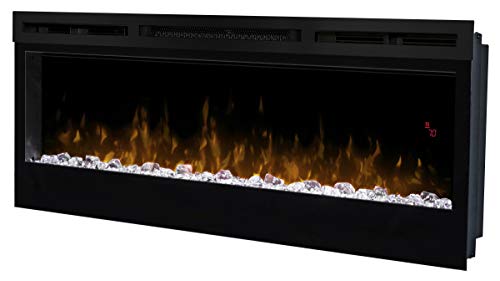
Dimplex Prism Wall Mount Fireplace: Sleek Heat With Modern Flame Style
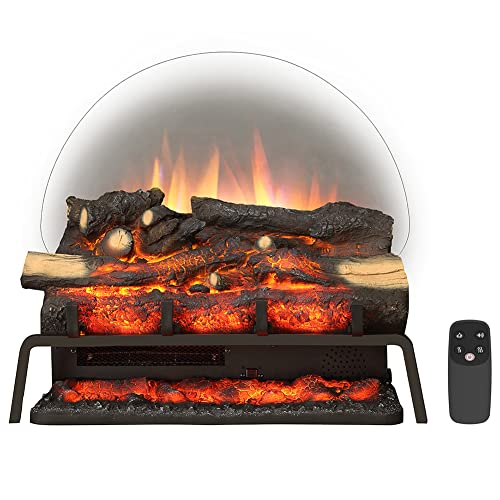
Best Electric Fireplace Insert for Large Room Heating and Style

Best 40 Inch Electric Fireplace Insert 2026 - Cozy Ambiance with Modern Power
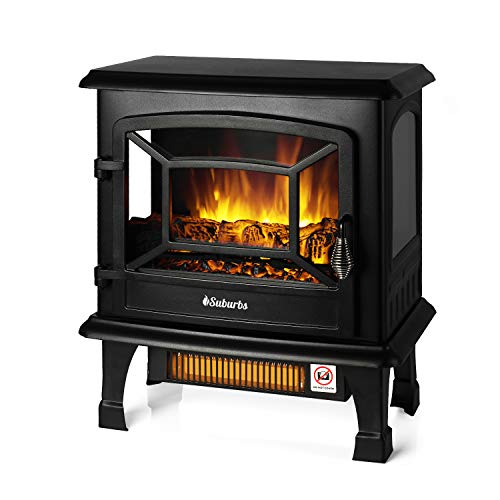
Top 12 Best Quality Electric Fireplace 2026 - Buying Guides

Best Wall Mount Electric Fireplace 2026 for Ultimate Comfort and Style

How to Start Monessen Fireplace: A Step-by-Step Guide

How to Whitewash Rock Fireplace: Simple Steps to Refresh Your Space