How to Replace Thermopile on Gas Fireplace Safely and Easily

Many homeowners struggle when their gas fireplace won’t ignite or stay lit, often assuming the worst , a broken valve or full replacement. But in reality, the issue is often a small component: the thermopile. Knowing how to replace thermopile on gas fireplace can save you hundreds of dollars and restore cozy warmth in minutes. This guide dives into practical, step-by-step advice written for everyday people , not engineers. It explains how to spot the signs of a failing thermopile, choose a proper replacement, and perform the swap safely without damaging your fireplace system. Beyond the technical process, this content focuses on what most DIYers really worry about: safety, accuracy, and confidence. You’ll learn the tools required, how to identify the correct thermopile voltage, and what to do before relighting the fireplace. With clear explanations and no confusing jargon, the guide helps anyone, from new homeowners to seasoned DIYers, get their fireplace running smoothly again. Whether your pilot light keeps going out or your gas logs stay cold, this guide ensures you understand not only how to replace thermopile on gas fireplace, but also how to test it properly afterward to confirm success. It’s all about saving time, avoiding stress, and keeping your home warm the smart way.
If your gas fireplace suddenly refuses to light, chances are the culprit isn’t as serious as it seems. The small metal device known as a thermopile plays a big role in keeping the flame alive, and when it fails, your fireplace simply shuts down for safety. That’s why learning how to replace thermopile on gas fireplace can be one of the most valuable homeowner skills you ever pick up. This isn’t about being a professional repair technician , it’s about restoring comfort and control without overspending. By understanding what the thermopile does and how it connects to your ignition system, you’ll see just how simple the process can be. The key is working carefully, checking for gas leaks, and following a few smart precautions that make all the difference. Whether you’re preparing for winter, dealing with intermittent pilot light issues, or just curious about how your fireplace works, this guide gives you the confidence to handle it safely. You’ll discover why replacing the thermopile not only fixes ignition problems but also improves energy efficiency and extends your fireplace’s life. So grab your screwdriver, take a deep breath, and let’s get your fire burning bright again.

- BWP Score10.0
BWP Score is a ranking system developed by Bestwinterproducts.com. BWP score has no relationship or impact from any manufacturers or sales agent websites. Learn more
- Brandgtpartes

- BWP Score10.0
BWP Score is a ranking system developed by Bestwinterproducts.com. BWP score has no relationship or impact from any manufacturers or sales agent websites. Learn more
- BrandOCHIKI

- BWP Score9.0
BWP Score is a ranking system developed by Bestwinterproducts.com. BWP score has no relationship or impact from any manufacturers or sales agent websites. Learn more
- BrandMETER STAR
- BWP Score9.0
BWP Score is a ranking system developed by Bestwinterproducts.com. BWP score has no relationship or impact from any manufacturers or sales agent websites. Learn more
- BrandMonessen

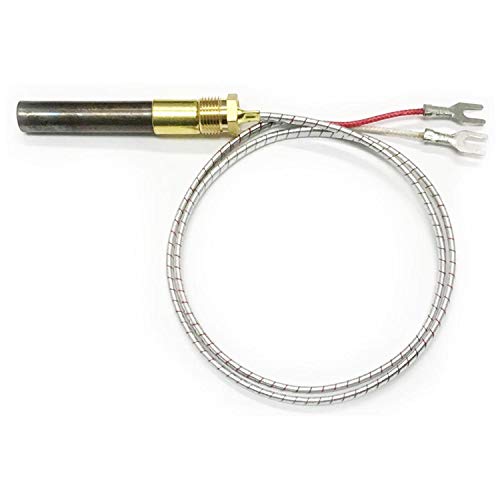
750mv Thermocouple for Heat Glo Heatilator,Fireplace Thermopile Replacement Fireplace&Stove Accessories
View on Amazon- BWP Score9.0
BWP Score is a ranking system developed by Bestwinterproducts.com. BWP score has no relationship or impact from any manufacturers or sales agent websites. Learn more
- BrandMETER STAR
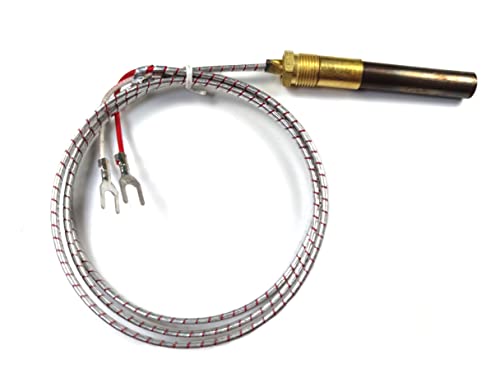
36" 750mv Thermopile for Heat Glo Heatilator,Fireplace Thermopile Replacement Fireplace,Stove
View on Amazon- BWP Score8.6
BWP Score is a ranking system developed by Bestwinterproducts.com. BWP score has no relationship or impact from any manufacturers or sales agent websites. Learn more
- Brandpalart

- BWP Score8.6
BWP Score is a ranking system developed by Bestwinterproducts.com. BWP score has no relationship or impact from any manufacturers or sales agent websites. Learn more
- BrandDurablow

24" 750mv Thermopile Replacement part number r1054,7533113,1950-001,071515,53374 for Heat Glo
View on Amazon- BWP Score8.0
BWP Score is a ranking system developed by Bestwinterproducts.com. BWP score has no relationship or impact from any manufacturers or sales agent websites. Learn more
- Brandpalart

- BWP Score7.0
BWP Score is a ranking system developed by Bestwinterproducts.com. BWP score has no relationship or impact from any manufacturers or sales agent websites. Learn more
- Brandpalart

- BWP Score-
BWP Score is a ranking system developed by Bestwinterproducts.com. BWP score has no relationship or impact from any manufacturers or sales agent websites. Learn more
- BrandPontuss
Last update on 2023-08-03 / Affiliate links / Images, Product Titles, and Product Highlights from Amazon Product Advertising API
A gas fireplace that won’t stay lit can turn a cozy evening into a cold frustration. One of the most common reasons for this issue is a faulty thermopile, the small metal probe that converts heat into electricity to keep your gas valve open. When it starts failing, your pilot light may flicker, go out entirely, or fail to ignite even after multiple tries. These are clear signals that your thermopile is weakening and needs replacement.
Homeowners often confuse the thermopile with the thermocouple, but they perform slightly different jobs. The thermopile generates enough voltage to power the main gas valve, while the thermocouple only keeps the pilot flame alive. If your fireplace lights briefly and then shuts off, that’s your cue that the thermopile voltage output is too low to maintain ignition. Regular maintenance can delay the problem, but once the voltage drops below 300 millivolts, replacement becomes the only fix.
Ignoring the issue can cause more than inconvenience, it can strain your gas valve and potentially lead to safety hazards like gas leaks or incomplete combustion. That’s why recognizing the early warning signs, weak flame, inconsistent heat, or constant clicking, is essential. Replacing the thermopile at the first sign of trouble ensures consistent warmth, safety, and efficiency through the colder months.
If you’ve noticed your fireplace behaving unpredictably, it’s not your ignition switch acting up, it’s likely the thermopile silently calling for help. Understanding this small but crucial component is the first step toward saving money on technician calls and keeping your home comfortably heated.
Replacing the thermopile doesn’t require professional training, but it does demand preparation. Before getting started, gather your essential tools, a wrench, screwdriver, adjustable pliers, a multimeter, and of course, a compatible replacement thermopile rated for your specific fireplace model. Having all items ready ensures you won’t stop midway through to fetch something from the garage.
Equally important is safety gear, work gloves, a gas-rated mask, and protective glasses. These protect you from debris, gas residue, or soot buildup that can be released during disassembly. Always turn off the gas supply before touching anything. Many DIYers skip this step and risk a minor explosion or heavy gas odor filling their home. Taking ten seconds to shut off the valve is worth hours of regret avoided later.
Next, grab your user manual or manufacturer guide. Even though thermopiles share a similar function, each gas fireplace model might have small design variations, some need you to remove decorative logs first, while others give direct access through a removable panel. Following the correct layout ensures you avoid breaking fragile connections or damaging your burner assembly.
Lastly, use your multimeter to measure your old thermopile’s voltage output before replacement. This will confirm that it’s truly the problem and not another component like the thermocouple or gas valve. A reading below 300 millivolts signals a weak thermopile, the green light to proceed with replacement confidently.
Start by shutting off the gas supply completely. Safety should always come first. Once you’re certain no gas is flowing, allow your fireplace to cool down fully, this might take 20 to 30 minutes. Trying to remove the thermopile while it’s still hot could burn your hands or damage the metal threads.
Locate the thermopile inside the fireplace’s control area, typically right next to the pilot assembly. Unscrew the thermopile’s connection from both the gas valve and pilot bracket using your wrench. If soot or corrosion has built up, gently clean the area with a wire brush to ensure smooth reconnection and optimal conductivity once you install the new one.
Insert the new thermopile exactly where the old one was positioned, aligning its tip directly in the pilot flame’s path. This placement is vital because the thermopile relies on direct flame contact to generate voltage. Reconnect the leads to the gas control valve, ensuring they’re snug but not over-tightened to avoid thread damage.
Before reassembling everything, conduct a voltage test. Light the pilot and use your multimeter to verify the thermopile output, most should read around 500 to 750 millivolts when heated. If it falls within that range, you’re good to go. Reinstall the fireplace covers, open the gas line, and ignite the system fully. A steady flame and consistent warmth confirm a successful replacement.
Even confident DIYers make small mistakes that cause big headaches. The first and most frequent error is forgetting to shut off the gas supply before disassembling components. It’s a critical oversight that can result in dangerous leaks or accidental ignition. Always double-check that your main valve is turned off before touching anything inside the firebox.
Another common mistake is mixing up the thermopile and thermocouple wires. These components often sit side by side, and switching their terminals can prevent your system from starting altogether. Label them before removal to save yourself hours of confusion.
People also tend to over-tighten connections. While you might think tighter equals safer, in reality, over-tightening can strip threads or crack fittings, causing leaks that are expensive to repair. Instead, tighten until firm and stop once you feel slight resistance.
Lastly, many skip testing the millivolt output after installation. This quick check is the best way to ensure your new thermopile is working correctly. It’s a step that confirms you’ve solved the root problem, not just replaced a part blindly. Remember: small actions like these are what separate a successful DIY fix from a frustrating repeat job.
Once you’ve successfully learned how to replace thermopile on gas fireplace, the next priority is keeping it in good shape. Routine maintenance ensures your new thermopile lasts for years instead of just one heating season. The simplest preventive action is to clean the pilot assembly regularly. Dust, spider webs, and soot often block the flame’s path, causing incomplete heating and lowering voltage output.
Every three months, take a soft brush or compressed air to clear away residue. Also, inspect wiring for corrosion or loose connections, as they can interfere with voltage flow. Keeping the system clean ensures steady millivolt production, meaning your fireplace stays reliable and safe.
It’s also wise to schedule a professional inspection once a year, especially before winter. A certified technician can spot hidden issues like worn insulation, micro-leaks, or poor grounding that may affect thermopile performance. Combining DIY care with professional checks keeps your heating system running at top efficiency.
Finally, always use the correct replacement part when a change is needed. Installing a generic thermopile might seem cost-effective, but incorrect voltage ratings can cause ignition failure or even void your warranty. Stick with genuine, manufacturer-approved components for peace of mind.
Regular cleaning, annual inspections, and correct part selection are your trifecta of success for keeping your gas fireplace burning bright year after year. Preventive habits not only reduce repair costs but also extend your fireplace’s lifespan significantly.
Owning a gas fireplace means having both comfort and responsibility. By learning how to replace thermopile on gas fireplace, you’re not just fixing a problem, you’re taking control of your home’s efficiency. Thermopiles are simple yet vital; they convert heat into electrical energy that powers your gas valve. Without it, your system simply can’t sustain combustion.
Replacing this small part on your own saves hundreds in technician fees, teaches valuable repair skills, and empowers you to troubleshoot future issues confidently. It’s a straightforward process that combines safety awareness and hands-on learning, giving homeowners more independence.
Moreover, maintaining your thermopile properly ensures that your fireplace consumes less gas and burns cleaner, which translates into lower utility bills and fewer emissions. In a world where sustainability matters, that’s a win for both your wallet and the planet.
Learning these maintenance fundamentals is part of becoming a more self-sufficient homeowner, one who values safety, cost savings, and comfort equally. Once you’ve mastered this repair, you’ll never look at a flickering pilot light with panic again, just quiet confidence that you know exactly what to do.Once the new thermopile is installed, testing it isn’t optional, it’s the final checkpoint that guarantees your gas fireplace works safely and efficiently. Start by turning the gas valve back on and relighting the pilot light according to your manufacturer’s instructions. The flame should immediately contact the thermopile tip; this is how it begins generating the voltage that keeps your main burner operating.
Allow the pilot to burn for several minutes before activating the main burner. This preheats the thermopile to its optimal operating temperature. Using a multimeter, measure the output voltage across the thermopile terminals. A healthy thermopile typically produces 500–750 millivolts when the pilot flame burns steadily. Anything below that could indicate poor flame contact, loose wiring, or a defective new part.
Keep an eye out for any irregular flame patterns or unusual odors. A weak or flickering flame could suggest incomplete combustion or blockage in the pilot assembly. If the voltage reading is within range and the main burner ignites smoothly, your replacement is a success.
Always remember: testing ensures both safety and efficiency. Skipping this step may result in undetected leaks, wasted gas, or inconsistent heat. Taking an extra few minutes for verification guarantees your gas fireplace is performing as it should, stable, safe, and warm.
Sometimes even after replacing the thermopile, the fireplace still refuses to cooperate. Before assuming you installed it incorrectly, take a moment to assess other potential culprits. The issue could stem from dirty pilot orifices, faulty thermocouples, or worn-out gas valves. These parts work together to maintain combustion; if one fails, the others can’t perform optimally.
Start by examining the pilot flame. It should be strong and envelop both the thermopile and thermocouple tips. If the flame is weak or yellow instead of crisp blue, dust or debris might be blocking the orifice. Use compressed air to clear it gently, never a sharp object, as that can deform the nozzle.
Next, check your wiring connections. A loose terminal can interrupt voltage flow, preventing the gas valve from staying open. Tighten each screw with care and re-test. Finally, inspect the gas control valve itself. If it’s worn internally or corroded, no amount of thermopile testing will solve the problem, it’ll need replacement.
Don’t underestimate the impact of a low-quality replacement part either. Cheap, off-brand thermopiles often have inconsistent performance or lower voltage ratings. Using manufacturer-recommended components is always the smarter move to ensure reliability and safety.
Troubleshooting doesn’t have to be stressful; it’s a process of elimination. By checking these areas systematically, you’ll quickly pinpoint the root cause and bring your fireplace back to life with confidence.
A properly maintained thermopile can last up to a decade, but only if treated right. The first rule is keeping it clean. Over time, soot, spider webs, and fine dust accumulate around the pilot area, restricting flame exposure. This buildup causes uneven heating and reduced millivolt output. Gently brushing or blowing away debris once every season can make a massive difference in performance.
The second tip is regular pilot flame adjustment. If the flame burns too small, the thermopile can’t generate sufficient heat; too large, and it overheats prematurely. A steady, medium-blue flame touching the thermopile tip is ideal. You can fine-tune this with the adjustment screw on your gas valve assembly, refer to your model’s guide for details.
Avoid moisture at all costs. Water or humidity near the gas valve and pilot assembly can corrode metal parts and weaken electrical conductivity. If your fireplace is in a damp basement or coastal area, invest in a dehumidifier to protect its components.
Lastly, inspect your thermopile wiring annually. Loose or oxidized connectors can mimic the symptoms of a failing thermopile. Cleaning them with a bit of contact cleaner ensures a stable voltage path. Following these pro habits will not only extend your thermopile’s lifespan but also enhance your fireplace’s overall reliability.
Hiring a technician to replace a thermopile can cost anywhere from $150 to $400, depending on the fireplace model. In contrast, the part itself typically costs less than $30. By learning to perform the replacement yourself, you save money and gain valuable knowledge about your home’s heating system. It’s not just a repair, it’s an empowering skill that reduces dependence on external service calls.
DIY replacement also ensures you can respond quickly when problems arise. There’s no waiting for an appointment or dealing with emergency call fees during the peak heating season. With the right tools and safety awareness, most homeowners can finish the process in under an hour.
More importantly, doing it yourself builds a deeper connection with your home. You start to recognize early signs of wear, respond faster to issues, and maintain your system proactively. It’s about ownership and self-reliance, not just saving a few bucks.
Of course, safety always comes first. If you smell gas, can’t locate the pilot assembly, or feel unsure at any step, pause immediately and consult a professional. Even skilled DIYers know when to stop. The goal isn’t to prove toughness, it’s to ensure safe, efficient operation every time the fire is lit.
The thermopile does more than just ignite your gas fireplace, it plays a direct role in how efficiently your system operates. Because it converts heat into electrical voltage, it functions as the bridge between the pilot flame and the gas control valve. When operating correctly, it ensures steady voltage flow that keeps your burner consistent and fuel consumption optimized.
A worn or weak thermopile forces the valve to work harder, often causing erratic flame sizes or incomplete combustion. This not only wastes gas but also produces more soot, leading to frequent cleaning and lower energy efficiency. A strong thermopile, by contrast, maintains stable voltage and smooth operation, ensuring every cubic foot of gas burns effectively.
Investing time to test and maintain your thermopile means investing in lower utility bills and a cleaner burn. Homeowners often notice their fireplaces running quieter and with fewer relight attempts after a proper thermopile replacement. It’s proof that small components can make a big impact on performance.
The next time your gas fireplace begins flickering or refusing to stay lit, don’t panic, remember the thermopile’s quiet but crucial role. A quick inspection or replacement can restore not just warmth but also efficiency to your home’s favorite comfort zone.
Safety is the most important part of maintaining a gas fireplace, especially after working on critical components like the thermopile. Once your system is running smoothly again, take a few preventive steps to ensure ongoing protection. Start by installing a carbon monoxide detector near your fireplace area. It’s a small investment that could save lives if combustion ever becomes inefficient.
Make it a routine to check for gas leaks every few months using a simple soap-and-water solution. Bubbles forming at connection points mean a leak is present. Tighten the fittings or call a technician immediately. Also, avoid storing flammable items near the fireplace, even if it seems safe, they can ignite unexpectedly during operation.
Finally, keep your ventilation clear. Blocked vents or chimneys can trap exhaust gases, reducing oxygen flow and causing poor flame quality. Clean your vents annually or hire a chimney sweep to ensure safe airflow.
By combining regular safety checks with a well-maintained thermopile, you’re guaranteeing that your gas fireplace remains both efficient and secure. Peace of mind comes not just from warmth, but from knowing your system is operating flawlessly year after year.


12 Best Corner Electric Fireplace 2026: My Ultimate Guide To Pick One

Dimplex Prism Wall Mount Fireplace: Sleek Heat With Modern Flame Style
Best Electric Fireplace Insert for Large Room Heating and Style

Best 40 Inch Electric Fireplace Insert 2026 - Cozy Ambiance with Modern Power
Top 12 Best Quality Electric Fireplace 2026 - Buying Guides

Best Wall Mount Electric Fireplace 2026 for Ultimate Comfort and Style

How to Start Monessen Fireplace: A Step-by-Step Guide

How to Whitewash Rock Fireplace: Simple Steps to Refresh Your Space