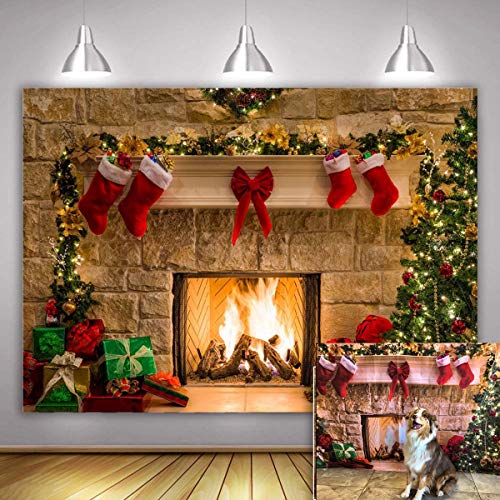
How to Set Up Ceramic Fireplace Logs Like a Pro

Many homeowners buy gas log sets hoping for that real-fire charm without the smoke or mess , but the result often looks artificial or burns unevenly. The secret isn’t just in the logs themselves, it’s in how you set them up. A properly arranged set of ceramic fireplace logs doesn’t just look more natural; it also improves flame distribution, enhances heat flow, and keeps soot buildup under control. This guide dives into the smart techniques behind arranging ceramic logs, whether you’ve got a vented or ventless fireplace. We’ll unpack how log placement affects gas flow, why air circulation matters more than people think, and how even the smallest log adjustment can change your fireplace’s entire aesthetic. You’ll also learn how to prevent black soot, maximize heat efficiency, and achieve that effortless “just-lit wood” look that impresses guests and warms your living room evenly. Whether you’re a new homeowner setting up your gas fireplace for the first time or someone tired of uneven flames and carbon marks, this guide helps you create a cozy, safe, and efficient setup. With step-by-step insights, expert tips, and real-world solutions, you’ll transform your fireplace from a simple heating source into a stunning centerpiece that radiates warmth and elegance.
There’s something magical about a flickering fire , but if your flames look off-center or uneven, your living room charm quickly fades. That’s why learning how to set up ceramic fireplace logs correctly makes all the difference. Most homeowners assume you just “stack them nicely,” yet the setup directly influences flame height, heat output, and even your safety. Ceramic logs are designed to mimic real wood, but their performance depends on precise alignment with the burner ports and pilot light. One misplaced log can restrict airflow, leading to soot buildup or weak flames. The good news? With a few thoughtful adjustments and the right techniques, you can achieve a perfect balance between beauty and function. In this guide, we’ll walk you through the smart way to position your logs , step by step , so your fireplace burns clean, looks authentic, and fills your space with steady warmth. Whether you’re setting up a new gas insert or refreshing your existing hearth, you’ll soon master the subtle art of arrangement that turns a basic gas log set into a glowing masterpiece.

- BWP Score8.8
BWP Score is a ranking system developed by Bestwinterproducts.com. BWP score has no relationship or impact from any manufacturers or sales agent websites. Learn more
- BrandBarton
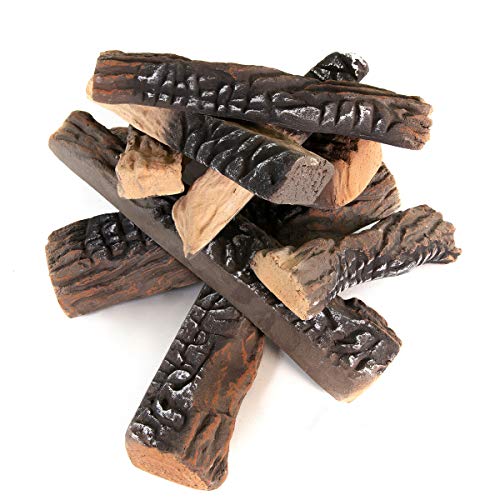
- BWP Score8.4
BWP Score is a ranking system developed by Bestwinterproducts.com. BWP score has no relationship or impact from any manufacturers or sales agent websites. Learn more
- BrandAVAFORT

- BWP Score8.2
BWP Score is a ranking system developed by Bestwinterproducts.com. BWP score has no relationship or impact from any manufacturers or sales agent websites. Learn more
- BrandBarton
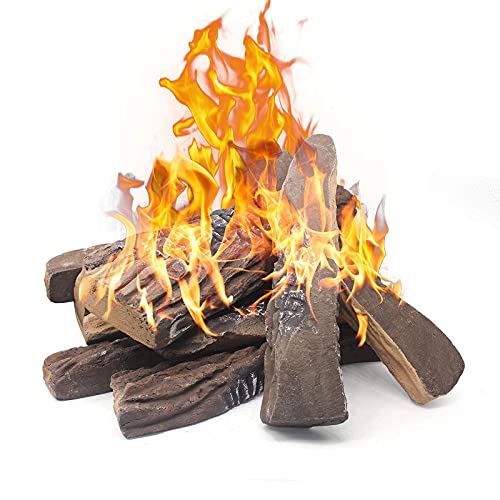
- BWP Score8.2
BWP Score is a ranking system developed by Bestwinterproducts.com. BWP score has no relationship or impact from any manufacturers or sales agent websites. Learn more
- BrandIBS

- BWP Score8.0
BWP Score is a ranking system developed by Bestwinterproducts.com. BWP score has no relationship or impact from any manufacturers or sales agent websites. Learn more
- BrandStanbroil

- BWP Score8.0
BWP Score is a ranking system developed by Bestwinterproducts.com. BWP score has no relationship or impact from any manufacturers or sales agent websites. Learn more
- BrandSkyflame

- BWP Score7.2
BWP Score is a ranking system developed by Bestwinterproducts.com. BWP score has no relationship or impact from any manufacturers or sales agent websites. Learn more
- BrandHEXELE

- BWP Score6.4
BWP Score is a ranking system developed by Bestwinterproducts.com. BWP score has no relationship or impact from any manufacturers or sales agent websites. Learn more
- BrandSkypatio
Last update on 2023-08-03 / Affiliate links / Images, Product Titles, and Product Highlights from Amazon Product Advertising API
Most homeowners are surprised to learn that the arrangement of ceramic fireplace logs has a direct impact on how well their gas fireplace performs. It’s not just a matter of looks , the placement controls airflow, flame pattern, and efficiency. When the logs are stacked too tightly or incorrectly, you can end up with poor heat output, uneven flames, or even dangerous soot buildup. These issues not only make your fireplace less enjoyable but also shorten the lifespan of your gas system.
A properly installed set of ceramic logs does more than create that cozy, realistic flame. It ensures that your fireplace burns cleanly, uses fuel efficiently, and maintains safe combustion levels. You’ll also notice that your glass door or interior walls stay cleaner because the flames burn in the right direction. The result? A fireplace that not only looks stunning but also runs smoothly year after year.
Homeowners often overlook how oxygen flow influences flame performance. Without proper spacing between the logs, gas doesn’t mix with air effectively. This imbalance leads to black soot, lazy yellow flames, or that faint gas odor that indicates incomplete combustion. When set correctly, however, you’ll see blue-tipped flames dancing naturally around the logs , the hallmark of perfect airflow and safety.
By investing a few extra minutes to position your ceramic fireplace logs correctly, you’re improving not only your heating quality but also your energy efficiency. That’s why professionals always emphasize , the art of setup is just as critical as the quality of your log set.
If your fireplace is vented, the process gives you a bit more freedom , but it still demands attention to detail. Start by ensuring the gas supply is turned off completely. Safety first, always. Then, inspect your burner pan and grate to make sure they’re clean and positioned securely. A dirty burner can block ports, which directly affects flame height and color.
Next, look for the log placement diagram provided by your manufacturer. This chart isn’t just a suggestion , it’s designed to help you achieve proper airflow and realistic flames. Typically, the larger logs form the base while the smaller ones cross over the top to mimic a natural wood stack. Be sure not to block any of the gas outlets. Doing so can cause uneven heating and create hot spots that crack the logs prematurely.
It’s easy to think you can “eyeball it,” but following the specific placement pattern keeps your system balanced and safe. Each log has its purpose , one might guide flame shape, another improves light reflection. Together, they create that warm, lifelike glow everyone loves.
Finally, test your setup. Turn the gas on slowly, ignite, and observe. Flames should rise evenly across the logs. If one side burns higher or darker, adjust slightly until you achieve symmetry and movement. This is the step where patience pays off; small changes make big differences.
Ventless systems are trickier , they rely entirely on the room’s air for combustion. That means precise setup is non-negotiable. Poor log placement in a ventless system can lead to excess carbon monoxide, poor indoor air quality, or flickering, unstable flames.
Always begin by reviewing the manufacturer’s guide. Each ventless log set is engineered for specific air channels and burner geometry. Even one misplaced log can alter how gas mixes with oxygen. The key here is open space , enough for air to circulate, but not so much that flames lose intensity.
Keep the logs from touching the burner directly unless instructed. Touching logs disrupt gas flow and cause black soot or carbon streaks. If your flames look orange and smoky, that’s your cue to readjust. Ideal ventless flames are steady, soft blue with small orange tips, signaling efficient combustion.
One often overlooked tip: regularly check for dust or pet hair around your logs. These light particles can settle over time and change how gas burns. A quick clean before each season helps maintain both aesthetic beauty and safe operation.
The way you stack your ceramic fireplace logs directly affects the look and warmth of your fire. Think of it as arranging a stage for your flames , too crowded, and they suffocate; too open, and they lose form. You want flames that flow gracefully between the logs, not engulf them completely.
By angling logs strategically, you create natural pockets of airflow that feed the fire evenly. For example, placing a smaller log across the top diagonally creates a tunnel effect, guiding heat upward and outward into your living space. This enhances heat distribution without overworking your burner.
The flame’s path also determines how realistic your setup appears. Logs arranged properly mimic the look of freshly burning wood, while poor placement makes flames look static or artificial. To enhance realism, position darker or charred-looking logs toward the center. These absorb more light, giving your fire depth and contrast.
When properly aligned, ceramic logs can raise your fireplace’s efficiency by up to 20%, according to heating experts. That’s because even combustion reduces wasted gas and ensures more consistent warmth throughout your home.
Even with the best intentions, many homeowners unknowingly harm their ceramic fireplace logs. One of the biggest mistakes is stacking them too close to the burner, thinking it’ll intensify the flame. Instead, it restricts airflow and leads to overheating, which can crack or discolor your logs.
Another common error? Moving the logs too frequently. Ceramic material, while heat-resistant, is not immune to thermal shock. Repeated handling or shifting while hot can cause fine surface fractures that shorten their lifespan. Always wait until the logs are cool before making any adjustments.
Many also skip the step of inspecting the pilot light or burner ports. A clogged or uneven flame source will distribute gas irregularly, resulting in uneven burn patterns or dark residue. Keeping these components clean ensures stable flame performance every time.
Lastly, never substitute manufacturer-approved logs with generic replacements. Each set is calibrated for specific gas flow and size ratios. Using mismatched parts might seem cost-effective but can cause serious performance issues or safety hazards over time.
A well-arranged log set can last for years , but only if you give it a little love and attention. The most important rule? Clean regularly. Dust and debris block air passages and dull the visual effect of your flames. Use a soft brush or vacuum with a gentle nozzle to remove loose ash after every few uses.
Also, make a habit of checking for cracks or discoloration. Slight color changes are normal, but deep black patches often signal incomplete combustion. Adjust the logs slightly or schedule a professional inspection if you notice recurring issues.
Once a year, have a certified technician inspect your gas line, thermocouple, and pilot assembly. Even minor gas leaks can reduce pressure and alter how your logs burn. This small annual investment guarantees that your fireplace continues to operate efficiently and safely.
Finally, keep your fireplace glass doors clean. Not only does this improve visibility, but it also prevents heat reflection from damaging nearby surfaces. For vented models, check that your flue remains unobstructed , a clear vent ensures proper exhaust flow and prevents carbon buildup inside your home.
Proper maintenance doesn’t just preserve your ceramic logs; it protects your entire fireplace investment and ensures you enjoy safe, cozy evenings all season long.A major reason homeowners love ceramic fireplace logs is their lifelike glow , but achieving that perfect flame aesthetic takes finesse. To make your fire look natural, start by focusing on flame direction and layering. Logs should overlap slightly and create openings for fire to move through rather than around. This design helps produce depth, movement, and flicker, mimicking how real wood burns.
Another crucial trick is varying the log height. Place a few smaller pieces at the front and taller logs toward the back. This subtle difference enhances perspective and creates that full-bodied flame most people desire. Don’t crowd the logs too close together, as that flattens the visual effect and chokes off oxygen. You want flames that dance freely between layers, not suffocate beneath them.
Lighting also plays a role in appearance. For gas fireplaces with glowing ember beds, make sure embers are evenly spread beneath the burner. These embers provide the soft orange radiance that gives your fire life. If they’re too concentrated, the flames will appear dull; too sparse, and your setup looks staged rather than natural.
Finally, experiment with small adjustments until you get the right flame pattern. A one-inch shift in a single log can drastically change how your fire performs and looks. Keep a keen eye on balance , a mix of high flames, glowing embers, and open space delivers the most authentic visual charm.
Safety is non-negotiable when working with gas fireplaces. Before you even begin positioning your ceramic logs, double-check that the gas valve is shut off. Many homeowners skip this step and risk accidental ignition , a costly and dangerous mistake. Once the system is off, ensure your space is well-ventilated to prevent residual gas buildup.
When arranging logs, never block the pilot light, burner ports, or flame sensors. These are critical components that regulate ignition and monitor combustion. A misplaced log can cause delayed ignition, leading to small explosions or system failure. To stay safe, always maintain a clear channel for the pilot flame.
After setup, perform a burn test. Observe the flames closely for at least 15 minutes. If they flicker unevenly, emit black smoke, or produce a strong odor, turn off the system and readjust. These signs often mean restricted airflow or misalignment. Your goal is to see clean, even flames with minimal soot.
Once everything runs smoothly, install a carbon monoxide detector near your fireplace. Even though modern ceramic log systems are efficient, it’s always smart to have a safety backup. Routine checks and detectors make sure you’re not just warm , you’re protected.
Accessories can turn an ordinary fireplace into a stunning focal point. For example, adding fire glass or ember glow fibers can boost realism and reflection. Fire glass not only enhances visual appeal but also improves heat radiation by spreading warmth evenly across the room. Choose high-quality tempered glass rated for gas fireplaces to prevent cracking under heat.
Another useful upgrade is a fireplace remote or thermostat control. These tools allow you to regulate temperature and flame intensity without manual adjustments. A thermostat ensures you maintain consistent comfort while optimizing fuel use , a win for both aesthetics and efficiency.
For those who love the sound of a crackling fire, you can also install sound simulators designed for gas fireplaces. They reproduce the gentle popping and hissing of burning wood, offering a multi-sensory experience. Combined with ceramic logs, these subtle additions make your fireplace feel truly alive.
Lastly, consider decorative grates or screens. These not only protect your setup but also frame your fire beautifully. Whether you prefer a rustic iron finish or modern brushed steel, the right accessory enhances both function and style, elevating your living space into a cozy retreat.
Many people overlook how environmentally friendly ceramic logs actually are. Unlike real wood, which releases harmful particulates into the air, ceramic alternatives burn clean and smoke-free. That means less indoor pollution and a reduced carbon footprint. For eco-conscious homeowners, this is a simple way to enjoy comfort without guilt.
Additionally, ceramic logs last for years, meaning fewer replacements and less waste. Traditional firewood demands constant replenishment, often harvested from deforested areas. Switching to ceramics contributes to sustainability while maintaining that rustic charm everyone loves.
Ceramic materials also provide consistent heat output, reducing the need to overuse gas. This efficiency lowers your energy consumption and monthly utility bills. It’s a practical benefit wrapped in elegance , a combination most homeowners find hard to resist.
In essence, by choosing ceramic fireplace logs, you’re not just adding warmth; you’re making a small but impactful choice for the planet. You get the atmosphere of a real fire with the eco-conscious edge of modern design.
Even the best setups need upkeep. One pro tip: schedule a deep clean at least once per season. Use a soft brush to remove soot or residue from both the logs and burner base. Avoid using water or harsh cleaners , moisture can cause thermal stress cracks in the ceramic.
Every few months, rotate your logs slightly to distribute heat exposure evenly. This small adjustment prevents localized discoloration and helps maintain structural integrity. Also, check your burner alignment and gas connections for signs of wear or corrosion. Early detection saves you from expensive repairs later.
A visual inspection before each winter is wise, especially if your fireplace sits unused during warmer months. Look for signs of insect nests or dust buildup, both of which can block airflow. A quick cleaning ensures safe ignition when you’re ready to light up again.
Lastly, keep a record of your maintenance checks. This not only helps you stay organized but can also increase resale value if you ever sell your home. A well-maintained gas fireplace system with pristine ceramic logs is a selling point that radiates both warmth and quality.
Setting up ceramic fireplace logs isn’t just about technical accuracy , it’s about creating ambiance. When arranged thoughtfully, these logs transform your room from ordinary to mesmerizing. The soft glow, dancing flames, and balanced warmth evoke the calm of a natural wood fire without the hassle of chopping or cleaning.
For many homeowners, the goal isn’t just heat; it’s comfort, safety, and beauty. A properly set-up fireplace provides all three. From the first flicker of ignition to the steady hum of warmth, it’s a daily reminder that small details make the biggest difference.
Take pride in your setup. Learn the subtle art of positioning, cleaning, and maintaining. With care, your ceramic logs will reward you with years of reliability and timeless charm , a glowing centerpiece for cozy nights and meaningful moments.

12 Best Corner Electric Fireplace 2026: My Ultimate Guide To Pick One
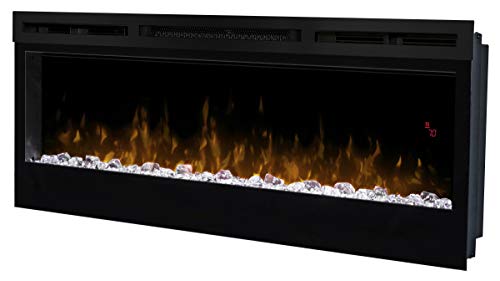
Dimplex Prism Wall Mount Fireplace: Sleek Heat With Modern Flame Style
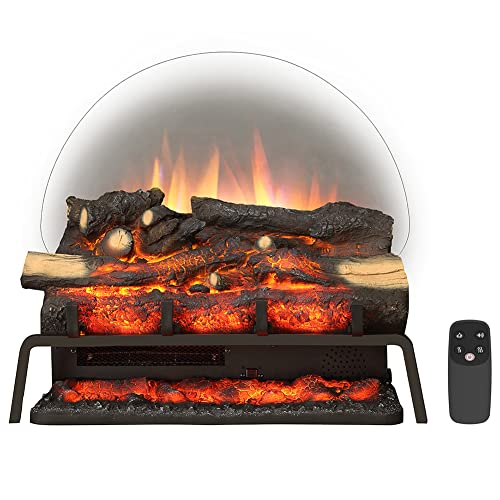
Best Electric Fireplace Insert for Large Room Heating and Style

Best 40 Inch Electric Fireplace Insert 2026 - Cozy Ambiance with Modern Power
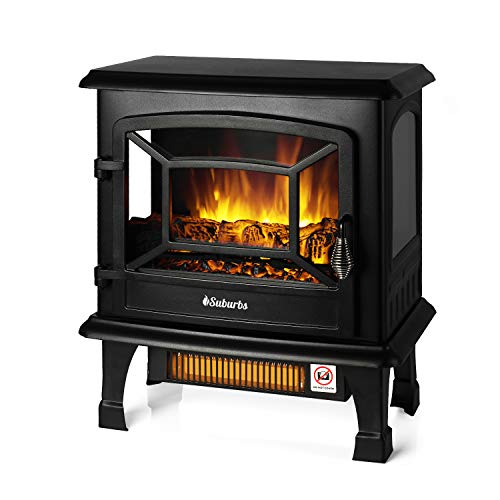
Top 12 Best Quality Electric Fireplace 2026 - Buying Guides

Best Wall Mount Electric Fireplace 2026 for Ultimate Comfort and Style

How to Start Monessen Fireplace: A Step-by-Step Guide

How to Whitewash Rock Fireplace: Simple Steps to Refresh Your Space