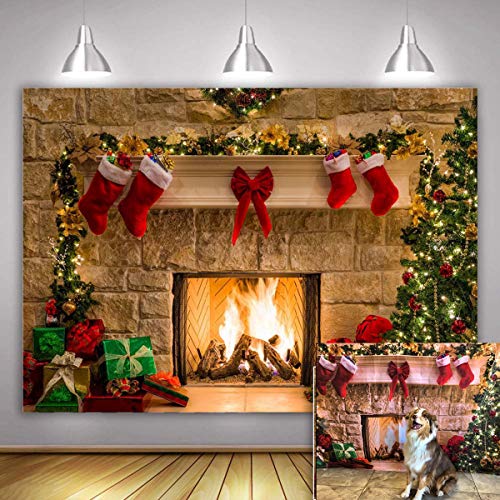
How Do You Start a Fire in a Fireplace Without Kindling?

The living room is chilly, a box of matches sits on the hearth, but the wood bin holds only thick, heavy logs and not a single splinter of kindling. A steady fire will catch right away by using tightly twisted newspaper knots or torn cardboard strips arranged over the logs in an upside-down stack. This top-down layout lets burning embers drop down onto the thick wood below, providing steady heat without any chopped sticks.
Making this work depends on three simple details. The firewood must be bone dry, since unseasoned logs refuse to light without smaller kindling underneath. The damper (the metal flap inside the chimney) must be wide open, and the chimney pipe needs a quick burst of warm air so smoke vents outside. With the right household scraps and proper airflow, building a cozy hearth fire takes only a couple of minutes.
How do you prep the chimney and damper first?
Before striking a match, you must prepare the airflow. Cold chimneys are naturally filled with heavy, stagnant air. If you try to light a fire beneath that cold column, smoke cannot rise. Instead, it rolls straight into your living room.
Start by opening the damper (the metal flap that opens and closes the chimney pipe). Reach inside to confirm the lever is fully locked in the open position. You can check our guide on learning how to operate your fireplace damper to make sure the plate moves freely.
Next, check the draft (upward airflow pulling smoke out). Hold your hand inside the open firebox. If you feel cool air pressing down against your skin, your chimney has a reverse draft. Lighting logs right now will push soot across your ceiling.
To reverse this cold plug, prime the flue (the chimney exhaust pipe). Roll a single sheet of newspaper into a tight cone. Hold the top end with a fireplace glove, light the bottom, and hold the burning paper high up near the open damper plate for thirty to sixty seconds. As heat warms the cold pipe, you will hear a soft rushing sound. Once the smoke shoots cleanly upward on its own, your chimney is ready for firewood.
Which household items replace small wooden sticks?
Thick firewood logs require several minutes of direct heat before their outer surfaces catch fire. A flat sheet of paper burns up in five seconds, leaving only cold gray ash. To succeed without kindling, you need dense household substitutes that burn hot and linger long enough to ignite heavy timber.
The first reliable substitute is a handful of tightly rolled newspaper knots. Do not crumple paper into loose balls, which burn through their oxygen immediately. Instead, take two sheets of black-and-white newsprint, roll them diagonally into a tight rope, and tie that rope into a firm overhand knot. Make four to six of these knots. The knot restricts airflow just enough to slow down the burn, giving you a dense core of glowing embers that lasts three to five minutes.
The second option is corrugated cardboard. Plain brown shipping boxes have fluted internal ridges that channel oxygen into the flame. Slice clean cardboard into strips about two inches wide and ten inches long, removing all tape and shipping labels. Lay these strips in a crisscross grid or roll them into tight spirals. Cardboard produces intense, clean heat that quickly chars the outer layer of heavy logs.
The third option is a homemade lint roll. Save lint from your clothes dryer and pack it firmly into a cardboard toilet paper tube or paper egg carton cups. Cotton lint catches a spark instantly. To make it burn even longer, drizzle a teaspoon of cooking oil or melted candle wax over the lint. This turns the tube into a slow-smoldering torch that burns for close to eight minutes.
How do you build a top-down fire?
The biggest mistake people make without kindling is building a traditional teepee fire. When you prop heavy logs over paper knots at the bottom of the grate, the paper burns away quickly. The heavy logs collapse into the ash bed, smothering the flame.
The solution is the top-down method. This build flips the traditional fire upside down. It allows heat and falling coals to ignite thick logs from above while keeping oxygen flowing through the firebox.
Make sure you are using seasoned wood (thoroughly dried firewood that has cured for at least six to twelve months). Seasoned logs have dark, weathered ends with radial cracks, feel light, and make a ringing sound when tapped together. Wet wood will never catch without kindling.
Follow these steps to build the stack:
- Place your largest logs directly on the fireplace grate. Lay them flat, running front to back, bark facing down. Push them close together so they form a solid wooden floor.
- Set a second layer of slightly smaller logs across the bottom layer at a right angle, running side to side. Leave a narrow gap of about one finger between these pieces for airflow.
- Form your ignition bed directly on top of the second wood layer. Arrange your twisted newspaper knots, rolled cardboard spirals, or lint rolls in a neat carpet across the logs.
- Place a few small split chunks, dry bark strips, or torn cardboard directly over your household starters. Face any sharp, splintered edges down toward the starters, as sharp edges catch heat faster than rounded bark.
- Light your starters across the top in two or three places using a long match or lighter.
As the top materials catch, the flame burns downward naturally. The smoke passes through the flame above it, which burns off excess gases and keeps the room clean. As the top layer breaks down, it creates a heavy bed of hot coals that slowly bakes into the thick logs underneath.
Can store-bought starter cubes replace kindling completely?
Store-bought fire starter cubes or compressed blocks offer the easiest way to bypass kindling entirely. These small squares are typically made from compressed recycled wood fiber mixed with refined paraffin wax or plant-based waxes.
Unlike newspaper, which flares up and vanishes, a quality starter cube provides a sustained, steady flame for eight to fifteen minutes. Specialized fire-starting packs with built-in pull strings can burn hot for up to thirty minutes, generating enough continuous heat to ignite logs directly without needing any smaller wooden sticks at all.
A standard hardwood log needs constant flame applied to one spot for several minutes before reaching its ignition point. Starter cubes act like small torches tucked directly against the timber.
To use them effectively without kindling, place two medium seasoned logs parallel to each other on your grate, leaving a two-inch channel between them. Place one or two starter blocks in that channel. Rest a third split log diagonally across the top, positioning its sharp inner edge directly above the starter block. Leave enough open space around the cubes so air can enter from the sides.
Light the corner of the starter cube. As the wax melts, it feeds the compressed wood fiber like a candle wick. The flame stays concentrated against the upper log, charring the grain and drawing fresh draft up through the channel. You never have to blow on the flame or add extra paper.
What materials should you never burn in a fireplace?
When you are struggling to get thick firewood burning, frustration can tempt you to grab whatever flammable items are sitting around the house. This is where chimney fires and indoor air hazards happen. You must keep certain materials out of your fireplace at all times.
Never use an accelerant (liquid lighter fluid or gasoline) inside a home fireplace. Charcoal lighter fluid, kerosene, and gas produce volatile vapors that expand rapidly in an enclosed space. When ignited, these vapors can cause an explosive flash fire that damages the hearth, burns your hands, and blows smoke back into your living room. Liquid fuel can also seep into cracks under the grate, creating hidden fires inside your hearth.
Avoid glossy magazines, colored mailers, and holiday gift wrap. The colorful inks and slick coatings contain chemical pigments and plastics that release toxic fumes when burned. Thin glossy paper also turns into light sheets of burning ash that lift easily with the chimney draft, creating floating firebrands that can land on your roof.
Keep painted, pressure-treated, or manufactured wood out of the fire. Scrap lumber from home renovations, old deck boards, and plywood sheets are treated with heavy chemicals, resins, and adhesives. Burning treated wood releases arsenic and other poisonous compounds into your indoor air. These synthetic glues also deposit thick creosote along the flue walls, creating an extreme chimney fire risk.
What should you look for in dedicated fire starters?
If you want to keep fires easy and skip hunting for small sticks every winter, stocking reliable fire starters makes all the difference. When choosing commercial starter blocks, focus on burn duration and clean ingredients rather than fancy packaging.
Look for starters rated to burn continuously for at least eight to ten minutes. Starters with shorter burn times often flicker out before heavy firewood can catch on its own. Dense squares made of compressed sawdust and natural paraffin wax or plant-based wax are ideal. They store cleanly, do not crumble into dust, and remain odorless so your living area smells only like burning firewood.
Consider how you plan to light them. Standard wax squares require a flame from a match or lighter held against a corner for a few seconds. If you dislike handling matches, pull-string starters ignite with a simple tug and flare up instantly.
Water resistance is another helpful feature. Fireplace fuel often sits in damp garages, basements, or outdoor woodboxes. Starters with wax coatings resist moisture and light reliably even in cold, humid weather. Avoid starters made with chemical scents or petroleum accelerants that leave harsh odors in your fireplace.

- BWP Score9.6
BWP Score is a ranking system developed by Bestwinterproducts.com. BWP score has no relationship or impact from any manufacturers or sales agent websites. Learn more
- BrandRUTLAND PRODUCTS

- BWP Score9.4
BWP Score is a ranking system developed by Bestwinterproducts.com. BWP score has no relationship or impact from any manufacturers or sales agent websites. Learn more
- BrandDuraflame

- BWP Score9.2
BWP Score is a ranking system developed by Bestwinterproducts.com. BWP score has no relationship or impact from any manufacturers or sales agent websites. Learn more
- BrandPull Start Fire

- BWP Score9.2
BWP Score is a ranking system developed by Bestwinterproducts.com. BWP score has no relationship or impact from any manufacturers or sales agent websites. Learn more
- BrandPull Start Fire

- BWP Score9.2
BWP Score is a ranking system developed by Bestwinterproducts.com. BWP score has no relationship or impact from any manufacturers or sales agent websites. Learn more
- BrandBee's Wrap

- BWP Score9.0
BWP Score is a ranking system developed by Bestwinterproducts.com. BWP score has no relationship or impact from any manufacturers or sales agent websites. Learn more
- BrandQuick & Easy Cookout

- BWP Score8.6
BWP Score is a ranking system developed by Bestwinterproducts.com. BWP score has no relationship or impact from any manufacturers or sales agent websites. Learn more
- BrandRealcook

- BWP Score8.4
BWP Score is a ranking system developed by Bestwinterproducts.com. BWP score has no relationship or impact from any manufacturers or sales agent websites. Learn more
- BrandCreosote Sweeping Log
Last update on 2026-10-02 / Affiliate links / Images, Product Titles, and Product Highlights from Amazon Product Advertising API
FAQs
Can you use pinecones instead of kindling?
Yes, dry and fully open pinecones make an excellent substitute for kindling. Their open scales catch sparks easily, and their natural tree sap burns with intense heat for several minutes. Always ensure the cones are completely dry, brown, and free of sticky green sap before placing them around your logs.
Why do full logs go out when lit from below?
Thick logs absorb heat quickly and cool down small flames before the wood reaches its ignition point. Lighting from below also creates an unstable pile that often collapses, smothering the burning paper and cutting off oxygen. Using a top-down build or a long-burning starter block keeps the flame alive until the wood can sustain itself.
How can you tell if firewood is dry enough?
Dry, seasoned firewood has a dull gray or pale appearance with visible radial cracks running across the ends. It feels noticeably lighter in your hands than green wood and makes a clear, ringing clap when you knock two pieces together. If the wood feels heavy, smells sappy, or makes a dull thud, it has too much moisture to light without kindling.
Does burning cardboard damage your chimney?
Small amounts of clean, brown corrugated cardboard used to light a fire will not damage your chimney. However, you should never burn large quantities of cardboard or boxes with plastic packing tape, wax coatings, or heavy inks. Burning excessive cardboard creates intense flash heat that can crack chimney flue tiles and sends floating embers out the chimney top.


12 Best Corner Electric Fireplace 2026: My Ultimate Guide To Pick One

Dimplex Prism Wall Mount Fireplace: Sleek Heat With Modern Flame Style
Best Electric Fireplace Insert for Large Room Heating and Style

Best 40 Inch Electric Fireplace Insert 2026 - Cozy Ambiance with Modern Power
Top 12 Best Quality Electric Fireplace 2026 - Buying Guides

Best Wall Mount Electric Fireplace 2026 for Ultimate Comfort and Style

How to Start Monessen Fireplace: A Step-by-Step Guide

How to Whitewash Rock Fireplace: Simple Steps to Refresh Your Space