How to Start a Fire in a Fireplace Without Smoke

The cleanest way to start a fire inside a fireplace is to stack large logs on the bottom with kindling on top, lighting the pile from the peak so flames burn downward. That method only works without thick smoke if the chimney flue is already pulling air upward before the main wood catches.
Success comes down to three basic factors: an open damper, a warm chimney draft, and dry fuel. The damper (the metal flap inside the chimney pipe) must be opened completely so exhaust can escape. Cold air sitting in the flue must be warmed with a small starter flame first, or it will block the draft and push smoke into the room. Using well-seasoned firewood that has cured for months is just as critical, because damp wood only hisses and smolders. Here is how to prep the hearth, warm the air, and build a steady fire safely on your first match.
The Short Version
- Open the damper, which is the metal flap inside the chimney, all the way before lighting your fuel.
- Warm the chimney flue with a lit paper roll to break the cold air plug and start an upward draft.
- Build a top-down stack by placing large split logs on the bottom, kindling in the middle, and a starter on top.
- Keep the spark screen closed during burning, and leave glass doors open so the fire gets steady oxygen.
Pre-Fire Safety Checklist: Setting Up the Firebox
Before lighting a single match, you must prepare the firebox, which is the brick or metal chamber where your wood burns. Skipping these steps is the most common reason smoke backs up into living spaces.
- Check the damper: The damper is the movable metal flap inside the chimney that controls airflow. When closed, it blocks conditioned indoor air from escaping. When open, it allows smoke to vent outside. Look up into the top of the firebox with a flashlight to locate the lever, handle, or pull chain. Move the control until the flap sits fully open. When the heating season ends and the hearth is cold, knowing how to close your fireplace damper prevents cold outside air from entering your room.
- Inspect the ash bed: You do not need a spotless hearth floor. Leaving a 1-inch bed of ash insulates the firebed and reflects heat upward. However, if old ash piles up to the bottom of your metal grate, scoop the excess into a metal ash bucket. Air must circulate under the grate to feed oxygen into the bottom of the fire.
- Position the metal grate: Always burn firewood on a raised metal grate rather than directly on the brick floor. Push the grate against the rear wall of the firebox, centered between the side walls. Elevating the logs allows fresh room air to flow underneath the fuel.
- Clear the hearth perimeter: Sparks can pop through screens when logs shift. Move throw rugs, holiday decorations, paper, and furniture at least 3 feet away from the fireplace opening.
If you find that an older open hearth is too drafty or difficult to manage safely, installing a firebox insert for room heating can provide supplemental warmth without the smoke, creosote, or flue maintenance of a wood fire.
Priming the Chimney: How to Stop Smoke Backdrafts
When you light a fire in a cold fireplace, smoke often rolls straight into your living room within seconds. This happens because cold air is heavy and dense. When a chimney sits cold during winter, a column of freezing air settles inside the flue like an invisible plug.
If you light logs under that cold air plug, rising warm smoke cannot push past the heavy barrier above it. The smoke bounces off the cold air and spills into the room. To prevent this, you must establish an upward draft. The draft is the upward pull of air that carries smoke and combustion gases out the chimney. Warm air naturally rises, but you must push the cold air plug out of the way first.
Warming the flue before lighting your firewood takes less than a minute:
- Check for a downdraft: Place the back of your hand near the open damper. If you feel a cool breeze pushing down toward the hearth, cold air is sinking into your room.
- Roll a paper torch: Take a single sheet of dry, black-and-white newspaper or brown paper. Roll it into a loose cylinder roughly 12 inches long.
- Light the torch: Hold the bottom of the paper roll, reach up into the firebox near the damper opening, and light the top end with a lighter.
- Warm the flue: Hold the burning end directly beneath the damper opening for 30 to 60 seconds. As heat warms the metal flap and the air in the throat of the chimney, the draft will reverse.
- Confirm upward draft: You will see the smoke from your paper roll get pulled up into the chimney. Once that upward suction starts, your chimney is primed and ready for firewood.
The Top-Down Build: How to Layer Your Firewood
Most people learned to build fires using a teepee shape, placing paper and kindling underneath heavy logs. While that works for outdoor campfires, it causes problems indoors. Heavy logs collapse onto young flames and smother them. Cold logs resting directly above the flames also cool the fire, creating thick gray smoke.
The top-down build solves this problem. Stacking large logs on the bottom and kindling on top allows the fire to burn slowly downward, just like a candle. The flame warms the chimney instantly, creates very little smoke, and requires no poking once lit.
- Select seasoned firewood: Seasoned wood is dry firewood that has cured for months, dropping its internal moisture below 20 percent. Dry firewood feels light, shows cracks along the ends, and makes a hollow clack when you tap two pieces together. Never burn damp or green wood, which wastes heat boiling water and fills your home with smoke.
- Lay down the base logs: Place 3 to 4 of your thickest split logs on the grate, running from front to back. Keep the flat or bark side down, leaving roughly 1 inch of space between each log for air movement.
- Add a cross layer: Set slightly smaller split logs across the base layer from side to side at a right angle. This crosshatch pattern creates sturdy air channels that draw oxygen into the stack.
- Stack the kindling: Kindling refers to small dry sticks and wood splinters that catch fire easily. Lay two or three handfuls of kindling across the upper logs in another crisscross pattern. Leave open gaps between sticks so room air feeds the fire.
- Place a fire starter on top: Set a clean fire starter square or a small nest of dry wood shavings directly on top of the kindling pile.
Lighting and Tending Your Fire for Steady Airflow
Once your top-down stack is built and your chimney is primed, lighting the fire is simple and requires little maintenance.
- Ignite the starter: Light the fire starter on top of the kindling using a long match or utility lighter. Because the kindling sits at the peak of the stack, it catches quickly without heavy logs pressing down on it.
- Protect room air pressure: A newly lit fire needs steady room air. Turn off kitchen range hoods and bathroom exhaust fans before lighting. In tight modern homes, a strong kitchen vent can pull air backward down the chimney flue, reversing your draft and bringing smoke inside.
- Close the spark screen: Pull the metal mesh spark curtain closed immediately after lighting. The mesh stops flying embers from landing on your floor while letting warm air enter the room. If your fireplace has glass doors, keep those doors wide open while the wood burns. Burning hot logs behind closed glass can overheat tempered panels, starve the fire of oxygen, and leave heavy soot on the glass.
- Add logs only after a coal bed forms: A top-down fire burns downward on its own for two hours or longer without poking. When the bottom logs finally collapse into glowing red coals, use iron tongs to place one or two fresh seasoned logs across the bed. Leave space around each log so oxygen reaches the wood.
Fireplace Safety Rules: What Never to Burn Indoors
An indoor fireplace is designed only for clean, seasoned cordwood. Burning household trash or chemical accelerants damages chimney liners, creates severe house fire risks, and releases toxic fumes into your living room.
- Liquid fire starters: Never pour lighter fluid, gasoline, kerosene, or charcoal starter onto fireplace wood. These liquids create volatile vapors that can cause explosive flash fires in an enclosed firebox.
- Cardboard and packaging: Corrugated cardboard burns with violent, uncontrolled flames that can warp metal dampers and crack clay flue tiles. Cardboard also contains adhesives that leave heavy soot deposits.
- Magazines and wrapping paper: Glossy paper and gift wraps contain metallic inks and plastic layers. When burned, they release harmful chemical fumes. Thin paper ash also floats up the chimney and can ignite dry debris on your roof.
- Treated or painted lumber: Construction scraps and pressure-treated wood contain chemical preservatives such as copper, creosote, or arsenic. Burning them sends toxic fumes into your living space and corrodes metal chimney parts.
- Ocean driftwood: Burning driftwood releases salt compounds that form corrosive chlorine gas, which rapidly eats through steel grates and chimney liners.
- Green or unseasoned wood: Wet wood smothers flames, lowers firebox temperatures, and leaves thick creosote along chimney walls. Creosote buildup is the primary cause of dangerous chimney fires.
Choosing Clean Fire Starters for Your Hearth
Lighting firewood with wads of newspaper often leaves messy, floating ash that drifts across your hearth. Using purpose-made, clean-burning fire starters makes building a hearth fire faster, cleaner, and more dependable.
When selecting fire starters for indoor fireplaces, look for solid squares or natural fiber plugs made from compressed wood shavings and refined wax. These starters catch immediately from a single match and sustain a steady flame for several minutes. That extended burn gives your dry kindling enough heat to catch solidly without extra prodding or lighter fluid.
Always verify that fire starters are rated for indoor use and free from harsh chemical additives. Avoid starters that rely on strong petroleum distillates, which can leave lingering chemical odors in your living room. A reliable starter should be odorless, water-resistant, and simple to handle without leaving greasy residue on your fingers.

- BWP Score9.6
BWP Score is a ranking system developed by Bestwinterproducts.com. BWP score has no relationship or impact from any manufacturers or sales agent websites. Learn more
- BrandDuraflame

- BWP Score9.4
BWP Score is a ranking system developed by Bestwinterproducts.com. BWP score has no relationship or impact from any manufacturers or sales agent websites. Learn more
- BrandDuraflame

- BWP Score9.2
BWP Score is a ranking system developed by Bestwinterproducts.com. BWP score has no relationship or impact from any manufacturers or sales agent websites. Learn more
- BrandChronicle Books
- BWP Score9.2
BWP Score is a ranking system developed by Bestwinterproducts.com. BWP score has no relationship or impact from any manufacturers or sales agent websites. Learn more
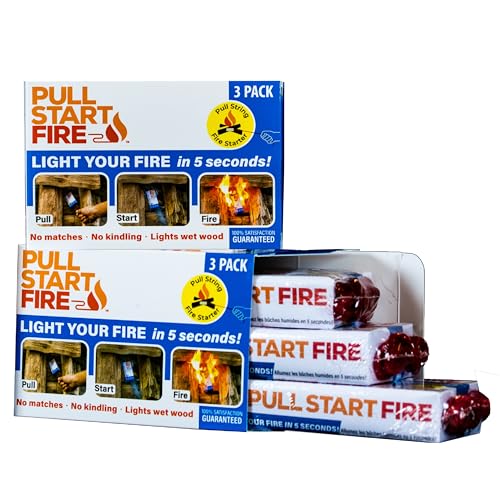
- BrandPull Start Fire

- BWP Score9.2
BWP Score is a ranking system developed by Bestwinterproducts.com. BWP score has no relationship or impact from any manufacturers or sales agent websites. Learn more
- BrandDuraflame

- BWP Score8.8
BWP Score is a ranking system developed by Bestwinterproducts.com. BWP score has no relationship or impact from any manufacturers or sales agent websites. Learn more
- BrandSkyhorse

- BWP Score8.8
BWP Score is a ranking system developed by Bestwinterproducts.com. BWP score has no relationship or impact from any manufacturers or sales agent websites. Learn more
- BrandSURVIVAL BOY

- BWP Score8.6
BWP Score is a ranking system developed by Bestwinterproducts.com. BWP score has no relationship or impact from any manufacturers or sales agent websites. Learn more
- BrandHGD

- BWP Score8.0
BWP Score is a ranking system developed by Bestwinterproducts.com. BWP score has no relationship or impact from any manufacturers or sales agent websites. Learn more
- BrandAWEASROY
Last update on 2026-10-02 / Affiliate links / Images, Product Titles, and Product Highlights from Amazon Product Advertising API
FAQs
How do I check if my fireplace damper is open?
Shine a flashlight up into the throat of the firebox to see if the metal flap inside the chimney is open. Move the damper lever, chain, or handle until the flap swings upright into an open position. If you feel cool air moving or can see clearly up into the chimney flue, the damper is open.
Why is smoke coming into the room instead of going up the chimney?
Smoke spills into the room when cold, heavy air sits in an unheated chimney and blocks the upward draft. When warm smoke hits this cold air barrier, it bounces back down into the living room. Warming the flue with a rolled paper torch before lighting the wood clears the cold air plug and establishes proper draft suction.
Do large logs go on the bottom or the top of the fire?
Large logs should always go on the bottom of the firebox when using the top-down method. Stacking thick split logs at the base with kindling on top lets the fire burn downward naturally. This method keeps heavy wood from smothering young flames and helps the fire burn cleanly with minimal smoke.
When can I safely close the fireplace screen or glass doors?
Close your metal mesh spark screen immediately after lighting the fire starter to keep popping embers inside the firebox. Keep any glass doors fully open while the wood burns so the fire gets plenty of fresh air. You should only close glass doors once the fire has completely died down to cold ashes.
.jpg)

12 Best Corner Electric Fireplace 2026: My Ultimate Guide To Pick One

Dimplex Prism Wall Mount Fireplace: Sleek Heat With Modern Flame Style
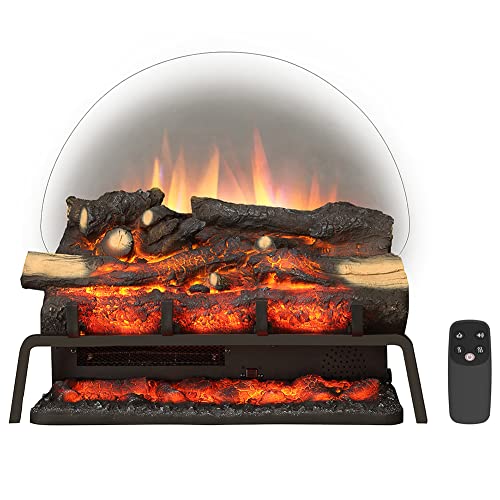
Best Electric Fireplace Insert for Large Room Heating and Style

Best 40 Inch Electric Fireplace Insert 2026 - Cozy Ambiance with Modern Power
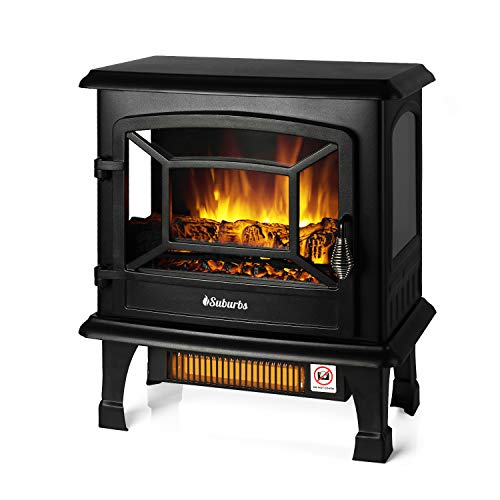
Top 12 Best Quality Electric Fireplace 2026 - Buying Guides

Best Wall Mount Electric Fireplace 2026 for Ultimate Comfort and Style

How to Start Monessen Fireplace: A Step-by-Step Guide

How to Whitewash Rock Fireplace: Simple Steps to Refresh Your Space