How to Start a Wood Burning Fireplace Without Smoke

Check the damper (the metal flap inside the chimney) and push it all the way open before striking a match. Leaving this passage shut traps fumes indoors instead of letting them escape up the chimney. The cleanest way to get flames going is warming the flue with rolled paper to push out cold air, then lighting a top-down wood stack so small sticks burn downward over the base logs.
A few details change how quickly your fire catches. Bitter outdoor temperatures can push a heavy plug of cold air down the chimney pipe, which means you need an extra minute of preheating. Wet logs will hiss and smoke no matter how you arrange them, and a sealed stove insert needs different air settings than an open brick fireplace. Follow these steps to build and light a warm fire safely on your first try.
Pre-Fire Safety Checks and Hearth Preparation
Starting a fire in a cold room requires a few quick checks before you strike a match. Taking two minutes to inspect the hearth prevents smoke from drifting across your ceiling and protects your living space from stray sparks. You want to confirm that air can enter the firebox freely and that exhaust has an open exit path to the roof.
Start by looking at the damper (the metal flap inside the chimney that opens and closes exhaust). In many homes, the damper stays closed between fires to stop heated indoor air from escaping up the chimney pipe. If you try to light kindling while this flap remains shut, smoke has nowhere to go except directly into your living room. Locate the control lever or pull chain just above the firebox opening. Push or rotate the lever until the flap swings into the fully upright, open position. Take a flashlight and look straight up past the metal grate to confirm you see daylight or a clear passage into the chimney.
Next, inspect the floor of the firebox. Many people think they should sweep out every speck of ash before starting a fresh fire, but that is a mistake. A one-inch bed of leftover ash acts as an insulating blanket that protects the hearth floor and reflects intense heat back up into your new logs. However, if old ash piles up to the bottom of the iron grate, it blocks fresh air from reaching the wood from underneath. Scoop out any excess ash that touches the grate, leaving a flat, shallow layer of fine gray powder underneath.
Finally, clear the safety zone around your fireplace opening. Radiant heat from seasoned hardwood warms objects several feet away, and popping sparks can jump past open screens. Make sure your hearth area meets these safety checkpoints before you place a single piece of wood:
- Damper check: The damper lever is locked in the open position, confirmed by looking up the flue with a flashlight.
- Ash depth: Leftover ash measures about one inch deep, leaving at least two inches of open breathing space beneath the metal grate.
- Hearth clearance: Rugs, blankets, holiday decorations, baskets, and furniture sit at least three feet away from the fireplace opening.
- Air supply: Fireplace glass doors are swung wide open so room oxygen can feed the early flames.
- Safety equipment: A working smoke alarm and carbon monoxide detector are active in the room, and a fire extinguisher is within easy reach.
Priming the Chimney Flue to Stop Indoor Smoke
The single most common reason a fireplace fills a home with smoke on a chilly evening is a cold chimney. To understand why this happens, you have to understand draft (the upward pull of warm air rising out the chimney). Warm air naturally rises because it is lighter than cold air. When your fireplace sits idle during freezing weather, the flue (the interior passage of the chimney pipe) fills with heavy, freezing outdoor air. That tall column of cold air sinks downward and acts like an invisible, heavy plug sitting right above your firebox.
If you build a small fire beneath this cold air plug, the fragile, low-temperature smoke from early tinder cannot push past the freezing weight in the flue. The smoke hits the cold air barrier, bounces downward, and billows out into your room. You can easily diagnose this condition before lighting your wood. Hold the back of your hand just inside the top of the firebox opening. If you feel a distinct breeze of frigid air blowing down toward your knuckles, your chimney is pushing cold air down instead of pulling exhaust up.
You can reverse this airflow in under two minutes by priming the chimney. Priming simply means warming the interior passage so warm air begins rising before you ignite your main logs. Roll a single sheet of plain black-and-white newspaper into a tight cone or baton. Hold the bottom end with your hand or a pair of fireplace tongs, and light the top tip of the paper roll. Slowly raise the burning paper torch high into the top of the firebox, holding it just an inch or two below the open damper flap.
Watch the smoke rising off the burning paper torch. At first, the smoke might curl sideways or drift toward your face as it fights the cold downdraft. Within thirty to sixty seconds, the heat from the paper torch will warm the metal damper and heat the air right at the base of the chimney pipe. Suddenly, the flame and smoke from your paper torch will straighten out and get pulled strongly upward into the dark chimney passage. Once you see that upward suction, you have successfully reversed the draft and cleared the path for a smoke-free fire.
Building and Lighting the Top-Down Fire
Most people learned to build fires using the traditional teepee method, placing paper at the bottom, kindling in the middle, and large logs on top. While that setup works in an open campfire, it often causes heavy smoke in a home fireplace. As the bottom paper burns away, the upper logs crash down, smothering the delicate flames and creating dense clouds of soot before the cold chimney reaches operating temperature. The most reliable way to start a clean fire indoors is the top-down arrangement.
The top-down fire reverses the traditional stack. You place your heaviest logs on the bottom and build upward in layers, placing your kindling and fire starters on the very top. As the top layer burns, heat rises straight into the chimney to strengthen the draft, while glowing embers slowly drop down to ignite the lower logs one by one. This arrangement requires zero poking, prevents log collapses, and burns cleanly with almost no indoor smoke. Follow these steps to build and light the stack correctly:
- Lay the base logs: Place two or three large split pieces of seasoned wood (dry logs that dried out for several months) flat on your fireplace grate. Position them front-to-back or side-by-side with the flat bark side facing down, leaving about one inch of space between the pieces for airflow.
- Add the middle layer: Select slightly smaller logs, about the thickness of a drinking glass. Place them across the bottom logs at a right angle in a crisscross pattern. This crisscross shape creates stable gaps that channel incoming air directly into the rising heat.
- Stack the kindling: Arrange two or three layers of kindling (thin dry sticks that catch fire easily) on top of the middle logs. Twigs, split pine scraps, or small hardwood splinters roughly the thickness of a pencil work best. Lay them across each other loosely so oxygen flows between the sticks.
- Place the tinder: Set your fire starter or a few loosely crumpled balls of dry newspaper directly on top of the kindling layer. Never pack the paper tightly, because tight paper smothers flames and leaves charred, smoking clumps.
- Ignite the top: Light the tinder or fire starter block at the very top of the pile using a long match or a utility lighter. Keep the fireplace glass doors fully open, but pull the metal spark mesh screen completely closed across the opening to contain any popping embers.
Always verify your firewood before building the stack. Seasoned firewood has a faded gray or pale color, shows visible radial cracks at the cut ends, and feels light in your hands. When you knock two pieces of dry wood together, they produce a sharp, ringing clack like a baseball bat hitting a ball. Green or freshly cut wood produces a dull, wet thud. Unseasoned wood contains trapped sap and moisture, which steals heat energy from the flames and turns into thick, bitter smoke and dangerous creosote inside your chimney.
Never use gasoline, kerosene, lighter fluid, motor oil, or charcoal starter fluid to start a wood fireplace. Liquid accelerants produce invisible, explosive vapors that collect at floor level and can cause a flash fire that blows out into the room. If a fire struggles to catch, adding liquid fuel creates sudden fireballs that crack masonry and shatter glass.
Managing Airflow, Spark Screens, and Hearth Safety
Once your top-down stack catches, managing the fire comes down to controlling room air and maintaining protective barriers. A roaring fire consumes hundreds of cubic feet of air every minute. In modern, tightly sealed houses with weatherstripped doors and double-pane windows, a fireplace can struggle to pull enough oxygen. If your home runs an active kitchen range hood, a bathroom exhaust fan, or a clothes dryer at the same time, those appliances can create negative air pressure. Negative pressure pulls chimney exhaust backward down the flue and into your living area.
If you notice a haze of smoke creeping out from the top corners of the fireplace opening while the fire is burning, do not panic. Simply walk to a nearby exterior window and crack it open about one inch. This immediately equalizes the air pressure inside the house, feeds fresh outdoor air to the firebox, and restores the chimney draft. You can close the window once the chimney pipe is hot and drawing vigorously.
Keep your protective barriers positioned correctly throughout the burn. If your fireplace features both glass doors and a wire mesh spark screen, leave the glass doors swung wide open while the wood burns. Standard fireplace glass doors are not designed to withstand direct, high-heat contact from an open fire unless the fireplace manufacturer specifically labels them for closed-door burning. Shutting tempered glass doors against active flames can overheat the glass and cause it to shatter. Instead, keep the wire mesh screen pulled completely shut. The mesh allows room oxygen to enter freely while stopping popping wood embers from landing on your floor.
Maintain a steady, moderate fire rather than stuffing the firebox to its limit. Burning small, two-log additions of dry wood keeps the flue hot and prevents smoldering. If you ever notice thick, foul-smelling smoke drifting into the room that does not clear when opening a window, or if you hear a loud roaring sound like a freight train inside the walls, your chimney may have ignited a creosote fire. Evacuate everyone from the home immediately and call emergency services from outside.
Fireplace Accessories That Make Lighting Easier
Starting a wood fire by hand with plain newspaper and dry twigs works well, but having the right fireplace supplies on hand makes the process much faster and more reliable. When browsing for hearth aids, focus on natural, chemical-free fire starters and durable manual tools that simplify building your fire without releasing harsh odors into your living room.
Natural fire starter squares made from compressed wood shavings, cedar sawdust, and vegetable wax are an excellent alternative to messy newspaper. These small blocks catch fire with a single match and burn with a steady flame for ten to fifteen minutes. That steady heat provides plenty of time to warm the cold chimney flue and ignite dense kindling without producing clouds of gray paper ash that float around your hearth. Look for starters made from non-toxic, food-grade materials that contain no petroleum distillates.
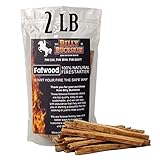
Another dependable option is natural fatwood. Fatwood comes from the resin-rich stump wood of fallen pine trees. The high concentration of natural pine resin makes these small wooden sticks highly flammable, even in damp conditions. Tucking two fatwood sticks into your kindling layer provides sustained flame that ignites seasoned split logs reliably without requiring any artificial additives.
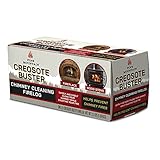
A sturdy set of fireplace tools is equally important for daily operation. Look for heavy wrought iron or steel sets that include long-handled tongs, a poker, a shovel, and a natural-bristle hearth brush. Long tongs allow you to reposition burning logs safely without reaching your hands near the heat, and a poker lets you shift logs to open up air channels if the fire begins to stall. You can also look into specialized chimney maintenance logs that release mineral compounds to help dry out sticky creosote deposits between professional chimney cleanings.

- BWP Score8.8
BWP Score is a ranking system developed by Bestwinterproducts.com. BWP score has no relationship or impact from any manufacturers or sales agent websites. Learn more
- BrandMajosta

- BWP Score9.5
BWP Score is a ranking system developed by Bestwinterproducts.com. BWP score has no relationship or impact from any manufacturers or sales agent websites. Learn more
- BrandDextreme

- BWP Score9.4
BWP Score is a ranking system developed by Bestwinterproducts.com. BWP score has no relationship or impact from any manufacturers or sales agent websites. Learn more
- BrandTRULite Grill Starter

- BWP Score7.8
BWP Score is a ranking system developed by Bestwinterproducts.com. BWP score has no relationship or impact from any manufacturers or sales agent websites. Learn more
- BrandDextreme

- BWP Score7.2
BWP Score is a ranking system developed by Bestwinterproducts.com. BWP score has no relationship or impact from any manufacturers or sales agent websites. Learn more
- BrandShwuevei

Duraflame Firestarters with Long Stick Matches – Easy-to-Light, Clean-Burning Fireplace
View on Amazon- BWP Score8.6
BWP Score is a ranking system developed by Bestwinterproducts.com. BWP score has no relationship or impact from any manufacturers or sales agent websites. Learn more
- BrandDuraflame

- BWP Score7.8
BWP Score is a ranking system developed by Bestwinterproducts.com. BWP score has no relationship or impact from any manufacturers or sales agent websites. Learn more
- BrandBILLY BUCKSKIN HOME & BEAUTY
- BWP Score8.8
BWP Score is a ranking system developed by Bestwinterproducts.com. BWP score has no relationship or impact from any manufacturers or sales agent websites. Learn more
- BrandBILLY BUCKSKIN HOME & BEAUTY

- BWP Score8.9
BWP Score is a ranking system developed by Bestwinterproducts.com. BWP score has no relationship or impact from any manufacturers or sales agent websites. Learn more
- BrandSUPERCEDAR FIRESTARTERS
- BWP Score9.7
BWP Score is a ranking system developed by Bestwinterproducts.com. BWP score has no relationship or impact from any manufacturers or sales agent websites. Learn more
- BrandPine Mountain

- BWP Score9.3
BWP Score is a ranking system developed by Bestwinterproducts.com. BWP score has no relationship or impact from any manufacturers or sales agent websites. Learn more
- BrandTomersun
Last update on 2026-10-02 / Affiliate links / Images, Product Titles, and Product Highlights from Amazon Product Advertising API
FAQs
How do I know if the fireplace damper is open or closed?
You can verify the damper position by shining a flashlight directly up through the firebox grate. If the damper is open, you will see past the metal frame into the open dark chamber of the chimney flue. If it is closed, a flat cast-iron plate will sit horizontally across the opening, blocking the passage completely.
Can I burn cardboard or glossy wrapping paper to start the fire?
You should never burn cardboard, glossy magazines, or gift wrapping paper in a wood-burning fireplace. Cardboard and wrapping paper contain synthetic glues, colored inks, and chemical coatings that release toxic fumes into your home. These thin materials also ignite violently and create lightweight floating embers that can escape the chimney top and land on your roof.
When is it safe to close the fireplace damper after a fire?
Only close the damper after the fire is completely out and all leftover embers have turned cold to the touch. Even when flames are no longer visible, glowing coals produce invisible, dangerous carbon monoxide gas that must exhaust up the chimney. Once the fire is completely extinguished the next morning, knowing how to close a fireplace damper tightly keeps warm room air from escaping up the chimney.


12 Best Corner Electric Fireplace 2026: My Ultimate Guide To Pick One

Dimplex Prism Wall Mount Fireplace: Sleek Heat With Modern Flame Style
Best Electric Fireplace Insert for Large Room Heating and Style

Best 40 Inch Electric Fireplace Insert 2026 - Cozy Ambiance with Modern Power
Top 12 Best Quality Electric Fireplace 2026 - Buying Guides

Best Wall Mount Electric Fireplace 2026 for Ultimate Comfort and Style

How to Start Monessen Fireplace: A Step-by-Step Guide

How to Whitewash Rock Fireplace: Simple Steps to Refresh Your Space