
How to Stop Chicken Water From Freezing With a Safe Heater?

Warming the drinker directly with a low-wattage heater is the safest way to keep water liquid without warming the entire coop. The exact method changes based on whether the water fount is plastic or galvanized metal. Trying to heat the surrounding air with lamps creates a serious fire hazard near dry shavings. Using a dedicated water heater keeps the liquid flowing right where the birds drink, without risking a coop fire.
Daily temperatures and electrical access also shape the right setup. Deep sub-zero freezes often call for a submersible cable rather than a heated base, particularly in drafty spaces. Power safety matters just as much, requiring an outdoor safety outlet that cuts power instantly if moisture gets in, plus a shielded cord to stop curious beaks from pecking wires. Here is how to warm the drinker safely and keep clean water running all winter.
The Short Version
- Warm the drinker directly: Use a dedicated, low-power water heater instead of warming the coop air. This keeps water open without creating fire hazards or dangerous humidity.
- Match heater to container: Metal heated bases work under galvanized metal founts, while flat silicone pads and submersible cords work best for plastic buckets or nipple drinkers.
- Elevate off all bedding: Always set heated bases on a solid concrete paver or cinder block. Never place electrical heating equipment directly on pine shavings, straw, or dry litter.
- Shield every wire: Run power cords through rigid plastic pipe or metal conduit so curious birds cannot peck the insulation and cause a short circuit.
Why Direct Water Heating Beats Coop Space Heating
Chickens handle cold winter weather far better than humans do. Their bodies run a natural temperature around 105 to 107 degrees Fahrenheit, and they trap warm air against their skin using fluffy down feathers. When nighttime temperatures drop below freezing, chickens tuck their feet beneath their breast feathers, pull their heads into their shoulders, and puff out their plumage to stay warm. Because of this natural insulation, adult chickens rarely need a heated room. What they actually need every single morning is clean, liquid drinking water.
Trying to warm the entire chicken coop with a standard space heater creates severe safety hazards. Chicken coops are filled with combustible materials: dry pine shavings, straw, dry droppings, feather dust, and dander. A high-power space heater or a traditional heat lamp can easily ignite this dry dust if knocked over or coated in airborne dander. While you might use a safe electric heater for a garage with a thermostat to warm a clean workshop, coops are far dustier and present completely different fire risks.
Warming the coop air also creates moisture problems. Chickens breathe out significant amounts of water vapor, and their droppings are largely liquid. When you heat coop air without massive airflow, that moisture stays suspended in the warm air. As soon as that warm, moist air hits a cold coop ceiling or drafty wall, it condenses into water droplets. Wet feathers and damp combs drastically increase the danger of frostbite. In severe cold, cold dry air is safe for chickens, but cold damp air is dangerous.
Targeting heat directly at the drinker solves the freezing problem at the source. Instead of drawing 1,500 watts to warm drafty air, a direct water heater uses tiny amounts of power. Wattage refers to electric power use and heat output. Low-wattage water heaters provide just enough surface warmth to stop ice crystals from bonding together. The coop air stays naturally dry and ventilated, the birds stay safe in their natural down coats, and their water remains liquid around the clock.
Choosing the Right Safe Heater for Your Drinker
Selecting the best water heater depends on the container you currently use to water your flock. Different materials conduct heat differently, and using the wrong heater can melt plastic or waste electricity.
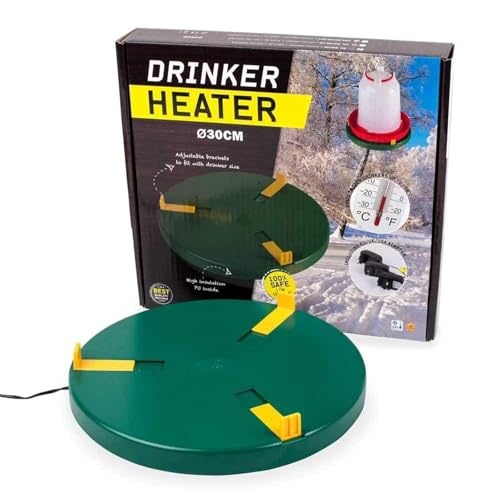
Metal heated bases are heavy metal platforms designed to sit beneath flat-bottom water founts. They contain internal heating elements that warm the metal pan, radiating heat upward into the drinker. These bases are the gold standard for heavy galvanized steel founts because the metal container absorbs and spreads the heat evenly across the water volume. Some bases feature adjustable tabs to hold different container sizes securely in place. However, always check the product label before placing a thin plastic bucket on a metal base, as uneven heat can warp soft plastics.
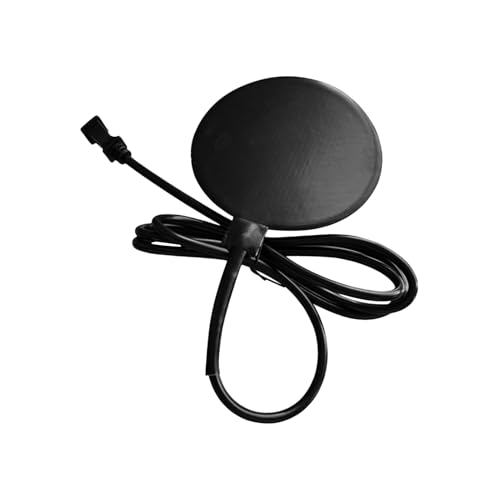
Silicone heating pads offer a gentle, flexible alternative for plastic drinkers. These pads use flat heating wires encased in durable, waterproof silicone rubber. Running at very low power levels, they deliver steady, mild warmth directly to the bottom of plastic buckets, gravity founts, or poultry water pans. Silicone pads do not get hot enough to scorch or melt plastic, making them ideal for standard five-gallon plastic poultry drinkers.
Submersible heating cords or de-icer cables sit directly inside the water container. Submersible means the heating element is safe to put completely under water. The heating portion of the cable rests at the bottom of the bucket or drinker, warming the water from the center outward. Because the element is fully submerged, almost no heat is lost to the surrounding air, making these cables exceptionally energy efficient. They are especially useful for five-gallon buckets fitted with poultry drinking nipples, as keeping the core water warm prevents the tiny metal nipple valves from freezing shut.
How to Set Up a Heated Waterer Away From Bedding
Installing a water heater inside a coop requires deliberate placement to eliminate fire risks and prevent accidental spills. Follow these practical steps to build a safe winter watering station.
- Choose a sheltered, accessible spot. Position the waterer inside the coop or in an enclosed, covered run where prevailing winds cannot blast the surface. Similar to how someone might block winter wind when setting up a heater for an enclosed porch, shielding your drinker from icy drafts prevents rapid surface freezing. Keep the station clear of roosting bars so droppings cannot fall into the drinking pan.
- Build a solid, non-flammable platform. Never place an electric heating base, pad, or cord directly on top of wood shavings, straw, or paper bedding. Dry bedding acts as an insulator, trapping heat against the device and creating a potential fire hazard. Instead, place one or two solid concrete patio pavers or a heavy cinder block on the coop floor. Clear away all shavings around the base of the block so bare concrete meets the heater.
- Level and secure the drinker. Set your heated base or pad flat on top of the concrete paver, then set the filled drinker on top. Check that the waterer sits completely level. An unlevel drinker will spill, soaking your coop bedding and creating freezing puddles that chill your flock's feet. If you are using a submersible cable, drop the heated portion to the bottom of the bucket and anchor the cord over the top rim so birds cannot dislodge it.
- Shield and route the power cord. Chickens are naturally curious animals that peck at anything contrasting with their surroundings, including colored electrical wires. Slide the electrical cord through a section of rigid PVC pipe, metal flex conduit, or heavy split-tubing from the base of the drinker all the way up out of the flock's reach. Secure the conduit to the coop wall with pipe straps or heavy zip ties.
- Connect to power and observe. Plug the cord into your power source. Check the water surface after an hour to confirm warmth is distributing evenly. Feel the concrete base beneath the heater to confirm it remains cool or mildly warm to the touch, and verify that bedding remains kicked back away from the platform.
Essential Coop Electrical Safety Checklist
Water and electricity in a dusty coop require strict safety practices. Review this checklist before leaving any heating gear plugged in overnight.
- Use a dedicated GFCI outlet: A GFCI outlet is an outdoor safety outlet that shuts off power instantly if moisture gets in or if an electrical fault occurs. Never plug a coop heater into an unprotected indoor outlet. If your coop does not have a safety outlet, have a licensed electrician install one on an exterior wall.
- Avoid flimsy extension cords: If you must run power to the coop, use a heavy-duty, outdoor-rated, three-prong grounded cord sized for outdoor weather. Never use thin indoor lamp extension cords, which crack in freezing temperatures and overheat easily.
- Install weatherproof connection boxes: If an extension cord connects to the heater cord outside or near the coop entrance, enclose the plug connection in a water-resistant cord gasket or safety capsule. This keeps melted snow and rain from shorting out the connection.
- Form a drip loop: Before the power cord enters the outlet or the coop wall, let the cord droop slightly below the receptacle before rising into the plug. This downward curve forces rainwater or condensation to drip harmlessly onto the ground instead of running directly into the electrical socket.
- Keep cords off the coop floor: Suspend excess cord lengths along the ceiling or high on the wall using screw hooks. Loose cords resting on the bedding invite rodent chewing and chicken scratching.
What to Look for in a Safe Poultry Water Heater
When shopping for winter watering gear, focus on products designed specifically for agricultural or poultry use rather than general household warmers. A safe poultry heater should always run on low wattage so it warms the water without presenting a fire risk. Low-power units provide plenty of warmth to prevent freezing down into negative temperatures while keeping operating costs negligible.
Look for sturdy, rust-resistant materials such as heavy-gauge stainless steel or heavy molded silicone. The device should carry clear marks showing it is listed by recognized safety authorities, confirming it meets electrical standards for damp outdoor locations. Check that the heater includes automatic temperature controls, meaning it turns on automatically when temperatures near freezing and turns off when the weather warms. Finally, inspect the power cord design. Models equipped with bite-resistant steel wraps or heavy rubber jackets save you installation time and provide peace of mind in busy coops.

- BWP Score8.3
BWP Score is a ranking system developed by Bestwinterproducts.com. BWP score has no relationship or impact from any manufacturers or sales agent websites. Learn more
- BrandRiakrum
- BWP Score7.9
BWP Score is a ranking system developed by Bestwinterproducts.com. BWP score has no relationship or impact from any manufacturers or sales agent websites. Learn more
- BrandGeneric
- BWP Score8.2
BWP Score is a ranking system developed by Bestwinterproducts.com. BWP score has no relationship or impact from any manufacturers or sales agent websites. Learn more
- BrandMy Favorite Chicken

- BWP Score7.8
BWP Score is a ranking system developed by Bestwinterproducts.com. BWP score has no relationship or impact from any manufacturers or sales agent websites. Learn more
- Brandsuooydoy
Last update on 2026-10-13 / Affiliate links / Images, Product Titles, and Product Highlights from Amazon Product Advertising API
FAQs
Can I put a heated base under a plastic chicken waterer?
Only use a heated base under plastic if the manufacturer clearly states the base is safe for plastic containers. Some metal bases generate higher surface temperatures that can warp, weaken, or melt thin plastic bottoms, leading to leaks. If you use plastic founts, choose a base with built-in overheat protection or opt for a low-power silicone heating pad designed specifically for plastic buckets.
Can chickens get an electric shock from a submersible water heater?
Properly built submersible heaters are completely sealed and grounded to prevent electrical current from leaking into the water. As long as the unit is undamaged, listed for wet use, and plugged into an outdoor safety outlet (a GFCI outlet), your flock will not feel any shock. Always inspect the cord casing regularly for cracks and discard any unit showing signs of physical wear.
Do chickens need warm water, or just liquid water?
Chickens do not require warm or heated water; they simply need clean water that is not frozen solid. Poultry water heaters are deliberately engineered just to keep water slightly above 32 degrees Fahrenheit to prevent ice formation. Chickens will happily drink cold liquid water all winter long without any reduction in health or egg production.
What should I do if the power goes out during a winter freeze?
Keep a spare, unheated rubber feed bowl on hand as an emergency backup. Rubber bowls flex easily, allowing you to pop out solid blocks of ice with a quick tap against the ground without cracking the container. Carry fresh water out to the flock twice a day until electrical power returns to your coop.


Best Warm Winter Scarves 2026 For Cozy Comfort

Best Green Ski Goggles 2026 For Clear Vision On Slopes

12 Best Corner Electric Fireplace 2026: My Ultimate Guide To Pick One

Best Battery Powered Snow Blower 2026 For Effortless Snow Clearing

Best Ski Goggles Under 30 Inches For Crisp Vision And Comfort

Best Cooling Scarf 2026 For Instant Relief And Comfort

Fake Snow for Grass: Create a Realistic Winter Lawn Display

Dimplex Prism Wall Mount Fireplace: Sleek Heat With Modern Flame Style





