How to Troubleshoot a Gas Fireplace Like a Pro

Many homeowners feel a chill of panic when their gas fireplace stops working, especially on a freezing night. But truth be told, most issues can be solved without calling in a technician. Knowing how to troubleshoot a gas fireplace can save you both money and time, while helping you understand your heating system better. Whether it’s a pilot light that won’t stay lit, strange odors, or a fire that refuses to ignite, there are simple, safe steps you can take before jumping to expensive repairs. This guide dives deep into the common causes behind those frustrating malfunctions, like blocked air vents, faulty thermocouples, or issues with gas supply lines, and gives you clear, practical solutions to fix them. You'll also learn how to recognize safety red flags, so you know when to handle it yourself and when to call an expert. Plus, we’ll walk you through smart maintenance habits that keep your fireplace running efficiently all winter long. From checking ignition switches to cleaning burner ports, every small action makes a big difference. And the best part? You don’t need to be a professional to do it. With the right steps and a bit of patience, you can bring back the comfort and warmth your family loves without the stress of costly service calls. So, if your gas fireplace is acting up, don’t panic. This complete guide on how to troubleshoot a gas fireplace will help you solve problems fast, safely, and with confidence.
Nothing ruins a cozy evening faster than a gas fireplace that won’t ignite. You flip the switch, expecting that warm, welcoming glow, and instead, you’re left staring at cold glass. Frustrating, right? The good news is that most fireplace issues are not as scary as they seem. Once you understand how to troubleshoot a gas fireplace, you’ll realize that many problems have simple fixes hiding in plain sight. Maybe it’s the pilot light refusing to stay lit, or the thermopile acting up, or perhaps the remote control isn’t responding. These hiccups are common and often come down to dust buildup, weak connections, or a quick safety reset. This guide takes you step-by-step through the most likely culprits and how to get things burning beautifully again. You’ll also pick up crucial safety knowledge, like spotting gas leaks, avoiding ventilation issues, and maintaining proper airflow, that keeps your home both warm and safe. Whether you’re a homeowner trying to cut down on service costs or simply someone who enjoys the quiet crackle of a working gas fireplace, this guide will help you fix issues fast and keep the heat flowing all season long.

- BWP Score10.0
BWP Score is a ranking system developed by Bestwinterproducts.com. BWP score has no relationship or impact from any manufacturers or sales agent websites. Learn more
- BrandHOMREST

- BWP Score9.4
BWP Score is a ranking system developed by Bestwinterproducts.com. BWP score has no relationship or impact from any manufacturers or sales agent websites. Learn more
- BrandMr. Fireglass
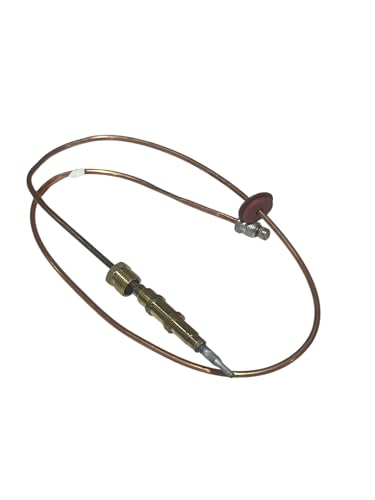
- BWP Score9.0
BWP Score is a ranking system developed by Bestwinterproducts.com. BWP score has no relationship or impact from any manufacturers or sales agent websites. Learn more
- BrandFixitshop

- BWP Score9.0
BWP Score is a ranking system developed by Bestwinterproducts.com. BWP score has no relationship or impact from any manufacturers or sales agent websites. Learn more
- BrandSkyflame

- BWP Score9.0
BWP Score is a ranking system developed by Bestwinterproducts.com. BWP score has no relationship or impact from any manufacturers or sales agent websites. Learn more
- BrandStanbroil

- BWP Score8.6
BWP Score is a ranking system developed by Bestwinterproducts.com. BWP score has no relationship or impact from any manufacturers or sales agent websites. Learn more
- BrandUniflasy

- BWP Score8.6
BWP Score is a ranking system developed by Bestwinterproducts.com. BWP score has no relationship or impact from any manufacturers or sales agent websites. Learn more
- BrandVicluke

- BWP Score8.2
BWP Score is a ranking system developed by Bestwinterproducts.com. BWP score has no relationship or impact from any manufacturers or sales agent websites. Learn more
- BrandONLYFIRE OUTDOOR LIVING
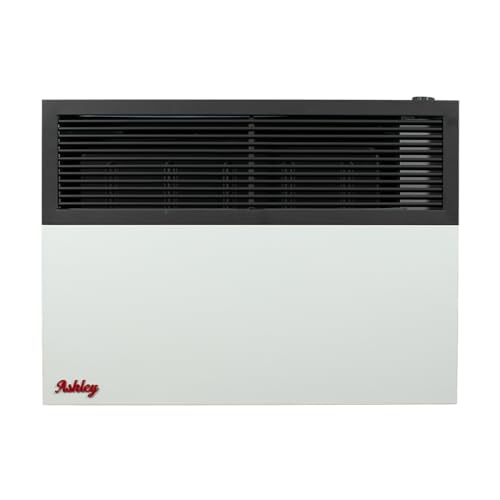
- BWP Score7.2
BWP Score is a ranking system developed by Bestwinterproducts.com. BWP score has no relationship or impact from any manufacturers or sales agent websites. Learn more
- BrandAshley

- BWP Score-
BWP Score is a ranking system developed by Bestwinterproducts.com. BWP score has no relationship or impact from any manufacturers or sales agent websites. Learn more
- BrandReal Flame
Last update on 2023-09-14 / Affiliate links / Images, Product Titles, and Product Highlights from Amazon Product Advertising API
There’s nothing more frustrating than flicking the switch and realizing your gas fireplace won’t ignite. For many homeowners, that single click followed by silence can trigger panic. But before calling for service, recognize the warning signs your unit is trying to send you. A flickering or weak flame, a sulfur-like odor, or even soot buildup on the glass can all point toward minor issues that are easy to fix.
One of the most common signs of trouble is when the pilot light keeps going out. It’s often caused by a dirty thermocouple or weak gas flow. Similarly, if your flames look lazy or yellow instead of bright blue, it could mean poor oxygen supply or clogged burner ports. Addressing these small cues early helps you prevent bigger breakdowns later.
Another key symptom is the smell of gas. If you notice that faint rotten-egg scent, turn off your fireplace immediately and ventilate the room. This is one of those moments where safety outweighs curiosity. You don’t need to be a professional to spot issues, just trust your senses and act quickly.
A humming noise, unusual clicks, or even carbon residue on logs also reveal hidden problems. These may seem harmless, but they can signal wear and tear inside the ignition system. The more you pay attention to these clues, the easier it becomes to fix them before they snowball into costly repairs.
Before you grab your tools, start with the safest first step, turning off the gas supply. Wait at least five minutes before doing anything else. This prevents residual gas from causing unexpected ignition. Once safe, move on to checking your pilot light. If it’s out, clean the thermocouple and thermopile using a soft brush or compressed air to remove carbon buildup.
If your fireplace won’t stay lit, inspect the gas valve. Sometimes, it’s only partially open or blocked by dust. Gently rotate it back and forth to clear any debris, then return it to the ON position. Next, test your wall switch or remote control, low batteries can cause ignition delays that mimic larger problems.
For electronic ignition fireplaces, a common fix involves resetting the control module. Unplug the unit, wait 30 seconds, and plug it back in. That simple restart can often resolve the issue. In manual models, check if your spark igniter is producing visible sparks when pressed; if not, it might need replacement.
Once everything seems in order, light the pilot again. If your flame is steady and blue, you’re good to go. If it’s flickering or orange, you might need to adjust the air shutter to balance oxygen and gas flow. These small calibrations make all the difference between a roaring flame and one that fizzles out mid-evening.
Ask any technician, and they’ll tell you the pilot light is the heart of your gas fireplace. When it malfunctions, everything else goes dark. The good news? It’s usually an easy fix once you know what’s wrong. The pilot’s flame relies on a delicate balance of gas flow, air pressure, and a responsive thermocouple to stay lit. When any of these are off, your fireplace simply won’t cooperate.
The main culprit is usually dirt or soot blocking the pilot orifice. Even a small particle can prevent the flame from touching the thermocouple properly. Use a fine wire or compressed air to clean it gently. Avoid poking it too hard, as you could damage the metal tube.
If cleaning doesn’t help, the issue might lie with a faulty thermocouple. This small sensor detects whether the pilot flame is on and controls gas flow accordingly. A weak or worn-out thermocouple can cut off gas even if the flame is stable. Replacing it is inexpensive and often brings your unit back to life immediately.
Lastly, consider drafts or ventilation issues. Sometimes, a breeze through a chimney or flue can snuff out the flame. Make sure your fireplace doors close properly and your flue is partially open. Once you’ve stabilized airflow, your pilot light will likely behave again, no technician required.
Few things are as confusing as hearing your gas fireplace click but seeing no flame. Ignition failure often comes down to two main problems: weak electrical connection or blocked fuel supply. The ignition system needs a steady power source to spark. If it’s electronic, always start by checking the batteries in the remote or wall switch.
Next, ensure your gas valve is fully open. Even a slight closure reduces pressure and keeps the fire from catching. If you hear the spark but no flame appears, it might mean clogged burner ports are blocking gas flow. Use a soft brush or vacuum to clear the ports before trying again.
In some cases, moisture buildup in the ignition assembly can stop sparks from forming. If your fireplace sits idle through humid months, that moisture can cause corrosion. A quick wipe-down or replacement of the ignition electrode often resolves the issue.
Still no luck? Try resetting the safety shutoff feature. This safety mechanism prevents gas leaks but can sometimes trigger unnecessarily. Simply turn off the gas, wait five minutes, and try lighting it again. Most fireplaces will roar back to life once the system resets itself.
If your flames look weak, yellow, or uneven, that’s a clear indicator of airflow or pressure imbalance. The ideal flame should burn bright blue with a slight orange tip, steady and symmetrical. Anything else means it’s time for adjustment. Start by inspecting your air shutter valve, located near the burner. Opening it slightly increases oxygen and strengthens the flame.
Low gas pressure can also create lazy flames. Check the regulator if you’re connected to propane, or call your gas company if using natural gas. Fluctuations in supply often affect multiple appliances at once, so it’s worth confirming before tinkering too much.
Another hidden cause? Dirty burners. Over time, dust, pet hair, and soot accumulate inside. This buildup restricts gas flow and causes patchy combustion. Turn off the unit, remove the burner assembly, and clean it using a soft brush and mild detergent.
Finally, look at your ventilation setup. Poor airflow keeps combustion gases trapped inside, lowering flame efficiency. Once airflow is balanced, you’ll notice stronger flames and consistent heat across the room, a simple fix that brings instant comfort.
Troubleshooting is great, but prevention is even better. A well-maintained gas fireplace not only performs efficiently but also keeps energy costs down. Start by scheduling a yearly professional inspection to ensure your components, especially thermocouple, pilot assembly, and ignition system, are in top shape.
At home, commit to monthly cleanings during heating season. Wipe the glass with a non-abrasive cleaner, vacuum around the burner, and check the vent cap outside for blockages. This keeps dust and debris from interfering with airflow and gas pressure.
Don’t ignore gasket seals around the door or frame. Over time, they dry out and leak air, reducing performance and safety. A quick replacement every few years can make a world of difference.
Finally, remember to test your carbon monoxide detector regularly. It’s your silent guardian that ensures the air you breathe remains safe. With a consistent maintenance routine, your fireplace will not only burn brighter but also save you from the headaches of frequent troubleshooting.
Even the most advanced fireplace will fail if it’s covered in grime. Regular cleaning is one of the simplest yet most overlooked ways to keep your gas fireplace efficient and safe. Over time, dust, pet hair, and soot collect around the burner and logs, creating obstructions that block airflow and distort the flame pattern.
Start by turning off the gas and letting the fireplace cool completely. Remove the glass panel carefully, placing it on a soft surface to avoid scratches. Use a non-ammonia glass cleaner or a vinegar solution to remove haze and residue that dull the glow of your flames. While you’re at it, inspect for black soot streaks, a sign that your air-to-fuel ratio may be off.
Next, clean the burner ports and pilot assembly using compressed air or a soft brush. Avoid using metal tools, as they can damage delicate components. Check the vent or flue for blockages such as bird nests or debris that restrict airflow. A clear vent ensures that combustion gases exit safely while maximizing heat output.
Finish by dusting the logs and interior surfaces. Always handle ceramic logs gently to prevent cracking. Once reassembled, you’ll notice not only stronger, more vibrant flames but also less odor and soot buildup in future use.
If your pilot light refuses to stay lit, odds are your thermocouple or thermopile is the culprit. These small sensors act as the communication line between the flame and the gas valve, telling your system it’s safe to stay on. When they weaken or get dirty, your gas flow automatically shuts off, a safety feature that saves lives but can drive homeowners crazy when malfunctioning.
To test it, light your pilot and hold the control knob for about 30 seconds. If the flame goes out as soon as you release, your thermocouple isn’t generating enough voltage. You can measure it using a multimeter; readings below 20 millivolts usually mean replacement time.
Removing it is straightforward: disconnect the gas supply, locate the sensor beside the pilot, and unscrew the fitting. Clean it gently with fine steel wool if it’s just sooty. If still unresponsive, install a new one. Most models are universal and inexpensive, costing less than a dinner out but saving you hundreds in service fees.
For thermopiles, the process is similar but requires more careful wiring. They produce higher voltage to power your ignition and remote system. If your fireplace won’t start even though the pilot burns steady, that’s your sign to swap it. The key is patience, tighten connections firmly but never overtighten, as these components are sensitive.
Sometimes, your fireplace isn’t broken, it’s just not getting the signal. Many homeowners overlook their remote control or wall switch, assuming the issue is mechanical when it’s actually electronic. If pressing the button yields no flame, start by checking the batteries in both the remote and receiver. Weak power can cause inconsistent responses or total silence.
Next, examine the receiver box located near the base of your fireplace. Ensure the switch is set to “REMOTE” and that all wires are securely attached. A loose wire can break the circuit, cutting off ignition entirely. If you hear a faint clicking sound when pressing the remote but no flame, that’s a sign your control module is working but the gas flow is interrupted.
In wall-switch setups, test for continuity using a multimeter. If the circuit is open, replace the switch, it’s an easy, low-cost fix. Also, inspect for corrosion or dust around terminals, as buildup can reduce electrical conductivity.
Sometimes, environmental factors like interference from other wireless devices can cause delays. Repositioning the receiver or adjusting the frequency can solve those ghost problems quickly. Once the connection is reestablished, your fireplace should ignite instantly, restoring that cozy warmth you’ve been missing.
No matter how confident you feel after reading repair guides, safety should always come first. Gas is powerful, and while modern fireplaces are designed with numerous safeguards, mistakes can happen. Start by ensuring you have a carbon monoxide detector near the fireplace. It’s your first defense against leaks or incomplete combustion.
Never attempt repairs without first shutting off the gas supply. Even a tiny leak can become dangerous. Use a soap-and-water solution to check for leaks, if you see bubbles forming, close the valve and call a professional immediately.
Another crucial safety rule: keep flammable materials at least three feet away. Drapes, paper, and decorations can ignite easily when exposed to high heat. Regularly inspect your ventilation system too. Poor airflow can lead to soot buildup or dangerous fumes inside your home.
Finally, always maintain annual professional inspections. A certified technician can spot early signs of wear that homeowners often miss, such as cracks in the firebox or corrosion near fittings. Safety isn’t optional, it’s the invisible foundation of every warm, glowing fire.
Beyond warmth, a well-maintained gas fireplace can actually save you money. A clean, properly tuned unit burns fuel more efficiently, converting more gas into heat and less into wasted exhaust. If your flame burns weakly or unevenly, your system may be working overtime and wasting energy.
Installing a programmable thermostat or remote with temperature control helps regulate heat output and maintain comfort without overconsumption. For example, lowering the thermostat by just two degrees can cut gas costs by nearly 10% annually. Small adjustments lead to noticeable savings.
Sealing gaps around the fireplace frame or vent also prevents heat loss and drafts, especially in older homes. Combine that with routine maintenance, clean filters, unobstructed vents, and tight connections, and you’ll enjoy both efficiency and reliability.
Lastly, consider switching to energy-efficient ceramic logs or reflective panels. These enhance heat radiation and reduce fuel demand. Over time, those little improvements compound, keeping both your home and wallet warmer.
DIY fixes can handle most issues, but there comes a point when it’s wiser to call an expert. If you smell gas even after turning off the valve, or if your flame remains unstable despite cleaning and resets, a technician should take over. Professionals have tools to measure gas pressure, inspect valves, and calibrate sensors with precision.
Call for service if you notice soot forming rapidly, as this indicates incomplete combustion or poor ventilation. Similarly, if the glass becomes excessively hot or discolors, it might signal blocked air channels or a malfunctioning fan.
Technicians can also handle complex electrical issues, such as control module replacements or wiring problems that require testing beyond basic tools. And remember: never attempt to modify or bypass safety sensors, they exist for a reason.
The smartest approach to fireplace ownership is balance. Handle simple fixes yourself, but trust certified experts for anything involving gas flow or electrical control. That way, your fireplace remains a source of comfort, not concern, all winter long.

12 Best Corner Electric Fireplace 2026: My Ultimate Guide To Pick One
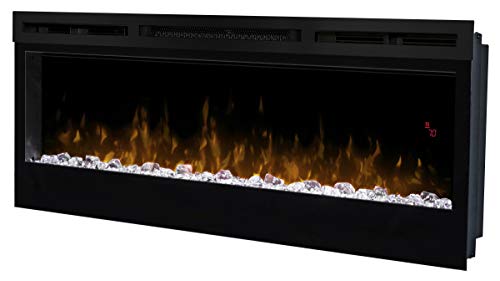
Dimplex Prism Wall Mount Fireplace: Sleek Heat With Modern Flame Style
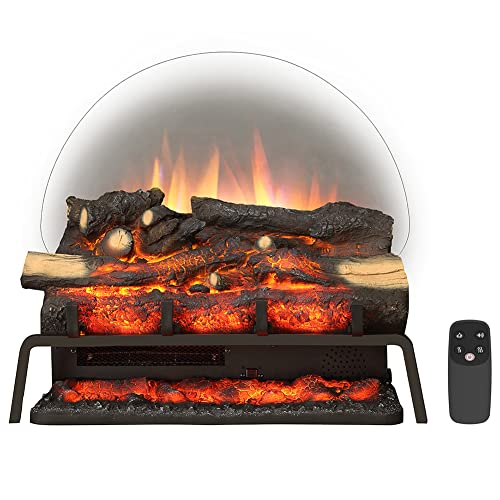
Best Electric Fireplace Insert for Large Room Heating and Style

Best 40 Inch Electric Fireplace Insert 2026 - Cozy Ambiance with Modern Power
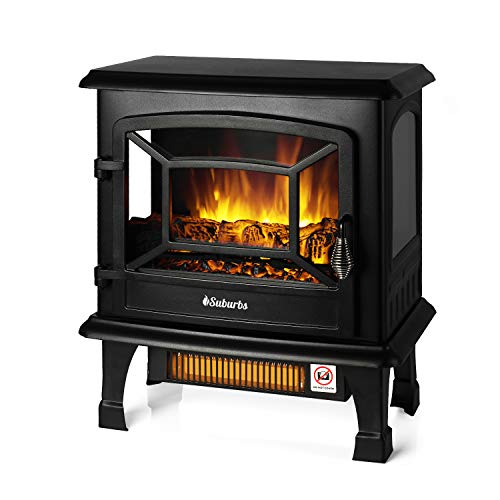
Top 12 Best Quality Electric Fireplace 2026 - Buying Guides

Best Wall Mount Electric Fireplace 2026 for Ultimate Comfort and Style

How to Start Monessen Fireplace: A Step-by-Step Guide

How to Whitewash Rock Fireplace: Simple Steps to Refresh Your Space