How to Turn Off Gas to Fireplace Safely

How to turn off gas to fireplace sounds simple until you're standing in front of the unit wondering which valve actually controls the gas. One wrong assumption can leave the supply running or make you question whether everything is truly shut off. That's exactly why understanding the process before touching anything matters. A few careful observations and a calm approach can save frustration while helping protect both your fireplace and the people around it.
Gas fireplaces usually include a dedicated shutoff valve, but its location isn't always obvious. Some are tucked behind an access panel, while others sit underneath the firebox or inside a nearby wall cavity. Spotting the correct valve instead of guessing helps avoid unnecessary stress. Safety starts with identifying the right component rather than rushing through the job.
Little details often make the biggest difference. Waiting until the fireplace has cooled, keeping the surrounding area well lit, and making sure children or pets stay away all contribute to a smoother experience. Those habits don't take much effort, yet they reduce distractions that can lead to simple mistakes. It's better to slow down for a minute than second guess yourself afterward.
Some fireplaces rely entirely on a manual gas valve, while others combine electronic ignition systems, wall switches, or remote controls. Turning the fireplace off with a switch isn't always the same as shutting off the gas supply. That's where many people get tripped up. Knowing the difference between powering down the appliance and stopping the gas flow keeps expectations realistic.
Gas shutoff valves generally use a straightforward design. Once the handle is turned perpendicular to the gas line, the supply is typically closed. Even so, it's worth checking your owner's instructions because manufacturers sometimes use slightly different layouts. Taking a few extra moments to confirm the position beats relying on guesswork every single time.
Maintenance often creates another reason to shut off the gas. Cleaning the firebox, replacing decorative media, inspecting the pilot assembly, or preparing the fireplace for seasonal storage all become safer with the fuel supply disconnected. Small maintenance jobs feel far less intimidating when the first step is handled correctly. That confidence grows each time the process becomes familiar.
If you ever notice a rotten egg smell, hear an unusual hissing sound, or suspect a gas leak, stop immediately. Shut off the gas only if it's safe to do so, leave the area, and contact your gas utility or emergency services. Personal safety always comes before troubleshooting the fireplace. No household project is worth taking unnecessary risks.
Building confidence around how to turn off gas to fireplace isn't about memorizing complicated instructions. It's about understanding what each control does, recognizing warning signs, and following a logical routine every time. Those practical habits make seasonal maintenance, inspections, and unexpected situations much easier to handle without unnecessary anxiety.

- BWP Score10.0
BWP Score is a ranking system developed by Bestwinterproducts.com. BWP score has no relationship or impact from any manufacturers or sales agent websites. Learn more
- BrandHHT
- BWP Score9.1
BWP Score is a ranking system developed by Bestwinterproducts.com. BWP score has no relationship or impact from any manufacturers or sales agent websites. Learn more
- BrandR.W.FLAME

- BWP Score8.4
BWP Score is a ranking system developed by Bestwinterproducts.com. BWP score has no relationship or impact from any manufacturers or sales agent websites. Learn more
- BrandThe-new-style

- BWP Score8.6
BWP Score is a ranking system developed by Bestwinterproducts.com. BWP score has no relationship or impact from any manufacturers or sales agent websites. Learn more
- BrandEUHOMY
- BWP Score8.2
BWP Score is a ranking system developed by Bestwinterproducts.com. BWP score has no relationship or impact from any manufacturers or sales agent websites. Learn more
- BrandFireAvert
- BWP Score7.0
BWP Score is a ranking system developed by Bestwinterproducts.com. BWP score has no relationship or impact from any manufacturers or sales agent websites. Learn more
- BrandThe-new-style
Last update on 2026-07-25 / Affiliate links / Images, Product Titles, and Product Highlights from Amazon Product Advertising API
How To Turn Off Gas To Fireplace Safely
A quiet fireplace can still leave one nagging question: Is the gas actually off, or did the wall switch only stop the flames? That uncertainty tends to show up before cleaning, seasonal shutdowns, home renovations, or a long trip away. Learning how to turn off gas to fireplace means separating everyday controls from the valve that physically stops fuel flow. The process isn't complicated, but rushing, forcing a stuck control, or confusing one valve with another can create a real safety problem.
Turning Off The Fireplace Without Guesswork
Start by letting the fireplace finish its normal shutdown cycle and allowing every exposed surface to cool. Glass fronts, metal trim, ceramic logs, and nearby panels can remain hot after the flames disappear, so don't reach into the control compartment right away. Move rugs, baskets, pet beds, and loose decorations away from the work area to create clear access. Good lighting matters too, especially when the control valve sits behind a dark lower panel.
Use the wall switch, remote, thermostat, or control button to turn the burner off in the normal way. Watch the flame until it goes out completely, but don't assume this step has stopped all gas entering the fireplace system. Many units keep a standing pilot lit, while electronic ignition models may leave the main gas valve available for the next call for heat. That difference between turning off the flame and shutting off the gas supply is the detail that trips up plenty of homeowners.
Listen for unusual sounds before opening an access panel. A faint mechanical click during shutdown may be normal, but persistent hissing deserves caution, particularly if it comes with a sulfur-like or rotten egg odor. If you smell gas or suspect an active leak, don't continue searching for controls, don't operate lights, and don't use a phone while standing inside the building. Leave the home immediately and contact the gas utility or emergency services from a safe location.
Check the manufacturer's manual before removing fixed glass, decorative logs, or sealed covers. The lower control panel on many fireplaces is designed to open, but the main glass assembly may require specific latches and handling steps. Forcing parts out of the way can disturb burner components or damage a gasket that helps the appliance vent correctly. The goal is simply to reach the approved control area, not take the fireplace apart.
Finding The Correct Gas Shutoff Valve
The shutoff location varies by installation, which explains why a quick glance doesn't always solve the puzzle. A valve may sit behind the lower louver, beneath the firebox, beside the gas control assembly, in a nearby cabinet, or along the supply line outside the fireplace enclosure. Some masonry installations use a keyed wall or floor valve positioned a short distance from the hearth. Trace only the visible gas line and avoid reaching into areas containing wiring, hot surfaces, or sealed components.
Look for a small lever, quarter-turn handle, slotted valve head, or removable fireplace key. A lever-style valve generally shows its status through orientation: parallel with the pipe often indicates open, while perpendicular often indicates closed. Key valves and slotted shutoffs can differ by design, so the owner's manual remains the safer reference. Valve position matters more than how far the handle appears to move.
Don't confuse the appliance control knob marked OFF, PILOT, and ON with the separate supply shutoff. The control knob manages gas through the fireplace valve body, while a dedicated manual shutoff isolates the appliance from the household gas line. Some maintenance tasks call for both controls to be off. That layered approach gives technicians a clearer fuel isolation point before servicing burners, pilot assemblies, or ignition parts.
A shutoff may be hidden because the fireplace surround was remodeled after installation. Built-in cabinetry, stone veneer, or replacement flooring can make an originally accessible valve awkward to reach. Don't pry into walls or loosen a gas fitting to gain access. A licensed gas technician can identify the line and restore safe valve access without turning a simple shutdown into a repair project.
Closing Manual And Keyed Valves Carefully
Once the correct manual valve is identified, turn it using only the control intended for that valve. A quarter-turn lever should move firmly but shouldn't require brute force. Stop when the handle reaches the fully closed orientation specified for the installation. Never use pliers to overpower a handle that feels seized, since excessive force can damage the stem or connection.
A keyed fireplace valve usually accepts a long removable key through a small plate in the wall or floor. Insert the correct key fully and turn it toward the closed position described by the fireplace or valve instructions. Don't leave the key partially engaged where it can be bumped by furniture, children, or a vacuum cleaner. Store it in a consistent nearby location after confirming the key valve is closed.
The control knob inside the fireplace may also need to move from ON to PILOT and then to OFF. Many gas controls require the knob to be pushed inward before it will rotate, a design meant to prevent accidental movement. Follow the printed labels instead of twisting against resistance. A knob that won't move, won't stay in position, or feels loose calls for professional inspection, not extra pressure.
Standing-pilot fireplaces deserve an extra pause because the pilot flame may remain on after the main burner shuts down. Turning the appliance control to OFF extinguishes that pilot on many models, while closing the separate supply valve stops gas farther upstream. Wait and visually confirm that both the burner and pilot are out where the viewing area is safely visible. Don't attempt to relight anything if you smell gas, because gas should never accumulate around the burner compartment.
Checking That The Gas Is Actually Off
Visual confirmation is the first check, but it isn't the only one. The main burner should be dark, the pilot should be out if you intentionally shut it down, and the control should remain in the OFF position. Give the area a moment without leaning your face into the control compartment. No flame, no odor, and no hissing are reassuring signs, though they don't replace professional leak testing during repairs.
Don't test the shutoff by lighting a match, using a lighter, or holding any flame near the fireplace. That old shortcut is dangerous because escaping gas can ignite suddenly. Soap-bubble testing also isn't a reason to loosen connections or probe sealed fittings on your own. Leave gas-line leak testing to a qualified technician unless the appliance instructions clearly authorize a specific homeowner check.
Try the normal operating switch only after the manual supply valve is closed and the area is free of any gas odor. The burner should remain off, but don't repeatedly cycle the controls as a makeshift test. Electronic ignition systems may click or attempt a startup sequence even without fuel reaching the burner. One brief confirmation is enough before returning the switch or remote to the off position.
Write down the valve location and shutdown sequence after the job is complete. A small note kept with the manual can spare a lot of fumbling during a move, service visit, or unexpected odor concern. Include whether the fireplace uses a standing pilot, electronic ignition, wall key, or hidden lower valve. That record creates a dependable household safety reference without relying on memory months later.
Handling Seasonal Shutdowns And Fireplace Changes
Warm-weather shutdowns are a common reason to close the gas supply, especially in homes where the fireplace won't run for several months. Turn off the burner controls first, let the unit cool, close the appliance valve, and then close the accessible manual shutoff according to the manufacturer's directions. Keep the area dry and avoid packing decorations against louvers or access panels. Seasonal downtime still requires unblocked ventilation openings and clear access for future inspection.
Dust may collect around the lower compartment while the fireplace sits unused. Clean only reachable surfaces with the gas off and the appliance cool, avoiding pilot tubing, burner ports, wiring, and valve connections. Decorative logs can crack or shift if they're handled casually, and incorrect placement may affect flame patterns or produce soot. Leave internal cleaning and burner adjustment to someone trained to service gas fireplace components.
Some households move away from fuel-burning displays because they want heat or flame effects without maintaining a pilot system. To simplify the fireplace after a qualified professional has properly disconnected the gas appliance, compare electric fireplace logs that fit the existing opening and electrical conditions. The gas line must be capped and handled correctly before any conversion, since sliding an electric product over an active connection isn't a safe workaround. Professional disconnection remains the dividing line between a planned conversion and a hidden hazard.
A full insert can make more sense when the existing firebox needs a cleaner finished appearance rather than loose log pieces. For adjustable flame effects and built-in heat controls, consider a led fireplace insert only after measuring the opening, checking outlet access, and confirming clearance requirements. Electric inserts still need proper airflow and an electrical circuit suited to the unit's load. Convenience doesn't cancel installation limits, so measurements and electrical details deserve the same care as appearance.
Knowing When To Stop And Call A Professional
A valve that won't turn is reason enough to stop. Corrosion, paint, debris, age, or mechanical damage can make a shutoff stiff, but forcing it risks breaking the stem or disturbing the supply connection. Mark the location, keep the fireplace off, and contact a licensed gas technician. A stuck shutoff valve is a service issue, not a strength test.
Call for help if the fireplace keeps trying to ignite after shutdown, the pilot won't go out, the control knob spins freely, or flames continue after the switch is off. These symptoms can point to an internal valve, ignition, or control problem rather than a normal operating quirk. Continuing to cycle the appliance may make diagnosis harder and could leave gas entering the burner area. Control failure requires qualified service.
Visible soot, scorched trim, repeated pilot outages, delayed ignition, or unusual flame behavior also deserves attention. Those signs may relate to ventilation, burner contamination, log placement, gas pressure, or component wear. Don't adjust the air shutter, regulator, pilot assembly, or internal valve in hopes of improving the flame. Combustion problems need proper instruments and training, not trial and error.
Carbon monoxide alarms belong on every level of a home and outside sleeping areas, particularly where fuel-burning appliances are used. An alarm isn't a substitute for fireplace maintenance, yet it provides another layer of warning if combustion gases enter the living space. Follow the alarm manufacturer's placement and replacement instructions, and never ignore a sounding unit. Safe operation and regular servicing should work alongside dependable alarms.
Preventing Mix-Ups With Other Home Gas Controls
The fireplace valve shouldn't be confused with the home's main gas shutoff. Closing the whole-house valve can affect furnaces, ranges, clothes dryers, water heaters, and other appliances that may require safe relighting procedures afterward. Use the appliance-level shutoff for routine fireplace maintenance whenever that valve is accessible and operating properly. Reserve the main service shutoff for situations covered by utility guidance or emergency instructions.
Labeling helps in homes with several gas appliances clustered near one mechanical room. A technician can verify which valve serves the fireplace and add a durable tag without altering the piping. Handwritten guesses aren't enough if multiple lines look alike. Clear identification reduces the chance of closing the wrong supply or leaving the intended appliance energized.
Home upgrades can further complicate the picture. A fireplace may sit near plumbing lines, electrical disconnects, or controls for a separate heating appliance, and each system needs its own procedure. Separately, households trying to reduce dependence on stored hot water can compare an electric instant water heater based on electrical capacity, flow rate, and local installation rules. That choice doesn't change fireplace shutdown steps, but it reinforces the value of keeping gas, water, and electrical controls clearly identified.
Teach other adults in the home where the fireplace shutoff is located, but don't encourage casual valve operation. Keep the manufacturer's instructions accessible and arrange service if the valve becomes blocked by furniture, remodeling work, or decorative panels. A control nobody can reach isn't much help during maintenance or an urgent concern. Accessible, labeled, and functional shutoffs make the entire fireplace setup easier to manage safely.

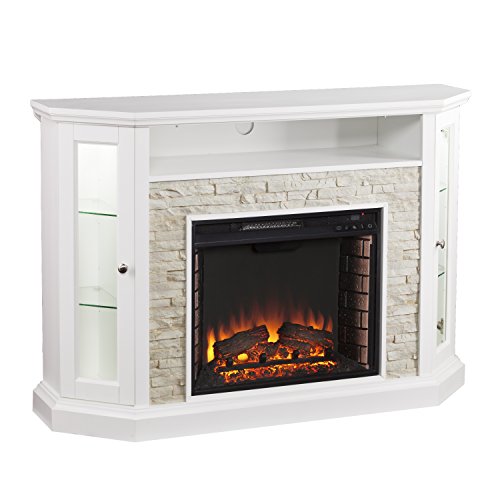
12 Best Corner Electric Fireplace 2026: My Ultimate Guide To Pick One
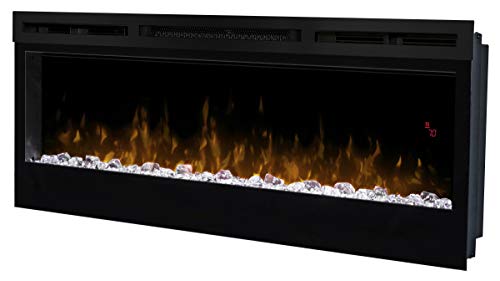
Dimplex Prism Wall Mount Fireplace: Sleek Heat With Modern Flame Style
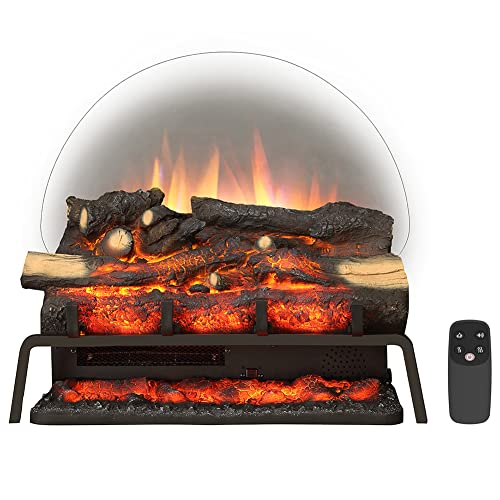
Best Electric Fireplace Insert for Large Room Heating and Style

Best 40 Inch Electric Fireplace Insert 2026 - Cozy Ambiance with Modern Power
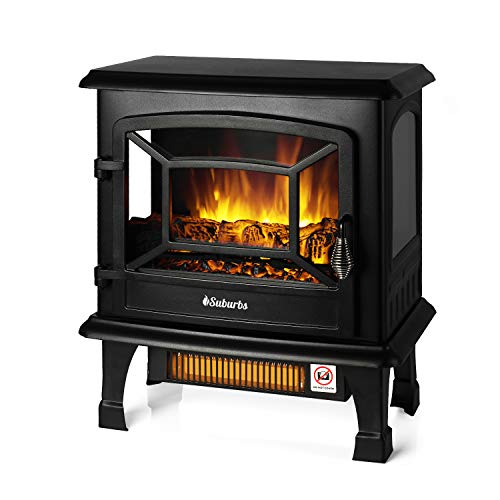
Top 12 Best Quality Electric Fireplace 2026 - Buying Guides

Best Wall Mount Electric Fireplace 2026 for Ultimate Comfort and Style

How to Start Monessen Fireplace: A Step-by-Step Guide

How to Whitewash Rock Fireplace: Simple Steps to Refresh Your Space