How to Turn On a Gas Fireplace Without the Guesswork

How to Turn On a Gas Fireplace sounds straightforward until you're standing in front of unfamiliar controls, wondering which switch actually starts the fire. One model uses a wall switch, another relies on a remote, while an older unit may still have a standing pilot with a control knob tucked behind the lower panel. That uncertainty can make even a routine task feel a little stressful. A calm, step-by-step approach helps remove the guesswork while keeping safety at the center of every decision.
Small details often make the biggest difference. A gas supply valve that's accidentally closed, a thermostat set too low, or a pilot light that has gone out can stop the fireplace from igniting even though nothing is actually broken. That's why understanding the purpose of each control matters more than rushing through the process. Once those pieces come together, lighting a gas fireplace becomes much more predictable.
Different fireplace designs also behave differently, and that's perfectly normal. Direct vent, vent-free, electronic ignition, and standing pilot systems each follow their own sequence before producing a steady flame. Trying to force one method onto another usually leads to frustration instead of results. A little patience goes a long way, and so does recognizing which ignition system is sitting in front of you.
Safety isn't about making the process complicated. It's about noticing warning signs before pressing another button or turning another knob. A lingering gas odor, damaged wiring, blocked vents, or unusual clicking noises deserve attention before another ignition attempt. Paying attention to these warning signals helps protect both your fireplace and the people enjoying it.
Routine maintenance also deserves a spot on the checklist. Dust around the pilot assembly, weak remote batteries, dirty thermocouples, or neglected annual inspections can gradually make ignition less reliable. Cleaning and inspecting these components regularly often prevents problems before they appear. That little bit of upkeep usually saves far more time than troubleshooting unexpected issues later.
A warm fire should feel relaxing instead of confusing. Knowing what each control does, understanding the normal startup sequence, and recognizing when something doesn't seem right builds confidence every time the fireplace is used. With the right information, How to Turn On a Gas Fireplace becomes less about trial and error and more about creating a comfortable space that feels safe, dependable, and ready whenever cooler weather rolls in.

- BWP Score9.4
BWP Score is a ranking system developed by Bestwinterproducts.com. BWP score has no relationship or impact from any manufacturers or sales agent websites. Learn more
- BrandOXDFK

- BWP Score9.2
BWP Score is a ranking system developed by Bestwinterproducts.com. BWP score has no relationship or impact from any manufacturers or sales agent websites. Learn more
- Brandonlyfire

- BWP Score9.2
BWP Score is a ranking system developed by Bestwinterproducts.com. BWP score has no relationship or impact from any manufacturers or sales agent websites. Learn more
- BrandMidwest Hearth

- BWP Score8.8
BWP Score is a ranking system developed by Bestwinterproducts.com. BWP score has no relationship or impact from any manufacturers or sales agent websites. Learn more
- BrandCSZKJXPA

- BWP Score8.6
BWP Score is a ranking system developed by Bestwinterproducts.com. BWP score has no relationship or impact from any manufacturers or sales agent websites. Learn more
- BrandThe-new-style

- BWP Score8.4
BWP Score is a ranking system developed by Bestwinterproducts.com. BWP score has no relationship or impact from any manufacturers or sales agent websites. Learn more
- BrandDurablow

- BWP Score8.2
BWP Score is a ranking system developed by Bestwinterproducts.com. BWP score has no relationship or impact from any manufacturers or sales agent websites. Learn more
- BrandAmericangaslogs

- BWP Score8.2
BWP Score is a ranking system developed by Bestwinterproducts.com. BWP score has no relationship or impact from any manufacturers or sales agent websites. Learn more
- BrandRealFyre
Last update on 2025-12-20 / Affiliate links / Images, Product Titles, and Product Highlights from Amazon Product Advertising API
How To Turn On A Gas Fireplace Safely
A cold room can make the fireplace controls look far more confusing than they really are. One switch sits on the wall, another knob hides behind a lower panel, and the remote may refuse to respond at the worst possible moment. Learning how to turn on a gas fireplace starts with identifying the ignition system rather than twisting every control and hoping for a flame. That first check protects the appliance, prevents repeated failed starts, and makes the process feel calm instead of risky.
Starting A Gas Fireplace Without Guesswork
Gas fireplaces usually operate through a wall switch, remote control, thermostat, electronic igniter, or standing pilot. The controls may look similar from one unit to another, but the startup sequence can be quite different. A fireplace with electronic ignition creates a spark automatically, while a standing-pilot model depends on a small flame that remains lit or must be relit manually. Spotting that difference early saves time and reduces the temptation to force a knob that isn’t meant to turn freely.
Begin by reading the labels near the control compartment. Words such as OFF, PILOT, ON, IGNITION, and REMOTE reveal how the system is intended to operate. The control panel is often located behind a removable or hinged cover below the firebox, though some models place it along the side. Keep the manufacturer’s instructions nearby because knob positions, waiting periods, and ignition steps can vary between fireplace designs.
Check the area before touching any switch or valve. A noticeable rotten-egg odor may indicate a gas leak, and that’s not a situation to troubleshoot with repeated ignition attempts. Don’t turn electrical switches on or off, don’t strike a match, and don’t use the fireplace if the smell is strong or persistent. Leave the area, follow the gas supplier’s emergency guidance, and get qualified help before operating the unit again.
Clear anything that could interfere with airflow or heat. Decorative objects, pet beds, curtains, paper, and firewood should sit well away from the front glass and vents. Confirm that the fireplace screen, glass panel, and lower access cover appear properly seated. These simple checks support safe ignition and steady ventilation, especially after the fireplace has been unused through warmer months.
Checking The Gas Supply And Main Controls
The fireplace can’t ignite if its fuel supply is closed, even when every switch appears to work. Look for the gas shutoff valve, which may be beside the fireplace, beneath the unit, in a nearby cabinet, or accessed with a removable fireplace key. A lever-style valve is generally open when its handle runs parallel to the gas pipe. Key-operated valves require careful turning, so avoid excessive force if the key feels stuck.
Turn the valve slowly and stop if you hear unusual hissing or notice a gas odor. A brief sound may occur as gas enters a line that has been shut off, but continued hissing deserves professional attention. Never use pliers to overpower a stiff valve because damaged fittings can create a larger problem. Controlled movement and a quick odor check are safer than trying to rush the startup.
Inspect the fireplace control knob after confirming the supply valve is open. A standing-pilot system commonly uses a knob marked OFF, PILOT, and ON, while an electronic model may include an ON-OFF-REMOTE selector. The knob may need to be pushed inward before it can rotate, which is a built-in safety feature rather than a defect. Follow the printed arrows and labels instead of guessing which direction opens the flow.
Remote-controlled models bring another small complication: weak batteries. Replace the batteries in both the handheld remote and receiver if the display looks dim, buttons respond inconsistently, or the fireplace worked last season but won’t start now. Confirm that the receiver box is set to REMOTE rather than OFF. A fireplace can be mechanically sound and still appear unresponsive because one inexpensive battery has lost its charge.
Lighting A Standing Pilot System
A standing-pilot fireplace requires a careful sequence that allows old gas to clear before a new ignition attempt. Turn the control knob to OFF and wait for the period listed in the appliance instructions, commonly several minutes. This pause matters because gas may remain near the burner after an unsuccessful attempt. Skipping the waiting period can cause a sudden flare when the igniter is pressed again.
After waiting, rotate the knob to PILOT while following the directional markings. Press and hold the knob inward to allow a small amount of gas to reach the pilot assembly. While continuing to hold it, press the igniter button until the pilot flame appears. Several clicks may be needed after a long shutdown because air can remain inside the gas line.
Keep holding the pilot control after the flame lights. The thermocouple or thermopile must heat up enough to confirm that a safe pilot flame is present, and releasing the knob too soon often causes the flame to go out. Hold it for the period recommended by the manufacturer, then release it slowly. If the pilot remains steady, turn the control knob from PILOT to ON.
The pilot flame should generally look stable and make direct contact with the safety sensor. A weak, wavering, or heavily yellow flame may point to dust, improper airflow, or a pilot assembly that needs service. Don’t poke the opening with a needle or enlarge it, since changing the pilot orifice can affect gas flow. A qualified technician can clean and inspect the assembly without damaging its calibrated parts.
Some households eventually replace the open-flame look with an electric alternative that doesn’t require a standing pilot. To avoid pilot maintenance while keeping a familiar ember-style appearance, compare electric fireplace logs built for existing fireboxes. That route won’t suit someone committed to gas heat, but it can simplify operation in rooms where ambiance matters more than burner output.
Using Electronic Ignition And Remote Controls
Electronic ignition systems usually remove the need to light a pilot manually. Set the fireplace receiver or control module to ON or REMOTE, then use the wall switch, thermostat, or handheld remote to request heat. You may hear clicking for several seconds as the igniter creates a spark. The pilot or burner should ignite once the control board confirms that the safety conditions are met.
Don’t keep cycling the switch rapidly if the flame doesn’t appear. Repeated commands can interrupt the ignition sequence and make a simple delay look like a malfunction. Turn the fireplace off, wait according to the manual, and try once more after checking the gas supply and control settings. One deliberate restart is more useful than a dozen fast button presses.
Many remotes include separate controls for flame height, temperature, fan speed, and timer settings. A thermostat mode may prevent ignition when the room temperature is already above the selected setting. Raise the desired temperature slightly or switch to manual flame mode to test the unit. This small setting causes plenty of confusion because the remote can appear active even though it isn’t requesting heat.
The fireplace may also include a wall switch wired in series with the receiver. If that master switch is off, the remote may not control the burner at all. Check nearby switches, especially those that don’t operate obvious lights or outlets. Labeling the correct switch later can prevent the same head-scratching moment next winter.
For rooms where gas connections, venting, or pilot service feel like more maintenance than expected, an electric insert can provide simpler controls. To gain remote operation and adjustable flame effects without a gas startup sequence, review a LED fireplace insert that matches the firebox dimensions. Electric inserts have their own electrical requirements, yet they avoid gas-valve and pilot-light troubleshooting.
Turning On The Main Burner Correctly
Once the pilot is stable or the electronic ignition sequence is ready, activate the main burner through the approved control. That may mean flipping a wall switch, pressing the flame button on a remote, raising the thermostat, or moving a receiver selector to ON. The burner should light in a controlled pattern rather than producing a violent burst. Smooth ignition suggests that the pilot, burner ports, and gas flow are working together properly.
Watch the flame for the first few minutes. Gas fireplace flames may begin blue and gradually develop warmer yellow tones as the appliance heats, depending on the burner design. The flames shouldn’t continuously strike areas they aren’t intended to touch, roll outside the firebox, or produce heavy soot on the glass. Shut the fireplace down if the flame pattern looks abnormal or the unit makes repeated booming sounds.
Allow the fireplace to complete its normal warm-up cycle before assuming the blower is broken. Many built-in fans use a temperature-sensitive switch and won’t start until the firebox becomes warm. The fan may also continue running after the burner turns off so residual heat can leave the unit safely. That delayed response is often a normal operating feature, not an electrical fault.
Leave fixed logs, stones, glass media, and embers in their approved positions. Rearranging them for appearance can block burner ports, redirect flames, and create soot. The placement diagram in the manual matters because decorative media is part of the combustion design. Even a small log shifted over the wrong burner opening can affect ignition quality.
Handling A Pilot That Will Not Stay Lit
A pilot that lights but dies as soon as the knob is released usually points toward the flame-sensing system. The thermocouple may not be hot enough, the pilot flame may be too weak, or the control knob may not have been held long enough. Try the approved lighting sequence again after the required waiting period. Keep the knob pressed for the full recommended interval rather than counting quickly and letting go.
Check whether the pilot flame is actually touching the thermocouple tip. Dust, lint, pet hair, or minor debris can reduce the flame’s strength, particularly in fireplaces located near busy living areas. Don’t disassemble the pilot assembly unless the manufacturer specifically allows homeowner service. Gas controls and safety sensors are poor places for improvised repairs.
A dirty glass panel doesn’t normally stop ignition, but black soot can signal improper combustion. Soot may develop when logs are misplaced, burner ports are obstructed, or airflow is restricted. Turn the fireplace off and arrange service rather than wiping the glass and continuing to operate it. Cleaning the visible symptom won’t correct the cause.
Older thermocouples and thermopiles can weaken after years of heating and cooling cycles. Replacement involves matching the correct component and confirming that gas connections remain leak-free. A licensed fireplace or gas-service technician can test the sensor output instead of replacing parts at random. Accurate diagnosis usually costs less than swapping several components that were never faulty.
Responding To Delayed Ignition And Unusual Odors
Delayed ignition occurs when gas reaches the burner but doesn’t light immediately. The accumulated gas may then ignite with a thump, puff, or small boom. Turn the unit off if this happens because the cause may involve blocked burner ports, incorrect log placement, a weak pilot, or ignition components that need adjustment. Repeated delayed ignition can stress the glass, burner, and internal fittings.
A dusty smell during the first use of the season can occur as settled particles warm up. Open the room slightly for ventilation and observe whether the odor fades during normal operation. Strong chemical, electrical, smoky, or persistent gas odors are different and shouldn’t be brushed aside. Odor type and duration help separate ordinary seasonal dust from a condition that needs immediate attention.
Carbon monoxide has no smell, so odor alone can’t confirm safe combustion. Keep functioning carbon-monoxide alarms installed according to local guidance and the alarm manufacturer’s placement instructions. Replace batteries and test the alarms on their recommended schedule. A detector supports safety, but it doesn’t replace fireplace inspection and maintenance.
Separately, hot-water problems in a manufactured home require equipment designed for its electrical capacity and flow demands. To address limited installation space and avoid mismatched power requirements, compare an electric tankless water heater for mobile home applications before planning that unrelated upgrade. The fireplace and water-heating systems serve different jobs, so each one needs its own sizing, wiring, and safety review.
Knowing When To Stop And Call For Service
Stop trying to ignite the fireplace if gas odor continues after the control is turned off. Leave the area and contact the gas supplier or emergency service listed for your location. Don’t search for the leak with a flame, and don’t remove sealed gas components. Persistent gas odor always outranks the desire to get the room warm.
Professional help is also appropriate when the fireplace repeatedly shuts down, produces soot, makes booming noises, or shows damaged wiring. Cracked glass, loose vent sections, corroded fittings, and melted components require more than basic troubleshooting. Using the fireplace despite visible damage can turn a manageable repair into a larger safety issue. Shut off the appliance and, where instructed, close the gas supply until it has been inspected.
Annual service is especially useful before the heating season begins. A technician can inspect the burner, pilot assembly, venting, safety switches, seals, and gas pressure while cleaning areas that aren’t meant for routine homeowner access. This preventive visit helps catch wear before a cold evening exposes it. Reliable startup and cleaner combustion usually depend more on steady maintenance than on repeated adjustments.
Keep the fireplace model number, serial number, manual, and service history in one accessible place. Those details help a technician identify compatible parts and understand previous repairs. Record any unusual sounds, flame behavior, shutdown timing, or control errors before the appointment. Specific observations give the service professional a clearer starting point than a general report that the fireplace simply won’t work.
How To Turn On A Gas Fireplace And Keep It Running Safely
Getting the burner lit solves only half the problem. A fireplace can start normally yet shut down a few minutes later, leave soot on the glass, or make the room feel stuffy because one small operating detail was missed. Learning how to turn on a gas fireplace also means knowing how to manage the flame, airflow, controls, and shutdown routine after ignition. Those habits reduce repeat problems and make everyday use feel far less nerve-racking.
Keeping The Fireplace Running Safely
A stable flame should remain consistent after the fireplace completes its startup cycle. Small changes in color are normal as the burner warms, but repeated flickering, sudden shutdowns, or flames lifting away from the burner deserve attention. Watch the unit for several minutes instead of walking away as soon as it ignites. That brief check can reveal weak pilot performance, blocked burner ports, or interrupted gas flow before the room fills with heat.
Keep the lower and upper air openings clear while the fireplace operates. Furniture, rugs, baskets, and decorative screens can restrict circulation even when they aren’t touching the firebox. Poor airflow may cause overheating around the controls or prevent warm air from moving into the room effectively. A clear space supports steady ventilation and more even heat distribution.
Glass-front gas fireplaces must operate with the approved glass panel correctly installed. Removing that panel while the burner is running can disturb the designed airflow and expose the room to combustion gases or intense heat. Don’t operate the unit if the glass is cracked, loose, or missing. The panel is a functional safety component, not just a decorative cover.
Children and pets can be drawn toward the moving flames without realizing how hot the glass becomes. A fireplace screen or barrier helps create distance, but supervision still matters. Keep toys, blankets, and pet beds outside the hot zone even after the burner shuts off. The glass and surrounding trim may retain significant residual heat long after the flames disappear.
Adjusting Flame Height And Room Comfort
Higher flames don’t always produce a more comfortable room. Large flames can make the area directly beside the fireplace too warm while distant corners remain chilly. Start with a moderate setting, then give the room time to respond before increasing the flame. Slow adjustments provide better comfort control and prevent unnecessary overheating.
A remote with thermostat mode can cycle the burner automatically according to the selected room temperature. Place the remote away from the fireplace face, sunny windows, lamps, and heating vents so its sensor doesn’t receive a misleading temperature reading. A remote sitting on a warm mantel may shut the burner down before the rest of the room feels comfortable. Correct placement makes thermostatic control far more reliable.
Built-in blowers usually have their own speed control and may not start immediately. A heat-sensitive switch often waits until the firebox reaches a set temperature before activating the fan. Turn the blower up gradually because the highest setting may move more air but also create more noticeable noise. A medium setting often provides a useful balance between heat circulation and quiet operation.
Gas fireplaces mainly warm the room where they’re installed, and walls or narrow doorways can limit how far that heat travels. Leaving an interior door open may help, but the fireplace shouldn’t be treated as a guaranteed whole-house heating system unless it was designed and approved for that job. Use the room layout to set realistic expectations. Localized warmth is often the main benefit, not equal temperatures throughout every room.
Preventing Soot And Cloudy Fireplace Glass
A light film can collect on the inside of the glass during regular use, especially after repeated heating cycles. Heavy black soot, however, may signal a burner, airflow, or log-placement problem. Don’t keep running the fireplace simply because the flame still appears. Thick soot points toward incomplete combustion and should be investigated before the next long burn.
Decorative logs must remain in the positions shown in the fireplace manual. Moving one log slightly can redirect the flame against another log or toward the glass. That contact may produce dark deposits and an uneven flame pattern. Correct placement supports cleaner burning and proper flame movement.
Clean the glass only after the fireplace is fully cool. Use a cleaner approved for fireplace glass rather than household products containing ammonia or abrasive particles. Apply it with a soft cloth, then remove the residue without scratching the surface. Regular gentle cleaning keeps the flame visible while protecting the specialized glass finish.
Never spray cleaner directly onto hot glass, seals, or painted fireplace parts. Liquid can run into the gasket or control area and create damage that isn’t immediately visible. Inspect the gasket while cleaning and arrange service if it appears torn, hardened, or pulled away. A secure seal helps maintain the controlled airflow required by the appliance.
Using A Gas Fireplace During Cold Weather
Cold weather can make ignition feel slower, particularly after the fireplace has remained unused for months. Air in the gas line, weak batteries, and a cold thermocouple may add a short delay to the normal startup sequence. Follow the same controlled steps rather than pressing the igniter repeatedly. Patience protects the ignition components and makes abnormal behavior easier to recognize.
Keep snow, leaves, nests, and debris away from an exterior direct-vent termination. A blocked vent can interfere with the flow of combustion air and exhaust gases. Check the outside area visually after storms without dismantling any vent parts. Clear access supports safe venting and dependable burner operation.
Power outages affect fireplace models differently. Some standing-pilot units may continue to operate without household electricity, while electronic ignition systems, fans, and remote receivers may stop working. Consult the manual before relying on the fireplace during an outage. Never improvise wiring or connect the appliance to an unapproved power source.
A gas fireplace shouldn’t be used to dry clothing, warm bedding, or heat objects placed in front of the glass. Those shortcuts create a fire risk and can block airflow around the unit. For extra personal warmth away from the firebox, a big scarf can provide a separate layer without placing fabric near hot fireplace surfaces. Keep every loose textile well outside the manufacturer’s stated clearance area.
Reducing Fuel Waste Without Sacrificing Comfort
Running the fireplace at maximum flame for hours can overheat a small room and waste fuel. Lower the flame once the space reaches a comfortable temperature, or use thermostat mode if the controls support it. Ceiling fans set to a gentle winter direction may help move warm air without creating a strong draft. Small adjustments can improve heat use and room comfort without making the controls complicated.
Close exterior doors and repair obvious drafts around windows before expecting the fireplace to compensate for major heat loss. Warm air escapes quickly through poor seals, leaving the burner to run longer for the same result. Curtains can help at night, provided they remain far from the fireplace opening and vents. Managing drafts supports more efficient heating throughout the room.
Don’t close a fireplace damper unless the appliance design and manufacturer instructions specifically call for it. Some gas log sets require the damper to remain permanently open, while sealed direct-vent fireplaces use a different venting arrangement. Confusing the two systems can create a serious hazard. The manual should determine the correct vent position, not assumptions based on a wood-burning fireplace.
Homeowners who need occasional flame effects without gas service may prefer an electric unit for a smaller room or rental space. To keep the budget controlled while avoiding pilot and vent maintenance, an electric fireplace under 200 may fit spaces where supplemental warmth and visual appeal matter more than strong gas heat. Electric models still require safe outlet use and proper clearance from fabrics.
Shutting Down The Fireplace The Right Way
Use the wall switch, remote, or thermostat to turn off the main burner during normal operation. The flame should disappear while the pilot may remain lit on a standing-pilot system. Leaving the pilot on can make future starts easier, although seasonal shutdown preferences depend on the fireplace design and local conditions. Follow the manual before changing the pilot setting.
Let the blower finish its automatic cooldown cycle. The fan may continue running after the burner turns off because heat remains inside the firebox. Cutting power at the breaker or unplugging the unit too soon can trap that heat around internal components. The delayed fan shutdown supports controlled cooling and is usually normal.
Use the appliance shutoff valve for long seasonal breaks only when the manufacturer’s directions support that step. Turn the control knob to OFF first, then close the gas supply carefully without forcing the valve. Relighting after a full shutdown may require purging air through the normal pilot-lighting sequence. Label the valve if its purpose isn’t obvious, but don’t modify or relocate it without qualified help.
Confirm that the flames are fully out before leaving the house or going to bed. Keep the area clear while the glass cools, and don’t place a cover over the fireplace. A shutdown routine may feel repetitive, yet it prevents uncertainty about whether a remote command registered. Visual confirmation takes only a moment and removes a lot of needless worry.
Preparing The Fireplace After Months Of Disuse
Seasonal dust often settles around the lower control compartment and exterior air openings. Vacuum accessible areas gently with the fireplace off and cold, but don’t disturb gas lines, wiring, logs, or sealed components. A soft brush can remove loose debris from exterior grilles. Basic cleaning supports clean airflow without turning routine care into a risky repair project.
Inspect the remote, receiver, and battery compartment for corrosion before the first cold evening. Remove old batteries that have leaked or swollen, and don’t scrape damaged contacts aggressively. Replace batteries with the type listed by the manufacturer and confirm their orientation. Reliable power prevents intermittent control problems that often look like ignition failure.
Look through the glass for shifted logs, cracked media, loose panels, or signs of nesting material. Don’t reach into a sealed firebox unless the manual provides a homeowner-approved opening and closing procedure. Improperly reseating the glass can compromise the gasket seal. Visible disturbance is a reason to arrange professional inspection before operating the burner.
Test nearby smoke and carbon-monoxide alarms before regular fireplace use resumes. Replace expired alarms according to the manufacturer’s service-life guidance, not only when they stop beeping during a button test. Keep fresh batteries available so a low-battery warning doesn’t get ignored on a cold night. Working alarms add an independent layer of protection around any fuel-burning appliance.
Separating Normal Sounds From Warning Noises
Soft clicking during ignition is common because the igniter is producing a spark. Light metal ticking can also occur as the fireplace heats and cools, since panels expand and contract with temperature changes. A blower may produce a steady hum once it starts. Familiar sounds become less alarming after you recognize the normal operating sequence.
Repeated loud bangs, grinding, scraping, or buzzing from the control area aren’t sounds to ignore. A bang at ignition may indicate delayed gas ignition, while grinding can point to a blower problem. Shut the fireplace off and note when the noise occurs. That timing gives a technician a useful clue about the source of the fault.
A whistle may come from airflow, gas pressure, or a valve issue, and its cause isn’t always visible. Don’t try to silence it by covering vents or adjusting internal gas components. Blocking airflow can create a more serious problem than the original noise. Qualified service is the safer response when a sound persists after routine external checks.
Record a short description of the noise, flame behavior, control setting, and operating time before calling for help. A technician can work more efficiently with details such as “the burner clicks five times and shuts off” rather than “it sounds strange.” Avoid opening sealed compartments merely to locate the sound. Clear observations are useful, while improvised disassembly can complicate the repair.
Building A Safer Fireplace Routine
Keep the fireplace manual in a nearby drawer or save a digital copy using the exact model number. Generic instructions can explain common controls, but the appliance manual settles questions about lighting, venting, clearances, and approved maintenance. Write the model and serial numbers somewhere accessible. Those details speed up parts identification and service scheduling.
Give every household member the same basic safety instructions. Explain which switch controls the fireplace, where the shutoff valve is located, and what to do if gas odor is noticed. Children shouldn’t operate the unit or handle the remote without supervision. Consistent rules prevent conflicting control changes and risky trial-and-error attempts.
Schedule service when the fireplace shows a change rather than waiting for complete failure. Slower ignition, frequent pilot outages, soot, unusual odors, and inconsistent flame patterns all provide early clues. A technician can inspect gas pressure, safety sensors, venting, seals, and burner condition. Early attention often keeps a small operating issue from becoming a more disruptive repair.
Use the fireplace according to its listed purpose and operating limits. Don’t burn wood, paper, cooking materials, or household waste inside a gas unit, even if the firebox looks large enough. Keep the controls dry, leave decorative media in its approved arrangement, and watch the flame after every seasonal restart. These straightforward habits support safer ignition, cleaner operation, and dependable warmth each time the fireplace is used.

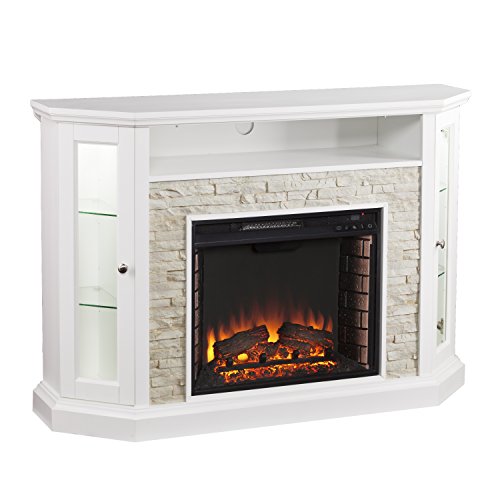
12 Best Corner Electric Fireplace 2026: My Ultimate Guide To Pick One
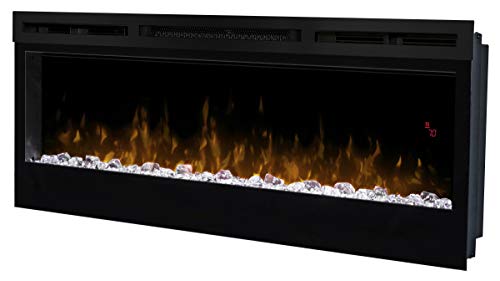
Dimplex Prism Wall Mount Fireplace: Sleek Heat With Modern Flame Style
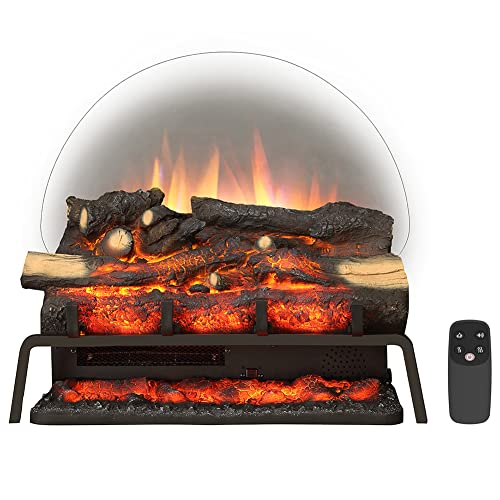
Best Electric Fireplace Insert for Large Room Heating and Style

Best 40 Inch Electric Fireplace Insert 2026 - Cozy Ambiance with Modern Power
Top 12 Best Quality Electric Fireplace 2026 - Buying Guides

Best Wall Mount Electric Fireplace 2026 for Ultimate Comfort and Style

How to Start Monessen Fireplace: A Step-by-Step Guide

How to Whitewash Rock Fireplace: Simple Steps to Refresh Your Space