How to Turn On a Gas Fireplace Without a Remote

The quickest way to get heat is to slide the receiver switch from REMOTE to ON. That direct override works instantly, provided the pilot light (the tiny steady flame near the ceramic logs) is already burning. Behind the flip-down metal grill at the bottom of the firebox sits a small black box holding that slider. Moving it over bypasses the missing handset and fires up the main burner within seconds.
The exact steps can vary slightly depending on how the hearth controls are arranged. Some rooms have a standard wall switch wired directly to the fireplace, while older units require turning a round control knob inside the lower compartment. If the pilot flame went out over the summer, relighting that tiny flame comes first before any switch can work. Here is how to find the hidden controls and safely warm up the room right away.
The Short Version
- Locate the receiver box (the small battery-powered box that catches the remote signal) behind the lower metal grill at the base of your fireplace.
- Confirm that the pilot light (the tiny steady flame that lights the main burner) is already burning before you try to ignite the logs.
- Slide the small switch on the receiver box from the REMOTE position to the ON position, or flip the standard toggle switch mounted on your nearby wall.
- If the burner does not ignite, inspect the batteries inside the receiver box, verify that the low-voltage wires are secure, and ensure the main gas control knob points directly to ON.
Finding the Hidden Controls Behind the Lower Grill
Most modern gas fireplaces conceal their working components behind a decorative lower grill or louver (the flip-down metal grill at the base of the firebox). When a handheld remote goes missing or stops responding, this lower compartment is where you will find the manual controls. To open it, gently pull the top edge of the grill forward. Many grilles swing down on bottom hinges, while others rest on simple magnetic catches or lift up and off friction tabs. Set the metal piece aside if it unhooks completely so you have plenty of room to see inside.
Once the panel is open, use a flashlight to look into the space beneath the burner tray. You will see a collection of wires, gas lines, a brass or gray gas valve with a large knob, and a small black or gray plastic module. That small plastic module is your receiver box. It connects to the gas valve and is designed to turn the fire on manually whenever the handheld transmitter is unavailable.
Working around these controls can feel intimidating, but you do not need to worry about an electric shock. The ignition controls in this compartment run on very low voltage, powered either by standard household batteries or by a tiny electrical charge generated by the pilot flame. But before you touch anything, perform a quick smell check. If you smell the distinct rotten-egg odor of raw gas, stop immediately. Do not flip any switches, do not touch electrical outlets, evacuate your home, and call your local gas utility provider from a safe location outside.
Checking the Pilot Light Before Turning on the Burner
A gas fireplace burner cannot ignite without an active ignition source. Before you flip any switch, you must confirm whether your fireplace uses a continuous standing pilot or an electronic intermittent ignition system.
- Inspect the log bed: Look closely between the artificial logs near the back or side of the firebox. Look for the pilot light (the tiny steady flame that lights the main burner). It should be about an inch tall, burning with a sharp blue and soft yellow flame.
- Check the gas valve knob: Locate the main control knob on the gas valve body under the fireplace. It typically has three stamped markings: OFF, PILOT, and ON. If the knob is currently pointed to PILOT or OFF, the main burner will never respond to a switch.
- Verify continuous flame status: If you have a standing pilot model and the flame is already lit, ensure the knob is pressed slightly in and rotated counterclockwise until the indicator notch aligns directly with the ON setting.
- Identify electronic spark models: If your fireplace does not keep a constant flame burning, you have an electronic ignition unit. These systems do not have a standing flame; instead, they spark and light the pilot automatically whenever you call for heat. As long as the main gas line valve is open, you can proceed straight to the manual switch.
If your standing pilot is completely dark, turning a manual switch to ON will only result in silence. The pilot flame heats a safety sensor called a thermopile (a metal probe that converts flame heat into millivolts of electricity). That sensor must get hot enough to generate the tiny electrical current required to pull open the main burner valve. If the pilot flame has gone out, follow the relighting instructions printed on the metal rating plate attached to the bottom frame of your fireplace before moving forward.
Turning On the Burner Using the Receiver Switch
Once you confirm that the pilot flame is steady and the gas control valve points to ON, lighting the main fire takes only a couple of seconds.
- Locate the slider switch on the receiver box: Find the small plastic receiver box resting on the floor of the control compartment. On its front face or side edge, you will find a small three-position slide switch. The three positions are clearly labeled ON, REMOTE, and OFF.
- Slide the switch to the ON position: Push the slider firmly from REMOTE across to the ON setting. In most fireplaces, you will hear a faint mechanical click as the internal contacts close.
- Watch for burner ignition: Within two to three seconds of sliding the switch, gas will flow into the burner pan beneath the ceramic logs. The pilot flame will instantly catch the gas, and the full flame pattern will spread across the firebox.
- Adjust flame height if equipped: If your gas valve includes a manual flame adjustment knob (often labeled HI/LO), you can rotate it by hand to raise or lower the flame height to your desired warmth level.
- Reposition the access panel: Carefully swing the lower metal grill back up into its closed position or reattach the magnetic trim. Make sure no stray wires are pinched in the hinges or pressed against hot metal gas tubes.
Alternative Ways to Light the Fireplace: Wall Switches and Manual Knobs
Not every fireplace setup requires you to reach behind the bottom grill. Depending on how your home was wired during installation, you may have one of two alternative manual controls already installed in your living space.
The first common alternative is a standard-looking wall switch. Builders often wire a low-voltage wall switch on the wall beside the fireplace hearth. This switch looks identical to an ordinary household light switch, but it connects directly to the millivolt valve (the gas control valve powered by the heat of the pilot flame). For this wall switch to work without a remote, the slider on the receiver box inside the lower grill must usually remain in the REMOTE position. Flipping the wall toggle switch to the UP position closes the circuit and triggers the flame just like a remote signal would.
The second alternative is a built-in rocker switch mounted directly onto the fireplace chassis. Check the exterior metal frame, particularly around the lower left or right corners just outside the glass screen. Some manufacturers install a simple two-position rocker switch labeled ON/OFF. Pressing the top of this rocker switch sends immediate voltage to the valve to start the fire.
If you have an older gas log set installed inside an open masonry hearth, you might not have a receiver box or a wall switch at all. In these systems, manual operation is handled entirely at the valve. After lighting the pilot, you slowly turn the main valve knob from PILOT to the ON position, or turn a secondary burner knob counterclockwise until the logs light. If your gas set sits inside an open masonry chimney, always confirm that your flue damper is locked open to let combustion gases escape. You can check our guide on how to close a fireplace damper to learn how flue draft and airflow work inside a chimney.
Troubleshooting: What to Check When the Flame Will Not Light
If you move the receiver switch to ON and nothing happens, the problem almost always traces back to a broken electrical loop, dead receiver batteries, or an unheated sensor. Work through these checks to pinpoint the cause:
- Check the receiver box batteries: Even when you move the switch to ON by hand, many receiver boxes rely on an internal electromagnetic relay to connect the valve circuit. If the four AA batteries inside the receiver box are completely dead, that internal switch cannot engage. Slide off the battery cover, replace the cells with fresh alkaline batteries, and try the slider switch again.
- Allow the pilot to heat up: If you relit the pilot flame just minutes ago, the thermopile sensor may not be hot enough yet. A millivolt valve requires between 300 and 500 millivolts of electricity to hold the main gas gate open. Let the pilot flame bathe the sensor rod for a full two minutes before switching the burner on.
- Inspect the terminal connections: Examine the thin wires running between the receiver box and the main gas valve. Look for two push-on spade connectors, typically plugged into terminals labeled TH (thermostat) and TP-TH (thermopile/thermostat). If one of these slide-on connectors has slipped off or corroded, the circuit is broken and the valve cannot receive the signal to open.
- Confirm the gas shutoff valve is open: Follow the flexible gas tubing back toward the wall or floor. You should find a manual shutoff lever, usually brass with a red, blue, or yellow handle. The handle must run parallel to the gas pipe. If it sits perpendicular (at a right angle) to the pipe, the gas supply to the entire unit is shut off.
- Clear electronic module lockouts: For electronic ignition fireplaces that spark on demand, a series of failed lighting attempts can trigger a safety lockout in the control module. To clear the lockout, locate the main electrical power cord for the fireplace and unplug it from the outlet for two minutes, or turn off the dedicated wall switch. Turn it back on and slide the manual switch again to initiate a fresh spark cycle.
How to Safely Shut Down Your Gas Fireplace
Shutting down your fireplace after using the manual switch is just as straightforward as lighting it, but you must remember which switch you engaged so you can turn it off properly.
To turn the flame off from the receiver box, slide the three-position switch back to the OFF position, or return it to REMOTE if you plan to introduce a replacement transmitter. If you used a wall toggle switch or a side rocker switch to light the fire, simply flip that switch back down. Within two seconds, the gas valve will close and the main burner flames will extinguish completely.
Under normal circumstances, you should leave the pilot light burning even after the main fire goes out. Keeping the pilot lit provides practical benefits throughout the heating season: it stops moisture and condensation from forming inside the cold firebox, prevents spider webs from clogging the tiny burner ports, and maintains a mild upward draft inside the vent pipe. But if you are heading into the spring and summer months or leaving your home for an extended vacation, you can safely turn the pilot off by turning the main gas control knob clockwise to the OFF position.
Always let the fireplace glass and metal surrounding panels cool completely before touching them. The front glass panel can stay dangerously hot for up to an hour after the fire is extinguished. Keep pets and young children well away from the hearth area until the glass returns to room temperature.
Choosing a Replacement Remote Kit for Your Fireplace
Operating your fireplace from the manual receiver switch keeps your home warm in an emergency, but it lacks the convenience of automatic temperature monitoring. Replacing a lost or broken handheld controller is an easy project because most gas fireplaces use standard, universally compatible components.
When selecting a replacement remote kit, the most critical factor to verify is whether your fireplace uses a standard millivolt gas valve or an electronic intermittent ignition control. Standard millivolt systems operate on a simple two-wire loop that connects directly to the TH and TP-TH terminals on your existing valve. Replacement kits designed for these systems usually include a new handheld transmitter, a fresh receiver box with the manual slider switch, and simple plug-in wire leads.
Look for replacement remote kits that offer built-in digital thermostat modes. A thermostat transmitter reads the ambient room temperature and automatically switches the burner on and off to maintain your chosen comfort level, helping prevent your living space from overheating. Useful convenience features to look for include count-down shutoff timers, child safety locks that prevent accidental ignition, and backlit display screens that are easy to read in a dim room. For homeowners who eventually prefer to move away from gas maintenance entirely, modern alternatives like an electric fireplace insert for large room heating provide clean, push-button warmth without the need for pilot lights or gas lines.

- BWP Score9.6
BWP Score is a ranking system developed by Bestwinterproducts.com. BWP score has no relationship or impact from any manufacturers or sales agent websites. Learn more
- BrandDIGITEN

- BWP Score9.2
BWP Score is a ranking system developed by Bestwinterproducts.com. BWP score has no relationship or impact from any manufacturers or sales agent websites. Learn more
- BrandSENSTREE

- BWP Score9.0
BWP Score is a ranking system developed by Bestwinterproducts.com. BWP score has no relationship or impact from any manufacturers or sales agent websites. Learn more
- BrandCasmer

Universal Fireplace Remote Control Kit,Fit skytech 1420-A,1420TH-A,1001-A,1001TH-A,durablow TR1003, Napoleon F45,Acumen
View on Amazon- BWP Score8.8
BWP Score is a ranking system developed by Bestwinterproducts.com. BWP score has no relationship or impact from any manufacturers or sales agent websites. Learn more
- BrandCasmer

- BWP Score8.6
BWP Score is a ranking system developed by Bestwinterproducts.com. BWP score has no relationship or impact from any manufacturers or sales agent websites. Learn more
- BrandThe-new-style

- BWP Score8.4
BWP Score is a ranking system developed by Bestwinterproducts.com. BWP score has no relationship or impact from any manufacturers or sales agent websites. Learn more
- BrandDurablow

- BWP Score8.4
BWP Score is a ranking system developed by Bestwinterproducts.com. BWP score has no relationship or impact from any manufacturers or sales agent websites. Learn more
- BrandDurablow

- BWP Score8.4
BWP Score is a ranking system developed by Bestwinterproducts.com. BWP score has no relationship or impact from any manufacturers or sales agent websites. Learn more
- BrandDurablow
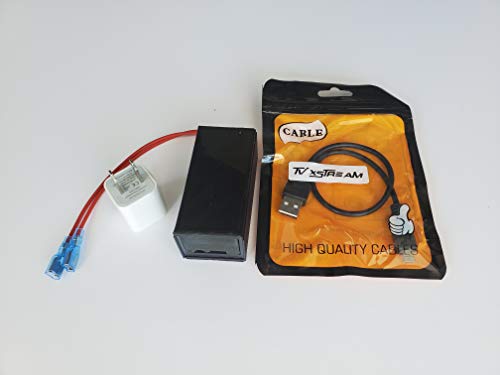
- BWP Score8.2
BWP Score is a ranking system developed by Bestwinterproducts.com. BWP score has no relationship or impact from any manufacturers or sales agent websites. Learn more
- BrandTV xStream
Last update on 2026-10-01 / Affiliate links / Images, Product Titles, and Product Highlights from Amazon Product Advertising API
FAQs
Can I turn on my gas fireplace during a power outage without the remote?
Yes, standard millivolt gas fireplaces operate independently of household electricity. The electricity needed to open the gas valve is generated directly by the heat of the pilot flame against the thermopile sensor. As long as your pilot light is burning, moving the receiver switch to ON will light the fireplace even if the power to your entire neighborhood is out.
Why does my fireplace click when I slide the switch, but the burner stays off?
A clicking sound confirms that the electrical switch contacts are moving, but the gas valve is not opening. This usually happens because the thermopile sensor has not generated enough voltage to pull the valve open, or because the main gas valve knob is still turned to the PILOT position instead of ON. Ensure the pilot has been burning for at least two minutes and verify the valve knob setting.
Is it safe to leave the receiver switch on the manual ON setting all night?
Leaving the manual switch on ON is safe from a mechanical standpoint, but it keeps the burner running at full output continuously without any temperature regulation. This can quickly overheat a room and waste a substantial amount of natural gas or propane. It is much safer to turn the fireplace off before going to sleep and rely on your central home thermostat.
Can I bypass a broken receiver switch with a wire?
You can verify that the fireplace valve works by touching a small piece of insulated wire (called a jumper wire) across the TH and TP-TH screw terminals on the gas valve body. If the burner lights instantly when both terminals are connected, the valve is working properly and the issue lies in the receiver switch or its wiring. Never leave a jumper wire permanently attached, as it leaves the fireplace running with no way to turn it off safely.
.jpg)

12 Best Corner Electric Fireplace 2026: My Ultimate Guide To Pick One

Dimplex Prism Wall Mount Fireplace: Sleek Heat With Modern Flame Style
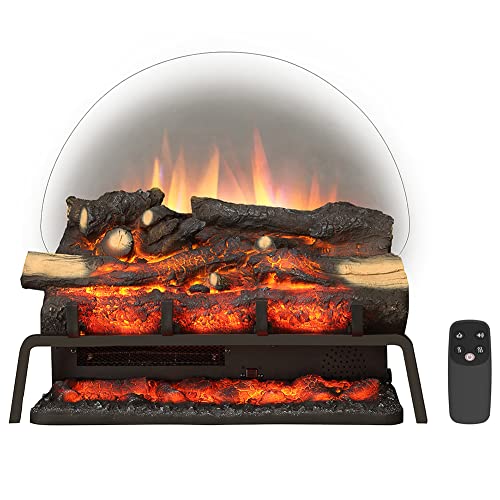
Best Electric Fireplace Insert for Large Room Heating and Style

Best 40 Inch Electric Fireplace Insert 2026 - Cozy Ambiance with Modern Power
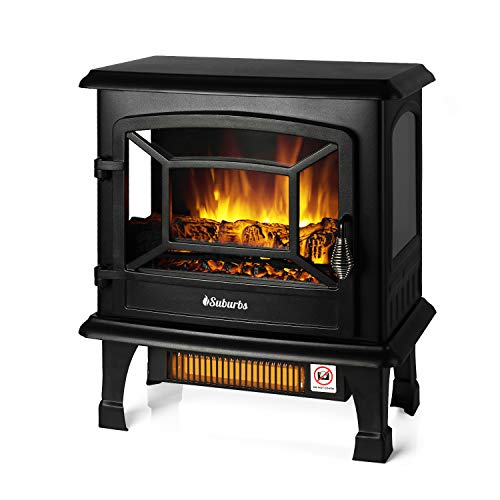
Top 12 Best Quality Electric Fireplace 2026 - Buying Guides

Best Wall Mount Electric Fireplace 2026 for Ultimate Comfort and Style

How to Start Monessen Fireplace: A Step-by-Step Guide

How to Whitewash Rock Fireplace: Simple Steps to Refresh Your Space