How to Use a Gas Fireplace Without the Guesswork

How to Use a Gas Fireplace sounds simple at first glance, yet plenty of people hesitate the moment they stand in front of unfamiliar controls. A wall switch, a remote, a pilot light, or an ignition button can all leave someone wondering if they're about to do the right thing or accidentally create a problem. That hesitation is completely understandable because every fireplace isn't built exactly the same, and guessing rarely ends well. A little practical knowledge replaces uncertainty with confidence while helping the entire system work the way it was designed.
Cold evenings become much more enjoyable once the startup process feels natural instead of stressful. Rather than pressing random buttons or turning valves without knowing what they do, understanding the sequence makes operation smoother and far more predictable. Safe operation begins with recognizing the controls, checking that nothing blocks the fireplace, and confirming adequate ventilation if the manufacturer requires it. Those small habits don't take much effort, yet they help prevent unnecessary headaches later.
Many fireplaces include electronic ignition while others still rely on a standing pilot light. That difference changes the startup routine, so following the manufacturer's instructions always matters more than assuming every model behaves the same way. Pilot light settings, thermostat controls, remote functions, and flame adjustments all play different roles depending on the unit sitting in the room. Once those features make sense, using the fireplace starts feeling routine rather than intimidating.
Maintenance deserves just as much attention as lighting the flame. Dust buildup around burners, dirty glass, or blocked vents can reduce performance and affect the appearance of the flames over time. Cleaning only with approved materials and scheduling periodic inspections help keep the fireplace operating consistently. Those simple habits also make it easier to notice unusual odors, ignition delays, or flame changes before they become larger concerns.
Another common frustration comes from unrealistic expectations. A decorative gas fireplace may produce beautiful flames without heating an entire home, while a high-efficiency insert may deliver substantial warmth throughout a living area. Understanding the purpose of the specific model helps avoid disappointment and allows heat output to match realistic expectations. Matching the fireplace to the room size also contributes to better comfort and lower energy waste.
Children, pets, and curious visitors often forget that fireplace glass becomes extremely hot even after the flames disappear. Allowing adequate cooling time and using protective barriers where appropriate greatly reduces accidental burns. Small reminders placed near the fireplace can help everyone remember safe habits without making daily operation feel complicated. Good routines quickly become second nature.
Owning a gas fireplace isn't only about creating warmth. It also adds atmosphere, provides reliable supplemental heat during colder months, and creates a relaxing focal point for family gatherings or quiet evenings. Learning How to Use a Gas Fireplace correctly allows every feature to work together while reducing confusion, improving comfort, and helping the fireplace remain dependable season after season.

- BWP Score7.6
BWP Score is a ranking system developed by Bestwinterproducts.com. BWP score has no relationship or impact from any manufacturers or sales agent websites. Learn more
- BrandDuluth Forge

- BWP Score7.5
BWP Score is a ranking system developed by Bestwinterproducts.com. BWP score has no relationship or impact from any manufacturers or sales agent websites. Learn more
- BrandDuluth Forge

- BWP Score7.7
BWP Score is a ranking system developed by Bestwinterproducts.com. BWP score has no relationship or impact from any manufacturers or sales agent websites. Learn more
- BrandDuluth Forge

- BWP Score8.0
BWP Score is a ranking system developed by Bestwinterproducts.com. BWP score has no relationship or impact from any manufacturers or sales agent websites. Learn more
- BrandDuluth Forge

- BWP Score8.8
BWP Score is a ranking system developed by Bestwinterproducts.com. BWP score has no relationship or impact from any manufacturers or sales agent websites. Learn more
- BrandDuluth Forge

- BWP Score7.5
BWP Score is a ranking system developed by Bestwinterproducts.com. BWP score has no relationship or impact from any manufacturers or sales agent websites. Learn more
- BrandDuluth Forge
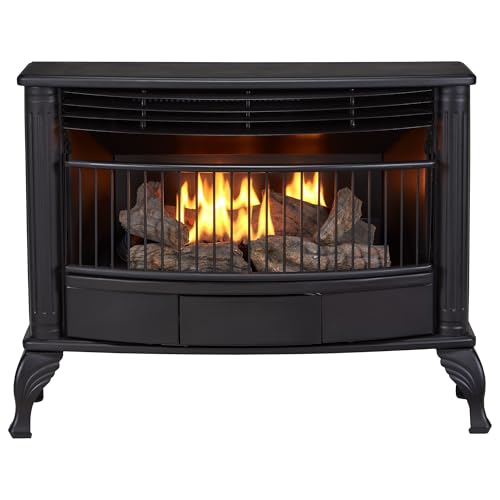
- BWP Score9.1
BWP Score is a ranking system developed by Bestwinterproducts.com. BWP score has no relationship or impact from any manufacturers or sales agent websites. Learn more
- BrandDuluth Forge

- BWP Score8.4
BWP Score is a ranking system developed by Bestwinterproducts.com. BWP score has no relationship or impact from any manufacturers or sales agent websites. Learn more
- BrandDuluth Forge

- BWP Score8.1
BWP Score is a ranking system developed by Bestwinterproducts.com. BWP score has no relationship or impact from any manufacturers or sales agent websites. Learn more
- BrandDuluth Forge

- BWP Score7.6
BWP Score is a ranking system developed by Bestwinterproducts.com. BWP score has no relationship or impact from any manufacturers or sales agent websites. Learn more
- BrandPleasant Hearth
Last update on 2026-07-29 / Affiliate links / Images, Product Titles, and Product Highlights from Amazon Product Advertising API
How To Use A Gas Fireplace Safely And Confidently
A cold room can make even simple fireplace controls feel oddly intimidating. One switch says “on,” another knob points toward “pilot,” and the remote seems to have more buttons than anyone expected. Learning how to use a gas fireplace starts with slowing down, identifying the ignition system, and resisting the urge to twist or press everything at once. A careful first look prevents most common mistakes and makes every later startup feel far less stressful.
Gas Fireplace Startup Basics
Start by checking the area directly around the firebox. Remove paper, toys, pet beds, decorations, and anything else that could sit too close to the glass or heat outlet. The fireplace should have clear airflow, an unobstructed vent if the unit uses one, and no visible damage around the glass panel. A quick visual check takes little effort, but it can reveal problems before heat enters the picture.
Next, identify how the fireplace ignites. A wall switch or remote usually points to an electronic ignition system, while a control compartment with “off,” “pilot,” and “on” markings often indicates a standing pilot setup. Some models combine a pilot assembly with electronic controls, so the labels alone don’t always tell the full story. The manufacturer’s operating instructions remain the safest reference because control layouts vary from one unit to another.
Use your senses before starting the flame. A strong sulfur-like odor, often compared to rotten eggs, can signal unburned gas and should never be ignored. Don’t operate switches, light matches, or try another ignition cycle if that odor is present. Leave the area, follow the gas supplier’s emergency guidance, and treat gas odor as a serious warning rather than a minor inconvenience.
Confirm that the fireplace glass or front panel is properly secured. Gas units are designed to operate with specific panels in place, and removing them can disrupt airflow or expose hot components. Decorative doors should also be positioned according to the unit’s instructions rather than left halfway open because it “looks better.” Proper panel placement supports safe combustion and helps the fireplace perform as intended.
Lighting A Standing Pilot System
A standing pilot fireplace usually has a gas control knob inside a lower access compartment. Turn the control knob to “off” and allow several minutes for any remaining gas to clear before attempting ignition. Don’t rush this pause, even on a bitter evening when the room feels like an icebox. That waiting period is a basic safety step, not wasted time.
After the pause, turn the knob to the “pilot” position. Press and hold the control knob while activating the igniter button, which may need several clicks before the pilot flame appears. Keep holding the knob for the period stated in the manual so the thermocouple or flame sensor has time to heat. Releasing too early often causes the pilot flame to go out, which can make the system seem broken when it simply hasn’t warmed enough.
Watch the pilot through the viewing area rather than placing your face close to the opening. A steady flame should reach the sensor positioned beside it, though exact flame shape and color can differ by model. If the pilot repeatedly fails to stay lit, stop cycling the controls over and over. Persistent failure may point to a dirty pilot assembly, a weak sensor, or another issue that needs professional service.
Once the pilot remains stable, turn the control knob from “pilot” to “on.” The main burner can then be activated by the wall switch, thermostat, or remote supplied with the fireplace. Keep the access panel closed during normal operation instead of leaving the controls exposed. This protects the components from dust, accidental bumps, and curious fingers while supporting reliable operation.
Using Electronic Ignition And Remote Controls
Electronic ignition models remove much of the manual pilot-light routine. After confirming the gas supply and electrical power are available, use the designated wall switch or remote to start the unit. A brief clicking sound before ignition is common because the system is creating a spark and checking for flame. The burner should light within the normal sequence described in the manual, not after endless attempts.
Allow the system to finish its startup cycle before pressing more buttons. Rapidly switching the fireplace on and off can interrupt the ignition sequence and leave the control module trying to reset. Give it a moment, watch for the flame, and listen for unusual sounds rather than treating the remote like a stubborn television controller. A calm approach protects the electronic ignition system from needless cycling.
Remote displays often control more than the flame. Depending on the model, the remote may adjust flame height, blower speed, room temperature, lighting effects, or a timer. Change one setting at a time so you can see what each button actually does. Clear, deliberate adjustments make temperature control easier and prevent accidental timer settings that shut the fireplace off sooner than expected.
Battery condition matters more than many people realize. Weak remote batteries can create delayed responses, missed commands, or intermittent operation that looks like a fireplace fault. Replace batteries as a set and check the receiver battery pack if the unit has one for backup operation. Keeping fresh batteries nearby is a simple way to avoid control problems during cold weather.
Adjusting Flames Heat And Blower Settings
A taller flame doesn’t always mean the room will heat faster. Flame height changes appearance and heat output, but room size, insulation, ceiling height, and blower operation also affect comfort. Start at a moderate setting and give the fireplace time to warm the surrounding area before turning everything to maximum. This measured approach provides steadier comfort without creating an overheated spot near the hearth.
Use the blower only after the firebox has begun warming, unless the fireplace automatically delays the fan. Blowing cool air too early can make the room feel drafty even though the burner is operating correctly. Many built-in blowers start several minutes after ignition and continue briefly after shutdown to move remaining heat. That delay supports better heat distribution and protects internal components from trapped heat.
Listen to the blower as it runs. A soft airflow sound is normal, but rattling, grinding, or pulsing noise may indicate dust buildup, a loose panel, or a worn fan component. Don’t block the lower intake or upper heat outlet with furniture, baskets, or seasonal decorations. Open airflow helps the circulation system spread warmth instead of trapping it inside the fireplace enclosure.
Gas flames and electric flame effects serve different purposes, so they shouldn’t be treated as interchangeable systems. To create a decorative fire look without operating a gas burner, consider electric fireplace logs for a separate setup designed around visual ambiance. Gas fireplaces, by contrast, require proper fuel flow, ignition, venting where applicable, and combustion controls. Keeping those differences clear prevents unsafe substitutions or improvised modifications.
Reading The Flame And Spotting Problems
Flame appearance offers useful clues about fireplace operation. Gas fireplaces often produce blue near the burner with yellow or orange higher in the flame, though the exact pattern depends on the burner and media design. Soot collecting rapidly on the glass or firebox may signal incomplete combustion or improperly placed logs. Treat repeated soot buildup as an operating issue, not merely a cleaning nuisance.
Decorative logs must remain in their specified positions. Shifting a log because the arrangement looks uneven can redirect flames, create soot, or interfere with ignition. The placement diagram in the manual matters because each notch, pin, and support is designed around the burner pattern. Correct log placement protects flame quality and reduces dark deposits on the glass.
Delayed ignition deserves immediate attention. A small pause during a normal electronic sequence can be expected, but a noticeable buildup followed by a sudden “whoosh” isn’t something to shrug off. Turn the unit off and arrange an inspection rather than continuing to test it. Delayed ignition may indicate burner blockage, pilot trouble, or another combustion problem that shouldn’t be handled through guesswork.
Frequent shutdowns can have several causes, including overheating, a weak flame sensor, blocked airflow, low batteries, or a safety switch doing its job. Note what happens right before the fireplace turns off, such as the blower stopping, the flame shrinking, or the remote display changing. Those details help a technician diagnose the problem without relying on vague descriptions. Accurate observations often shorten troubleshooting time and reduce repeated service visits.
Keeping Glass Screens And Surroundings Safe
The glass front can remain hot long after the burner shuts down. Children and pets may see the flame disappear and assume the surface is safe, but stored heat doesn’t vanish instantly. Use a certified protective screen or barrier designed for the fireplace if the household needs an added layer of separation. A clear hot-glass rule helps prevent painful contact during and after operation.
Clean the glass only after the fireplace has cooled completely. Use a cleaner approved for fireplace glass, since ordinary household sprays can leave residue or damage coatings. Avoid abrasive pads, razor blades, and harsh powders unless the manufacturer specifically permits them. Gentle cleaning protects glass clarity while preserving seals and surface treatments.
White haze on the glass can develop from normal combustion byproducts, especially during early use or after maintenance. Leaving that film in place for long periods may make it harder to remove later. Regular light cleaning is usually easier than waiting for deposits to bake onto the surface. Still, unusually heavy soot or recurring stains can point to a burner or airflow issue that needs inspection.
Keep the mantel, television, artwork, and decorations within the clearances listed for the fireplace. Heat exposure can damage electronics, dry wood, discolor finishes, or create unsafe surface temperatures even when nothing touches the flame. Measure placement rather than judging by appearance alone. Proper clearance from heat matters more than squeezing one more decorative item above the firebox.
Choosing Safe Alternatives For Different Rooms
Some rooms aren’t practical locations for a gas appliance. Limited venting options, rental restrictions, renovation costs, or tight floor plans can make installation more complicated than expected. In those cases, an electric insert may provide flame visuals without gas lines or combustion. To simplify a separate electric installation, review a LED fireplace insert that matches the opening dimensions and intended heat output.
Electric units still require attention to circuit capacity and surrounding clearance. A convenient plug doesn’t mean extension cords, overloaded outlets, or covered heat vents are acceptable. Check the electrical requirements and use a dedicated circuit where the manufacturer calls for one. The safer choice depends on the room’s power supply, layout, and heating goal rather than appearance alone.
Whole-house hot water needs belong in a completely different category from fireplace heating. A gas fireplace warms a living space, while a water heater handles plumbing demand and must be sized around flow rate, temperature rise, and electrical or fuel capacity. For homes planning a separate water-heating upgrade, compare an electric tankless water heater based on household demand rather than fireplace output. Keeping these systems separate avoids unrealistic expectations about home heating equipment.
A gas fireplace works best as a room-focused comfort source, not an automatic replacement for central heating. Open floor plans may spread warmth farther, while closed doors and distant bedrooms can stay cool. Use the fireplace according to its rated purpose and monitor room temperature instead of assuming visible flames equal whole-home coverage. Realistic expectations protect comfort, efficiency, and safety during regular use.
How To Use A Gas Fireplace Without Costly Mistakes
Daily operation gets easier after the ignition controls, flame behavior, and safety boundaries feel familiar. The next challenge is keeping the fireplace dependable without turning routine care into a complicated weekend project. A few repeatable habits can prevent unnecessary shutdowns, reduce soot, and make strange sounds or smells easier to judge. These details matter because small problems often announce themselves quietly before they become expensive repairs.
Shutting Down The Fireplace Correctly
Turn off the burner with the same wall switch, remote, or thermostat used to start it. Avoid closing the main gas valve after every normal use unless the manufacturer specifically recommends that routine. The flame should disappear promptly, while the blower may continue running for a short period. That continued airflow is usually a normal cooling cycle rather than a sign that the unit ignored the command.
Let the blower stop on its own instead of cutting electrical power immediately. Many fireplaces use a temperature-sensitive switch that keeps the fan running until the firebox sheds its stored heat. Pulling the plug or flipping a breaker can trap heat around internal components and interrupt the designed shutdown sequence. A complete cool-down period protects the blower, wiring, and surrounding enclosure.
Leave the protective screen and glass front untouched after shutdown. The surface can remain hot well after the visible flame disappears, especially after a long heating session. A practical household rule is to treat the entire fireplace face as hot until it has cooled completely. That habit creates a reliable burn-prevention boundary for children, pets, and distracted guests.
Check the control display before walking away if a remote includes timer or thermostat functions. A fireplace placed in thermostat mode may restart automatically after the room temperature drops, even though someone thought it had been turned off. Select the true off setting whenever unattended operation isn’t intended. Clear control habits prevent unexpected restarts and remove the nagging question of whether the unit is still active.
Managing The Pilot During Warm Weather
A standing pilot can often remain lit throughout the heating season, but summer operation depends on the fireplace design and household preference. Leaving it on may help keep minor moisture away from the firebox, while shutting it off saves a small amount of gas. The manual may give specific seasonal instructions, so use those before adopting a blanket rule. The right choice balances fuel use, humidity, and the fireplace’s ignition setup.
Turn the pilot off only after the main burner has been shut down and the unit has cooled. Move the control knob through the sequence stated by the manufacturer rather than forcing it directly between settings. Some knobs must be pressed inward before turning, and forcing one can damage the valve mechanism. Gentle, deliberate operation protects the gas control valve from avoidable wear.
Restarting a pilot after several months may take longer because air can enter the line while the fireplace sits unused. Follow the proper purge and ignition procedure without repeatedly flooding the firebox with unsuccessful attempts. Stop if a gas odor develops or the pilot won’t remain stable after reasonable attempts. A service visit is safer than turning seasonal relighting into a trial-and-error exercise.
Electronic ignition fireplaces generally don’t maintain a constant pilot flame. Their control module creates ignition only when heat is requested, though some models include a continuous-pilot mode for cold or damp conditions. Switching modes should be done through the approved controls, not by opening panels and altering wiring. The fireplace’s ignition mode should always remain within the options built into the unit.
Cleaning Without Damaging Fireplace Components
Wait until every surface feels completely cool before beginning any cleaning task. Turn the fireplace off, disable accidental remote activation, and follow the manual’s instructions for accessing the glass or lower compartment. Rushing into a warm firebox can cause burns and may stress hot glass when cleaner touches it. A cool unit creates the safest conditions for routine maintenance.
Use a soft cloth and a product approved for ceramic fireplace glass. Standard window cleaner may leave streaks, create odors during the next burn, or affect specialized coatings. Apply the cleaner to the cloth rather than spraying it freely around seals, burners, and control components. Controlled application preserves glass seals and keeps liquid away from sensitive areas.
Vacuum loose dust near accessible vents with a soft brush attachment, but don’t disturb burner ports, pilot assemblies, or decorative media. Logs, stones, and embers often have exact placement requirements that control flame movement. Even a small shift can create dark spots on the glass or interfere with ignition. Leave burner cleaning and internal adjustments to a qualified technician unless the manual clearly describes a homeowner-safe procedure.
Decorative alternatives can simplify upkeep in rooms where gas installation or combustion maintenance feels impractical. To add flame ambiance in a smaller space without managing a pilot assembly, consider a electric fireplace under 200 that suits the room’s outlet capacity and clearance needs. Electric models still require clean vents and sensible placement, but they avoid gas-line and burner servicing. That distinction can reduce maintenance demands in apartments, offices, or occasional-use rooms.
Preventing Soot Odors And Unusual Noises
A faint odor during the first few uses of a new fireplace may come from manufacturing residues curing on heated surfaces. Ventilate the room according to the manufacturer’s guidance and watch whether the smell fades with normal operation. Persistent chemical odors, smoke-like smells, or strong gas odors require a different response. Those signals can indicate a service issue rather than ordinary break-in behavior.
Soot should never be brushed off as a cosmetic annoyance if it returns quickly. Dark buildup can result from misplaced logs, blocked burner openings, poor combustion, or venting trouble. Cleaning the glass without correcting the cause only resets the visible symptom. Recurring soot calls for a combustion inspection before the fireplace resumes regular use.
Metallic ticks and light popping sounds often occur as the firebox expands while heating and contracts while cooling. Those noises are usually brief and follow a predictable pattern. Grinding, scraping, repeated banging, or a blower that suddenly becomes much louder deserves attention. Sound changes can reveal a loose panel, debris near the fan, or a worn moving part.
Whistling near the burner shouldn’t be diagnosed by bending tubes or adjusting gas pressure at home. Fuel pressure, burner alignment, and air mixture require proper instruments and training. Record when the sound begins, whether it changes with flame height, and whether the flame appearance shifts. Those observations give a technician useful diagnostic clues without putting anyone near live gas components.
Reducing Heat Loss And Uneven Room Comfort
Furniture placement can make a fireplace seem weaker than it really is. A large sofa positioned directly in front of the heat outlet may absorb warmth and block circulation into the rest of the room. Leave the recommended clearance around intake and discharge areas, then give warm air a path toward occupied spaces. Better layout supports even heat movement without raising the flame unnecessarily.
Ceiling fans can help redistribute rising heat if they run slowly in the proper seasonal direction. High speed often creates a chilly draft, so gentle circulation is the better goal. Open interior doors may also help warmth reach nearby areas, though distant rooms will still receive less heat. A gas fireplace remains a zone-heating source, not a guaranteed replacement for a balanced central system.
Thermostat settings deserve a little patience. Placing the remote near the fireplace, on a cold windowsill, or in direct sunlight can make its temperature reading misleading. Set it in a representative location away from concentrated heat and drafts. A better sensor position improves temperature accuracy and reduces rapid on-and-off cycling.
Drafts around doors and windows can erase much of the comfort a fireplace adds. Seal obvious leaks with appropriate weatherstripping and close window coverings without blocking required fireplace clearances. Soft room accessories can also make the space feel warmer, though fabric must stay well away from hot glass and vents. A plaid scarf belongs on a coat hook or chair outside the fireplace clearance zone, not draped across a mantel where heat could affect it.
Handling Power Outages And Control Failures
A gas supply doesn’t guarantee that every gas fireplace will operate during a power outage. Electronic ignition, blowers, control modules, and powered venting may depend on household electricity. Some units include battery backup for ignition, while others remain completely unavailable until power returns. Check the manual before an outage so the fireplace’s backup capability isn’t a surprise during cold weather.
Install fresh batteries in an approved backup pack only as directed. Don’t attempt to power the fireplace through improvised wiring, an indoor generator connection, or an extension cord arrangement that violates the manufacturer’s instructions. A blower drawing power from an unsuitable source can overheat wiring or damage the control board. Safe backup operation depends on approved power methods, not creative shortcuts.
A wall switch that stops responding may have a simple cause, such as dead remote batteries, a switched-off receiver, or interrupted household power. Check accessible controls and breakers without opening sealed electrical compartments. If the pilot is present but the main burner won’t activate, the fault may involve the switch circuit, sensor, or control module. Continued random button pressing rarely repairs a control failure and may make the symptoms harder to track.
Write down any error code shown on the remote or control display. Note whether the pilot lights, whether the blower runs, and whether the problem appears only after the unit becomes hot. These details help separate ignition trouble from overheating or communication faults. Clear notes support faster service diagnosis and can prevent repeat visits caused by missing information.
Scheduling Service Before Problems Escalate
Professional inspection frequency depends on usage, model requirements, and local conditions. A fireplace used every evening deserves closer attention than one operated a few times each winter, but long inactivity doesn’t eliminate maintenance needs. Dust, insects, corrosion, and vent obstructions can develop while the unit sits idle. Follow the manufacturer’s schedule and arrange service sooner if performance changes appear.
A qualified technician can inspect the burner, pilot assembly, gas pressure, safety controls, vent path, seals, and blower. Those checks go beyond wiping the glass and vacuuming an accessible grille. Internal components may look simple yet rely on precise alignment and pressure. Skilled service protects combustion quality while reducing the risk of recurring ignition or soot problems.
Book service before the coldest stretch of the season if the fireplace already shows unreliable behavior. Waiting until a freezing evening often turns a manageable repair into an urgent household problem. Early scheduling also leaves time to obtain model-specific parts if they’re needed. Preventive attention supports consistent heat instead of gambling on one more successful startup.
Keep the model number, serial number, installation records, and previous service notes together. These details help technicians identify compatible parts and recognize problems that have occurred before. Photos of unusual flame patterns or error displays can also provide useful context if the symptom disappears before the appointment. Organized records make long-term fireplace care simpler and reduce guesswork during future repairs.
Building A Safer Everyday Fireplace Routine
Use the same short checklist each time the fireplace starts. Confirm the area is clear, watch the ignition, verify a stable flame, and make sure vents aren’t blocked. Repetition turns these checks into a habit rather than a chore. A consistent startup routine catches misplaced objects and unusual behavior before everyone settles into the room.
Keep remote controls out of reach of small children and don’t leave loose batteries near the hearth. Explain that the screen and glass aren’t safe to touch, even when the flame looks calm or decorative. Guests may not know the household rules, so a brief reminder can prevent a painful mistake. Simple communication strengthens fireplace safety without making the room feel off-limits.
Avoid running the fireplace while the household is asleep unless the unit is specifically designed, installed, and operated for that purpose under its instructions. Timers and thermostats add convenience, but they don’t replace working alarms, clear vents, and responsible supervision. Never use the firebox to dry gloves, warm clothing, or store decorations. Keeping combustible materials away protects the hearth area from preventable heat damage.
Test smoke and carbon monoxide alarms according to their instructions and replace batteries or units as required. Alarm placement should follow local safety guidance because a device installed in the wrong location may respond poorly or create nuisance alerts. A fireplace that appears normal still benefits from independent detection equipment. Reliable alarms provide a crucial warning layer alongside correct installation, maintenance, and daily operation.

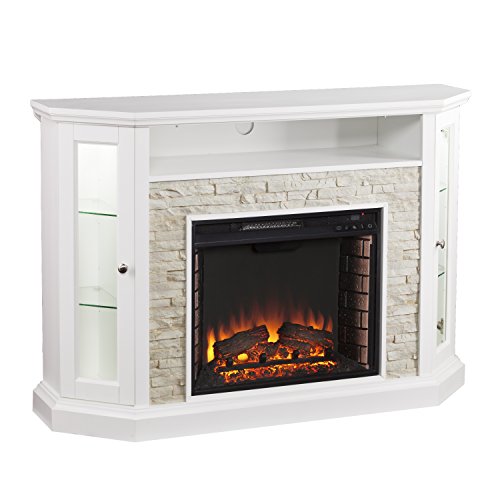
12 Best Corner Electric Fireplace 2026: My Ultimate Guide To Pick One
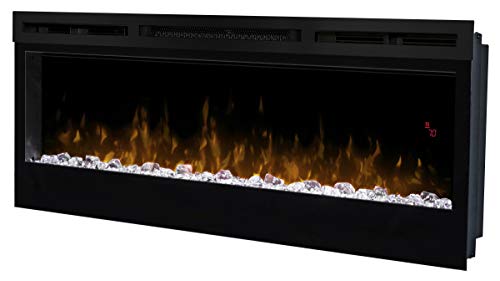
Dimplex Prism Wall Mount Fireplace: Sleek Heat With Modern Flame Style
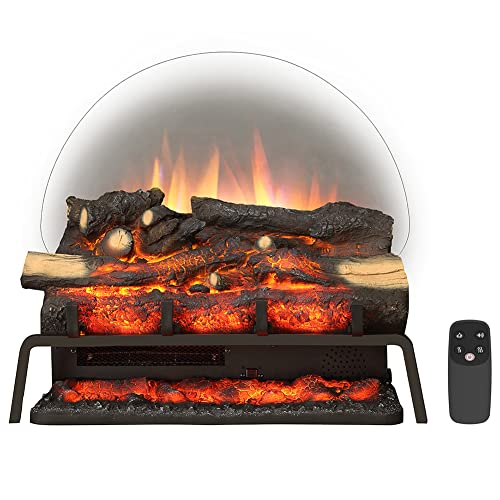
Best Electric Fireplace Insert for Large Room Heating and Style

Best 40 Inch Electric Fireplace Insert 2026 - Cozy Ambiance with Modern Power
Top 12 Best Quality Electric Fireplace 2026 - Buying Guides

Best Wall Mount Electric Fireplace 2026 for Ultimate Comfort and Style

How to Start Monessen Fireplace: A Step-by-Step Guide

How to Whitewash Rock Fireplace: Simple Steps to Refresh Your Space