
Is a Water Heater an Appliance or a Fixture?

Check the wording in your paperwork before filing a claim or signing a closing agreement. Mechanically, a water heater is a major household appliance, but legally and practically, it is almost always treated as a permanent plumbing fixture. Because the tank connects directly to the home's water lines and power supply, standard agreements classify it as part of the building itself rather than a portable machine.
The exact label depends on the contract in front of you and how the unit gets installed. Real estate sales treat a plumbed tank as real property that stays with the house, while home warranties usually put it under a systems plan rather than a basic appliance package. Compact, plug-in models sitting under a single sink can blur the lines by acting like personal property. Here is how each category works so you know where you stand.
Is a water heater an appliance or a fixture?
A water heater lives in two different worlds. Mechanically speaking, it is a major household appliance. It is an enclosed machine with heating elements or gas burners, thermostats, and internal valves that performs a specific domestic chore. If you walk into a home improvement store, water heaters sit in the appliance department right alongside refrigerators, dishwashers, and clothes dryers.
In real estate transactions, insurance policies, and building codes, however, a water heater is classified as a permanent plumbing fixture. A fixture is a permanent part of the house attached to pipes or walls. Once connected to supply pipes, hot water lines, and dedicated electrical wiring or gas lines, it becomes part of the home itself.
This distinction matters because appliances and fixtures follow completely different rules. A refrigerator unplugs and rolls into a moving truck in minutes without damaging the house. A water heater cannot. Disconnecting a water heater leaves behind open pipes, exposed wiring, and a house without running hot water.
Because of that physical connection, property law treats the water heater as real property. Real property includes the home and everything permanently built into it. Even though manufacturers call it an appliance, practical contracts treat it as a permanent plumbing fixture.
Does a water heater stay with the house when sold?
A home purchase contract draws a firm line between what stays and what goes. Real estate agreements transfer all real property to the buyer, while the seller packs up their personal property. Personal property covers portable belongings you can pack up and take, like couches, tables, televisions, and countertop microwaves.
A water heater stays with the home by default. Standard residential purchase contracts across the country treat water heaters as built-in fixtures. A buyer does not need to write the water heater into their offer sheet to secure it. It transfers automatically with the deed, just like the furnace, the kitchen sink, and the front door.
Unhooking a water heater and hauling it away is usually a direct breach of contract. Beyond the legal violation, taking the unit makes the house immediately uninhabitable. Building codes and mortgage lenders require an active, safe source of hot water before anyone can legally occupy the property or close on a mortgage loan.
A seller can only take a water heater if they state that intention clearly in writing. The listing agreement and final purchase contract must explicitly list the unit as an exclusion. Even then, most agreements require the seller to install an equivalent working replacement before closing. If the unit is leased, that arrangement must be disclosed in writing so the buyer can decide whether to assume the monthly payments.
How do you tell an appliance from a fixture?
Inspectors, appraisers, and courts use a simple attachment standard to resolve property disputes. You can check any item in your home using four straightforward guidelines.
- Method of attachment: Look at how the unit connects to the structure. A space heater or microwave plugs into a wall outlet and lifts away freely. A water heater is fastened directly to supply lines with threaded fittings or soldered joints. Removing it requires shutting off the main water valve, draining the tank, and unhooking electrical cables or gas lines. If removal requires tools and leaves open pipes, the item is a fixture.
- Adaptation to the home: Check whether the item is customized or essential to the property. A water heater feeds hot water to every bathroom sink, shower, and kitchen faucet. It is adapted specifically to operate the home's primary plumbing system.
- Installer intent: Consider the original goal of the person who put it in. When someone hires a professional to install a water heater in the basement, nobody expects that unit to travel to their next home. The clear goal was to make a permanent improvement to the property.
- Written agreements: Review the purchase contract or lease paperwork. Clear written language always overrides general definitions. If a contract explicitly states that a piece of equipment remains personal property, that written term settles the issue.
Most everyday kitchen appliances fail this standard and remain personal property. A built-in dishwasher or under-cabinet range hood counts as a fixture because it is screwed to the cabinets and wired into the wall. A water heater meets every requirement of a permanent fixture.
Does home warranty or insurance cover a water heater?
Classifying a water heater correctly is vital when equipment fails and you need to file a claim. Many homeowners assume that buying a basic home warranty means their water heater is covered. That misunderstanding often leads to frustrating claim denials and unexpected out-of-pocket bills.
Home warranty companies typically divide their service plans into appliance packages and systems packages. A standard appliance plan covers standalone units like kitchen refrigerators, ranges, dishwashers, clothes washers, and dryers. A water heater is almost never included in that basic appliance tier. Instead, warranty providers classify the water heater under their plumbing systems or mechanical systems plan.
If you purchase an appliance-only warranty package, the company will likely reject your claim when your tank leaks. You need a systems plan or a complete combo package to cover water heater repairs and replacements. Always check the contract definitions before signing so you know how the provider groups water heaters.
Homeowners insurance makes a similar legal distinction. Standard insurance policies separate coverage into dwelling protection for real property and personal property protection for your belongings. If a water heater tank ruptures suddenly and floods your basement, your dwelling coverage pays to repair structural damage to walls, subfloors, and attached plumbing lines. Personal property coverage pays to replace ruined belongings stored nearby, like rugs, furniture, or storage boxes.
Keep in mind that insurance covers sudden, accidental water damage rather than normal wear and tear. If an old tank slowly rusts through after ten or fifteen years, your insurer may pay to dry out the water damage, but they will not buy you a brand-new water heater. Regular maintenance and eventual replacement remain your responsibility.
Can a water heater count as personal property?
While whole-house water tanks are firmly classified as fixtures, compact technology creates a few exceptions. The main exception involves small point-of-use water heaters. A point-of-use heater is a small heater placed right next to a single faucet, such as beneath a wet bar, in a workshop, or under an outdoor sink.
Some of these compact units use an ordinary three-prong plug that connects into a standard 120-volt wall outlet. They connect to the local faucet with flexible braided lines rather than soldered metal pipe. In mobile setups or camper builds, small heaters behave much like portable appliances. For example, anyone outfitting an off-grid campervan often balances water heating with choosing the right heater for van life to keep total electrical demand within safe battery limits.
In these limited situations, a compact water heater behaves like personal property. If you rent a commercial studio or workshop and install a small plug-in unit under your utility sink with hand-tightened hoses, you can unplug it and pack it into your moving truck when your lease ends. Because you can remove it in minutes without altering the building's plumbing lines, it remains personal property.
The situation changes, however, if that compact unit serves as the only source of hot water for a home. In manufactured housing, for example, equipment must satisfy strict property standards. Just as choosing a proper heater for a mobile home requires meeting specific safety and clearance guidelines, any water heater supplying the primary bathroom or kitchen in a home is treated as a permanent fixture by lenders and inspectors, regardless of its compact dimensions.
What should you check before buying a compact heater?
A compact point-of-use water heater provides dedicated hot water for a detached workshop, garage sink, or outbuilding. It solves the hot water problem without requiring you to extend plumbing lines from the main house. Before you buy an auxiliary heater, verify a few key home requirements so you avoid installation headaches.
Start by checking your available electrical capacity. Small mini-tank units often run on standard 120-volt household circuits, meaning you can plug them directly into an existing wall outlet. More powerful on-demand tankless units require dedicated 240-volt circuits with heavy-duty breakers. If you also plan to keep a cold workspace comfortable during winter, such as installing an electric heater for a garage with a thermostat, check your main electrical panel to confirm it can handle the combined power draw.
Next, check your hot water demand and flow requirements. A compact tank holds a modest amount of hot water that works reliably for washing hands or rinsing dishes at a single faucet. A tankless unit heats water continuously as it flows through the heating elements, but it requires enough electrical power to raise the incoming water temperature to a comfortable warmth.
Finally, measure your physical space and inspect the surrounding plumbing connections. Check the height, width, and depth under your sink or inside your cabinet to ensure the unit fits with room for pipe clearances. Verify that the water inlet and outlet connections match standard plumbing fittings so you can hook up the unit smoothly without complicated pipe modifications.
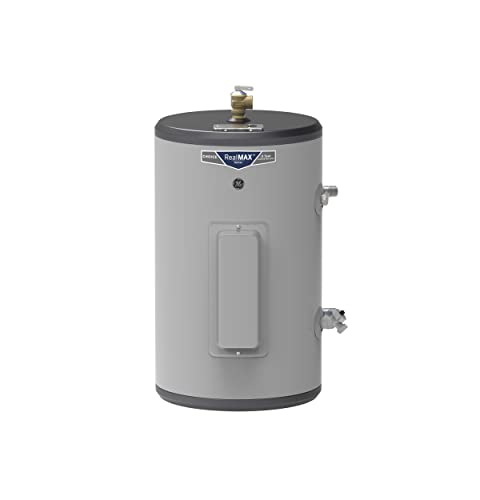
- BWP Score9.3
BWP Score is a ranking system developed by Bestwinterproducts.com. BWP score has no relationship or impact from any manufacturers or sales agent websites. Learn more
- BrandGE
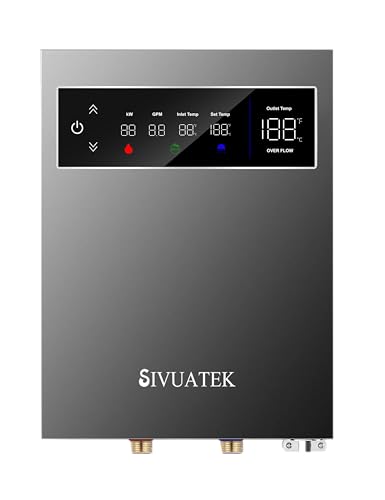
- BWP Score9.2
BWP Score is a ranking system developed by Bestwinterproducts.com. BWP score has no relationship or impact from any manufacturers or sales agent websites. Learn more
- BrandSIVUATEK

- BWP Score9.0
BWP Score is a ranking system developed by Bestwinterproducts.com. BWP score has no relationship or impact from any manufacturers or sales agent websites. Learn more
- BrandGE

- BWP Score8.6
BWP Score is a ranking system developed by Bestwinterproducts.com. BWP score has no relationship or impact from any manufacturers or sales agent websites. Learn more
- BrandGE

- BWP Score8.4
BWP Score is a ranking system developed by Bestwinterproducts.com. BWP score has no relationship or impact from any manufacturers or sales agent websites. Learn more
- BrandGE
- BWP Score8.1
BWP Score is a ranking system developed by Bestwinterproducts.com. BWP score has no relationship or impact from any manufacturers or sales agent websites. Learn more
- BrandGE
Last update on 2026-10-12 / Affiliate links / Images, Product Titles, and Product Highlights from Amazon Product Advertising API
FAQs
Is a hot water heater considered personal property?
A standard hot water heater is almost never considered personal property. Because it connects directly to the home's water pipes, electrical wiring, or gas lines, the law treats it as real property and a permanent fixture. Only small, portable plug-in units using temporary flexible lines in rented or mobile spaces qualify as personal property.
Can a seller legally take a water heater when moving?
A seller cannot legally take a water heater unless it is explicitly written into the sales contract as an exclusion. Because the water heater is an attached fixture necessary to keep the home habitable, removing it without prior written agreement breaches the contract. When an exclusion is agreed upon, the seller typically must install an equivalent working replacement before closing.
Why do warranty companies separate appliances from plumbing systems?
Home warranty companies separate appliances from plumbing systems because they involve different repair costs and trade skills. Kitchen and laundry appliances are self-contained machines that can be serviced or swapped out easily. Water heaters connect directly to pressurized water lines, gas pipes, and exhaust vents, requiring licensed plumbers and local building permits to replace safely.
Does a tankless unit count as an appliance or fixture?
A tankless unit counts as a fixture under real estate and insurance rules, just like a traditional tank model. Even though a tankless heater is compact and mounts to a wall, it connects directly to the building's water lines and electrical panel or gas supply. Taking it out leaves disconnected utility lines and removes an essential household service.


Best Warm Winter Scarves 2026 For Cozy Comfort

Best Green Ski Goggles 2026 For Clear Vision On Slopes

12 Best Corner Electric Fireplace 2026: My Ultimate Guide To Pick One

Best Battery Powered Snow Blower 2026 For Effortless Snow Clearing

Best Ski Goggles Under 30 Inches For Crisp Vision And Comfort

Best Cooling Scarf 2026 For Instant Relief And Comfort

Fake Snow for Grass: Create a Realistic Winter Lawn Display

Dimplex Prism Wall Mount Fireplace: Sleek Heat With Modern Flame Style





