
Is Noritz a Good Water Heater for Your Home in 2026?

Noritz builds dependable, high-performing water heaters that easily outlast traditional storage tanks. That long lifespan only holds true if your home has the right gas supply and you keep up with routine mineral cleaning. Inside each unit, commercial-grade copper piping absorbs intense burner heat to supply continuous hot water whenever someone turns on a tap. However, unsoftened hard water can slowly bake chalky crust onto those metal coils, leading to frustrating temperature drops or sudden error codes.
Your local climate also changes the outcome. Frigid winter groundwater forces the system to slow down water flow so the burner can reach your target temperature, which can limit how many showers run at once. Existing gas lines must also supply enough fuel, or the unit will struggle during peak morning hours. Here is how to weigh those installation details and maintenance chores so you can decide if this system makes sense for your home.
Noritz Build Quality, Reliability, and Expected Lifespan
Noritz has manufactured water heating equipment for decades, focusing on durable mechanical components rather than plastic shortcuts. Inside any tankless unit, the most critical part is the heat exchanger, which is the metal pipe block where burner flame heats running water. While some budget brands use thin metal that warps under thermal stress, Noritz builds its primary heating blocks from commercial-grade copper. For example, models like the Noritz NR98SVNG feature copper piping that is 25 percent thicker than standard residential models. This extra thickness protects against pinhole corrosion and thermal wear when the burner fires at full power.
Under normal household conditions, a properly maintained Noritz heater lasts between 15 and 20 years, compared to 8 to 12 years for a traditional storage tank. The internal components are also modular. If a water flow sensor, igniter, or fan wears down after a decade, a qualified professional can replace that single part without replacing the entire machine. However, reaching that 20-year lifespan requires routine care. Untreated mineral crust can destroy a copper heating block in less than seven years, so long-term durability depends directly on water quality and upkeep.
Noritz Tankless vs Traditional Storage Tanks: Daily Performance and Running Costs
Replacing an old 50-gallon tank with a Noritz tankless system changes how hot water flows through your home. A traditional water heater stores 40 to 60 gallons of water and reheats it constantly, wasting fuel through standby heat loss. A Noritz unit stays off until a faucet opens, firing its gas burner only while water moves through the copper pipes.
The primary daily advantage is continuous hot water. If your household takes back-to-back showers, a standard tank runs cold and forces you to wait up to 45 minutes for recovery. A Noritz delivers steady hot water for as long as the tap stays open. Condensing models, such as the Noritz NRC71DVNG, achieve very high efficiency by using a secondary heat exchanger to reuse heat from exhaust gases before venting them outdoors, lowering monthly utility bills.
There are minor daily quirks to expect. Tankless heaters do not deliver instant hot water unless paired with a recirculation line, as water must still travel through your home plumbing to reach the tap. You might also notice a cold water sandwich. If you turn off the shower to lather soap and turn it back on 30 seconds later, you may feel a brief three-second burst of cool water that drifted through the pipe between burner cycles.
Wall mounting also frees up around 10 square feet of floor space in a basement or utility closet. If you install your unit in an unheated utility room or attached garage, pairing the room with the best electric heater for garage with thermostat control can help keep your exposed water pipes from freezing during harsh winter weather.
The Hard Water Catch: Why Regular Flushing Matters and What Causes Error Shutdowns
The most frequent complaint homeowners have with tankless systems is an unexpected error shutdown. When a Noritz cuts out mid-shower, the culprit is almost always mineral buildup rather than an electrical defect. Tap water contains dissolved calcium and magnesium that separate when heated. These minerals bake onto the hot metal pipe block where burner flame heats running water, creating a chalky crust known as scale.
This mineral crust acts like an insulation blanket between the burner flame and the water. Because heat cannot transfer easily into the water, the copper tubing gets dangerously hot. Noritz units contain an automatic overheat sensor that shuts the unit off if internal parts get dangerously hot to protect against fire and melted parts. Once this sensor trips, the heater locks out and flashes an error code on the control screen.
To prevent these shutdowns, you must perform regular descaling, which means pumping vinegar through pipes to dissolve hard chalky mineral crust. In areas with soft water, doing this once every 12 to 18 months keeps the burner clean. In hard water areas, flushing every six to twelve months is necessary to protect the internal copper from cracking under trapped heat.
Watch for these warning signs that mineral scale is building up inside your unit:
- Water temperature swings between hot and lukewarm while the tap stays open.
- The heater makes a faint whistling or humming sound while firing.
- Hot water pressure drops noticeably at showers and faucets.
- The digital display shows an overheating error code during heavy hot water use.
Five Steps to Check if a Noritz Will Deliver Enough Hot Water to Your Home
Before buying a tankless unit, verify that your household plumbing and utility lines match how on-demand heating works. Follow these five checks in order to make sure you get endless hot water rather than lukewarm frustration.
- Check your local winter groundwater temperature. Locate your regional groundwater zone or measure your cold tap water with a kitchen thermometer in mid-winter. Tankless flow rates depend on temperature rise, which is the difference between incoming tap water and your target warmth (typically 120°F). When winter groundwater drops to 40°F, the heater must boost water temperature by 80°F, cutting its hot water output roughly in half compared to warm summer months.
- Calculate your peak simultaneous water demand in gallons per minute. Count how many hot water fixtures run together during your busiest morning rush. Water flow rate is measured by GPM, which indicates how many faucets can run together. A water-saving showerhead draws roughly 1.8 to 2.0 GPM, a clothes washer uses about 2.0 GPM, and a kitchen faucet needs 1.5 GPM. If your family runs two showers while the dishwasher runs, you need at least 5.5 to 6.0 GPM of winter capacity. A mid-sized model like the Noritz NRC71DVNG delivers up to 7.1 GPM in mild conditions, while larger homes require a heavy-duty unit like the Noritz EZ Series Pro GQ-C3261WX-FF, which supports up to 11.1 GPM.
- Confirm the diameter and fuel capacity of your natural gas line. Check the pipe size connecting your current water heater. Standard 40-gallon storage tanks use a small 35,000 to 40,000 BTU burner that runs fine on a 1/2-inch gas pipe. A whole-house tankless heater like the Noritz GQ-C3261WX-FF features a massive 199,900 BTU burner that demands a sudden surge of fuel. If your gas supply line is too narrow, the flame will starve, leading to error shutdowns and cool water. Have a licensed professional verify your line diameter.
- Verify your home tap water mineral hardness. Use a home water hardness dip strip or check your municipal water report. If your water hardness level exceeds 7 grains per gallon (roughly 120 parts per million), dissolved calcium will quickly coat the copper piping. Knowing your mineral level tells you whether you must budget for a water softener or schedule frequent vinegar flush cycles to keep your heat exchanger clear.
- Map your direct vent pipe exit through an exterior wall. Examine the wall and ceiling space around your proposed installation spot. Noritz models use direct vent technology, pulling outside air in and piping exhaust fumes straight outdoors. Non-condensing units produce hot flue gases that demand specialized stainless steel pipes. Condensing models reuse heat from exhaust gases before venting, leaving the air cool enough to exit through standard plastic piping like PVC. Ensure your vent location follows local building safety codes, staying well clear of operable windows and doors. If you are retrofitting a tight living layout, our guide on the best heater for mobile home setups outlines similar strict venting clearances required for compact utility areas.
Who Should Buy a Noritz and Who Should Stick with a Standard Tank
A Noritz tankless heater is an excellent choice for medium to large households that constantly run out of hot water. If multiple family members take morning showers back-to-back, or if you have a soaking tub that drains a storage tank in minutes, a properly sized Noritz provides endless hot water without recovery delays. It is also ideal for homeowners staying in their property long term, allowing lower gas bills and a 20-year lifespan to offset higher upfront installation costs.
However, a standard storage tank remains the smarter choice for certain situations. If you live alone or rarely run two hot fixtures at once, standby heat loss is minimal, making a tankless retrofit unnecessary. Homeowners on a strict upfront budget should also stick with a standard tank, as replacing a tank is simple, while converting to tankless often requires upgrading gas lines, cutting vent holes, and adding electrical outlets. Finally, if you cannot commit to yearly vinegar flushes, a standard tank tolerates mineral neglect far better than any tankless heater.
What to Look for in a Tankless Water Heater Before You Buy
When choosing a tankless water heater, match the burner design to your home venting options. Condensing models cost more up front, but squeeze extra warmth from exhaust gases so you can vent through inexpensive plastic pipes. Non-condensing models cost less initially, but vent hotter exhaust requiring specialized metal ductwork that drives up labor costs.
Next, focus on true cold-weather capacity rather than the maximum summer flow rate printed on the box. Make sure the unit can handle your home peak morning shower routine when winter groundwater is coldest. Look for built-in service valves on the plumbing connections so you can easily attach flush hoses for yearly descaling. Finally, confirm whether an outdoor unit makes sense for your climate, as outdoor mounting saves indoor wall space but requires mild winter weather to prevent freezing.
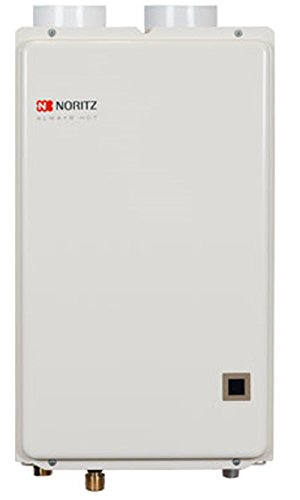
- BWP Score9.0
BWP Score is a ranking system developed by Bestwinterproducts.com. BWP score has no relationship or impact from any manufacturers or sales agent websites. Learn more
- BrandNoritz

- BWP Score9.4
BWP Score is a ranking system developed by Bestwinterproducts.com. BWP score has no relationship or impact from any manufacturers or sales agent websites. Learn more
- BrandNoritz

- BWP Score7.9
BWP Score is a ranking system developed by Bestwinterproducts.com. BWP score has no relationship or impact from any manufacturers or sales agent websites. Learn more
- BrandNoritz
Last update on 2026-10-12 / Affiliate links / Images, Product Titles, and Product Highlights from Amazon Product Advertising API
FAQs
How often does a Noritz water heater need to be flushed?
A Noritz heater should be flushed with white vinegar once every 12 months under normal water conditions. In areas with hard mineral water, flushing every six months prevents scale from baking onto the internal copper pipes. Skipping this routine cleaning can cause the burner to overheat and void your warranty.
Can a Noritz tankless water heater supply two showers at once in winter?
Yes, as long as you choose a model with a high enough flow rating for your climate. In northern areas where incoming winter tap water is near freezing, you need a high-output burner to supply two simultaneous showers without losing pressure or warmth. If the unit is undersized for cold weather, turning on a second shower will cause the water to turn lukewarm.
Why does my Noritz water heater suddenly go cold during a shower?
A sudden blast of cold water usually happens when flow drops below the heater minimum activation threshold. If you have an ultra-low-flow showerhead or turn the hot tap down too low, the internal sensor stops detecting water movement and shuts off the burner. It can also occur if mineral scale causes the copper heating block to overheat, tripping the safety sensor.
Do Noritz tankless water heaters require electricity to run?
Yes, Noritz natural gas tankless heaters require a standard 120-volt electrical outlet to operate. Electricity powers the internal computer board, digital control panel, exhaust fan, and electronic ignition spark. If your home loses power during an outage, the water heater will not produce hot water unless connected to a backup generator or battery.


Best Warm Winter Scarves 2026 For Cozy Comfort

Best Green Ski Goggles 2026 For Clear Vision On Slopes

12 Best Corner Electric Fireplace 2026: My Ultimate Guide To Pick One

Best Battery Powered Snow Blower 2026 For Effortless Snow Clearing

Best Ski Goggles Under 30 Inches For Crisp Vision And Comfort

Best Cooling Scarf 2026 For Instant Relief And Comfort

Fake Snow for Grass: Create a Realistic Winter Lawn Display

Dimplex Prism Wall Mount Fireplace: Sleek Heat With Modern Flame Style





