
Is a 1500W Fireplace Heater With 3D Flame Worth It in 2026?

Most people assume a realistic electric fireplace produces far more heat than a simple utility heater. That assumption is mistaken, but the unit is worth it for supplemental room heat if you want cozy fire ambiance without the mess of real logs. Because any standard 1500-watt electric heater generates the exact same amount of raw warmth, you are paying for visual realism, quiet operation, and furniture styling rather than extra power.
The real value depends on your space and expectations. It warms a closed bedroom or family room comfortably, but open layouts, tall ceilings, and drafty hallways will leave you cold. You also need an electrical circuit that does not share heavy loads with other large appliances, since the heater draws significant power. Here is how the heat, electric bills, and visual effects actually hold up in a typical home.
A 1500W Heater Only Warms Single Rooms Comfortably
Every standard plug-in electric space heater in the United States runs on a standard 120-volt household circuit and caps out at 1,500 watts. That 1,500-watt ceiling produces about 5,000 British Thermal Units (BTU) of heat. A decorative fireplace heater produces the exact same amount of thermal energy as a plain plastic box heater that costs a fraction of the price. The fireplace mantle and flickering flame do not amplify the heat.
In heating terms, 1,500 watts is designed for supplemental zone heating, which means warming just the room you are currently using instead of turning up the central furnace for the whole house. Under normal conditions, heating technicians recommend roughly 10 watts of heating power per square foot of living space. That means a 1,500-watt heater can serve as the sole heat source for a closed room of about 150 square feet with standard eight-foot ceilings and average insulation.
When used as supplemental heat alongside an existing furnace or heat pump, a 1,500-watt unit comfortably takes the chill out of spaces between 300 and 400 square feet. If you place one in a large, open-concept living area with vaulted ceilings, open stairwells, or drafty exterior doors, you will feel warmth when sitting within a few feet of the unit, but the overall room temperature will barely budge. If you are struggling with drafty spaces like sunrooms, a dedicated heater for an enclosed porch handles those thermal leaks far better than a decorative living room unit.
How that warmth feels also depends on the internal heating element. Most 1,500-watt fireplace heaters use one of two heating methods:
- PTC ceramic heating: These use a ceramic heating element that warms up in seconds, paired with an internal fan that pushes warm air across the room. They heat the surrounding air quickly and work well in small, enclosed bedrooms.
- Infrared quartz heating: These use quartz tubes that produce gentle heat that warms people and furniture directly like sunlight, without blowing dry air or stripping humidity from the room. These often claim coverage for larger areas up to 1,000 square feet when supporting your main heating system, because they warm your body directly rather than trying to heat thousands of cubic feet of cold air.
3D LED Flames Create Real Ambiance Without Mess
The primary reason anyone buys an electric fireplace heater instead of a basic utility heater is the visual effect. Older electric fireplaces used flat 2D screens with rotating cutouts that created repetitive, fake-looking light patches on a plastic log. Modern 3D LED flame effects use layered projections, multidirectional mirrors, and glowing resin ember beds to give the illusion of depth, rising smoke, and shifting embers.
In person, a good 3D flame effect creates a remarkably convincing illusion when viewed from your sofa, recliner, or bed. Models with side viewing windows and opening glass doors enhance the feeling of sitting next to a traditional cast-iron wood stove. Some models even feature brick-patterned interior walls and built-in crackling fire sound effects that run through a small speaker to mimic popping wood.
You must keep your expectations grounded. While the flame looks warm and inviting from across the room, it will never fool anyone who walks up and inspects it closely. It does not produce real burning coals, real dancing flames, or natural wood smoke. But for most homeowners and renters, the lack of real fire is precisely the point. You get the relaxing visual glow of a hearth without hauling firewood, sweeping ash, smelling smoke, or cleaning soot off your walls.
One major advantage of these units is independent flame control. The LED lighting system runs on just a few watts of electricity and operates independently from the 1,500-watt heating element. You can switch on the glowing logs and flickering flames on a warm summer evening to enjoy the cozy mood without producing a single puff of heat. When winter arrives, you simply switch the heat mode on to pair the visual comfort with physical warmth.
Check Your Wall Outlets Before Plugging It In
Before buying any 1,500-watt electric fireplace heater, you need to verify your home electrical setup. Drawing 1,500 watts on a standard 120-volt line pulls about 12.5 amps of electrical current. Most residential living rooms and bedrooms are wired with 15-amp circuit breakers. That leaves very little headroom on that specific circuit.
Here is an essential safety and electrical checklist to review before setting up your heater:
- Plug directly into a dedicated wall outlet: Never plug an electric fireplace into a power strip, surge protector, or standard extension cord. Drawing 12.5 amps continuously through a light-duty cord can cause the plastic to melt, sparking an electrical fire inside your wall or on your carpet.
- Map your circuit breaker: A standard 15-amp breaker cannot support two heavy power draws simultaneously. If you plug a 1,500-watt fireplace heater into an outlet on the same circuit as a microwave, vacuum cleaner, hair dryer, or computer setup, the breaker will trip immediately.
- Inspect the outlet faceplate: After running your heater on high for thirty minutes, place your hand over the wall plug and the plastic outlet plate. The plug may feel slightly warm, but if it feels hot to the touch or smells like warm plastic, turn the unit off, unplug it, and have a licensed electrician replace the outlet.
- Verify US safety certification marks: Look for recognized testing marks on the product label or packaging, such as ETL, UL, or CSA. These certifications prove that the electrical wiring, tip-over safety switch, and automatic overheat sensor meet strict safety standards.
Operating costs depend on your local electric utility rates. A 1,500-watt heater uses 1.5 kilowatt-hours (kWh) of electricity for every hour it runs on high. If your power company charges 16 cents per kWh, running the heater on high costs roughly 24 cents per hour. That comes to about $1.92 for an eight-hour evening.
You can use this heater to lower your monthly energy bill through smart zone heating. If you lower your whole-house central thermostat from 70°F to 64°F at night and use the 1,500-watt fireplace to warm just the master bedroom or living room, you can save significant money on natural gas or heat pump costs. But if you keep your central furnace high and run multiple fireplace heaters in different rooms, your electric bill will spike sharply.
You Pay Extra for Furniture Styling Not Extra Heat
When comparing a 1,500-watt electric fireplace heater to a standard portable utility heater, you are evaluating visual presentation rather than heating capability. The heat produced by both machines is fundamentally identical. The table below outlines how your investment breaks down between these two styles of room heaters.
- Heating output: Both styles produce roughly 5,000 BTU on their high heat setting. Neither one heats a cold room faster than the other when wattage ratings are identical.
- Aesthetic impact: Standard space heaters look like utilitarian plastic boxes or metal radiators meant to be hidden in a corner. Fireplace heaters serve as decorative furniture pieces, featuring vintage stove styling, bronze or walnut finishes, glowing logs, and glass doors that complement your room decor.
- Blower noise: Basic utility heaters often use small, high-speed fans that generate a noticeable buzz or hum. Fireplace stoves generally use larger, quieter blower fans that deliver gentle air circulation without interrupting television conversations or light sleep.
- Cabinet safety: Many basic space heaters feature exposed metal grilles that get hot enough to singe skin. Fireplace heaters are designed with cooler exterior cabinet walls made of wood or heat-resistant composite, making them safer around passing pets. However, the lower discharge vent grille still gets hot, so you must always maintain a three-foot safety buffer between the heater and any drapes, bedding, or furniture.
- Year-round utility: A standard utility heater gets packed away in a closet the moment spring arrives. A fireplace heater stays out all year as an attractive piece of room furniture, and you can run the flame effect on warm nights without turning on the heat.
If your sole goal is warming a chilly laundry room or drafty workspace on the smallest possible budget, a decorative fireplace makes little sense. For uninsulated work areas where appearance does not matter, a sturdy electric heater for a garage with a thermostat offers the rugged casing you need without the price premium of glowing logs. But if you want a cozy focal point for a living room or bedroom, the furniture-grade cabinet and calming fire effect make the extra cost well worth it.
Buy for Cozy Room Comfort Skip for Whole Homes
A 1,500-watt fireplace heater with a 3D LED flame is an excellent purchase for certain living situations, but an expensive disappointment for others. Review this checklist to determine which category matches your home before spending your money.
This heater is worth buying if:
- You want supplemental zone warmth for a living room, bedroom, or home office up to 400 square feet while turning down the central thermostat.
- You live in an apartment, condo, or rental where installing a real wood stove, gas line, or chimney is impossible.
- You want the relaxing visual atmosphere of a glowing fire year-round without the soot, smoke, drafts, and maintenance of real firewood.
- You live in a closed-layout home where individual rooms get chilly, such as needing an effective heater for a mobile home living room that needs targeted evening warmth.
- You want an attractive, freestanding piece of home decor that hides the heating element behind a classic stove design.
You should skip this heater if:
- You expect a single plug-in appliance to heat an entire cold house, open-concept floor plan, or uninsulated basement.
- You are on a tight budget and care only about cheap, functional heat rather than room aesthetics.
- Your home has older electrical wiring where running a 12.5-amp continuous load trips breakers or causes light flickering on shared circuits.
- You have high-vaulted ceilings with severe drafts, where fan-forced electric heat simply rises straight up and dissipates.
Choosing the Right Fireplace Heater for Your Space
If you decide an electric fireplace heater fits your heating goals, you need to select the right form factor and control setup for your room layout. Look closely at the physical dimensions and heat technology to ensure it delivers comfortable warmth where you sit.
Start by choosing the style that fits your available floor space:
- Compact tabletop heaters: These lightweight units feature miniature wood-style cabinets and small viewing windows. They sit easily on a sturdy desk, coffee table, or nightstand, providing personal warmth from two or three feet away in a home office or small nursery.
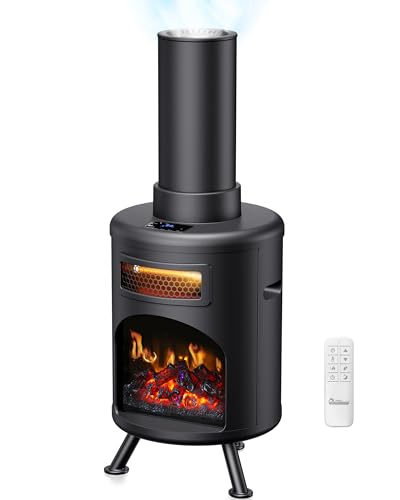
- Freestanding stove units: These mimic classic cast-iron parlor stoves, standing between 20 and 24 inches tall with arched legs, side viewing windows, and opening glass doors. They work best placed along an open wall or in the corner of a master bedroom or medium living room.
- Recessed fireplace inserts: These rectangular metal fireboxes are designed to slide directly into existing masonry hearth openings or built-in entertainment centers. They convert non-working, drafty wood fireplaces into clean, efficient zone heaters.
Next, check the control features listed on the product specifications. Look for a unit that offers at least two distinct heat settings (typically 750W Low and 1500W High) alongside an adjustable thermostat dial or digital readout. Having a low heat setting is critical because running the heater at 750 watts draws only about 6.25 amps. That allows you to keep the unit running on shared circuits without fear of tripping the electrical breaker.
Finally, confirm that the model includes essential safety components. Verify that it features an internal tip-over safety switch that cuts power instantly if the unit is knocked over or tilted by pets or children. It should also include an automatic overheat sensor that shuts the unit off if internal parts get dangerously hot due to blocked air vents. Models with handheld remote controls, programmable shutoff timers, and adjustable flame brightness levels will give you the most flexibility and daily comfort in 2026.

- BWP Score9.7
BWP Score is a ranking system developed by Bestwinterproducts.com. BWP score has no relationship or impact from any manufacturers or sales agent websites. Learn more
- BrandDuraflame

- BWP Score9.6
BWP Score is a ranking system developed by Bestwinterproducts.com. BWP score has no relationship or impact from any manufacturers or sales agent websites. Learn more
- BrandRiseon

- BWP Score9.6
BWP Score is a ranking system developed by Bestwinterproducts.com. BWP score has no relationship or impact from any manufacturers or sales agent websites. Learn more
- BrandLegend Flame

- BWP Score9.1
BWP Score is a ranking system developed by Bestwinterproducts.com. BWP score has no relationship or impact from any manufacturers or sales agent websites. Learn more
- BrandTechni Home

- BWP Score8.6
BWP Score is a ranking system developed by Bestwinterproducts.com. BWP score has no relationship or impact from any manufacturers or sales agent websites. Learn more
- BrandLifePlus
- BWP Score8.4
BWP Score is a ranking system developed by Bestwinterproducts.com. BWP score has no relationship or impact from any manufacturers or sales agent websites. Learn more
- BrandDR. INFRARED HEATER

- BWP Score7.9
BWP Score is a ranking system developed by Bestwinterproducts.com. BWP score has no relationship or impact from any manufacturers or sales agent websites. Learn more
- BrandDuraflame

- BWP Score7.3
BWP Score is a ranking system developed by Bestwinterproducts.com. BWP score has no relationship or impact from any manufacturers or sales agent websites. Learn more
- BrandInnoflame
Last update on 2026-10-12 / Affiliate links / Images, Product Titles, and Product Highlights from Amazon Product Advertising API


Best Warm Winter Scarves 2026 For Cozy Comfort

Best Green Ski Goggles 2026 For Clear Vision On Slopes

12 Best Corner Electric Fireplace 2026: My Ultimate Guide To Pick One

Best Battery Powered Snow Blower 2026 For Effortless Snow Clearing

Best Ski Goggles Under 30 Inches For Crisp Vision And Comfort

Best Cooling Scarf 2026 For Instant Relief And Comfort

Fake Snow for Grass: Create a Realistic Winter Lawn Display

Dimplex Prism Wall Mount Fireplace: Sleek Heat With Modern Flame Style





