
Is a 1500W Oscillating Tower Space Heater Worth It?

A chilly draft sweeps across the floorboards while someone sits huddled at a desk with freezing fingers. For a standard bedroom or closed home office, a tall sweeping space heater is well worth the money because it spreads comfortable warmth right at seating height instead of blasting heat only at your shins.
That value changes depending on where and how the unit runs. A 1500W heater warms a closed room up to three hundred square feet easily, but it fails in large, open-concept living spaces or uninsulated basements. Leaving it on all day drives up power bills, and plugging it into an outlet shared with other appliances can trip your circuit breaker, the safety switch that cuts power when a line overloads. Here is what to consider before bringing one home.
Position your tower heater to warm you at sitting level
Traditional compact box heaters sit flat on the carpet and blast hot air directly across your socks. Because hot air naturally rises toward the ceiling, that heat quickly floats upward before it ever reaches your lap or shoulders. You end up with sweaty toes while your chest and hands remain completely chilled. A tower design fixes this problem by spreading heat through a tall vertical grille that stands between 20 and 42 inches high.
This upright height places the airflow at the exact level of your body when you sit in an office chair or relax on a couch. The warmth hits your torso, lap, and arms directly instead of rising from the baseboards. When you place a tower heater across the room from your bed, the airflow clears the side rail of your mattress frame. Low-profile heaters simply push hot air against the wood of your bed frame, trapping warmth underneath the bed where you cannot feel it.
Turn on the side-to-side sweeping motion (oscillation) to prevent hot spots in your room. A stationary heater bakes whatever object sits directly in its beam, drying out your skin and making one side of your body uncomfortably hot. Oscillation sweeps the warmth back and forth across a wide arc, constantly stirring the air in the room. This steady movement blends the warm output with cooler ambient air, breaking up cold drafts that pool near the floor.
Inside the housing, a ceramic heating element that warms up in seconds (PTC ceramic) produces heat instantly. Small ceramic stones heat up as electricity flows through them, self-regulating their output so they do not overheat. An internal blower pushes air smoothly past these heated stones and out through the front louvers. This combination delivers instant warmth the moment you click the power button, without the long wait required by liquid-filled radiators.
Match your room size to the limits of a 1500-watt element
Every standard portable electric space heater sold in the United States produces the exact same maximum heat output: 1,500 watts. This ceiling exists because standard household wall outlets supply 120 volts on a 15-amp electrical circuit. A 1500-watt heater draws about 12.5 amps of power, pushing close to the safe continuous limit for a residential outlet. That means no brand or design can produce more raw heat than 1,500 watts from a normal plug, regardless of what the box claims.
Under typical residential conditions, heating a living space requires roughly 10 watts of power per square foot. A 1500-watt oscillating tower heater works as a primary heat source in a closed room measuring up to 150 square feet. In a larger space between 200 and 300 square feet, it acts as supplemental warmth to take the edge off cold mornings. If you attempt to warm a space larger than 300 square feet with a single plug-in unit, the air cools down faster than the heater can replenish it.
Use this simple checklist to confirm whether your room matches the capabilities of an oscillating tower heater:
- Room layout: Works best in closed rooms like bedrooms, nurseries, and home offices where interior doors remain shut to hold warm air inside.
- Ceiling height: Designed for standard eight-foot or nine-foot flat ceilings. Rooms with two-story cathedral ceilings allow the rising heat to escape far above your head.
- Insulation quality: Performs well against double-pane windows and insulated walls. Single-pane glass and drafty window frames pull heat out of the room faster than the fan pushes it in.
- Draft management: Fails quickly in large, open-concept living rooms or kitchens where air circulates freely into adjoining hallways. For challenging spaces like an unheated sunroom, check our guide on warming an enclosed porch or drafty room.
- Floor material: Excellent on hardwood, tile, or carpet with an area rug. For uninsulated concrete slabs, consider finding a steady electric heater for a garage built for harsh environments.
Dial back your central furnace to unlock true utility savings
Running a space heater does not automatically lower your electric bill. A 1500-watt heater running on its highest setting uses 1.5 kilowatt-hours of electricity for every hour it operates. If you leave your central furnace running at its normal temperature and turn on a space heater in your bedroom, you are simply adding extra power consumption on top of your existing heating bill. Your monthly utility costs will increase rather than decrease.
True utility savings come from a practice called zone heating. Zone heating means warming only the specific room you occupy while allowing the rest of your house to cool down. During the workday, lower your central home thermostat to 62°F or 65°F. Close your home office door and let your oscillating tower heater keep your immediate workspace at a comfortable 70°F. You heat a single 150-square-foot room instead of spending money to warm empty hallways, spare bedrooms, and unoccupied dining areas.
Rely on the digital temperature dial that clicks on and off to hold your set warmth (digital thermostat). Setting a specific target temperature allows the unit to shut its heating element down once the room is warm, running only the quiet fan or turning off completely until the temperature drops. This on-and-off cycling keeps the unit from drawing maximum wattage continuously throughout the day.
Switch to the lower heat setting once your room reaches a cozy level. Most tower heaters provide a low setting of 750 or 900 watts alongside the high 1500-watt mode. The low setting cuts electrical power consumption nearly in half while maintaining steady comfort. Use the high 1500-watt setting for the first twenty minutes to knock the morning chill out of the air, then drop the unit to low to keep your space warm without straining your meter.
Plug straight into a dedicated wall outlet and maintain clearance
Because a 1500-watt tower draws 12.5 amps of electricity, it leaves very little room on a standard 15-amp household circuit. Most bedroom and living room circuits power several outlets and ceiling lights on a single electrical line. If you run your heater on the same circuit as a television, desktop computer, gaming console, or printer, you risk overloading the circuit. When an overload occurs, the breaker (the safety switch in your electrical box that shuts off power during an overload) will trip to prevent the wiring inside your walls from overheating.
Never plug a space heater into an extension cord, power strip, surge protector, or multi-plug wall adapter. These accessory cords are rarely rated to handle continuous high-amperage electrical loads for hours at a time. The internal wires can heat up, melt their outer plastic shielding, and create an immediate fire hazard. Always plug the heavy-duty cord of your tower heater directly into a permanent wall receptacle.
Follow these essential placement and safety checks before leaving the unit running in your home:
- The three-foot safety buffer: Keep all blankets, pillows, drapes, papers, clothing, and upholstered furniture at least 36 inches away from the front, sides, and back of the heater.
- Firm, level floor placement: Set the tower on a hard, flat floor surface. Shag carpet or deep rugs can tilt the tall unit and block the cool-air intake vents located along the bottom base.
- Automatic overheat sensor: Verify the unit includes an automatic overheat sensor that shuts the unit off if internal parts get dangerously hot from blocked grilles.
- Tip-over safety switch: Confirm the heater features a tip-over safety switch that cuts power instantly if the unit is knocked over or tilted by pets, children, or accidental bumps.
- Wall outlet temperature check: After the heater runs for 30 minutes, touch the plastic wall plate and the plug head with your bare hand. If the outlet feels hot to the touch, smells like warm plastic, or looks scorched, turn the heater off, unplug it, and consult a licensed electrician.
Select the right features and safety certifications for your space
If you decide an oscillating tower heater matches your heating routine, focus on a few decisive hardware details rather than generic marketing promises. The ideal model combines a stable base with quiet airflow and precise controls. Tall towers can sometimes wobble if they feature flimsy plastic bases, so verify that the bottom footprint provides a wide, weighted platform that stays planted when brushed against.
Look for an oscillating mechanism that sweeps smoothly across at least 60 to 70 degrees. A wider oscillation arc circulates heat across the entire width of a bedroom rather than pushing air down a narrow tunnel. Check that the unit operates under low sound levels if you intend to sleep near it. Tower units that use smooth internal blower wheels generate a gentle white noise that blends into the background, whereas budget models with rattling fan blades can disrupt light sleepers.
Prioritize digital controls with an auto-off timer that you can set for one to twelve hours. A programmable timer lets you fall asleep in a warm room while ensuring the heater shuts off automatically after two or three hours, saving electricity while you sleep under warm blankets. A remote control is equally helpful, allowing you to adjust the temperature or oscillation from your bed or desk without standing up.
Finally, inspect the product label or product description for an ETL or UL mark. These marks confirm that an independent laboratory certified the unit against rigorous North American electrical safety standards. Pair that listing with a cool-touch exterior housing so curious hands and pet noses stay safe if they brush against the outer cabinet.

- BWP Score9.7
BWP Score is a ranking system developed by Bestwinterproducts.com. BWP score has no relationship or impact from any manufacturers or sales agent websites. Learn more
- BrandHoneywell
- BWP Score8.7
BWP Score is a ranking system developed by Bestwinterproducts.com. BWP score has no relationship or impact from any manufacturers or sales agent websites. Learn more
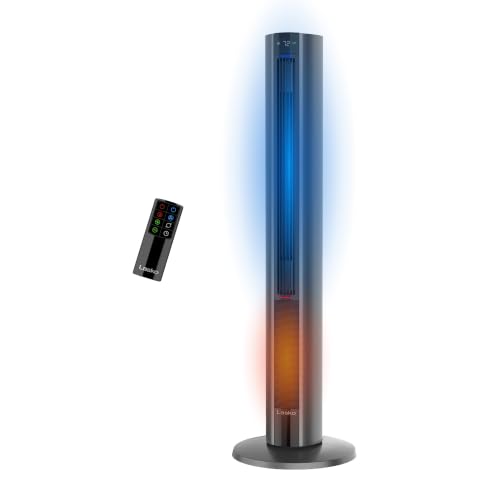
- BrandLasko

- BWP Score8.2
BWP Score is a ranking system developed by Bestwinterproducts.com. BWP score has no relationship or impact from any manufacturers or sales agent websites. Learn more
- BrandLasko

- BWP Score8.1
BWP Score is a ranking system developed by Bestwinterproducts.com. BWP score has no relationship or impact from any manufacturers or sales agent websites. Learn more
- BrandPELONIS
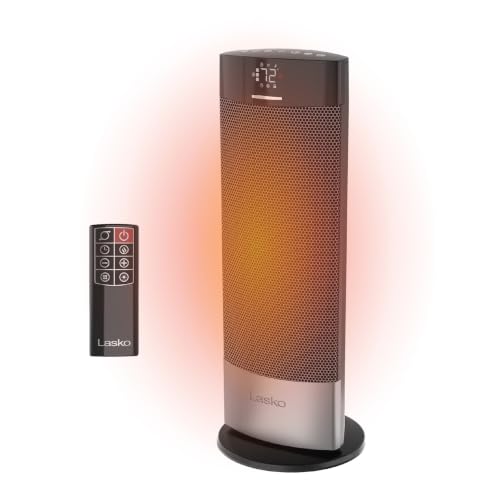
- BWP Score7.9
BWP Score is a ranking system developed by Bestwinterproducts.com. BWP score has no relationship or impact from any manufacturers or sales agent websites. Learn more
- BrandLasko
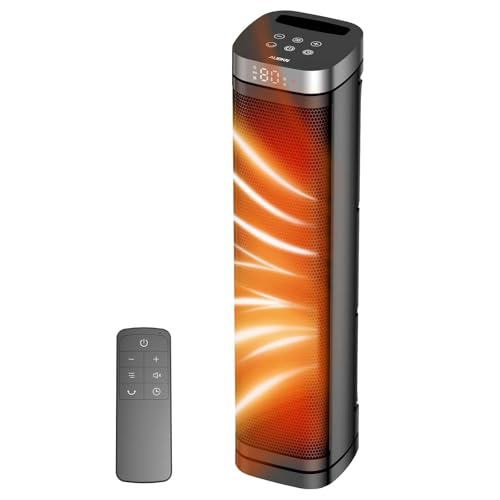
- BWP Score7.7
BWP Score is a ranking system developed by Bestwinterproducts.com. BWP score has no relationship or impact from any manufacturers or sales agent websites. Learn more
- BrandAUBKN
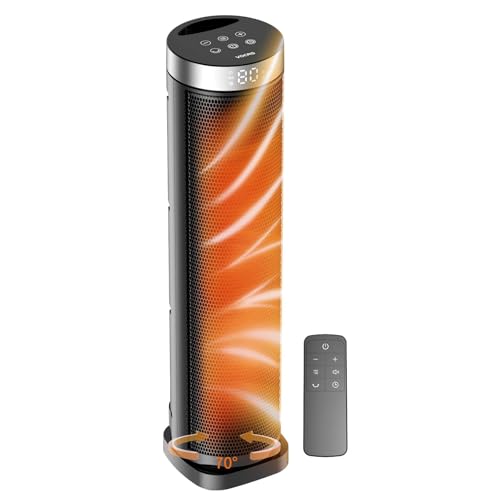
- BWP Score7.1
BWP Score is a ranking system developed by Bestwinterproducts.com. BWP score has no relationship or impact from any manufacturers or sales agent websites. Learn more
- BrandVOCRS
Last update on 2026-10-12 / Affiliate links / Images, Product Titles, and Product Highlights from Amazon Product Advertising API
FAQs
Will a 1500W oscillating tower heater trip my circuit breaker?
It can trip your breaker if other power-hungry electronics share the same electrical line. The heater draws 12.5 amps on high, leaving only 2.5 amps of capacity on a standard 15-amp bedroom circuit. Keep hair dryers, laser printers, and gaming computers off that same line while your heater runs.
Is it safe to leave a ceramic tower heater running overnight?
Yes, but only if you follow basic safety guidelines. Make sure the unit sits on a flat, hard surface with a three-foot clearance from bedding and curtains. Use a model with a built-in tip-over switch, overheat protection, and a timer to turn the unit off after you fall asleep.
Why does oscillation matter on a space heater?
Oscillation moves the heating element and fan from side to side across a wide arc. This sweeping motion blends hot air with the cool air in your room, breaking up drafts and preventing hot spots. A stationary heater bakes one narrow area while leaving the rest of the room cold.
Can an oscillating tower heater replace my central heating system?
No, a portable electric heater is designed only for supplemental warmth in a single closed room. It lacks the heating capacity to warm an entire house or an open-concept living area. Use it to warm the room you are currently using so you can turn down your main furnace thermostat.


Best Warm Winter Scarves 2026 For Cozy Comfort

Best Green Ski Goggles 2026 For Clear Vision On Slopes

12 Best Corner Electric Fireplace 2026: My Ultimate Guide To Pick One

Best Battery Powered Snow Blower 2026 For Effortless Snow Clearing

Best Ski Goggles Under 30 Inches For Crisp Vision And Comfort

Best Cooling Scarf 2026 For Instant Relief And Comfort

Fake Snow for Grass: Create a Realistic Winter Lawn Display

Dimplex Prism Wall Mount Fireplace: Sleek Heat With Modern Flame Style





