
Is an Oil-Filled Radiator Heater Worth It?

Check your daily heating routine before buying any new heater. An oil radiator is worth it for steady, silent warmth across long workdays or chilly nights in an enclosed room. The fluid sealed inside takes twenty minutes to build heat, but it acts like a warm brick, releasing gentle comfort long after drawing power from the wall.
The right choice depends on your space and expectations. Anyone wanting instant heat in a drafty garage will feel disappointed by the slow warmup. Yet in a closed bedroom or home office, kicking the heater on high before dropping down to a low wattage setting keeps the room cozy without spiking your electric bill. Here is how the heat works and how to tell if one fits your space.
Match the Heater to Your Daily Routine Before You Buy
An oil-filled radiator heater is worth the purchase if you spend long, uninterrupted hours in a closed room like a bedroom or home office. These heaters produce completely silent, consistent heat that warms an entire space without creating dry air or kicking up dust. If your daily routine involves sitting at a desk for a full workday or sleeping through a freezing night, the steady comfort of an oil unit makes it a great investment.
Skip an oil-filled radiator if you only want rapid heat for a quick ten-minute routine. If you need immediate warmth while brushing your teeth in a chilly bathroom, or if you want to quickly heat your legs when coming inside from the snow, a radiator will leave you shivering. It relies on gently heating internal fluid, which means it cannot blast hot air the second you flick the switch.
Room layout also decides whether this heater is worth your money. An oil radiator works best in an enclosed room between 100 and 150 square feet with standard ceilings and closed doors. If you try to run one in an open-concept living area, a cold basement, or an uninsulated porch with constant drafts, the rising heat simply escapes before the room ever feels comfortable. If you deal with persistent outdoor drafts in partially open rooms, looking into a heater for drafty spaces will give you far better results than a sealed oil radiator.
Give the Metal Fins Time to Warm Your Room Air Naturally
Understanding how an oil radiator produces heat will prevent you from thinking your new unit is broken during its first half hour of use. Inside the steel fins of the heater sits a reservoir of specially formulated diathermic oil. When you turn the heater on, an electric heating element at the base warms this oil. The fluid circulates through the hollow fins, transferring heat into the metal exterior.
This process relies on heat held inside the metal fins, which engineers refer to as thermal mass. The heater does not push air with an electric fan. Instead, it relies on warm air naturally rising to circle the room, a process known as convection. Cool air near the floor gets drawn toward the base of the hot fins, warms up, rises to the ceiling, cools slightly as it reaches the opposite walls, and drops back down to repeat the cycle.
Because the heater must warm the oil, the metal casing, and the surrounding air currents in sequence, expect to wait 20 to 30 minutes before you notice a significant rise in room temperature. Once the room reaches your desired warmth, however, this heating method delivers a distinct benefit. When the thermostat clicks off to save electricity, the oil and steel fins remain piping hot, continuing to release steady warmth into your room for another 30 to 45 minutes.
Drop Down to Lower Wattage Settings to Keep Your Power Bill in Check
You can prevent an oil radiator from running up your electric bill by managing its heat settings throughout the day. Wattage measures the amount of electricity drawn from the wall outlet. Most standard oil-filled radiators operate with three distinct power levels: a low setting around 600 watts, a medium setting near 900 watts, and a maximum setting of 1500 watts.
In standard American homes, running an electric heater on its 1500-watt high setting draws about 12.5 amps of electricity. Standard household circuits are rated for 15 amps. If you run your heater on high while plugging in a desktop computer, a laser printer, or a vacuum cleaner on the exact same circuit, you risk tripping the circuit breaker in your electrical panel. Running on high all day also keeps your electric meter spinning rapidly.
The smartest way to operate your radiator is to follow a two-step temperature routine:
- The Warm-Up Phase: Turn the heater to its maximum 1500-watt setting and dial the thermostat up when you first enter a cold room. Keep the door closed to trap the rising heat until the room feels comfortable, which usually takes 30 to 45 minutes.
- The Maintenance Phase: Once the chill is gone, drop the power level down to the 600-watt or 900-watt setting, or engage an automatic ECO mode if your model features one. The lower wattage draws less than half the electricity from your wall, but the heat held inside the metal fins will easily maintain a steady room temperature.
Using this simple shift from high power to low power allows you to heat an occupied bedroom or office for pennies an hour instead of paying to heat your entire house with a central furnace.
Follow Essential Safety Rules Before Leaving the Unit on Overnight
Oil-filled radiators are among the safest portable space heaters you can use in a bedroom because they do not have exposed, glowing red heating coils. However, because they remain hot for hours, you must follow clear safety practices to protect your home while you sleep.
Always maintain a strict three-foot safety buffer around the entire unit. Keep all bedding, curtains, upholstered chairs, throw blankets, and loose clothing at least 36 inches away from the heater fins. Never drape wet socks, damp towels, or clothing directly over the metal fins to dry, as trapping the heat against the metal can cause internal temperatures to spike to dangerous levels.
Always plug your radiator heater directly into a permanent wall outlet. Never plug a space heater into an extension cord, a power strip, or a surge protector. Power strips are rarely rated to handle a continuous 12.5-amp electrical draw, and their internal wires can easily melt, overheat, and start an electrical fire inside your wall or floor.
Before running the unit overnight, verify that these two core safety mechanisms are working properly:
- The tip-over switch: This safety latch cuts power instantly if the unit is knocked over or tilted off balance by a pet or child. Place the heater on a flat, level hard surface or low-pile rug so this switch stays depressed during normal use.
- The automatic overheat sensor: This internal safety switch automatically shuts the unit off if airflow is blocked or internal oil temperatures rise beyond safe limits.
Touch the wall outlet plug with your fingers after the heater has been running on high for an hour. The plug should feel slightly warm, which is normal. If the wall plate or cord feels hot to the touch, or if you smell hot plastic, turn the heater off, unplug it immediately, and have a licensed electrician check your outlet.
Switch to a Ceramic Fan Heater When You Need Immediate Spot Warmth
While an oil radiator excels at quiet, whole-room warmth, there are specific situations where a fast ceramic space heater makes far more sense. A ceramic heater uses a small ceramic heating element that warms up in seconds, paired with an internal fan that pushes warm air across the room. If you only sit at your desk for thirty minutes at a time, a ceramic heater sends heat directly to your feet and hands the moment you flip the power switch.
Ceramic heaters are also much lighter and smaller. A typical ceramic heater weighs between three and five pounds, making it easy to carry from room to room. An oil-filled radiator weighs anywhere from 13 to 26 pounds because of its heavy steel fins and liquid filling. Radiators include caster wheels to roll across smooth floors, but carrying them up and down stairs requires real physical effort.
However, ceramic fan heaters bring several trade-offs that make them frustrating for quiet spaces. The internal fan produces constant background noise that can disrupt light sleepers, phone calls, or video meetings. Ceramic heaters also blow concentrated, dry air that can irritate your eyes and sinuses over several hours. In uninsulated workshops or colder outbuildings, radiant and fan units built for harsh environments perform better; you can check out a dedicated garage heater with a thermostat for spaces with concrete floors and heavy drafts.
Check Essential Build Features Before Choosing an Oil Radiator
When you shop for a 1500-watt oil-filled radiator heater, focus on practical build features that match your room layout rather than marketing promises. The overall heating capacity of any standard 1500-watt electric heater is identical across brands because they all draw the exact same amount of electricity from your wall. The difference lies in how effectively the unit disperses that heat and how simple it is to operate daily.
Look for models that offer three distinct wattage settings (such as 600W, 900W, and 1500W) or an integrated ECO mode. Having selectable power levels is the single most important factor for controlling your winter electric bills. Without lower heat settings, the heater will repeatedly pull the full 1500 watts every time the thermostat calls for heat.
Check the surface design of the fins. Models with wider fins or specialized fin channels provide more metal surface area to transfer warmth into your room air. Make sure the unit has smooth-rolling caster wheels that snap securely into place, along with a sturdy carrying handle that stays cool to the touch.
Decide whether you prefer mechanical dials or digital controls. Mechanical dials with a physical temperature knob are simple, durable, and automatically turn back on to your previous setting if your home experiences a temporary power blip. Digital displays offer precise temperature readouts, remote controls, and 24-hour auto-off timers, which are ideal if you want the heater to shut down on its own after you fall asleep. Finally, look on the product box or the electrical label on the back of the heater to confirm it carries an official safety mark from a recognized testing laboratory like UL, ETL, or CSA.

- BWP Score9.4
BWP Score is a ranking system developed by Bestwinterproducts.com. BWP score has no relationship or impact from any manufacturers or sales agent websites. Learn more
- BrandDREO

- BWP Score9.3
BWP Score is a ranking system developed by Bestwinterproducts.com. BWP score has no relationship or impact from any manufacturers or sales agent websites. Learn more
- Brandhykolity
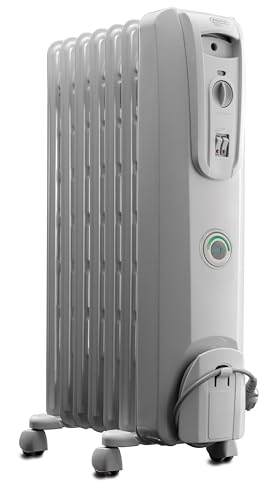
- BWP Score8.9
BWP Score is a ranking system developed by Bestwinterproducts.com. BWP score has no relationship or impact from any manufacturers or sales agent websites. Learn more
- BrandDe'Longhi
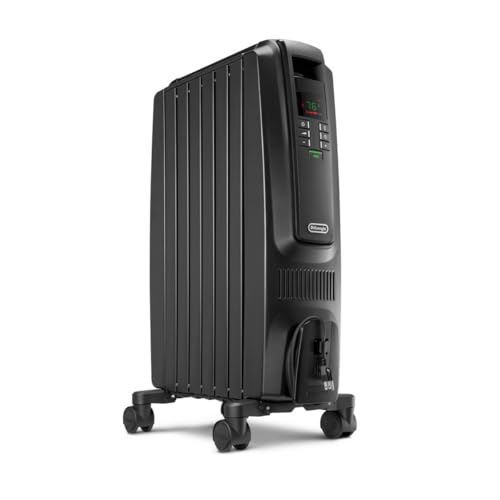
- BWP Score8.8
BWP Score is a ranking system developed by Bestwinterproducts.com. BWP score has no relationship or impact from any manufacturers or sales agent websites. Learn more
- BrandDe'Longhi

- BWP Score8.0
BWP Score is a ranking system developed by Bestwinterproducts.com. BWP score has no relationship or impact from any manufacturers or sales agent websites. Learn more
- BrandDUMOS

- BWP Score8.0
BWP Score is a ranking system developed by Bestwinterproducts.com. BWP score has no relationship or impact from any manufacturers or sales agent websites. Learn more
- BrandPELONIS

- BWP Score7.4
BWP Score is a ranking system developed by Bestwinterproducts.com. BWP score has no relationship or impact from any manufacturers or sales agent websites. Learn more
- BrandG-Ocean
Last update on 2026-10-12 / Affiliate links / Images, Product Titles, and Product Highlights from Amazon Product Advertising API
FAQs
Does an oil-filled radiator ever run out of oil or need refilling?
No, an oil-filled radiator never needs to be refilled or topped off. The diathermic oil inside the steel fins is permanently sealed at the factory and serves solely as a heat reservoir rather than a fuel source. The oil does not burn or break down during use. If you ever spot liquid leaking from your radiator, turn it off immediately, unplug it from the wall, and dispose of the unit, as it cannot be safely resealed at home.
Can an oil-filled radiator warm a room with high ceilings or open doors?
An oil radiator struggles significantly in rooms with open floor plans, wide archways, or high vaulted ceilings. Because the heater warms the room through natural convection, the hot air rises directly to the highest point of your ceiling while cold drafts flow in through open doorways. To get comfortable, long-lasting warmth from an oil radiator, keep the room doors closed and use it in spaces with standard eight-foot or nine-foot ceilings.
Why does an oil radiator make clicking or popping noises when first turned on?
Soft clicking, popping, or pinging noises during the first ten to fifteen minutes of operation are completely normal. These sounds occur as the steel fins expand when the internal oil reaches high temperatures, or as the internal thermostat clicks on and off to regulate the electrical flow. These quiet expansion noises should fade once the entire metal body reaches a steady operating temperature.
Is the surface of an oil-filled radiator safe to touch around pets and children?
The metal fins of an oil-filled radiator get quite hot to the touch during peak operation and can cause discomfort or minor burns if skin remains pressed against them. However, they are far safer than heaters with open wire elements because they do not have red-hot glowing metal that can instantly ignite clothing or fur. If you have active toddlers or curious pets, look for models with protective outer shell covers or place the radiator out of high-traffic play areas.


Best Warm Winter Scarves 2026 For Cozy Comfort

Best Green Ski Goggles 2026 For Clear Vision On Slopes

12 Best Corner Electric Fireplace 2026: My Ultimate Guide To Pick One

Best Battery Powered Snow Blower 2026 For Effortless Snow Clearing

Best Ski Goggles Under 30 Inches For Crisp Vision And Comfort

Best Cooling Scarf 2026 For Instant Relief And Comfort

Fake Snow for Grass: Create a Realistic Winter Lawn Display

Dimplex Prism Wall Mount Fireplace: Sleek Heat With Modern Flame Style





