
Is the De'Longhi TRD40615T Radiator Worth the Money?

Choosing a reliable space heater does not need to feel like a gamble. This enclosed radiator stands out as one of the best choices for silent, steady warmth in a bedroom or home office. Its hidden metal vents funnel warm air naturally into the room without any buzzing fan or harsh dry air.
That calm, even heat comes with a few clear trade-offs. Oil-filled units take fifteen to twenty minutes to get glowing hot, so they work poorly when someone needs instant blast heat after walking in from the cold. Their heavy steel bodies are also awkward to carry up stairs and lose warmth quickly in large, drafty spaces. A quick look at your room layout and daily habits makes the decision simple.
What makes the TRD40615T different from other radiators?
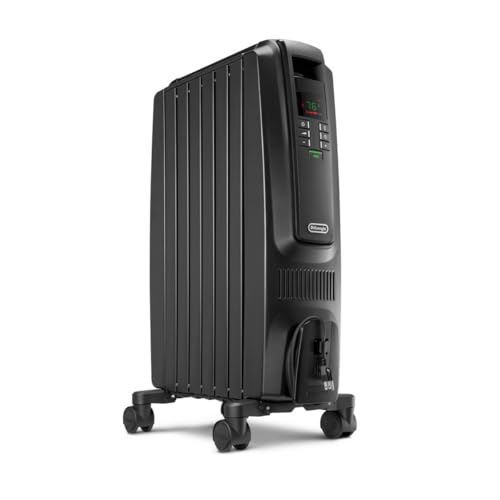
The De'Longhi TRD40615T stands apart from typical space heaters because of how its outer shell is built. Most budget oil heaters have exposed, thin metal fins that look like old cast-iron radiators from a century ago. Those open fins hold oil and radiate warmth into the room, but they leave open gaps where rising heat disperses in random directions. The TRD40615T uses a solid outer metal casing with enclosed thermal chimney slots. These chimney slots are enclosed metal vents built directly into the housing that funnel rising heat upward into the room.
Inside that black metal housing, diathermic oil (a heat-storing fluid permanently sealed inside the unit) warms up and circulates through internal steel chambers. The manufacturer lists this design as providing 75 percent more radiant surface area than their RadiaS models. Because more heated metal surface touches the surrounding air, more warmth transfers outward into your living space at a steady pace.
You also get a digital control panel with an LED display on the front face. This interface lets you select power levels, adjust your set temperature, and program a 24-hour timer. At 26.6 pounds with dimensions measuring 10.3 inches deep, 16.4 inches wide, and 26.1 inches high, this is a substantial appliance. It includes smooth-rolling wheels for moving across level floors, but carrying it up and down stairs requires real physical effort.
Does the chimney design actually heat rooms faster?
The main drawback of any oil-filled radiator is startup speed. If you walk into a cold room and expect instant hot air hitting your face, an oil radiator will disappoint you. The internal fluid takes 15 to 25 minutes to get hot enough to warm the metal shell. Once the metal warms up, however, the chimney design performs differently from basic open-fin heaters.
It relies on natural convection, which is the natural circulation of warm air rising while cooler air sinks. Cool air near the floor enters the bottom of the heater housing. As that air moves past the hot internal fins, the enclosed side panels funnel it straight up through the top slots. This functions just like a chimney flue on a wood stove, moving air through the room without any motorized fan.
Because warm air channels upward rather than bleeding off the sides, it mixes into the room faster and eliminates cold pockets near corners. For a closed room up to 150 square feet, the 1500-watt output provides steady, consistent warmth. In drafty or uninsulated spaces, however, oil heaters struggle to keep up. If you need to warm a breezy patio or sunroom, heating a drafty enclosed porch requires different heating styles, because radiant oil units rely on closed walls to trap ambient heat.
Can you safely run this heater all night?
Bedrooms are where the TRD40615T excels, especially for light sleepers who wake up at the slightest noise. Fan heaters rattle, buzz, and blow dry drafts across your bed all night long. The TRD40615T is virtually silent. With no spinning fan blades or blower motor, it makes zero operating noise. The only sound is a faint click when the internal thermostat cycles on or off to hold your set warmth.
It also protects bedroom air quality. Fan-forced ceramic heaters blow air directly across glowing coils, scorching airborne dust and stripping humidity from the room. That process often leaves you waking up with dry eyes, a parched mouth, or a scratchy throat. Because the TRD40615T warms through gentle convection, it never scorches household dust or dries out your sinuses.
To run this heater safely overnight while you sleep, follow this safety checklist:
- Maintain a 3-foot safety buffer: Keep the unit at least 3 feet (36 inches) away from bedding, pillows, blankets, curtains, and upholstered furniture. Never drape clothes, towels, or socks over the top vents to dry.
- Set it on a firm, level floor: Place the heater flat so its tip-over safety switch works properly. This switch cuts electrical power instantly if the unit is tilted or knocked over by a pet.
- Rely on the automatic overheat sensor: This internal sensor shuts the heater off if airflow gets blocked and internal components become dangerously hot. Keep the top exhaust vents clear of all obstructions.
- Use the 24-hour programmable timer: Set the digital timer to turn the heater off after sunrise or start pre-warming your bedroom 30 minutes before your morning alarm rings.
Will this heater trip your bedroom breaker?
Electrical capacity is a major factor to manage when using any portable space heater. On its highest setting, the De'Longhi TRD40615T draws 1500 watts of electrical power. On standard 120-volt household power in North America, that pulls roughly 12.5 amps of continuous current through your wall wiring.
Most bedroom circuits in American homes connect to a 15-amp circuit breaker in the main panel. That leaves only 2.5 amps of breathing room on that circuit. A branch circuit often powers all the wall outlets and overhead lights in a bedroom, and sometimes an adjoining room as well.
To prevent tripped breakers and electrical hazards, follow these wiring guidelines:
- Plug directly into a dedicated wall outlet: Never use an extension cord, power strip, surge protector, or multi-outlet adapter. The continuous 12.5-amp current can melt lightweight cords and spark an electrical fire.
- Isolate heavy appliances: Avoid running a hair dryer, clothes iron, or vacuum cleaner on the same circuit while the radiator runs on high. You can also switch the heater to a lower power level to reduce the amp draw.
- Inspect the wall plug: After twenty minutes of use, touch the plug. Warm plastic is normal, but if the plug or wall outlet plate feels hot to the touch, shut the unit off and unplug it immediately. Consult a licensed electrician to inspect the outlet wiring.
- Match the heater to the environment: This unit is built for indoor living spaces. If you need heat for a workshop, an electric heater for a garage with a thermostat is designed to handle uninsulated concrete and heavy workshop power needs.
Should you buy a radiator or a ceramic heater?
Choosing between the TRD40615T and a ceramic fan heater comes down to your daily schedule. Both draw up to 1500 watts, but they release that heating energy in completely different ways.
A ceramic heater uses a small ceramic heating element that warms up in seconds, paired with a fan that pushes hot air across the room. These compact units provide immediate warmth if you come inside shivering or sit at a desk for quick 30-minute tasks. But once you turn a ceramic heater off, the room cools down quickly, and the fan creates constant background noise.
The TRD40615T relies on thermal mass. It takes longer to warm up, but the sealed diathermic oil stores substantial thermal energy. When the digital thermostat reaches your target temperature and turns off the heating element, the metal body keeps radiating heat into the room for 30 to 45 minutes without drawing electricity. This produces even ambient warmth without sharp temperature swings. It is the better option for bedrooms, home offices, and living rooms where you spend extended hours.
What should you check before picking a room heater?
When you want quiet, consistent room warmth without drafty fans, a sealed oil-filled radiator is an effective heating solution. Because these units warm air through natural convection, they deliver steady comfort that lingers long after the heating elements click off.
Before choosing a room heater, review these key points:
- Check your room size: Radiators perform best in closed spaces where heat can pool naturally. Plan on roughly 10 watts of heating power per square foot of floor space in a standard room.
- Check your wall outlet: Locate a grounded outlet close to your desired heater spot so the cord reaches without stretching, and ensure no other heavy appliances share that circuit.
- Check timer and thermostat controls: Look for clear digital displays and programmable timers so you can match heat cycles to your daily schedule and reduce power waste.
- Check weight and wheels: Oil radiators are heavy. Make sure the unit has smooth caster wheels and an integrated handle if you plan to move it across the floor.
- Check safety certifications: Verify recognized safety marks like UL, ETL, or CSA on the label, along with tip-over shutoff switches and overheat protection.
- BWP Score8.8
BWP Score is a ranking system developed by Bestwinterproducts.com. BWP score has no relationship or impact from any manufacturers or sales agent websites. Learn more
- BrandDe'Longhi
Last update on 2026-10-13 / Affiliate links / Images, Product Titles, and Product Highlights from Amazon Product Advertising API
FAQs
How long does this oil radiator take to warm up a cold room?
An oil-filled radiator takes 15 to 25 minutes for the internal fluid to reach full operating temperature. Once the metal housing gets hot, natural convection circulates warm air throughout the room. In a closed bedroom or office up to 150 square feet, you will notice a steady rise in room temperature within 30 to 45 minutes.
Does the oil inside the heater ever need refilling or maintenance?
The oil inside is permanently sealed during manufacturing and never requires refilling, draining, or topping off. The diathermic fluid acts purely as a heat reservoir to transfer thermal energy from internal electrical elements to the metal exterior. As long as the steel housing remains undamaged, the oil lasts for the life of the heater.
Can you safely place this radiator on a carpeted floor?
You can use this radiator on low-pile carpet, hardwood, or tile floors as long as the surface is level and firm. Avoid deep shag carpets or uneven rugs that could cause the unit to tilt and trigger the tip-over safety switch. Always maintain a 3-foot clearance between the heater and any rugs or bedding.
Why does a new oil heater smell strange during the first use?
A faint metallic or chemical odor is normal during the first heating cycle of a new oil radiator. This scent occurs as protective manufacturing oils burn off the fresh exterior metal. To prevent nasal irritation, operate the heater in a well-ventilated space or crack a window for the first two hours of use.


Best Warm Winter Scarves 2026 For Cozy Comfort

Best Green Ski Goggles 2026 For Clear Vision On Slopes

12 Best Corner Electric Fireplace 2026: My Ultimate Guide To Pick One

Best Battery Powered Snow Blower 2026 For Effortless Snow Clearing

Best Ski Goggles Under 30 Inches For Crisp Vision And Comfort

Best Cooling Scarf 2026 For Instant Relief And Comfort

Fake Snow for Grass: Create a Realistic Winter Lawn Display

Dimplex Prism Wall Mount Fireplace: Sleek Heat With Modern Flame Style





