
Is the Dreo WH719S Smart Wall Heater Worth It in 2026?

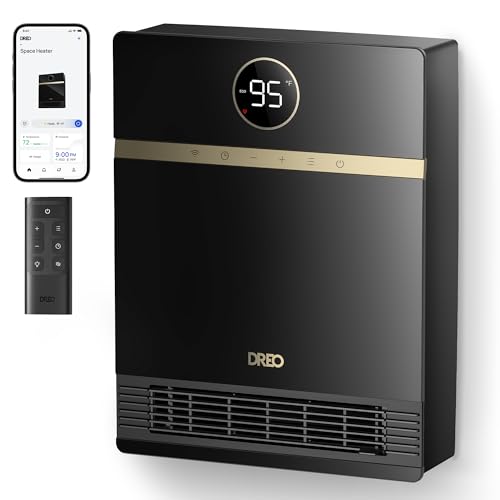
A chilly breeze slips under the bedroom door, leaving someone staring at an empty patch of drywall while nudging a bulky space heater out of the way. Putting a sleek unit on that wall is worth it for quiet supplemental warmth that keeps the floor clear and runs on a daily schedule. It takes the edge off a drafty bedroom or home office without blowing noisy air all night.
That answer shifts if the goal is heating a whole house or replacing a central furnace. Standard wall-mounted heaters only offer extra heat for single rooms, and they need open wall space near an outlet because using extension cords is unsafe. The purchase also hinges on whether silent night operation and phone controls fit your habits. Here is how to decide before drilling any mounting holes.
Match your room size to supplemental heat before picking a wall unit
Living in a home with one stubborn, chilly room is a common frustration during colder months. Whether you have a home office sitting over an unheated garage or a bedroom at the far end of the ductwork, low temperatures make those spaces uncomfortable to occupy. Traditional portable space heaters can help, but they clutter up walking paths, create tripping hazards for pets, and eat up valuable square footage. Mounting a compact heater directly onto drywall gets that heat source off the floor while clearing out space.
Electric wall heaters in the United States operate under a 1,500-watt ceiling on standard residential circuits. By applying the general rule of thumb of roughly 10 watts per square foot of living area, a 1500-watt unit handles about 150 square feet as a standalone heat source in a closed room. When installed in a larger space, such as an open living area or master suite, it functions strictly as supplemental zone heat to warm your immediate seating area without forcing your central furnace to run all day.
If your goal is warming a large, uninsulated space with significant air leaks, a compact bedroom wall heater will struggle to keep up. In drafty outbuildings or sunrooms, you would be better served looking into heaters designed for drafty spaces rather than an indoor bedroom unit. For standard bedrooms and home offices, 1500 watts provides dependable supplemental warmth when installed in the right spot.
Use vertical oscillation to keep bedroom floors warm without sleep disruptions
Conventional space heaters blow hot air in a single, fixed direction. Because warm air naturally rises toward the ceiling, standard heaters often leave rooms feeling uncomfortably warm around your shoulders while your feet stay chilled on hardwood or tile floors.
The Dreo wall unit addresses this temperature split with 120-degree vertical oscillation, meaning a motorized internal vent moves air up and down continuously. Powered by a ceramic heating element that warms up in seconds, the internal fan pushes air outward at 11.5 feet per second. As the louvre sweeps warm air downward toward the floorboards and back up toward the ceiling, it constantly mixes the room's air layers. This circulating motion prevents stagnant hot spots at the ceiling and distributes heat evenly across the living space.
Quiet operation is just as vital when running a heater in a sleeping space. Many fan-forced units create an irritating hum or rattle every time the thermostat activates the heating element. This heater runs at noise levels as low as 28 decibels, which is quiet enough to resemble a gentle whisper or rustling leaves in a library. The ceramic heating element works without electrical buzzing, producing only a soft whoosh of air. You can also turn off the display screen so bright lights do not disturb light sleepers during the night.
Set your daily heating schedules through the app to avoid wasted power
Walking into a cold room early in the morning is unpleasant, but leaving an electric heater running overnight in an empty office wastes electricity. Smart controls through the Dreo app and voice commands through Alexa allow you to match room heating to your daily habits without constantly adjusting dials.
Many basic heaters use manual mechanical dials that click on and off unpredictably. With this smart unit, you get a digital temperature dial that clicks on and off to hold your set warmth, paired with flexible digital scheduling. You can set the heater to warm your office fifteen minutes before your morning meeting starts, or drop the bedroom temperature down automatically while you sleep.
Be mindful of how wall mounting influences temperature sensors. Because the built-in sensor sits inside the heater housing on the wall, it measures air temperature directly around the unit. In rooms with tall ceilings or cold exterior drafts, the far corner across the room may sit a degree or two cooler than the reading on the display. Setting the target temperature two degrees higher than your desired comfort level easily resolves this gap. If you heat a separate workspace or garage, you might compare this setup to electric garage heaters with built-in thermostats, but for bedrooms and indoor offices, wall-mounted digital control provides steady, predictable warmth.
Mount the bracket securely near a grounded wall outlet with proper clearances
Drilling holes into your wall can cause hesitation, but mounting this appliance is straightforward when you follow a few basic rules. The unit measures 4.72 inches deep, 20.08 inches wide, and 13.39 inches tall, weighing approximately 9.15 pounds. Follow these steps to mount the heater safely:
- Select a clear section of wall: Keep at least 3 feet of open space in front of the heater, ensuring it stays well clear of bedding, drapes, curtains, upholstered chairs, and pet beds. Check that the intake and exhaust vents have plenty of room to draw and discharge air.
- Locate the nearest wall outlet: Verify that the power cord can plug directly into a grounded 120-volt wall outlet without tension. Never run the cord under rugs, across doorways, or through walls, and never use an extension cord or power strip.
- Anchor the mounting bracket: Hold the metal bracket against the wall, check that it is level, and mark the screw holes with a pencil. Drive the mounting screws directly into a wall stud whenever possible. If your chosen spot lacks a stud, use sturdy drywall anchors rated to hold the heater's 9.15-pound weight securely.
- Hang and lock the unit: Align the slots on the rear of the heater with the bracket hooks. Lower the heater gently until it locks firmly into place, confirm that it sits flush against the wall, and verify the unit does not rock or tilt when pressed lightly.
Taking time to secure the bracket properly keeps the heater safely elevated away from floor traffic, vacuum cleaners, and curious pets.
Check your circuit capacity and electrical load before turning on high heat
Electrical safety is essential whenever you run a 1500-watt electric heater. On a standard 120-volt household circuit, 1500 watts pulls approximately 12.5 amps of continuous current. Because most standard bedroom and office circuits are protected by 15-amp circuit breakers, running a heater on high heat leaves very little available capacity on that specific circuit line.
Before turning the heat setting up to maximum, run through this electrical checklist:
- Check other devices on the circuit: Find out which other outlets share the circuit breaker. If a computer setup, television, or laser printer runs on the same 15-amp line, using high heat can trip the breaker.
- Plug directly into a wall receptacle: Use only a dedicated wall outlet. The heater includes FortPlug technology, which is a patented safety plug with built-in overheat protection that automatically cuts power if the outlet area gets dangerously hot.
- Inspect the outlet faceplate: After running the heater on high for twenty minutes, turn it off and carefully place your hand on the outlet plate. The prongs may feel warm, but the plastic faceplate should never feel hot to the touch or show discoloration.
- Avoid all extension cords: Do not plug the unit into power strips, surge protectors, or extension cords. These devices are rarely rated for continuous 12.5-amp loads and can overheat, melt, or cause electrical fires.
If your circuit breaker trips repeatedly or the wall outlet feels hot, stop using the heater and contact a licensed electrician to inspect the circuit wiring.
Keep standard bedroom wall units out of damp bathrooms to prevent shock hazards
Many people consider a wall heater hoping to warm up a chilly bathroom, but mounting a standard bedroom heater near a shower or tub poses safety hazards. While the heater body uses 5 VA flame-retardant material and reliable overheat protection, standard bedroom wall units are not designed for direct exposure to moisture, dense steam, or water droplets.
Water conducts electricity, and operating an electric heater in damp environments requires specialized protective hardware. The standard bedroom unit features FortPlug protection for outlet overheating, but it lacks an ALCI plug, which is a safety plug that cuts power near water within milliseconds if current leaks. While certain Dreo wall heaters carry an IP24 splash-resistance rating, bedroom units without an ALCI plug cannot guard against shock risks in wet conditions.
If your main objective is heating a bathroom before stepping out of the shower, select a dedicated bathroom wall heater equipped with an ALCI safety plug and IP24 splash protection. Always install any bathroom heater away from open water sources, bathtubs, and sinks to protect yourself and your family from electrical shock.
Choose the right wall-mounted heater for your space and daily routine
A wall-mounted space heater provides a clean, permanent heating solution for rooms where floor units cause clutter, pose tipping risks, or look messy. Elevating the heater keeps floors open while aiming warmth right into your living space.
When choosing a wall heater, evaluate your room layout, available wall clearance, and electrical capacity. Confirm that your chosen wall spot allows at least 3 feet of open clearance from bedding and curtains while reaching a dedicated wall outlet without stretching the cord. Look for quiet fan ratings, programmable timers, and smart scheduling if you plan to heat a bedroom or home office. Checking these details beforehand ensures you install a heater that fits your room safely and comfortably.

- BWP Score9.6
BWP Score is a ranking system developed by Bestwinterproducts.com. BWP score has no relationship or impact from any manufacturers or sales agent websites. Learn more
- BrandDREO

- BWP Score9.6
BWP Score is a ranking system developed by Bestwinterproducts.com. BWP score has no relationship or impact from any manufacturers or sales agent websites. Learn more
- BrandDREO

- BWP Score9.4
BWP Score is a ranking system developed by Bestwinterproducts.com. BWP score has no relationship or impact from any manufacturers or sales agent websites. Learn more
- BrandDREO
- BWP Score9.1
BWP Score is a ranking system developed by Bestwinterproducts.com. BWP score has no relationship or impact from any manufacturers or sales agent websites. Learn more
- BrandDREO

- BWP Score8.5
BWP Score is a ranking system developed by Bestwinterproducts.com. BWP score has no relationship or impact from any manufacturers or sales agent websites. Learn more
- BrandDREO

- BWP Score7.3
BWP Score is a ranking system developed by Bestwinterproducts.com. BWP score has no relationship or impact from any manufacturers or sales agent websites. Learn more
- BrandDREO
Last update on 2026-10-12 / Affiliate links / Images, Product Titles, and Product Highlights from Amazon Product Advertising API
FAQs
How much clearance does a wall-mounted space heater need?
Keep at least 3 feet (36 inches) of open space in front of the heater grilles at all times. Keep bedding, curtains, upholstered chairs, blankets, and loose papers outside this 3-foot safety zone to avoid fire hazards. Also leave open clearance around the intake vents so air circulates smoothly into the heating element.
Can a 1500-watt wall heater run on an extension cord?
No, never connect a 1500-watt wall heater to an extension cord, surge protector, or power strip. Drawing 1500 watts pulls about 12.5 amps of continuous current, which can quickly overheat lighter cords and melt their plastic insulation. Always plug the heater's heavy-duty safety plug directly into a grounded 120-volt wall outlet.
How loud is the fan during nighttime bedroom heating?
The internal fan operates at noise levels as low as 28 decibels, which is about as quiet as a faint whisper or soft rustling leaves. The ceramic element warms silently without clicking or humming, producing only a gentle whoosh of air. This quiet operation makes it a solid fit for bedrooms and nurseries where louder fans disturb sleep.
Will a 1500-watt heater trip a standard 15-amp bedroom breaker?
A 1500-watt heater draws 12.5 amps, which fits safely on a 15-amp circuit breaker as long as other large appliances are not running on that same line. If your bedroom circuit also powers a desktop computer, gaming console, or television simultaneously, the total electrical load can exceed 15 amps and trip the breaker. Turn off other power-hungry devices on that circuit to avoid interruptions.


Best Warm Winter Scarves 2026 For Cozy Comfort

Best Green Ski Goggles 2026 For Clear Vision On Slopes

12 Best Corner Electric Fireplace 2026: My Ultimate Guide To Pick One

Best Battery Powered Snow Blower 2026 For Effortless Snow Clearing

Best Ski Goggles Under 30 Inches For Crisp Vision And Comfort

Best Cooling Scarf 2026 For Instant Relief And Comfort

Fake Snow for Grass: Create a Realistic Winter Lawn Display

Dimplex Prism Wall Mount Fireplace: Sleek Heat With Modern Flame Style





