
Can a Duraflame Electric Log Set Heat 1,000 Square Feet?

Most people assume sliding an electric log insert into an open hearth will easily heat a massive living area on its own. In reality, an insert is not the best primary heater for a large space, though specific models provide solid supplemental warmth for up to 1,000 square feet. They are built to take the chill off where you sit, not to replace your central furnace.
Real-world performance comes down to the heating method and the room setup. You need an infrared quartz element that warms people directly, since standard fan blowers struggle past 400 square feet. The chimney damper, the metal flap inside the flue, must also be closed tight to keep heat from escaping. When paired with a lowered central thermostat, the right unit keeps a room comfortable without wasting electricity. Here is what to know before deciding if one fits your space.
The Truth Behind the 1,000-Square-Foot Heating Claim
A 1,000-square-foot claim on an electric log set box sounds like an easy fix for high winter utility bills. Many homeowners with an unused fireplace see that number and expect a compact plug-in insert to heat their entire ground floor. In everyday use, that rating comes with an important condition. Electric log sets provide supplemental heat, which means extra warmth for one room while the home furnace handles the base temperature.
Electric heaters in American homes run into a firm electrical limit. Standard household wall outlets deliver 120 volts of electricity on standard 15-amp circuits. To prevent tripped breakers and melted wires, portable space heaters draw a maximum of 1,500 watts of power, which equals about 12.5 amps. Heating contractors use a simple sizing rule: it takes about 10 watts of power to raise the temperature of one square foot of living space. On its own, a 1,500-watt heating element can independently warm an enclosed room of roughly 150 square feet from cold to cozy.
When a manufacturer states that an electric log set heats up to 1,000 square feet, they are describing zone heating in an already-warmed house. In that scenario, your central heating system keeps the entire home at a baseline temperature, such as 65 degrees Fahrenheit. You place the log set in the living room where your family spends the evening, lower your central thermostat by a few degrees, and let the insert boost that single active area to a comfortable 70 degrees.
If your home features high vaulted ceilings, thin insulation, or large open archways, that 1,000-square-foot rating drops quickly. Warm air naturally floats up toward tall ceilings where no one can feel it. Drafts from old windows pull in outdoor chill faster than a plug-in element can replace it. Expecting a fireplace insert to serve as a standalone furnace for a large, freezing space will leave your living area chilly and run up your electric bill.
Infrared Quartz Versus Standard Fan-Forced Heat
Not all electric log sets produce warmth the same way. You can browse fireplace inserts that look almost identical on the outside, yet one model covers only 400 square feet while another claims 1,000 square feet. The difference comes down to the heating technology hidden beneath the artificial logs.
Basic electric log sets rely on standard fan-forced convection heating. These units pull cool air across a hot metal coil or a ceramic heating element that warms up in seconds. A small internal fan pushes warm air across the room. Because this method warms the air directly, that hot air quickly rises toward the ceiling before slowly cooling and circulating back down. Fan-forced log sets usually top out at 400 square feet of supplemental heat. They work fine for a closed bedroom or a small den, but they struggle in large living rooms with open floor plans.
Models rated for up to 1,000 square feet use infrared quartz heating elements instead. Rather than just pushing hot air, infrared quartz produces gentle heat that warms people and furniture directly like sunlight. Infrared light travels straight across the room in invisible waves. When these waves touch your body, clothing, or sofa cushions, those surfaces absorb the warmth instantly.
This direct radiant warming makes a major difference in larger rooms. Because the heat anchors to objects and people, you feel comfortable right away without waiting for the entire ceiling volume to warm up. Infrared quartz heating also preserves natural indoor humidity. Traditional wire coils bake moisture out of the air, leaving your skin itchy and your throat dry. Infrared quartz warms your room without stripping the natural moisture from the air, making your living room feel much warmer at lower overall room temperatures.
Steps to Stop Chimney Heat Loss and Maximize Hearth Warmth
An open masonry chimney is designed to pull air and smoke up and out of your home. When you set an electric heater inside that cavity, your expensive heat will escape up the flue unless you prepare the hearth opening properly. Follow these steps to set up your fireplace before turning on your electric log set:
- Close and lock the chimney damper tightly. The damper is the metal flap inside the chimney that blocks outdoor air, and leaving it open allows all your new electric heat to escape straight up the flue while dropping cold drafts into the room.
- Install a chimney draft stopper or foam insulation board inside the flue opening. Old metal dampers warp over time and rarely close with an airtight seal, so an inflatable draft blocker or snug foam panel stops hidden drafts that cool down the hearth.
- Measure the width, depth, and height of your firebox opening. Electric log sets need adequate clearance around their intake and exhaust vents so they can draw in cool room air and blow out warmth without trapping heat against the firebox bricks.
- Inspect the firebox walls and hearth floor for cracks or moisture. Sealing mortar joints keeps cold outdoor air from leaking into the room, and confirming the firebox stays completely dry protects the electrical parts from water damage.
- Plug the power cord directly into a dedicated 120-volt wall outlet. A 1,500-watt heater draws roughly 12.5 amps of electricity, and using extension cords, power strips, or surge protectors can cause wires to overheat and spark a fire.
- Keep furniture, rugs, and decorative items at least three feet away. Maintaining a 3-foot safety buffer keeps fabrics from overheating and prevents couches or tables from blocking warm air circulation into the room.
- Turn your central furnace thermostat down by three to five degrees. Supplemental zone heating only cuts your winter utility bill if your central furnace runs less often while you enjoy warmth in your primary living space.
After the heater runs for about twenty minutes, touch the plastic wall outlet faceplate gently with your hand. It is normal for the plate to feel slightly warm. If the outlet feels hot to the touch or if your circuit breaker trips repeatedly, turn the heater off immediately, unplug the unit, and call a licensed electrician. Never force a space heater to run on a worn or overloaded household circuit.
Log Set Realism Versus Dedicated Space Heaters
Choosing an electric log set means balancing visual appeal against raw heating performance. When you slide a log set into an empty fireplace, you get a cozy atmosphere that standard space heaters cannot match. Quality log sets feature molded birch or split oak logs, realistic glowing ember beds, and LED flame effects that dance against your chimney brick. Some designs also include built-in sound modules that produce realistic fire crackles.
This glowing hearth atmosphere changes how warm a room feels. Watching flickering flames and glowing embers tricks the mind into relaxing, giving you the comfort of a wood fire without hauling logs, cleaning soot, or smelling smoke. You can also turn the heat off completely during warmer months, letting you enjoy the flame effect on summer evenings.
The main trade-off is airflow direction. Because an electric log set sits back inside a brick or stone cavity, the masonry absorbs a portion of the heat before it pushes outward into the room. A standalone heater to warm drafty spaces uses wider vents and directional fans that blow warm air further into an open room. If you need powerful, utility-grade heat to battle cold floors in an uninsulated area, an electric heater for steady warmth will move air more aggressively than a hearth insert.
An electric log set is not meant to replace high-velocity space heaters. It is designed to sit cleanly in your living room fireplace, offering quiet warmth, zero mess, and an inviting focal point while taking the chill off a large family room.
What to Consider Before Choosing an Electric Hearth Heater
If you want an electric log set to warm a living area up to 1,000 square feet, picking the right heating design will decide whether your room stays warm or chilly. Keep these practical factors in mind before making your selection:
Examine the heating technology first. If your room is larger than 400 square feet, skip standard fan-forced coil units and choose an infrared quartz model. Infrared quartz produces direct radiant warmth that travels through open spaces to warm people and furniture directly without drying out indoor air.
Measure your firebox accurately before shopping. Take width measurements at both the front opening and the back wall, along with total floor depth and height. Fireplaces usually taper narrower toward the back. Choose a unit that fills the opening naturally for realistic proportions while leaving a couple of inches around the casing for proper airflow.
Look for useful everyday controls. A digital temperature dial that clicks on and off to hold your set warmth makes the heater much easier to manage. Independent heat and flame switches are also essential so you can run the glowing logs and flame effects without turning on the heating element.
Check the product label for safety marks from recognized organizations such as UL or ETL. Confirm the heater includes an automatic overheat sensor that shuts the unit off if internal parts get dangerously hot. Finally, check that a grounded wall outlet sits close enough to the fireplace so the factory cord reaches without needing an extension cord.
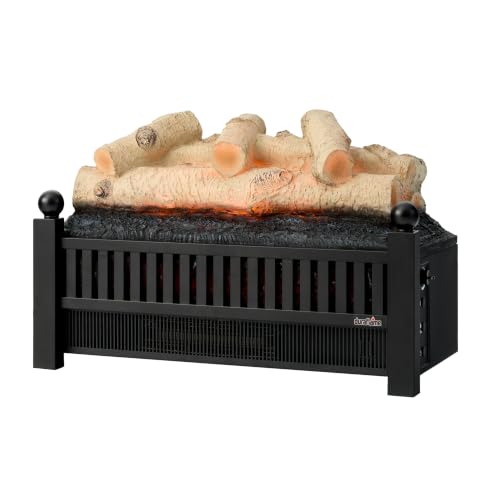
- BWP Score9.7
BWP Score is a ranking system developed by Bestwinterproducts.com. BWP score has no relationship or impact from any manufacturers or sales agent websites. Learn more
- BrandDuraflame

- BWP Score9.4
BWP Score is a ranking system developed by Bestwinterproducts.com. BWP score has no relationship or impact from any manufacturers or sales agent websites. Learn more
- BrandDuraflame

- BWP Score8.3
BWP Score is a ranking system developed by Bestwinterproducts.com. BWP score has no relationship or impact from any manufacturers or sales agent websites. Learn more
- BrandDuraflame
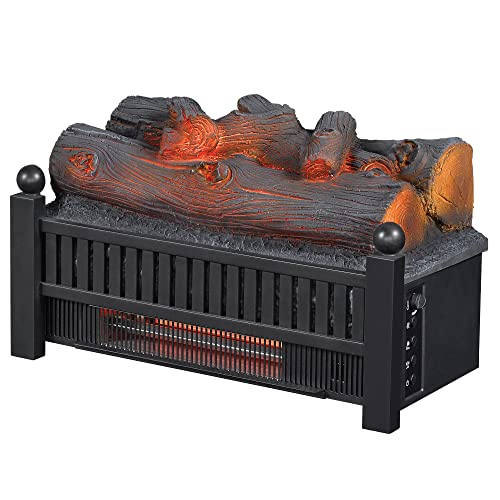
- BWP Score7.3
BWP Score is a ranking system developed by Bestwinterproducts.com. BWP score has no relationship or impact from any manufacturers or sales agent websites. Learn more
- BrandDuraflame
Last update on 2026-10-12 / Affiliate links / Images, Product Titles, and Product Highlights from Amazon Product Advertising API
FAQs
Can an electric log set replace my home furnace in winter?
No, an electric log set cannot serve as a whole-house heating replacement. Standard plug-in inserts draw a maximum of 1,500 watts, which provides supplemental heat to warm a single room while your central furnace maintains the rest of the house. Relying solely on an electric insert during freezing weather will leave outlying rooms cold and risk freezing your plumbing pipes.
Do I need to keep the chimney damper open when using an electric log set?
No, you should always close and seal your chimney damper when using an electric log set. Electric inserts produce zero smoke, zero fumes, and zero carbon monoxide, so they do not require outdoor venting. Leaving the damper open lets the warm air generated by the heater escape straight up the chimney.
Why does my log set heater feel warm right in front of it but cool across the room?
This usually happens when a log set uses a standard fan-forced heating coil rather than an infrared quartz element. Fan-forced heat warms the nearby air, which immediately rises toward the ceiling and leaves distant corners cold. For larger living spaces, an infrared quartz model is necessary because its radiant heat waves travel directly to people and furniture across the floor.
Can I plug my electric fireplace insert into a power strip or extension cord?
No, you should never plug an electric fireplace insert into an extension cord, power strip, or surge protector. These heaters draw roughly 12.5 amps on high heat, which can easily overheat the light wiring in extension cords and melt the plastic housing. Always plug your fireplace insert directly into a grounded 120-volt wall outlet.


Best Warm Winter Scarves 2026 For Cozy Comfort

Best Green Ski Goggles 2026 For Clear Vision On Slopes

12 Best Corner Electric Fireplace 2026: My Ultimate Guide To Pick One

Best Battery Powered Snow Blower 2026 For Effortless Snow Clearing

Best Ski Goggles Under 30 Inches For Crisp Vision And Comfort

Best Cooling Scarf 2026 For Instant Relief And Comfort

Fake Snow for Grass: Create a Realistic Winter Lawn Display

Dimplex Prism Wall Mount Fireplace: Sleek Heat With Modern Flame Style





