
12 Kerosene Industrial Heater For Heating Tools And Equipment On Jobsite of 2026 To Thaw Machinery Fast

Sizing a forced-air heater solely on peak temperature ratings usually backfires the moment winter sets in. Thickened hydraulic oil, frozen tool couplings, and ice-locked valves bring jobsite momentum to a sudden halt, triggering costly equipment downtime while crews wait around cold iron. Running an underpowered unit against bitter wind chill fails to penetrate heavy steel components, while a fickle burner that sputters out mid-morning wastes expensive labor hours and leaves machinery vulnerable to seal damage.
Work moves much smoother when machinery purrs on the first turn and hand tools warm up before the morning briefing ends. Reaching that pace requires matching heat output directly to your staging area footprint, securing multi-fuel capability so standard diesel can fill in when clean kerosene runs short, and demanding tank capacities that run uninterrupted all day. Reliable safety shut-offs also protect valuable tool caches from thermal damage. The side-by-side reviews below highlight which setups deliver dependable warmth to keep your site moving through the freeze this 2026.

- BWP Score9.4
BWP Score is a ranking system developed by Bestwinterproducts.com. BWP score has no relationship or impact from any manufacturers or sales agent websites. Learn more
- BrandDyna-Glo

- BWP Score8.1
BWP Score is a ranking system developed by Bestwinterproducts.com. BWP score has no relationship or impact from any manufacturers or sales agent websites. Learn more
- BrandReddy Heater
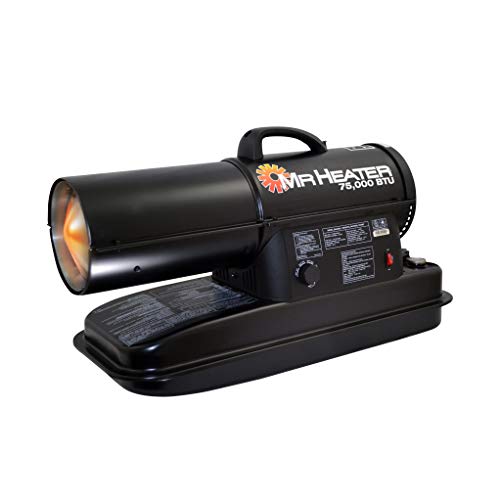
- BWP Score9.3
BWP Score is a ranking system developed by Bestwinterproducts.com. BWP score has no relationship or impact from any manufacturers or sales agent websites. Learn more
- BrandMr. Heater

- BWP Score7.2
BWP Score is a ranking system developed by Bestwinterproducts.com. BWP score has no relationship or impact from any manufacturers or sales agent websites. Learn more
- BrandMr. Heater
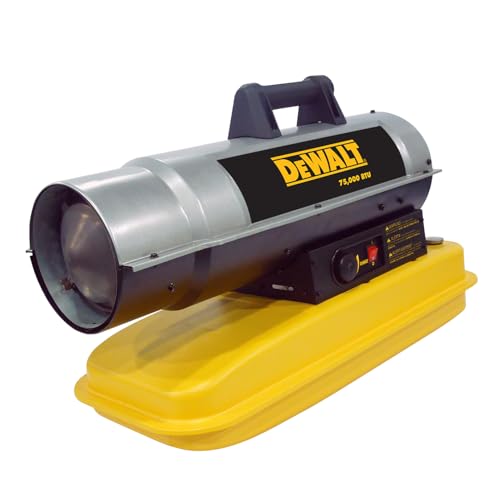
- BWP Score9.2
BWP Score is a ranking system developed by Bestwinterproducts.com. BWP score has no relationship or impact from any manufacturers or sales agent websites. Learn more
- BrandDEWALT
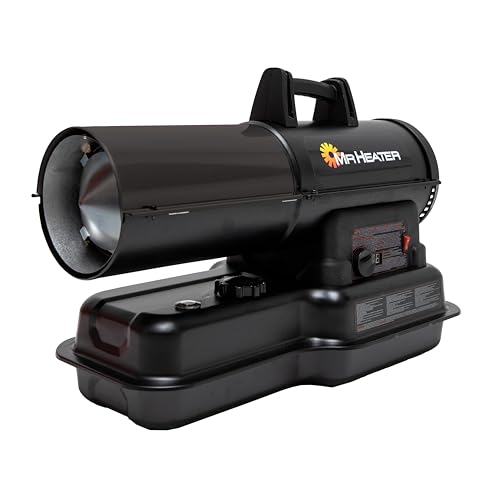
- BWP Score7.1
BWP Score is a ranking system developed by Bestwinterproducts.com. BWP score has no relationship or impact from any manufacturers or sales agent websites. Learn more
- BrandMr. Heater
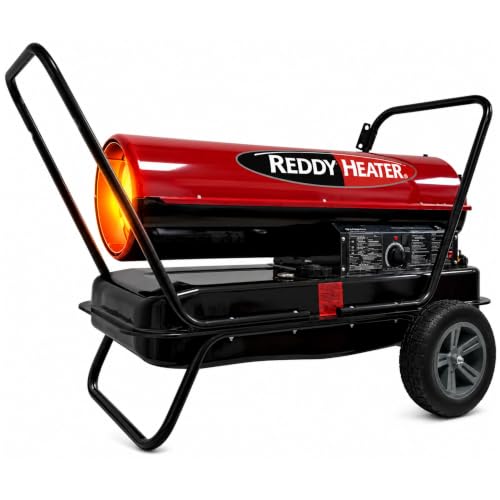
- BWP Score8.8
BWP Score is a ranking system developed by Bestwinterproducts.com. BWP score has no relationship or impact from any manufacturers or sales agent websites. Learn more
- BrandReddy Heater

- BWP Score7.8
BWP Score is a ranking system developed by Bestwinterproducts.com. BWP score has no relationship or impact from any manufacturers or sales agent websites. Learn more
- BrandDyna-Glo

- BWP Score7.3
BWP Score is a ranking system developed by Bestwinterproducts.com. BWP score has no relationship or impact from any manufacturers or sales agent websites. Learn more
- BrandMr. Heater

- BWP Score7.2
BWP Score is a ranking system developed by Bestwinterproducts.com. BWP score has no relationship or impact from any manufacturers or sales agent websites. Learn more
- BrandVEVOR

- BWP Score7.2
BWP Score is a ranking system developed by Bestwinterproducts.com. BWP score has no relationship or impact from any manufacturers or sales agent websites. Learn more
- BrandReddy Heater

- BWP Score7.1
BWP Score is a ranking system developed by Bestwinterproducts.com. BWP score has no relationship or impact from any manufacturers or sales agent websites. Learn more
- BrandReddy Heater
Last update on 2026-10-22 / Affiliate links / Images, Product Titles, and Product Highlights from Amazon Product Advertising API
How many BTUs do you need to heat an equipment staging area?
Your required heating capacity depends on the square footage of your workspace and how quickly you need frozen machinery operational. Units delivering 50,000 BTU heat up to 1,200 square feet, making them practical for compact tool staging bays. Mid-range models producing 80,000 BTU are rated to heat up to 2,000 square feet, which helps warm service trucks and mid-sized utility areas.
For large construction sites and heavy equipment barns, heaters rated at 135,000 BTU cover up to 3,200 square feet, while 140,000 BTU heaters handle up to 3,500 square feet. High-output units delivering between 180,000 and 215,000 BTU can warm expansive areas up to 4,300 square feet, providing the blast needed to thaw frozen hydraulic hoses and iron rapidly.
Can an industrial forced-air heater burn diesel if kerosene runs out on the jobsite?
Yes, many industrial forced-air models feature multi-fuel systems designed specifically to burn diesel when K-1 kerosene is unavailable. Several heaters support K-1 kerosene, #1 and #2 fuel oil, diesel, and even JP8 or Jet A fuel. This flexibility ensures your crew can keep working even if the primary kerosene supply runs dry.
Some models specify the use of filtered diesel #1 or #2 to protect internal fuel lines. Always check the fuel compatibility markings on the heater's data plate or fuel cap to confirm the exact approved blends before filling the tank.
Will a full fuel tank last through an entire work shift?
It depends on the heat setting, fuel capacity, and burner output. For example, a 75,000 BTU heater with a fixed output can operate for approximately 11 hours on a single tank, running through a standard 8-hour workday without refilling. Other units rated at 80,000 BTU provide around 8.5 hours of run time, while a 140,000 BTU unit can operate up to 8 hours.
Units equipped with dual heat technology allow you to switch from 180,000 BTU down to 140,000 BTU once machinery warms up, conserving fuel and extending your operational hours. High-capacity models with tanks as large as 13.2 gallons are designed to minimize mid-shift refuels in demanding conditions.
What temperature controls and safety monitors protect tools from overheating?
Built-in thermostats and system diagnostic lights are the primary tools for preventing excessive heat buildup around staging areas. Select 80,000 BTU heaters include an onboard thermostat paired with LED troubleshooting diagnostics, helping operators quickly verify system status or pinpoint operational errors. Other heavy-duty units feature an adjustable thermostat knob with a room temperature display covering a range from 40°F (5°C) to 110°F (45°C), automatically shutting off heat when the space reaches the set temperature.
For models without digital displays, check the manufacturer manual to confirm the unit features automatic flame-out sensors and high-limit cutoffs before placing it near sensitive tools and machinery.
Can forced-air kerosene heaters be used in enclosed workspaces?
No, open-flame forced-air kerosene and diesel heaters discharge combustion exhaust directly into the airflow and require adequate jobsite ventilation. They are intended for outdoor construction zones, well-ventilated barns, or open workspaces where fresh air constantly circulates. Running them in tightly sealed spaces creates severe air-quality hazards.
If you require permanent, fume-free heat inside a closed workshop or off-grid cabin, consider a direct vent propane heater to safely vent exhaust outdoors. Similarly, when outfitting an enclosed agricultural building or shop, installing a radiant tube heater for pole barn applications will keep equipment warm and dry without introducing open combustion gases into the room.
How does airflow rating impact thawing speed around frozen machinery?
Airflow volume, measured in cubic feet per minute (CFM), dictates how quickly heated air reaches stiff fluids, cold engine blocks, and frozen hand tools. For instance, a 50,000 BTU heater providing 175 CFM pushes a concentrated stream of heat across equipment bays up to 1,200 square feet. This steady velocity distributes warmth around metal components far faster than radiant heat alone, cutting morning downtime and getting machinery running on schedule.
.jpg)

Best Warm Winter Scarves 2026 For Cozy Comfort

Best Green Ski Goggles 2026 For Clear Vision On Slopes

12 Best Corner Electric Fireplace 2026: My Ultimate Guide To Pick One

Best Battery Powered Snow Blower 2026 For Effortless Snow Clearing

Best Ski Goggles Under 30 Inches For Crisp Vision And Comfort

Best Cooling Scarf 2026 For Instant Relief And Comfort

Fake Snow for Grass: Create a Realistic Winter Lawn Display

Dimplex Prism Wall Mount Fireplace: Sleek Heat With Modern Flame Style





