
10 Pros And Cons Of Wall Mounted Natural Gas Heaters of 2026 For Safe Supplemental Warmth

A wall-mounted natural gas heater promises fast, affordable warmth on paper, but choosing the wrong venting design quickly turns a simple heating fix into a messy structural headache or an indoor air quality trap. Vent-free units boast simple setups and zero heat loss, yet their unvented combustion can release excess moisture against cold windows and trigger strict local codes that ban them in bedrooms. On the flip side, direct-vent models keep indoor air pristine by drawing outside air through a sealed pipe, though that safety requires cutting a clean hole through an exterior wall and sacrificing placement flexibility. Guessing on the venting style leaves people stuck with damp drywall, unexpected construction work, or a heater that inspectors will not let them run.
Getting this setup right delivers steady, room-filling warmth that keeps utility bills low while safeguarding your living space. The secret lies in matching the appliance to the specific room boundaries. Direct-vent units belong in bedrooms and tightly sealed additions where combustion gases must stay outdoors, while ventless models equipped with an oxygen depletion sensor excel in open living areas. Checking the ignition type ensures the burner still lights during winter blackouts without relying on household electricity. Here is a clear look at the practical trade-offs so you can weigh the real advantages against the installation demands before putting a single screw into the wall.

- BWP Score9.7
BWP Score is a ranking system developed by Bestwinterproducts.com. BWP score has no relationship or impact from any manufacturers or sales agent websites. Learn more
- BrandComfort Glow

- BWP Score8.6
BWP Score is a ranking system developed by Bestwinterproducts.com. BWP score has no relationship or impact from any manufacturers or sales agent websites. Learn more
- BrandProCom

- BWP Score9.6
BWP Score is a ranking system developed by Bestwinterproducts.com. BWP score has no relationship or impact from any manufacturers or sales agent websites. Learn more
- BrandRinnai

- BWP Score8.0
BWP Score is a ranking system developed by Bestwinterproducts.com. BWP score has no relationship or impact from any manufacturers or sales agent websites. Learn more
- BrandMr. Heater

- BWP Score8.3
BWP Score is a ranking system developed by Bestwinterproducts.com. BWP score has no relationship or impact from any manufacturers or sales agent websites. Learn more
- BrandRinnai

- BWP Score7.9
BWP Score is a ranking system developed by Bestwinterproducts.com. BWP score has no relationship or impact from any manufacturers or sales agent websites. Learn more
- BrandProCom

- BWP Score7.7
BWP Score is a ranking system developed by Bestwinterproducts.com. BWP score has no relationship or impact from any manufacturers or sales agent websites. Learn more
- BrandMr. Heater

- BWP Score7.5
BWP Score is a ranking system developed by Bestwinterproducts.com. BWP score has no relationship or impact from any manufacturers or sales agent websites. Learn more
- BrandComfort Glow
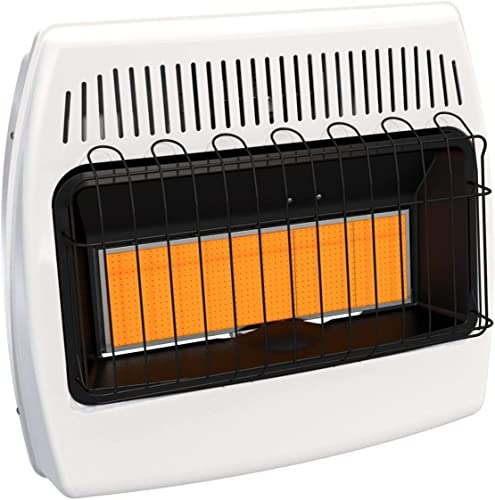
- BWP Score7.3
BWP Score is a ranking system developed by Bestwinterproducts.com. BWP score has no relationship or impact from any manufacturers or sales agent websites. Learn more
- BrandJEWUNO

- BWP Score7.3
BWP Score is a ranking system developed by Bestwinterproducts.com. BWP score has no relationship or impact from any manufacturers or sales agent websites. Learn more
- BrandProCom
Last update on 2026-10-16 / Affiliate links / Images, Product Titles, and Product Highlights from Amazon Product Advertising API
Do I have to cut a vent hole through an exterior wall?
It depends on whether you choose a direct-vent wall furnace or a vent-free heater. Direct-vent heaters use a sealed burn system that draws outside air for combustion and vents exhaust gases through a dedicated opening in an exterior wall. Vent-free heaters mount directly to interior or exterior walls without outside pipe cutting, venting directly into the living space. If you cannot cut exterior siding or drywall, vent-free units avoid construction, though you should always confirm that local building codes permit unvented natural gas appliances in your specific room.
Will a wall-mounted natural gas heater work during a power outage?
Yes, models equipped with push-button piezo ignition or manual controls function normally without household electricity. Units that use natural gas pressure and matchless mechanical ignition deliver continuous warmth when storm blackouts knock out power grids. But models featuring digital thermostats, cool-to-the-touch cabinet fans, or self-diagnostic electronics require an electrical connection to run their control boards. If you need reliable off-grid emergency warmth without gas plumbing alterations, a backup plug-in low-wattage space heater paired with a small home generator offers an alternative setup.
Can I safely install a ventless gas heater in a bedroom?
You can only install a ventless heater in a bedroom if the unit is explicitly rated for bedroom use and your local building codes allow it. Compact ventless natural gas heaters producing 10,000 BTU specify compatibility for bedrooms, offices, and small living rooms, heating spaces up to 500 square feet with built-in thermostat controls. Larger units rated at 20,000 or 30,000 BTU generate too much heat output for small enclosed sleeping quarters and are intended for expansive areas. Always verify your municipal regulations, as many regional ordinances prohibit unvented fuel-burning heaters in bedrooms regardless of output.
What is the difference between radiant infrared and blue flame natural gas heaters?
Radiant infrared heaters warm objects and people directly through heat waves, while blue flame heaters warm the air to create circulating convection currents. Infrared plaque models heat people sitting in their path quickly, making them practical for drafty additions or basements with coverage reaching 500 to 1,200 square feet. Blue flame units heat the room air gradually, producing consistent warmth across spaces spanning 500 to 1,000 square feet. Choosing between them depends on whether you prefer targeted radiant warmth or whole-room ambient circulation.
What safety features should I verify before buying?
Verify that the heater includes a safety pilot with a built-in pressure regulator or self-diagnostic electronics before purchase. A safety pilot automatically shuts off the flow of gas if the pilot flame goes out, preventing hazardous gas accumulation indoors. Direct-vent models offer added protection with sealed burn systems that keep exhaust fumes out of living spaces, along with cool-to-the-touch outer cabinets that protect children and pets from hot surfaces. If you are comparing fuel-burning wall units with an electric room heater with low power consumption, built-in safety shut-offs remain essential for continuous peace of mind.
How many BTUs do I need for my room size?
Select your heater output by matching the listed BTU rating directly to your room square footage. An 8,000 BTU direct-vent model heats compact zones up to 250 square feet, while 10,000 BTU units cover spaces up to 500 square feet. For medium rooms, a 17,000 BTU vented unit handles up to 500 square feet, and 20,000 BTU models manage up to 700 square feet. Large open layouts and chilly additions between 1,000 and 1,200 square feet require higher-capacity units producing between 30,000 and 38,400 BTU.


Best Warm Winter Scarves 2026 For Cozy Comfort

Best Green Ski Goggles 2026 For Clear Vision On Slopes

12 Best Corner Electric Fireplace 2026: My Ultimate Guide To Pick One

Best Battery Powered Snow Blower 2026 For Effortless Snow Clearing

Best Ski Goggles Under 30 Inches For Crisp Vision And Comfort

Best Cooling Scarf 2026 For Instant Relief And Comfort

Fake Snow for Grass: Create a Realistic Winter Lawn Display

Dimplex Prism Wall Mount Fireplace: Sleek Heat With Modern Flame Style





