
What Are Convection Heaters Used For?

Picking the right heater does not have to be stressful or confusing. Convection heaters are designed to warm entire enclosed rooms by gently circulating rising warm air to create steady, quiet background heat. Instead of blasting an instant beam of heat directly onto your skin, these units gradually raise the temperature of the whole space over time.
How well that heat works depends on your room layout and heating expectations. Closed spaces with normal ceiling heights trap and recycle the warm air easily, while drafty rooms or wide-open floor plans let the warmth drift away. They are also built for long, silent hours of comfort rather than a sudden burst of warmth when walking in from the cold. Here is how they work in everyday spaces and how to know if one fits your routine.
How Do Convection Heaters Actually Warm a Room?
Convection heaters work by creating a continuous, gentle cycle of rising warm air circulation. Cold air naturally settles near the floor of a room because it is denser and heavier than warm air. A convection heater pulls this cool air in through vents along its bottom edge, passes it over an internal heating element, and releases it out of top or front louvers once it warms up.
Because warm air is lighter than cold air, it rises toward the ceiling. As that warmed air reaches the top of the room, it spreads outward and slowly pushes the cooler air down along the opposite walls. That displaced cool air travels back across the floor and enters the bottom of the heater again. Over time, this natural cycle establishes a rolling loop that gradually lifts the temperature of the entire room.
You can find two primary styles of convection heat in home spaces: natural convection and fan-assisted convection. Natural convection heaters, such as slim wall panels and traditional floor baseboards, rely entirely on the natural physics of hot air rising. They contain no moving mechanical parts, which makes them operate in total silence. Fan-assisted models include a small, quiet blower that nudges the warm air outward, helping distribute the warmth across the room slightly faster.
Unlike personal space heaters that project intense heat directly onto your skin, a convection unit is designed to warm the air itself. You will not feel a sudden, scorching draft when you sit near it. Instead, the surrounding air steadily becomes more comfortable, transforming a chilly bedroom or drafty den into an evenly heated space.
Which Rooms Benefit Most From a Convection Heater?
Convection heaters perform best in enclosed rooms where the circulating warm air stays contained. They are built for spaces where you spend hours at a time and want quiet, steady background comfort rather than an aggressive, noisy blast of heat.
Bedrooms are the most common location for convection units. Because natural convection models do not rely on fans, they operate without humming, buzzing, or clicking through the night. Many modern panel heaters also feature dimmable displays or zero-light heating elements, so they keep you warm without illuminating the room or interrupting your sleep.
Home offices are another ideal setting. If you spend eight hours sitting at a desk, a fan-forced heater blowing dry air across your face can become irritating very quickly. A convection panel or baseboard heater warms the ambient air evenly, keeping your hands and feet comfortable during long calls without creating background noise on your microphone.
Living rooms, dens, and nursery spaces also gain great value from this heat style. If you want to know if your specific space is a good match, check your room against these key conditions:
- Enclosed boundaries: The room has doors that close, preventing warm air from spilling into unheated hallways or staircases.
- Standard ceiling heights: Ceilings between 8 and 9 feet allow the circulating air loop to reach down to floor level effectively.
- Adequate insulation: Finished drywall, insulated exterior walls, and sealed windows keep the rising heat inside the room.
- Long dwell times: You plan to occupy the room for more than an hour, giving the heater time to warm the entire air volume.
- Matched sizing: A typical 1,500-watt electric heater can reliably heat a closed 150-square-foot room as a primary heat source, or provide supplemental warmth in rooms up to 400 square feet.
Should You Choose Convection Heat or Radiant Heat?
Understanding the difference between convection heat and radiant heat comes down to how each system treats the space around you. Convection heaters warm the air in the room, while radiant heaters warm objects and people directly.
Think of radiant heat like standing outside in the direct sun on a crisp fall day. The air around you might feel chilly, but your face and jacket absorb the direct infrared waves and feel instantly warm. Radiant heaters use glowing quartz tubes, ceramic elements, or carbon filaments to project heat in a straight line of sight. If you step out of the beam, or turn the heater off, you immediately feel the cold air again.
Convection heat works like soaking in a warm bath. The heater works slowly on the air volume itself. It takes longer to establish that warmth, usually between thirty and sixty minutes depending on the room size. But once the air reaches your target temperature, the heat feels balanced throughout the entire space. You can walk from your bed to your dresser or move around your office without experiencing harsh cold spots.
Your daily routine determines which style you should bring home. Pick a radiant heater if you need quick spot warmth, such as sitting down to take off snowy boots, working at a workbench for twenty minutes, or taking the chill off your legs at a desk. Choose a convection heater if you want whole-room comfort for sleeping, reading, or relaxing over several continuous hours.
Where Do Convection Heaters Struggle or Waste Electricity?
Convection heaters are not universal problem solvers for every cold area in your house. Because they rely strictly on warm air rising and circulating, certain room layouts cause them to fail completely while running up your electric bill.
Rooms with vaulted or two-story ceilings are among the worst places for convection heat. When warm air rises, it travels straight to the highest point in the space. In a room with 14-foot ceilings, that warmth sits high above your head near the roofline, while the living space down on the rug stays cold. The heater will run continuously at its maximum electrical power draw of 1,500 watts, burning electricity without making you feel any warmer.
Large open-concept living areas and wide hallways create a similar issue. Without a door or wall to contain the air, the convection current stretches out, dissipating before it can warm the space. The moving air simply wanders into the kitchen, up the stairs, or into unused rooms.
Drafty, poorly insulated spaces also defeat convection heating. If cold air leaks steadily through loose window frames or underneath exterior doors, the rising warm air is blown off course or pushed outside before it can complete its cycle. If you need supplemental heat for an unsealed porch or sunroom, you will get far better results by choosing the right heater for an enclosed porch that relies on focused radiant warmth rather than circulating air.
Finally, cold concrete garages and open workshops drain convection heat almost instantly. The cold concrete slab continually robs thermal energy from the air, meaning a gentle convection panel will struggle to raise the room temperature. For those spaces, a rugged electric heater for a garage with a thermostat and a high-velocity fan is far better suited to overcome the heavy thermal load.
How Do You Safely Place and Run One Overnight?
Running any electric heating appliance while you sleep requires strict attention to setup and electrical safety. Convection heaters are popular for overnight bedroom use because of their quiet operation, but you must arrange the unit correctly to protect your home from fire risks.
- Plug directly into a dedicated wall outlet: A standard portable electric heater draws up to 1,500 watts, which equals roughly 12.5 amps on a standard 120-volt household circuit. Never plug your heater into an extension cord, power strip, or surge protector. These secondary cords can overheat, melt their plastic housings, and spark an electrical fire.
- Maintain the 3-foot safety buffer: Position the heater at least 3 feet (36 inches) away from anything that can burn. This includes bed sheets, comforters, drapes, upholstered chairs, throw pillows, and paper. Keep the path between the heater vents and the center of the room completely clear so airflow is not blocked.
- Choose a flat floor spot or secure wall mount: If using a freestanding model, ensure it sits firmly on a level, hard surface rather than thick, plush carpet that could block the lower air intake vents. If you use a wall-mounted panel heater, attach the bracket securely to wall studs using the hardware supplied by the manufacturer.
- Check for safety certification marks: Look closely at the product label on the back or bottom of the housing to confirm it carries a recognized US safety mark, such as UL or ETL. Confirm that the unit features an automatic overheat sensor that shuts the unit off if internal parts get dangerously hot, as well as a tip-over safety switch that cuts power instantly if the unit is knocked over or tilted.
- Set your thermostat to a moderate target: Avoid turning the heat dial to its maximum output before going to sleep. Set your digital temperature dial to a moderate resting level, such as 65°F to 68°F. This allows the internal thermostat to cycle the heating elements on and off as needed, preventing the room from becoming stuffy and saving electricity overnight.
If you ever notice that the wall outlet feels hot to the touch, smells like warm plastic, or trips your circuit breaker repeatedly, turn the heater off and unplug it immediately. Stop using the heater in that outlet and consult a licensed electrician to inspect your home wiring.
What Features Should You Look For Before Buying?
If your room matches the conditions for convection heat, choosing the right style depends on how you want the heater to fit into your living space. Pay attention to the physical shape, mounting flexibility, and controls before you decide on a model.
Decide first between a low-profile baseboard unit and a slim wall-mounted panel. Baseboard heaters sit flat along the floorboards, keeping them low to the ground and out of your walking path. Slim panel heaters give you the choice of attaching them directly to a wall like a piece of art or placing them on removable feet so you can move them from room to room with a carrying handle.
Look for an accurate digital thermostat rather than a vague dial with simple high and low markings. A digital temperature dial lets you choose an exact target temperature, ensuring the heater cycles on and off precisely when your room cools down. Multiple power levels, such as 500-watt, 1,000-watt, and 1,500-watt settings, are also helpful. Lower wattage settings allow you to maintain warmth during milder days while drawing less electrical power from your home circuit.
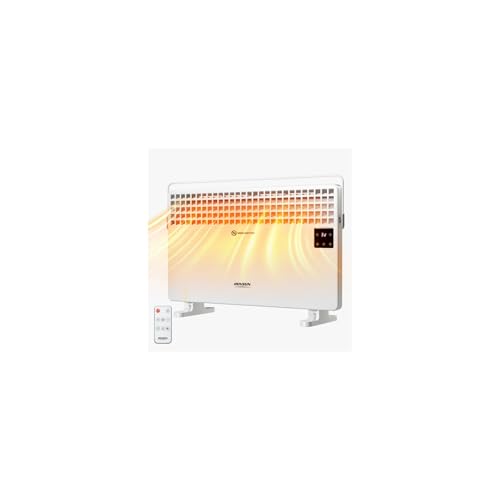
- BWP Score9.5
BWP Score is a ranking system developed by Bestwinterproducts.com. BWP score has no relationship or impact from any manufacturers or sales agent websites. Learn more
- BrandROVSUN

- BWP Score9.3
BWP Score is a ranking system developed by Bestwinterproducts.com. BWP score has no relationship or impact from any manufacturers or sales agent websites. Learn more
- BrandBallu

- BWP Score8.2
BWP Score is a ranking system developed by Bestwinterproducts.com. BWP score has no relationship or impact from any manufacturers or sales agent websites. Learn more
- BrandDREO

- BWP Score7.8
BWP Score is a ranking system developed by Bestwinterproducts.com. BWP score has no relationship or impact from any manufacturers or sales agent websites. Learn more
- BrandCOMFORT ZONE
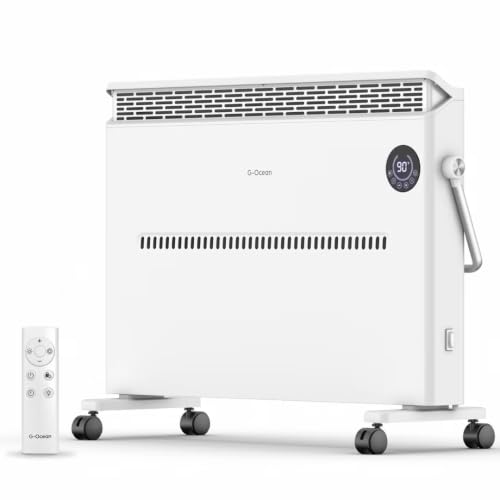
- BWP Score7.3
BWP Score is a ranking system developed by Bestwinterproducts.com. BWP score has no relationship or impact from any manufacturers or sales agent websites. Learn more
- BrandG-Ocean
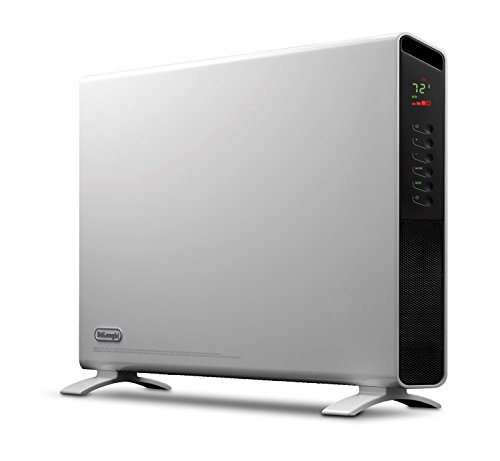
- BWP Score7.2
BWP Score is a ranking system developed by Bestwinterproducts.com. BWP score has no relationship or impact from any manufacturers or sales agent websites. Learn more
- BrandDe'Longhi

- BWP Score7.2
BWP Score is a ranking system developed by Bestwinterproducts.com. BWP score has no relationship or impact from any manufacturers or sales agent websites. Learn more
- BrandDe'Longhi
Last update on 2026-10-09 / Affiliate links / Images, Product Titles, and Product Highlights from Amazon Product Advertising API
FAQs
Can you leave a convection heater on all night?
Yes, you can safely run a modern convection heater all night if it carries a recognized safety certification mark like UL or ETL. Make sure the unit has a built-in automatic overheat sensor and a tip-over safety switch. Always plug the unit directly into a wall outlet, keep it at least 3 feet away from bedding or drapes, and set the thermostat to a moderate temperature so it cycles off periodically.
Do convection heaters dry out the air in your room?
Convection heaters do not remove moisture from the air, but raising the air temperature naturally lowers the relative humidity of the room. Natural convection panel and baseboard heaters tend to feel less drying than high-velocity fan heaters because they do not blow hot air directly across your face, skin, or eyes. If your bedroom feels too dry during winter, running a small room humidifier alongside your heater can restore comfortable moisture levels.
How long does a convection heater take to warm a room?
Most convection heaters take between thirty and sixty minutes to bring an average 150-square-foot closed room up to a comfortable temperature. Because they warm the entire volume of air through natural circulation rather than firing a focused beam of heat, the warming process is gradual. Leaving doors and windows closed during this period speeds up the cycle significantly.
Are convection heaters cheaper to run than baseboards?
Portable convection panel heaters and plug-in baseboards consume electrical power at roughly the same rate, typically pulling 1,500 watts on their highest setting. Operating costs depend entirely on your local electric utility rates and how long the heater runs each day. A model with an accurate digital thermostat and multiple power levels will generally cost less to run because it turns off the moment the room reaches your desired warmth.


Best Warm Winter Scarves 2026 For Cozy Comfort

Best Green Ski Goggles 2026 For Clear Vision On Slopes

12 Best Corner Electric Fireplace 2026: My Ultimate Guide To Pick One

Best Battery Powered Snow Blower 2026 For Effortless Snow Clearing

Best Ski Goggles Under 30 Inches For Crisp Vision And Comfort

Best Cooling Scarf 2026 For Instant Relief And Comfort

Fake Snow for Grass: Create a Realistic Winter Lawn Display

Dimplex Prism Wall Mount Fireplace: Sleek Heat With Modern Flame Style





