
What Are the Most Reliable Portable Oil Heater Brands?

Reliable models use thick, welded steel fins. Because these radiators have no fan motors to burn out, true dependability comes down to a permanently sealed metal body that never leaks heat-storing fluid. The safest builds combine seamless machine welds with certified cutoff switches that stop power automatically if the metal gets too hot.
Everyday reliability also depends on the controls you choose and how you power the unit. Simple mechanical dials tend to outlast digital touchscreens because sensitive circuit boards often fail after seasons of high heat. Heavy-gauge metal seams prevent fluid from seeping onto floors as the liquid warms and expands, while running the heater on a dedicated wall outlet keeps the cord cool. Here is how to spot solid construction and safe wiring before buying.
The Short Version
- Reliable oil-filled portable heaters use machine-welded steel fins and permanently sealed heat-storing fluid, meaning they never require refilling and rarely develop leaks during everyday use.
- Heaters built with simple mechanical switches and rotary dials consistently outlive digital push-button models because solid metal contacts handle continuous heat far better than delicate circuit boards.
- Independent safety certification marks such as UL or ETL confirm the radiator has a working automatic overheat sensor and an internal tip-over switch to shut off power in an emergency.
- Plugging the unit directly into a standard 120-volt wall outlet and keeping a clear three-foot perimeter protects both the internal wiring and your home from accidental heat damage.
Why Oil-Filled Heaters Naturally Last Longer Than Fan Heaters
Most portable electric heaters fail because of moving parts. A standard fan-forced heater relies on a tiny motor spinning plastic blades behind a glowing wire or ceramic element. Over a single winter, household dust, pet hair, and airborne lint pull into that motor housing. The motor bearings slowly dry out, friction increases, the fan slows down, and the heating element burns itself out because it can no longer shed its heat into the room.
A silent radiator heater that circulates steady, lasting warmth avoids this problem entirely because it has zero moving parts. There is no fan motor to seize up, no fan blades to collect lint, and no open wire elements that become brittle and snap over time. Instead, the entire appliance is a heavy metal reservoir containing diathermic oil, which is a specialized heat-storing fluid sealed inside the fins at the factory.
When you switch the radiator on, an internal electrical heating element immersed at the bottom of the unit warms that fluid. As the fluid heats up, it rises naturally through the hollow vertical channels of each metal fin, transferring its thermal energy to the outer steel casing. The air surrounding the fins warms up and floats toward the ceiling, drawing cooler floor-level air up past the radiator fins in a gentle, continuous cycle known as natural convection.
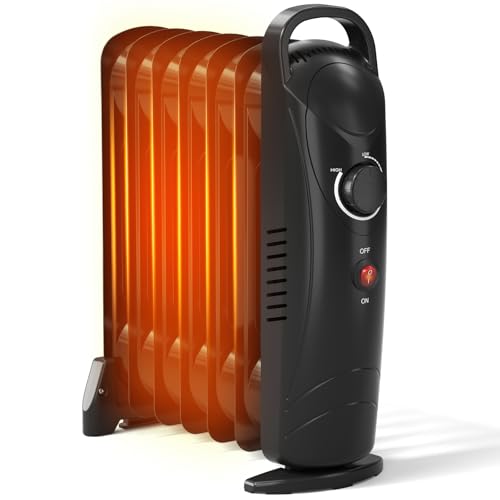
This design creates a major durability advantage called thermal inertia. Unlike a fan heater that blows hot air only while drawing peak electricity, a sealed oil radiator stays hot for thirty to forty-five minutes after its thermostat switches the electric element off. Because the fluid stores so much heat, the electrical switches do not have to turn on and off every two minutes to keep the room comfortable. Fewer switching cycles mean far less electrical arcing and physical wear on internal switches, allowing a well-built oil radiator to run reliably for five to ten winter seasons without mechanical trouble.
What Separates Dependable Brands From Flimsy Units
The primary fear most people have with oil-filled heaters is waking up to an oily puddle on their hardwood floor or carpet. When an oil radiator leaks, it almost always stems from cheap metal stamping and poor seam welding. Reliable brands build their radiators out of heavy-gauge steel and join the outer fin edges using high-pressure automated seam welds. These structural seams must expand slightly every time the heater warms to full operating temperature, then contract as it cools down.
Flimsy discount units cut manufacturing costs by pressing thin sheet metal into fin shapes and relying on basic crimped seams or spot welds. Under the constant stress of heating and cooling, thin metal warps. Eventually, microscopic fatigue cracks develop along the bottom welded seam, allowing warm fluid to seep out as an unpleasant burning odor or a dark puddle. A dependable 7-fin radiator feels heavy and rigid. For example, standard units from brands like Amazon Basics and Tangkula weigh between 15 and 17.5 pounds. If a 1500-watt floor radiator feels featherlight or the fins flex inward under light thumb pressure, the metal is too thin to withstand years of pressure changes.
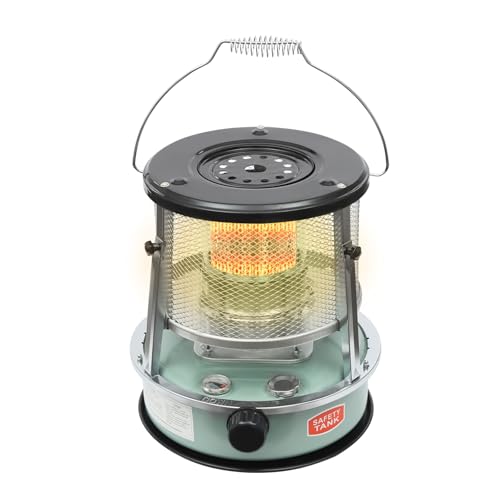
Another telltale sign of build quality is the reservoir closure. Reliable electric radiators are permanently sealed for life at the factory under controlled pressure. You should never see an open valve, a plastic plug, or a user-serviceable threaded cap on the fluid chamber. If a unit features any kind of removable fluid access, it is not a permanently sealed domestic radiator. It is also worth clarifying that sealed electric radiators are entirely different from portable kerosene fuel heaters, which hold combustible liquid fuel in a tank and require room ventilation. Electric oil radiators never burn fuel, release zero exhaust, and require zero fluid maintenance.
Dials Versus Digital Panels for Long-Term Use
When choosing between different models, the control panel on the front of the unit plays a massive role in how many years the heater survives. While modern digital displays look sleek, heat is the natural enemy of electronic components. The control box sits directly against the front radiator fin, which can reach temperatures between 140°F and 170°F during continuous high-wattage operation.
Manual dial controls are the most durable option for multi-year heating. A traditional manual unit uses a rotary dial connected to a bimetallic thermostat strip and a heavy-duty mechanical toggle switch for power levels. As the room warms up, two bonded metals expand at different rates, physically bending the strip until it breaks electrical contact with a soft mechanical click. There are no computer microchips, no digital readouts to scramble, and no electronic power transformers to overheat inside the housing. If your goal is a trouble-free unit that you can store in an attic or closet all summer and trust to work immediately next November, mechanical dials are the safest bet.
Digital models offer helpful conveniences, such as remote controls, precise digital temperature dials that click on and off to hold your set warmth, and 24-hour shutoff timers. Brands like Tangkula and Amazon Basics offer digital versions that let you set a target room temperature from across the room. These features are great for bedrooms where you want the heater to run only during sleeping hours. But keep in mind that printed circuit boards contain tiny capacitors and soldered wire leads that can slowly dry out and crack after seasons of radiant heat exposure. If you prefer a digital model, look for one that places its control board behind a well-ventilated, heat-shielded plastic faceplate, and avoid placing that side of the heater flush against a wall where heat can become trapped.
Safety Marks and Cutoff Switches to Check Before Buying
Every dependable portable heater must carry a recognized North American safety listing on its packaging and specification label. Look for the ETL or UL mark. An ETL or UL listed mark means an independent safety organization verified that the heater meets strict construction standards for fire resistance, electrical insulation, and structural integrity. Radiators lacking these marks often use substandard internal wiring that can melt under prolonged electrical loads.
Beyond safety marks, dependable radiators include two non-negotiable physical protection features:
- Automatic overheat sensor: This safety sensor shuts the unit off instantly if internal parts or surface metal get dangerously hot. This can happen if someone accidentally drops a heavy winter coat, blanket, or towel over the fins, trapping the rising heat.
- Tip-over safety switch: An internal switch that cuts power instantly if the unit is knocked over or tilted past a safe operating angle. In a dependable unit, you can often hear a small internal weight or pendulum rattle softly when you tilt the heater out of its box, which is the mechanical contact that guards against floor fires.
Electrical safety also depends entirely on your home wiring setup. In United States homes, a 1500-watt space heater draws roughly 12.5 amps of continuous current on a standard 120-volt household circuit. Most residential bedroom and living room branch circuits are rated for 15 amps total. That means running a 1500-watt oil heater leaves only 2.5 amps of spare electrical capacity on that entire circuit breaker line. Running a hair dryer, vacuum, or gaming computer on the same circuit will trip the breaker switch in your electrical panel.
Never plug an oil-filled radiator into an extension cord, power strip, multi-outlet tap, or surge protector. Most common extension cords use thin 16-gauge wire that overheats rapidly under a sustained 12.5-amp load, melting the plastic jacket and creating a severe electrical fire hazard. Always plug your radiator directly into a dedicated wall outlet. If you notice the wall outlet faceplate feels warm to the touch or smells faintly like hot plastic, switch the heater off, unplug it, and consult a licensed electrician before using that outlet again.
How to Set Up and Store Your Heater for Lasting Performance
Even the sturdiest brand will run into trouble if the radiator is dropped, dragged across rough thresholds, or stored incorrectly. You can maximize the lifespan of your oil heater by following a few clear operating habits:
- Keep the heater upright at all times: Never transport or store an oil-filled radiator on its side or upside down. The internal fluid reservoir leaves a small cushion of air at the top of the fins to accommodate fluid expansion when hot. Storing the heater sideways can displace that expansion pocket and put unnecessary pressure on the upper seal welds when you first plug it in.
- Maintain the 3-foot safety buffer: Always keep a clear distance of at least 3 feet (36 inches) between the radiator and combustible items such as bedding, curtains, upholstered chairs, rugs, and piles of clothes. While oil radiators do not produce open sparks or red-hot coils, their outer metal surfaces get hot enough to scorch nearby fabrics left in direct contact. If you need supplemental heat for unique residential layouts, choosing safe heaters for manufactured spaces or heaters to warm drafty spaces requires this same strict clearance discipline.
- Clear away dust before the first cold snap: Over the summer, fine dust settles between the radiator fins. If left uncleaned, that dust acts like an insulating blanket, trapping heat unevenly across the steel channels and causing a burning smell when the heater is first powered on. Before turning the unit on for winter, unplug it, let it cool completely, and wipe down the fins with a dry cloth or use the narrow crevice tool of your vacuum cleaner.
- Check your caster wheels and floor surface: Always screw the caster wheel brackets securely into the base according to the manufacturer instructions. Operating the heater flat on a rug without its wheels installed blocks the natural intake of cooler air underneath the chassis. If you are heating concrete outbuildings, using a steady warmth garage heater setup works best when kept level and away from damp flooring.
- Inspect the floor for residue before each season: Before you plug the heater in after months of storage, look closely at the lower seam joints and the floor beneath the unit. If you see sticky, dark amber droplets, the seam has failed. Never attempt to tighten or weld a leaking oil radiator. A leaking unit must be unplugged and safely retired.
What to Look for When Choosing Your Oil Heater
When selecting a portable oil radiator to keep your living space comfortable, focus your attention on solid metal construction, sensible power levels, and clean physical assembly. A dependable unit should feel firmly anchored by heavy-gauge steel radiator fins that resist bending when handled. Look for models that provide three distinct heat settings, typically stepping from a gentle low wattage up to a full 1500-watt high output, which allows you to balance room comfort against your home electrical load.
Examine the mobility features carefully before making a purchase. Because these radiators rely on dense fluid and solid steel for lasting warmth, rolling caster wheels and an integrated front carry handle make room-to-room transit far safer and prevent accidental drops. Confirm that the packaging explicitly displays an independent safety listing mark such as ETL or UL, guaranteeing that certified overheat and tip-over protections are built into the frame. Sticking with simple, well-isolated controls and a wide, stable wheel base ensures your radiator delivers quiet, steady heat for many winters to come.

- BWP Score9.6
BWP Score is a ranking system developed by Bestwinterproducts.com. BWP score has no relationship or impact from any manufacturers or sales agent websites. Learn more
- BrandTangkula

- BWP Score8.4
BWP Score is a ranking system developed by Bestwinterproducts.com. BWP score has no relationship or impact from any manufacturers or sales agent websites. Learn more
- BrandAmazon Basics

- BWP Score8.1
BWP Score is a ranking system developed by Bestwinterproducts.com. BWP score has no relationship or impact from any manufacturers or sales agent websites. Learn more
- BrandAmazon Basics
- BWP Score8.0
BWP Score is a ranking system developed by Bestwinterproducts.com. BWP score has no relationship or impact from any manufacturers or sales agent websites. Learn more
- BrandDRRSBRP

- BWP Score7.8
BWP Score is a ranking system developed by Bestwinterproducts.com. BWP score has no relationship or impact from any manufacturers or sales agent websites. Learn more
- BrandAmazon Basics
- BWP Score7.4
BWP Score is a ranking system developed by Bestwinterproducts.com. BWP score has no relationship or impact from any manufacturers or sales agent websites. Learn more
- BrandLifePlus
Last update on 2026-10-08 / Affiliate links / Images, Product Titles, and Product Highlights from Amazon Product Advertising API
FAQs
Do oil-filled space heaters ever need to be refilled?
No, an electric oil-filled radiator is permanently sealed at the factory and never requires any fluid refilling or topping off. The diathermic fluid inside does not burn away or evaporate because it operates inside a closed metal chamber. If your heater is ever low on fluid, it means a welded seam has cracked and leaked, and the unit must be replaced rather than serviced.
Can you safely run an oil-filled radiator overnight in a bedroom?
Yes, oil-filled radiators are among the safest space heaters for overnight bedroom use because they do not have red-hot exposed elements or noisy blower fans. You must plug the unit directly into a dedicated wall outlet, keep all bedding and curtains at least three feet away, and ensure the heater sits on a flat, hard surface where it cannot tip over.
What causes an oil portable heater to leak fluid?
Leaks are almost always caused by physical drops or cheap, thin metal seams that crack under repeated thermal expansion. Every time the heater turns on, the fluid warms and expands, putting pressure on the welded joints along the fin edges. If a unit is tipped over roughly during transit or built with thin metal, those structural seams can split and allow the heat-storing fluid to escape.
Why do mechanical dial switches hold up better than digital displays?
Mechanical rotary dials use thick copper contacts and simple bimetallic strips that physically bend to open and close electrical circuits, which are naturally resistant to cabinet heat. Digital panels rely on computer chips, micro-capacitors, and soldered circuit boards that sit close to the hot metal body. Over years of seasonal heating, constant exposure to high temperatures can degrade those sensitive electronic parts and cause digital screens to fail.


Best Warm Winter Scarves 2026 For Cozy Comfort

Best Green Ski Goggles 2026 For Clear Vision On Slopes

12 Best Corner Electric Fireplace 2026: My Ultimate Guide To Pick One

Best Battery Powered Snow Blower 2026 For Effortless Snow Clearing

Best Ski Goggles Under 30 Inches For Crisp Vision And Comfort

Best Cooling Scarf 2026 For Instant Relief And Comfort

Fake Snow for Grass: Create a Realistic Winter Lawn Display

Dimplex Prism Wall Mount Fireplace: Sleek Heat With Modern Flame Style





