
Where Should You Place a Portable Infrared Heater?

Figuring out where to set up an infrared unit does not need to feel like guesswork. The most effective locations are occupied personal spots with a completely open view of where someone is sitting, such as next to an office desk, beside a living room couch, or near a garage workbench. Because infrared acts like quiet sunshine, it warms bodies and clothing instantly rather than floating hot air across empty spaces.
The best location changes depending on the surrounding layout and safety needs. Solid objects block radiant rays, so keeping a clear line of sight without furniture in the way is essential. Every unit also requires at least three feet of safety distance from soft fabrics, blankets, and curtains. Spaces like damp basements or sheltered patios need a water-resistance mark on the unit before plugging in. Knowing how these beams travel helps you pick the warmest spot in any room.
Why Line of Sight Decides Where Your Infrared Heater Belongs
Infrared heaters do not work like standard space heaters. A traditional space heater uses convection, which means it warms the circulating air in the room. That warm air slowly rises toward the ceiling, drifts around, and eventually raises the overall room temperature. An infrared heater works by delivering gentle heat that warms people and furniture directly like sunlight. When you step outside on a crisp autumn morning and feel the sun warm your face, the air around you remains chilly, but your skin feels instantly comfortable. That is exactly how portable infrared heat functions inside your home.
Because infrared waves travel in straight lines through the air, line of sight is everything. If you tuck your heater into an empty corner behind an armchair or place it beneath a solid wooden table, the heater will warm the back of the chair or the underside of the tabletop. The soothing warmth cannot reach your body because a solid object is standing in its way. The heater ends up drawing electricity to bake a piece of furniture while you sit a few feet away wondering why you still feel freezing.
To get the most comfort from your heater, position the front grille so it points directly at where you spend your time. Think of the heater as a warm spotlight. Wherever the light shines is where the heat lands. Placing the unit between three and six feet away from your body provides immediate warmth without feeling scorching. At this distance, the radiant waves reach your skin, clothing, and the immediate seating area, keeping you cozy even if the rest of the room stays on the cooler side.
This direct heating method makes infrared units exceptional for zone heating. Zone heating simply means turning down your central home thermostat to save on fuel bills and using a portable heater to warm only the specific spot you occupy. Instead of paying to heat three empty bedrooms, a hallway, and a laundry room, you focus all your energy on your favorite chair. But for this strategy to pay off, the heater must stand in an open, direct pathway to your body.
Prime Indoor Locations for Everyday Warmth
Most people get the best results by placing an infrared heater in rooms where they sit still for long stretches. When you are active and walking around, your body generates its own heat. When you sit down to work, read, or watch television, your circulation slows down, and drafty indoor air makes your hands and feet feel cold quickly.
Your home office desk is one of the most practical indoor spots. Sitting at a computer for hours often leads to cold fingers and stiff legs. Placing a compact infrared heater two to four feet away, angled slightly toward your legs and torso, creates an immediate pocket of comfort. If your desk has an open front, you can place the unit just outside the footwell, aimed inward. Avoid pushing the heater deep under a closed desk where your knees might knock against the warm metal grille or where solid side panels block the heat from reaching your upper body.
Living rooms and family dens are also prime locations. Most families gather on a couch or sectional to relax in the evening. Instead of setting the unit against a distant wall, position the heater on the floor near the coffee table or alongside the sofa, angled inward toward the seating area. Keep the heater at least three feet away from loose blankets, throw pillows, and upholstery. This positioning allows everyone on the couch to share the radiant warmth while keeping the living area safe and clutter-free.
Bedrooms can benefit from infrared warmth, especially in older houses with drafty exterior walls or single-pane windows. Set the heater four to six feet away from the side or foot of the bed, aimed toward the upper mattress. Make sure the unit does not point directly at hanging bed skirts, comforters, or low-hanging window drapes. Look for models with quiet internal fans and dimmable display lights so your sleep stays completely undisturbed throughout the night.
- Home office: Set the heater three feet to the side of your desk chair, angled toward your torso, keeping the power cord routed away from your chair wheels.
- Living room couch: Place the heater near the corner of your seating arrangement, pointing directly across your lap and legs.
- Bedside zone: Position the unit four to five feet from the side of the bed, ensuring heavy blankets remain well outside the three-foot safety buffer.
- Reading nook: Place the heater directly in front of your favorite armchair, leaving a clear three-foot walking path around the chair.
Garages, Workshops, and Covered Patios
Uninsulated spaces like garages, basement workshops, and covered porches present a completely different heating challenge. In these areas, standard convection heaters fail miserably. If you turn on a fan-forced heater in a drafty two-car garage, the warm air rises instantly to the rafters or leaks out through the uninsulated garage door seams. Cold concrete floors pull heat out of the air faster than a regular heater can supply it, leaving you shivering while your electric meter spins rapidly.
This is where portable infrared units truly shine. Because radiant waves warm solid targets instead of the air, cold drafts cannot blow the heat away. You can stand in front of an infrared heater in an open garage and feel direct, soothing heat on your hands, face, and chest, even if the surrounding air temperature hovers near freezing. For garage hobbyists, positioning the heater two to four feet from your workbench, aimed directly at your hands and tools, turns an unbearable winter workspace into a comfortable shop.
When selecting a heater for cold or semi-outdoor workspaces, check options like the best electric heater for garage with thermostat to see how dedicated shop setups handle harsh winter conditions. Sturdy metal frames, heavy-duty cords, and broad heating elements hold up far better against sawdust and cold concrete than delicate living room furniture cabinets.
Semi-outdoor spaces such as three-season rooms, sun porches, and covered decks require special attention to moisture. If you want to take the chill off an enclosed sunroom, reading about the best heater for enclosed porch helps you match the heater type to your room insulation level. For any area exposed to outdoor moisture, fog, or blowing mist, you must check the IP rating (a waterproof and dust resistance mark). An outdoor-ready heater carries a mark such as IP55 or IPX5, which confirms that the internal wiring and heating elements resist water spray and dust particles. Never move an indoor-only wooden cabinet heater onto an open porch or damp patio, as moisture can short out the internal electronics and spark an electrical fire.
Dangerous and Ineffective Placement Mistakes to Avoid
Finding the right spot for an infrared heater is as much about avoiding danger as it is about finding warmth. Space heaters cause thousands of home fires every year, and almost all of them stem from poor placement, blocked clearances, or faulty electrical setups.
The most critical safety guideline is the three-foot safety buffer. Every portable heater needs an empty safety space around the unit of at least three feet (36 inches) in every direction. This empty buffer applies to curtains, bedding, sofa cushions, piles of clothing, paper clutter, and holiday decorations. Never place a heater where a pet could push a blanket off the sofa onto the hot grille while you sleep. The radiant heat coming off the front panel can slowly dry out fabric, elevate its temperature, and eventually ignite a fire without any direct flame.
High-traffic walking paths and doorways are equally hazardous. Placing a heater in a hallway, near an entryway door, or along the path between your bed and the bathroom creates an instant tripping hazard. Someone walking in the dark can kick the unit over or trip across the power cord. While modern heaters include a tip-over safety switch that cuts power instantly if the unit is knocked over or tilted, a falling heater can still burn carpets or bruise shins.
Bathrooms and laundry rooms are another common trap. Standard portable heaters should never sit on a bathroom floor. Water splashes from the shower, dripping sinks, and heavy steam can penetrate the casing, creating a serious shock hazard. Unless a heater carries a specific bathroom splash rating (such as IP24) or comes equipped with an ALCI safety plug (a built-in circuit interrupter that shuts off power the moment water contacts the plug), keep portable heaters completely out of wet rooms.
Finally, avoid electrical overloading by placing your heater near a dedicated wall outlet. In US homes, a standard 1500-watt space heater pulls about 12.5 amps on a standard 120-volt household circuit. Most residential circuits run on 15-amp breakers. If you plug your heater into the same circuit that powers a desktop computer, a laser printer, or a refrigerator, the breaker will trip repeatedly. Always plug the unit directly into a grounded wall receptacle. Never use extension cords, power strips, or surge protectors, as they cannot handle a continuous 12.5-amp load and can melt, smoke, and catch fire inside your wall.
What to Look for in a Portable Infrared Heater
Choosing the right style of infrared heater depends entirely on how and where you plan to use it across your home. Manufacturers package infrared technology into several distinct body types, each designed for specific rooms and routines.
For primary living spaces like family rooms and bedrooms, furniture-style wooden cabinet heaters remain popular. These models encase quartz infrared tubes inside an insulated wood or composite exterior that stays cool to the touch. Because the outer cabinet does not get scalding hot, it is much safer around curious pets and toddlers. Many of these indoor cabinets sit on smooth caster wheels, letting you roll the heater effortlessly from your home office during the day to your bedroom at night.
Some advanced indoor models also include dual heating systems. These combine infrared quartz tubes with a small ceramic heating element that warms up in seconds, alongside a quiet internal fan. The infrared elements warm your body directly, while the ceramic fan gently takes the chill out of the surrounding air, giving you balanced comfort across the whole seating area. You can also find hybrid designs that incorporate built-in cool-mist humidifiers, which help soothe dry nasal passages and irritated skin caused by parched winter air.
For workshops, garages, and covered patios, tall freestanding towers or mountable slimline bars made from aluminum or heavy-duty steel are far superior. These units use carbon infrared elements and wide aluminum reflectors to cast direct radiant warmth over broad work zones. When shopping for these rugged areas, confirm that the product label lists an IP55 weather resistance mark and includes a sturdy, tip-resistant base. Check for a digital temperature dial that clicks on and off to hold your set warmth, along with an automatic overheat sensor that shuts the unit off if internal parts get dangerously hot. Taking a quick measurement of your floor space and checking the clearance around your seating ensures you pick an infrared heater that keeps you reliably warm all winter long.

- BWP Score9.6
BWP Score is a ranking system developed by Bestwinterproducts.com. BWP score has no relationship or impact from any manufacturers or sales agent websites. Learn more
- BrandDR. INFRARED HEATER

- BWP Score9.1
BWP Score is a ranking system developed by Bestwinterproducts.com. BWP score has no relationship or impact from any manufacturers or sales agent websites. Learn more
- BrandDR. INFRARED HEATER

- BWP Score8.8
BWP Score is a ranking system developed by Bestwinterproducts.com. BWP score has no relationship or impact from any manufacturers or sales agent websites. Learn more
- BrandDR. INFRARED HEATER

- BWP Score8.2
BWP Score is a ranking system developed by Bestwinterproducts.com. BWP score has no relationship or impact from any manufacturers or sales agent websites. Learn more
- BrandDR. INFRARED HEATER

- BWP Score8.2
BWP Score is a ranking system developed by Bestwinterproducts.com. BWP score has no relationship or impact from any manufacturers or sales agent websites. Learn more
- BrandDR. INFRARED HEATER
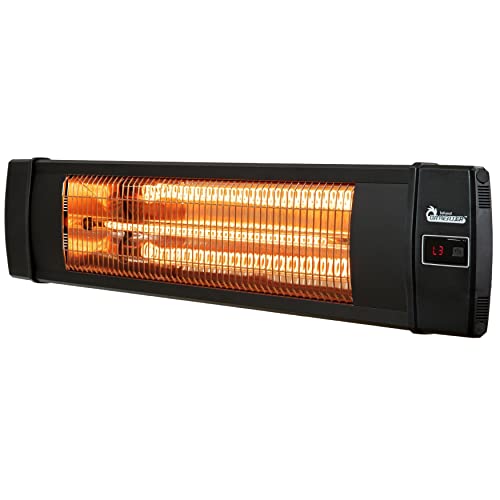
- BWP Score8.0
BWP Score is a ranking system developed by Bestwinterproducts.com. BWP score has no relationship or impact from any manufacturers or sales agent websites. Learn more
- BrandDR. INFRARED HEATER
Last update on 2026-10-08 / Affiliate links / Images, Product Titles, and Product Highlights from Amazon Product Advertising API
FAQs
How far away should I sit from a portable infrared heater?
The ideal distance is between three and six feet from the front grille. Sitting closer than three feet can feel too hot on your skin and violates the empty safety clearance recommended for personal space heaters. Sitting farther than six to eight feet away dilutes the direct radiant warmth, making the heater feel significantly weaker.
Can I leave an infrared heater running in an empty room to warm it up before I enter?
No, running an infrared heater in an empty room wastes electricity and delivers very poor results. Because infrared waves heat solid objects rather than floating warm air around, the room air will still feel chilly when you walk in. Turn the heater on only when you enter the space, sit down in its direct line of sight, and enjoy immediate warmth within seconds.
Why do I feel cold if I stand behind an open door or furniture while the heater is on?
Infrared heat travels strictly in straight lines, just like the beam of a flashlight. If a desk panel, chair back, or open door stands between you and the heating element, the object absorbs all the thermal energy. To feel warm, you must keep an unobstructed line of sight between the heater grille and your body.


Best Warm Winter Scarves 2026 For Cozy Comfort

Best Green Ski Goggles 2026 For Clear Vision On Slopes

12 Best Corner Electric Fireplace 2026: My Ultimate Guide To Pick One

Best Battery Powered Snow Blower 2026 For Effortless Snow Clearing

Best Ski Goggles Under 30 Inches For Crisp Vision And Comfort

Best Cooling Scarf 2026 For Instant Relief And Comfort

Fake Snow for Grass: Create a Realistic Winter Lawn Display

Dimplex Prism Wall Mount Fireplace: Sleek Heat With Modern Flame Style





