
What Are the Advantages of a Ceramic Portable Heater?

Ceramic heaters create fast, remarkably safe warmth. Inside, small ceramic blocks heat up quickly when electricity runs through them, and a quiet fan pushes that cozy air right toward you. Because these internal blocks naturally regulate their own temperature rather than glowing red-hot, they deliver instant personal warmth with a much lower risk of fire than traditional coil models.
Still, their real value depends on how you use them. These compact units excel at warming a drafty desk or a chilly bedside, but they will struggle to heat an entire floor. You also need to consider your electrical outlets, since running a heater on a shared circuit can trip a breaker, as well as your comfort with a gentle fan hum. Here is a clear look at what these popular heaters do well, where they fall short, and how to tell if one fits your home.
How Ceramic Stones Create Instant Warmth in Seconds
Walking into a chilly home office or a drafty bedroom can make sitting down to work or relax miserable. Traditional heaters often make you wait in the cold while they slowly build up heat. Ceramic portable heaters solve this frustration by delivering warm air almost the moment you flip the power switch.
Inside the heater, electricity passes through small, durable ceramic blocks known as positive temperature coefficient elements. These ceramic stones conduct electricity and heat up within two to three seconds. Unlike older heaters that rely on long coils of thin wire, the ceramic material absorbs and transfers heat across its entire surface with remarkable speed.
A built-in electric fan sits directly behind these heated ceramic blocks. As room air is drawn into the back grille, the fan pushes it directly across the hot ceramic fins, blowing a steady, focused stream of warm air out into your living space. This fan-forced warmth starts taking the edge off freezing fingers and cold feet right away.
This rapid warm-up creates a noticeable difference in everyday comfort. Oil-filled radiator heaters must warm several quarts of heavy fluid before releasing noticeable heat into the room, often taking twenty to thirty minutes to get going. A small ceramic unit fills your immediate seating area with soothing warmth in less time than it takes to brew a cup of coffee.
Built-In Safety and Why Ceramic Lowers Fire Risks
Space heaters have a lingering reputation for being fire hazards, and that fear keeps many people shivering under extra blankets. Ceramic technology addresses this concern at a physical level through self-regulating materials. The ceramic stones inside the heater naturally increase their electrical resistance as their temperature rises.
When the ceramic blocks reach their optimal operating temperature, they naturally limit how much electrical current they can draw. This internal resistance prevents the heating element from overheating or glowing bright red like the exposed wire coils found in older space heaters. Because there are no red-hot open wires, the risk of stray dust or loose pet hair catching fire is dramatically reduced.
Manufacturers also build multiple protective mechanisms into the body of the heater. Every reliable portable ceramic heater features an internal overheat sensor that cuts power immediately if internal temperatures rise above safe operating limits. This safety shutoff triggers if the front grille is accidentally blocked by a curtain or if the air intake becomes clogged with lint.
A mechanical tip-over switch protects your floors and furniture. This safety switch uses a small spring-loaded pin or weighted sensor on the bottom of the heater that must be pressed flat against a hard floor for the unit to run. If an enthusiastic dog, curious cat, or wandering toddler bumps the heater over, the switch pops out and shuts the power off before the hot grille can scorch your carpet or rug.
Even with these built-in safeguards, safe habits remain essential. You must always maintain a clear 3-foot safety buffer around all sides of your heater, keeping bedding, papers, and upholstery safely away. Always plug the unit directly into a 120-volt wall outlet. Never plug a portable heater into a power strip, extension cord, or surge protector, as these secondary cords can easily melt, overheat, and spark an electrical fire under heavy loads.
How to Use a Ceramic Heater to Actually Cut Your Electric Bill
Portable ceramic heaters can either lower your monthly utility costs or cause an unpleasant spike in your power bill. The outcome depends entirely on how you operate the unit. Using your heater for targeted zone heating allows you to warm only the room you are currently using instead of paying to heat empty spaces throughout the house.
- Lower your central thermostat by three to five degrees Fahrenheit. Dropping the baseline temperature on your main furnace or heat pump immediately cuts your household fuel or electrical consumption, preventing your central system from running continuously to warm empty hallways and unoccupied bedrooms.
- Place the ceramic heater on a hard, level surface near your seating area. Ceramic heaters excel at directional airflow, so placing the unit four to six feet away from your chair or desk delivers maximum warmth directly to your body without wasting energy trying to heat high ceilings.
- Keep a full 3-foot perimeter clear around the heater. Leaving thirty-six inches of open space around the unit prevents overheating, allows the intake fan to draw smooth airflow, and keeps heat moving freely into the room without obstruction.
- Start on the high heat setting, then switch down to the low setting after fifteen minutes. Running the heater at its full 1,500-watt level warms your personal space rapidly, while switching down to 750 watts maintains that comfort using half the electrical power.
- Close the door to the room you are occupying. Trapping the warmed air within your immediate room prevents cold drafts from pulling the heat away, allowing the heater's built-in thermostat to turn the element off more frequently.
- Turn the unit completely off whenever you leave the room. Ceramic heaters do not store thermal mass once powered down, so running one in an empty room burns expensive electricity without leaving any lasting warmth behind.
Portability: Moving Lightweight Heat from Desk to Bedside
One of the greatest practical benefits of a ceramic portable heater is how simple it is to pick up and carry. Most compact ceramic heaters weigh between two and four pounds, making them light enough for almost anyone to lift with a single hand. They feature integrated carry handles molded directly into the top or rear casing, allowing you to move your heat source without struggling.
Their physical footprint is remarkably small. Most desktop and floor models measure less than eight to ten inches on any given side. This compact shape lets you tuck the heater under an office desk during the morning, move it to the living room side table in the evening, and place it on a firm bedside stand at night without cluttering your floor plan.
This effortless portability makes ceramic heaters a favorite for renters who cannot modify their baseboard heating, students in chilly dorm rooms, and remote workers trying to stay comfortable in a converted garage or drafty basement. If you enjoy spending chilly mornings in a three-season room, learning about the best heater for an enclosed porch can show you how targeted spot heating makes unheated bonus spaces usable in colder weather.
People living in mobile quarters or small cabins also benefit from this compact footprint. Because floor space is extremely valuable in smaller living arrangements, a tiny ceramic block that easily stows in a cabinet when not in use is far more practical than a bulky metal radiator. Travelers looking to warm small travel rigs can explore options for the best heater for van life to see how low-draw electric units provide safe, focused warmth in tight living quarters.
Where Ceramic Heaters Fall Short
Ceramic heaters are fantastic tools for personal warmth, but they are not the best answer for every heating problem. Understanding their limitations ensures you do not buy the wrong type of appliance for your specific room conditions.
Because ceramic units rely on internal fans to blow warm air across their heating elements, they always produce a gentle whirring sound. While many modern designs operate at quiet noise levels below forty-five decibels, the sound is still noticeable in a dead-silent room. If you are an exceptionally light sleeper who needs total silence, an oil-filled radiator heater that warms without any moving fan parts may be a better match for your bedroom.
Ceramic elements also lack thermal retention. The ceramic stones heat up fast, but they cool down almost immediately after you turn the power off. Unlike oil-filled heaters that continue radiating soft heat into the room for an hour after being unplugged, a ceramic heater stops providing warmth the second the fan stops spinning.
Room size presents another hard boundary. Standard household electric heaters running on 120-volt wall power max out at 1,500 watts, producing roughly 5,120 BTUs of heat. As a general rule of thumb, you need about 10 watts of power for every square foot of living space. A 1,500-watt ceramic heater can comfortably handle a closed 150-square-foot room, but it will quickly become overwhelmed if you place it in a large open-concept living area or an uninsulated workspace.
If you are trying to overcome severe concrete cold in a workshop or large utility zone, standard desktop ceramic heaters will struggle. Reviewing dedicated garage heaters with built-in thermostats will help you find heavy-duty equipment built with higher airflow and rugged metal housings designed to handle demanding outdoor conditions.
What to Look for in a Portable Ceramic Heater
When selecting a portable ceramic heater for your home or office, focusing on a few practical features will help you get safe, reliable warmth that fits your space.
Look for a model with at least two distinct heat settings, typically a 1,500-watt high mode for fast warming and a 750-watt low mode for maintaining steady heat while saving electricity. Having a fan-only setting is also useful, as it lets you use the unit for gentle air circulation during mild spring and summer months.
Choose a unit equipped with an adjustable thermostat dial or digital control. An adjustable thermostat allows the heater to cycle off automatically once your space reaches your chosen comfort level and cycle back on when the air chills, preventing the room from turning into an oven while sparing your utility bill.
Safety certifications should always be verified on the packaging or product label. Make sure the unit carries a recognized North American safety mark, such as UL or ETL listing. Check underneath the heater to confirm it has an exterior mechanical tip-over switch that automatically clicks off when lifted from the table or floor.
Finally, consider how the heat moves. A unit with wide-angle oscillation sweeps warm air gently back and forth across a forty-five-degree arc, spreading comfortable warmth across your entire seating area or between two people on a couch rather than blasting a single hot spot directly at your feet.

- BWP Score9.6
BWP Score is a ranking system developed by Bestwinterproducts.com. BWP score has no relationship or impact from any manufacturers or sales agent websites. Learn more
- BrandGarvee

- BWP Score9.4
BWP Score is a ranking system developed by Bestwinterproducts.com. BWP score has no relationship or impact from any manufacturers or sales agent websites. Learn more
- BrandBLACK+DECKER
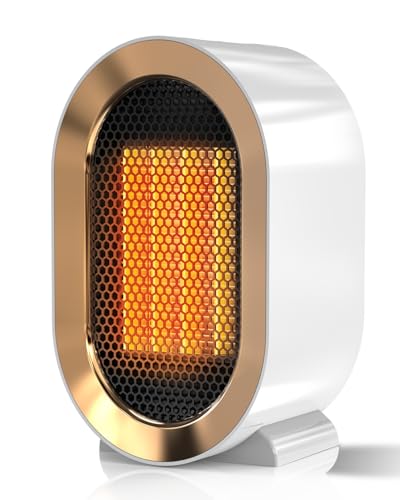
- BWP Score9.2
BWP Score is a ranking system developed by Bestwinterproducts.com. BWP score has no relationship or impact from any manufacturers or sales agent websites. Learn more
- BrandQQT

- BWP Score9.1
BWP Score is a ranking system developed by Bestwinterproducts.com. BWP score has no relationship or impact from any manufacturers or sales agent websites. Learn more
- BrandAmazon Basics
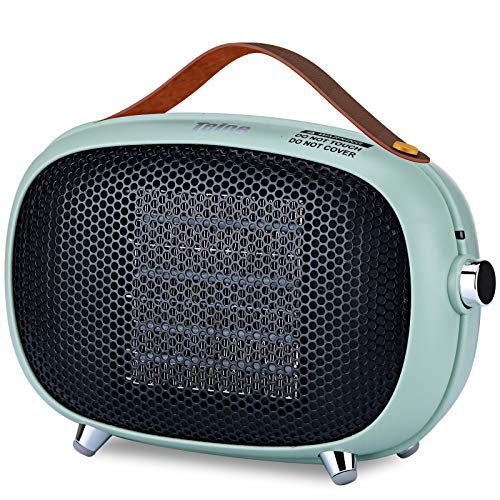
- BWP Score8.7
BWP Score is a ranking system developed by Bestwinterproducts.com. BWP score has no relationship or impact from any manufacturers or sales agent websites. Learn more
- BrandTeioe

- BWP Score7.6
BWP Score is a ranking system developed by Bestwinterproducts.com. BWP score has no relationship or impact from any manufacturers or sales agent websites. Learn more
- BrandPereysi
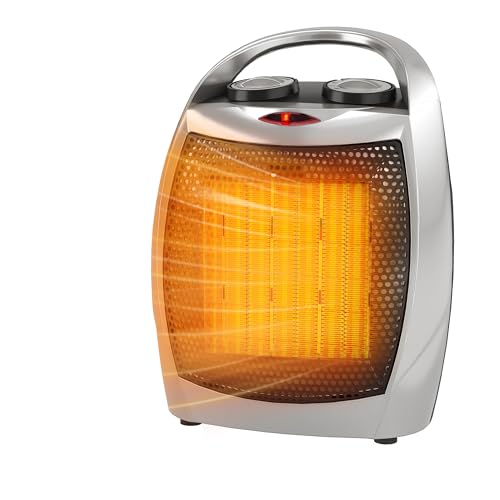
- BWP Score7.5
BWP Score is a ranking system developed by Bestwinterproducts.com. BWP score has no relationship or impact from any manufacturers or sales agent websites. Learn more
- BrandTakywep
Last update on 2026-10-11 / Affiliate links / Images, Product Titles, and Product Highlights from Amazon Product Advertising API
FAQs
Can I leave a portable ceramic heater running while I sleep?
It is safest to run the heater to warm your bedroom before getting into bed, then turn it off while you sleep. If you must run a heater overnight, make sure it has an automatic thermostat, tip-over protection, and an overheat shutoff. Keep the unit placed at least 3 feet away from all blankets, pillows, and curtains on a level, hard floor, and never power it through an extension cord.
Do ceramic portable heaters dry out the air in a room?
Electric ceramic heaters do not burn fuel or consume moisture directly from the air, but raising the temperature of any room naturally reduces its relative humidity. The fast fan can also blow warm air directly across your face, which can cause dry skin or irritate your sinuses. Placing the heater a few feet away from your body and drinking plenty of water prevents that dried-out feeling.
Why does my ceramic heater turn off after running for just a few minutes?
A ceramic heater usually shuts down quickly for one of three reasons. The built-in thermostat may have sensed that the surrounding air reached your target temperature, prompting it to cycle off normally. The heater might also be resting on a thick, plush rug that fails to press the bottom tip-over pin flat, or the air filter may be clogged with lint, triggering the internal overheat sensor to prevent damage.
Will running a 1500-watt ceramic heater trip my home circuit breaker?
A standard 1,500-watt electric heater pulls roughly 12.5 amps of electrical current on a standard 120-volt household circuit. Most residential bedroom and office circuits are rated for 15 amps total, leaving very little spare capacity. If you run the heater on high while operating a hair dryer, coffee maker, or computer printer on the same circuit, the breaker will trip, so running the heater on its 750-watt low setting is best when sharing electrical outlets.


Best Warm Winter Scarves 2026 For Cozy Comfort

Best Green Ski Goggles 2026 For Clear Vision On Slopes

12 Best Corner Electric Fireplace 2026: My Ultimate Guide To Pick One

Best Battery Powered Snow Blower 2026 For Effortless Snow Clearing

Best Ski Goggles Under 30 Inches For Crisp Vision And Comfort

Best Cooling Scarf 2026 For Instant Relief And Comfort

Fake Snow for Grass: Create a Realistic Winter Lawn Display

Dimplex Prism Wall Mount Fireplace: Sleek Heat With Modern Flame Style





