
What Are the Advantages of a Portable Heater?

They warm the person, not the house. Instead of cranking up central heat for empty rooms, a small unit delivers targeted zone heating right where you sit. You get nearly instant warmth without waiting on a slow furnace or dealing with complicated installation.
Those benefits only hold up under the right conditions. A portable heater works best when warming a single chilly spot, but trying to heat a whole home will drive up your electric bill. Real savings also depend on your daily run time, local power rates, and plugging directly into a clear wall outlet. Here is what to expect so you can keep your room comfortable without wasting money or causing hazards.
Targeted Zone Heating: Warming Only the Room You Use
The greatest advantage of a portable heater is targeted zone heating, which means warming only the occupied room instead of heating your entire house. Central heating systems push warm air through extensive duct networks. Along the way, heat escapes into uninsulated crawl spaces, empty guest rooms, closed-off hallways, and high ceilings. You end up paying to heat thousands of cubic feet of air that nobody is breathing.
Zone heating flips that dynamic. If you spend eight hours sitting at a desk in your home office, you do not need the kitchen, dining room, and basement heated to 72 degrees Fahrenheit. Running a compact space heater right where you sit lets you keep your personal bubble comfortable while letting the rest of the house stay cooler. A general rule of thumb for electric heat is roughly 10 watts of power for every square foot of floor space. That means a small unit can easily handle an individual room or private workspace without wasting energy on empty square footage.
This targeted approach works just as well in the evening. Moving your heat source into the living room allows you to relax on the couch in comfort without forcing your central furnace to work overtime. By warming the person rather than the architecture, you cut out massive amounts of standby heat loss.
Instant Warmth: How Quickly a Portable Heater Cuts the Chill
Central heating takes time to build up steam. When you turn up a central thermostat, the furnace must ignite, warm up the heat exchanger, and slowly push air through cold sheet metal ducts before warm air finally reaches your register vents. That process often takes thirty to forty-five minutes before you feel any noticeable difference in room temperature.
Portable heaters deliver fast, direct relief. Most modern portable units rely on a ceramic heating element that warms up in seconds. These ceramic stones conduct electricity efficiently and shed intense warmth into the air almost the moment you flip the power switch. An internal fan that pushes warm air across the room immediately directs that warm breeze straight toward your hands, feet, or body.
This quick delivery makes a portable unit invaluable during morning routines when you first crawl out of bed or step into a brisk home office. It also solves stubborn cold spots caused by poor building insulation, drafty window frames, or high ceilings. If you have an unheated enclosed patio or sunroom, using a dedicated heater to warm drafty spaces can quickly take the bite out of the air so you can enjoy the room in winter without waiting for central ducts to catch up.
Central Heat Versus Space Heaters: Managing Your Electric Bill
Many people worry that plugging in an electric heater will cause their monthly power bill to skyrocket. Electric heaters do draw significant power, but using them strategically can actually lower your overall winter heating expenses. The secret lies in pairing your portable heater with a lower central thermostat setting.
Standard portable electric heaters in the United States draw up to 1,500 watts on their highest setting. Wattage is simply the rate of electric power draw. On a standard 120-volt household circuit, a 1,500-watt heater draws about 12.5 amps of electrical current. If you run that heater at full blast for one continuous hour, it consumes 1.5 kilowatt-hours of electricity. You can look at your monthly utility statement to find your local electric rate per kilowatt-hour and calculate the exact hourly running cost.
Where the real financial savings happen is the central thermostat setback. Lowering your whole-house central thermostat by five to eight degrees can reduce your central heating fuel consumption by ten percent or more. While your central furnace or heat pump rests, you spend only a few cents an hour running a small space heater in the one room you occupy. Many personal heaters feature lower power levels, such as 500 watts or 900 watts. Running a low 500-watt setting while sitting at your desk uses a third of the energy of a full-size unit, keeping your work area toasty for pennies a day.
Problems arise only when you misuse portable heaters. Trying to heat an entire drafty house with multiple portable electric units running at maximum output will drive your electric bill through the roof. Portable heaters are supplemental tools. When used to support a set-back central system, they keep your living zone warm while trimming overall fuel usage.
Room-to-Room Mobility: One Heater for Multiple Spaces
Permanent heating equipment locks you into a fixed layout. If your furnace duct has weak airflow in the northwest bedroom, fixing that issue permanently requires expensive duct modifications, drywall repairs, or hiring an HVAC contractor. A portable heater eliminates those hurdles because it goes wherever you go.
Most compact personal heaters weigh between one and three pounds, making them light enough to pick up with one hand. Their compact footprints take up very little surface area on a desk, end table, or floor. You can set the unit next to your chair while sipping coffee in the morning, carry it to your workstation at nine, and move it to your bedside table at night. Renters benefit especially from this mobility. You do not need landlord approval or permanent modifications to stay comfortable in a poorly insulated rental apartment.
This flexibility also extends far beyond traditional bedrooms. You can take a lightweight unit into an unheated hobby room, a basement sewing corner, or a garage workshop. For spaces like home workshops where you only need warmth at the workbench, choosing a specialized heater for a garage with a thermostat delivers comfortable working conditions without paying to condition the entire structure. That same portability makes compact units popular for campers and mobile living setups, where a low-wattage portable heater for van life provides reliable warmth without draining batteries or crowding narrow living quarters.
How to Set Up and Run a Portable Heater Safely
Safety fears keep many homeowners from enjoying the advantages of supplemental heat. Portable space heaters generate intense warmth from a small package, so following correct placement and electrical habits is essential to keep your home safe.
- Check the power cord and plug prongs for any visible wear or damage. Inspecting the rubber cord and outlet prongs ensures the wiring is completely intact, because frayed insulation or bent prongs cause electrical resistance that can spark fires.
- Plug the heater directly into an uncrowded wall outlet. Connecting directly to the wall is vital because extension cords and power strips are not rated for a sustained 12.5-amp power draw, which causes light-duty cords to melt, scorch wall plates, and trigger short circuits.
- Establish a 3-foot safety buffer around the entire unit. Maintaining at least 36 inches of clear space keeps bedding, drapes, blankets, paper, and upholstered furniture far enough away to avoid reaching dangerous ignition temperatures.
- Place the unit on a flat, firm, and level surface. Setting the heater on hard flooring or a sturdy desk prevents it from rocking or falling over, and keeps plush carpet fibers from blocking the bottom air intake vents.
- Verify the operation of built-in safety cutoff devices. A quick manual check ensures the tip-over safety switch that cuts power instantly if the unit is knocked over or tilted shuts the machine off, while checking the exterior grilles for lint ensures the automatic overheat sensor that shuts the unit off if internal parts get dangerously hot functions without obstruction.
- Turn off and unplug the unit whenever you leave the room or go to sleep. Shutting off unattended heating elements removes the hazard of a fallen item, stray pet, or shifting blanket causing a fire while you are not there to monitor the space.
Choosing the Right Portable Heater for Your Space
Finding a heater that fits your routine comes down to matching the heating element, power settings, and controls to the physical space you want to warm. You do not need an oversized, power-hungry machine to warm a single person.
First, evaluate the physical dimensions and heat output. For under-desk foot warming or tabletop use, a compact mini heater rated at roughly 500 watts provides plenty of direct warmth without taking up valuable work surface or overloading your room circuit. If you want to warm an entire closed bedroom up to 150 square feet, look for a heater offering multiple heat settings, such as a 900-watt low mode and a 1,500-watt high mode. Having adjustable power levels lets you switch between aggressive warm-up power and quiet, low-energy maintenance.
Second, check the sound profile and controls. If you work on phone calls or want warmth while reading, select a unit with a quiet fan that operates around 40 decibels, which sounds like a gentle household hum. Built-in adjustable thermostats help keep the room comfortable by automatically cycling the heating element on and off to maintain a steady temperature. Finally, inspect the manufacturer markings to ensure the unit carries a recognized safety certification mark, such as UL, ETL, or CSA, confirming the internal components meet strict household electrical standards.

- BWP Score9.6
BWP Score is a ranking system developed by Bestwinterproducts.com. BWP score has no relationship or impact from any manufacturers or sales agent websites. Learn more
- BrandAmazon Basics

- BWP Score7.2
BWP Score is a ranking system developed by Bestwinterproducts.com. BWP score has no relationship or impact from any manufacturers or sales agent websites. Learn more
- BrandAmazon Basics
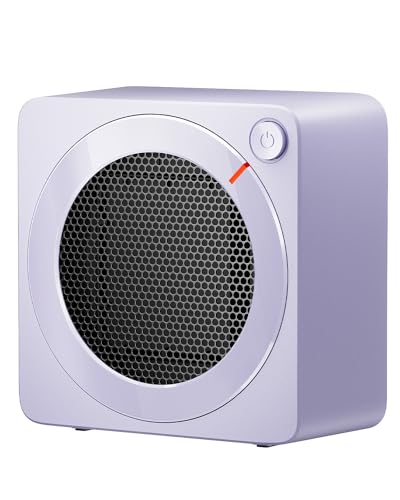
- BWP Score9.5
BWP Score is a ranking system developed by Bestwinterproducts.com. BWP score has no relationship or impact from any manufacturers or sales agent websites. Learn more
- BrandGaiatop

- BWP Score9.4
BWP Score is a ranking system developed by Bestwinterproducts.com. BWP score has no relationship or impact from any manufacturers or sales agent websites. Learn more
- BrandBZGG

- BWP Score8.1
BWP Score is a ranking system developed by Bestwinterproducts.com. BWP score has no relationship or impact from any manufacturers or sales agent websites. Learn more
- BrandGaiatop

- BWP Score7.4
BWP Score is a ranking system developed by Bestwinterproducts.com. BWP score has no relationship or impact from any manufacturers or sales agent websites. Learn more
- BrandAmazon Basics
Last update on 2026-10-09 / Affiliate links / Images, Product Titles, and Product Highlights from Amazon Product Advertising API
Frequently Asked Questions
Can a portable heater really help lower my heating bill?
Yes, but only if you use it for targeted zone heating while turning down your central thermostat. Lowering your main house temperature by several degrees saves substantial furnace fuel. Running a single portable heater in the room you occupy uses far less energy than pushing central heat through an entire home.
Will running a portable heater trip my household circuit breakers?
A portable heater can trip a breaker if it shares an electrical circuit with other power-hungry appliances. A 1,500-watt heater draws roughly 12.5 amps on its highest setting, which uses most of the capacity on a standard 15-amp household circuit. To prevent trips, plug the heater into its own wall outlet and avoid running hair dryers, vacuums, or microwave ovens on the same circuit at the same time.
How fast does a portable space heater warm up a cold room?
Most portable ceramic heaters produce noticeable heat within seconds of being turned on. A fan-forced unit delivers immediate warmth to anyone sitting directly in front of the airflow. Warming the ambient air of a closed 150-square-foot room generally takes fifteen to thirty minutes, depending on the ceiling height and how well the walls and windows are insulated.
What should I do if my wall outlet feels hot while running a heater?
Turn the heater off immediately and unplug the cord from the wall. A warm or hot wall outlet indicates loose internal wiring, worn socket contacts, or electrical overloading. Stop using that specific outlet and have a licensed electrician inspect the receptacle before plugging any other appliances into it.


Best Warm Winter Scarves 2026 For Cozy Comfort

Best Green Ski Goggles 2026 For Clear Vision On Slopes

12 Best Corner Electric Fireplace 2026: My Ultimate Guide To Pick One

Best Battery Powered Snow Blower 2026 For Effortless Snow Clearing

Best Ski Goggles Under 30 Inches For Crisp Vision And Comfort

Best Cooling Scarf 2026 For Instant Relief And Comfort

Fake Snow for Grass: Create a Realistic Winter Lawn Display

Dimplex Prism Wall Mount Fireplace: Sleek Heat With Modern Flame Style





