
What Are the Advantages of a Radiant Heater?

Radiant heaters deliver instant, silent warmth directly to your body instead of wasting power trying to heat all the air in a room. That direct heat only works while you stay in an open, unblocked path in front of the heater. It feels like stepping into bright sunshine, warming your skin immediately even if the surrounding air remains brisk. Because there is no fan blowing air around, chilly drafts cannot sweep that warmth away from your chair.
Whether this style fits your home depends on your space and how you use it. A radiant heater works best in drafty garages, chilly desks, or rooms with high ceilings where warm air quickly floats away and disappears. But if you want to warm an entire room for people moving around, a standard air heater makes more sense. Here is how direct heating works and how to decide if it solves your cold room problem.
Radiant heat warms your body directly like gentle sunlight
A radiant heater works on the exact same principle as the sun warming your face on a crisp autumn morning. When you step out of the shade into direct sunlight, your skin and clothes immediately feel warm, even if the surrounding air stays chilly. Radiant heaters do not waste energy trying to warm up thousands of cubic feet of empty air. Instead, they produce invisible infrared heat waves that travel straight outward until they strike a solid object, such as your body, your desk, or your favorite armchair.
This method of heat transfer relies on an open line-of-sight, which simply means an unblocked, straight path between you and the heater. If you can see the glowing heating element, the radiant waves can reach you. When those waves hit your skin or clothes, the materials absorb the heat directly. If you place an obstacle in the way, like an office chair or a cardboard box, that obstacle absorbs the warmth while leaving you sitting in a thermal shadow.
Because radiant energy warms objects rather than the air mass, it completely bypasses the normal behavior of indoor air currents. Warm air naturally expands, becomes lighter, and rises straight toward the ceiling. In a home with tall ceilings or an uninsulated garage, a standard heater that warms the air ends up packing all its expensive heat high above your head where you never feel it. A radiant heater keeps the heat focused down low, aimed directly at where you sit, work, or relax.
Five practical advantages make radiant heaters stand out
Radiant heaters solve very specific heating challenges that leave other space heaters struggling. When you want fast, targeted comfort without disturbing the rest of the room, radiant units offer several distinct benefits over traditional blowers.
Instant warmth with zero waiting time
Standard room heaters can take twenty to forty minutes to churn room air and raise the ambient temperature. When you sit down in a freezing basement office at eight in the morning, waiting for the entire room to warm up is frustrating. Radiant models start warming you the second you flip the switch. Quartz tubes and radiant wire elements begin casting noticeable warmth across your body in just one second, giving you instant relief while the rest of the space remains cold.
Completely silent operation
Most portable electric heaters rely on a motorized fan that pushes warm air across the room. That spinning fan motor creates a constant whirring hum that can disrupt phone calls, wake light sleepers, or interfere with television audio. Radiant heaters produce warmth without any moving blower parts. They operate in total silence, making them a great fit for quiet home offices, bedrooms, and study spaces where fan noise creates an unwanted distraction.
Cleaner indoor air for sensitive lungs
Fan-forced heaters continuously pull air off the floor, run it over hot heating elements, and blow it across the room. That constant air movement stirs up settled pet dander, dust mites, and carpet fibers, while also scorching tiny dust particles against the hot coils. This process dries out your nasal passages and can trigger coughing or itchy eyes. Radiant units do not push air at all. The air in your room stays still and holds its natural humidity, providing gentle warmth without irritating your sinuses or aggravating winter allergies.
Reliable warmth that drafts cannot blow away
Drafty rooms are notorious for swallowing heat. When an ordinary space heater warms the air near a leaky window, an open garage door, or a drafty hallway, the cold incoming air simply pushes that warm pocket away. Radiant heat waves cut straight through moving breezes. Even if a chilly draft blows across your ankles, the direct infrared energy aimed at your torso and legs continues to keep you comfortable. If you are struggling with cold drafts in an unheated sunroom or enclosed patio, choosing the best heater for an enclosed porch can help you counter constant cold air leaks.
Lower electric bills through personal spot warming
Cranking your central thermostat up to warm an entire house just because you feel cold at your desk burns through expensive gas or electricity. A radiant heater allows you to practice zone heating. You can lower the central thermostat for the whole house to 65 degrees Fahrenheit, place a compact radiant unit a few feet from your chair, and stay perfectly comfortable. Running a small heater at a 750-watt power level, or using a flat under-desk radiant panel drawing just 170 watts, costs a fraction of what it takes to heat empty rooms and hallways.
Radiant heaters outperform blowing fans in chilly open rooms
Choosing between a radiant heater and a convection fan heater comes down to the size of your space and how well it holds heat. Convection heaters work by drawing cold air in, heating it over a metal or ceramic element, and blowing that hot air out into the room. This process works well in small, well-insulated rooms with closed doors and standard eight-foot ceilings, because the circulating warm air eventually brings the entire room to an even temperature.
In large, open, or drafty areas, convection heaters fail quickly. In an open garage, a concrete basement, or a workshop, cold masonry surfaces constantly absorb heat from the air. A convection heater will run non-stop at its highest setting, yet you will still feel freezing because the rising warm air drifts straight to the ceiling and leaves the floor cold. If you need steady warmth while working on tools or projects, reading up on the best electric heater for garage with thermostat can help you evaluate whether a directional radiant unit or a heavy-duty blower fits your workshop layout.
Every standard electric resistance space heater converts electricity into heat at the exact same rate. In the United States, a heater running at 1,500 watts of electrical power draw produces roughly 5,120 British Thermal Units (BTU) of heat. The difference between radiant and convection is not how much heat the unit makes, but where that heat actually goes. A fan heater scatters those 5,120 BTUs across the entire cubic volume of the room. A radiant heater focuses that same thermal energy directly onto your body, keeping you warm with far less wasted energy.
Radiant heaters are the wrong choice for whole-room heating
While radiant heating excels at personal comfort, it is not the right tool for every situation. Understanding the limitations of directional infrared heat will save you from buying a heater that fails to meet your expectations.
- Whole-room group gatherings: A radiant heater only warms objects in its direct line-of-sight. If you have several family members scattered across a large living room, only the person sitting directly in front of the heater will feel warm, while everyone else stays cold.
- Rooms with blocked sight lines: If you place a radiant heater behind a couch, under a solid wooden desk, or behind a coffee table, the furniture blocks the heat rays. The wooden surface will get warm, but your body will not receive any direct heat.
- The front-and-back temperature split: Sitting in front of a radiant heater can sometimes feel like sitting around a campfire. Your chest and knees facing the glowing element may feel very warm, while your back facing the rest of the cold room remains chilly.
- Light-sensitive sleeping environments: Most radiant quartz elements and wire element heaters glow with an amber or orange light when operating. If you need a pitch-black room to sleep soundly, that visible glow can be bothersome.
- Unattended heating for pets: Because radiant elements operate at high surface temperatures, leaving one running unattended near active pets or small children poses a burn hazard if they brush against the protective grille.
Keep three feet of clearance around glowing heating elements
Radiant heaters generate intense surface heat to project infrared rays outward. Because their internal quartz tubes and wire elements get red-hot, safe operation requires careful placement and attention to household electrical limits.
- Maintain the three-foot safety buffer: Always keep a clear space of at least three feet (36 inches) around the front, sides, and top of the heater. Keep blankets, throw pillows, curtains, paperwork, clothing, and upholstered chairs outside this three-foot perimeter to eliminate fire hazards.
- Check for essential automatic safety switches: Never operate a radiant heater that lacks a built-in tip-over safety switch that cuts power instantly if the unit is knocked over or tilted. You also want an automatic overheat sensor that shuts the unit off if internal parts get dangerously hot due to blocked airflow.
- Inspect the housing and base: Place the heater on a firm, level, non-flammable floor surface. Look for models with a sturdy metal housing or a stay-cool outer cabinet with a built-in carry handle so you can safely move the unit after it cools down.
- Plug directly into a dedicated wall outlet: In US homes, a portable heater drawing 1,500 watts pulls about 12.5 amps on a standard 120-volt circuit. Because most household circuits are rated for 15 amps, plug the heater directly into an outlet without any other high-draw appliances running on that same circuit.
- Never use extension cords or power strips: Cords on power strips and standard extension cables are rarely thick enough to carry a steady 12.5-amp electrical load. They can overheat quickly, melt their plastic insulation, and spark an electrical fire.
- Inspect the outlet for excess heat: After the heater runs for twenty minutes, safely touch the wall plug and the plastic faceplate. If the outlet feels unusually hot to the touch, or if your home circuit breaker trips repeatedly, turn the heater off, unplug it, and consult a licensed electrician to inspect your wiring.
Choose targeted radiant heaters with solid safety shutoffs
Finding the right radiant heater comes down to matching the heating element style and power settings to your exact spot. For targeted desk use, compact radiant dish heaters or slim under-desk panels provide gentle personal warmth without overloading shared office circuits. If you need supplemental heat for a cold garage workbench or a drafty basement corner, look for a sturdy floor unit with dual quartz elements or heavy-duty wire elements housed in an all-metal body.
Always verify the available power levels before you buy. Having two heat settings, such as a 750-watt low mode and a 1,500-watt high mode, gives you the flexibility to take the initial chill off a cold spot quickly and then dial back the power draw to maintain comfortable warmth. Look for an adjustable thermostat dial that clicks on and off to hold your set warmth without overheating your personal space. Finally, check the product label to ensure the heater carries a recognized US safety listing, such as an ETL or UL mark, confirming that its tip-over switch and thermal cutoff mechanisms meet national electrical safety standards.

- BWP Score9.2
BWP Score is a ranking system developed by Bestwinterproducts.com. BWP score has no relationship or impact from any manufacturers or sales agent websites. Learn more
- BrandComfort Glow

- BWP Score8.6
BWP Score is a ranking system developed by Bestwinterproducts.com. BWP score has no relationship or impact from any manufacturers or sales agent websites. Learn more
- Brandshinic

- BWP Score8.6
BWP Score is a ranking system developed by Bestwinterproducts.com. BWP score has no relationship or impact from any manufacturers or sales agent websites. Learn more
- Brandshinic

- BWP Score7.8
BWP Score is a ranking system developed by Bestwinterproducts.com. BWP score has no relationship or impact from any manufacturers or sales agent websites. Learn more
- BrandBLACK+DECKER

- BWP Score7.2
BWP Score is a ranking system developed by Bestwinterproducts.com. BWP score has no relationship or impact from any manufacturers or sales agent websites. Learn more
- BrandCOMFORT ZONE

- BWP Score9.4
BWP Score is a ranking system developed by Bestwinterproducts.com. BWP score has no relationship or impact from any manufacturers or sales agent websites. Learn more
- BrandEZ-HEAT
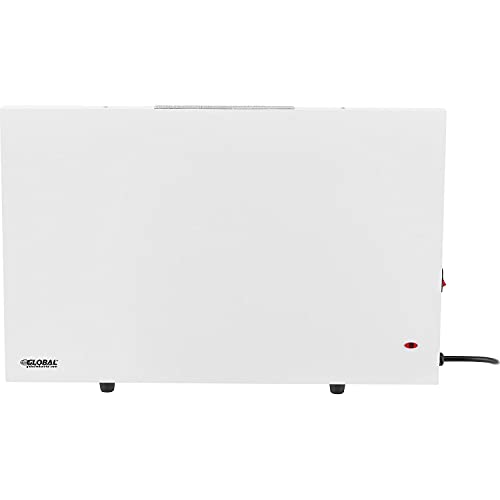
- BWP Score8.0
BWP Score is a ranking system developed by Bestwinterproducts.com. BWP score has no relationship or impact from any manufacturers or sales agent websites. Learn more
- BrandGlobal Industrial
Last update on 2026-10-06 / Affiliate links / Images, Product Titles, and Product Highlights from Amazon Product Advertising API


Best Warm Winter Scarves 2026 For Cozy Comfort

Best Green Ski Goggles 2026 For Clear Vision On Slopes

12 Best Corner Electric Fireplace 2026: My Ultimate Guide To Pick One

Best Battery Powered Snow Blower 2026 For Effortless Snow Clearing

Best Ski Goggles Under 30 Inches For Crisp Vision And Comfort

Best Cooling Scarf 2026 For Instant Relief And Comfort

Fake Snow for Grass: Create a Realistic Winter Lawn Display

Dimplex Prism Wall Mount Fireplace: Sleek Heat With Modern Flame Style





