
What Are the Advantages of an Infrared Portable Heater?

An infrared portable heater creates quick comfort by warming your body and furniture directly, giving off the gentle feel of sunlight without drying out the room. That instant warmth only helps if there is an open, clear line between the heater and where you sit. Instead of wasting electricity to blow hot air that rises straight to the ceiling, these compact heaters focus on heating you where you actually rest or work.
Whether this style of heating fits your routine comes down to your space. Rooms with high ceilings, leaky window frames, or cold garage floors get the most out of radiant warmth because drafts cannot blow it away. However, anyone trying to heat a whole crowd across a large living area may feel left in the cold. Here is how these portable units work, the main perks they offer, and what to keep in mind before plugging one in.
How Infrared Heat Works Compared to Blowing Hot Air
Most standard space heaters warm a room through convection, using a fan that pushes warm air across the room. The heater pulls in cold floor air, blows it across an electric wire coil, and pushes it back out. Because hot air is lighter than cold air, it floats straight up to the ceiling. If you are sitting on your sofa or working at a desk, your feet stay chilly while the ceiling stays warm.
An infrared portable heater works in an entirely different way by using radiant heat. Radiant heat is gentle heat that warms people and furniture directly like sunlight, without relying on circulating air. Instead of heating the air itself, the unit sends out invisible light waves. These light waves travel quietly across the room in straight lines without losing their energy to the open air. When those rays strike a solid object, such as your clothing, your skin, your desk, or your armchair, that object absorbs the warmth immediately.
You can picture this difference by thinking about stepping outdoors on a crisp autumn day. If you stand in the shade behind a building, the chilly air makes you shiver. But the second you step into direct sunlight, your jacket and face feel warm right away. The outdoor air temperature did not change by a single degree. The direct light rays simply transferred their warmth straight to your body. That natural process is how an infrared portable heater keeps you comfortable, even in spaces where standard fan heaters struggle.
Five Steps to Check If an Infrared Heater Fits Your Space
Before you choose a radiant heater for your home, run through these five quick checks to confirm it matches your room layout and daily habits.
- Check your direct line of sight. Look from where the heater will sit across to where you normally sit or sleep. Reason: Infrared warmth travels in straight radiant waves, so solid furniture, tall tables, or storage boxes will block the heat from reaching your body.
- Check your ceiling height and room drafts. Look up at your ceiling and notice whether chilly breezes leak around your baseboards or windows. Reason: High ceilings and drafty corners cause blown hot air to rise and escape, whereas radiant waves warm your body directly without getting swept away.
- Check your wall outlet and electrical circuit. Locate the exact 120-volt wall outlet you plan to use and confirm nothing else heavy shares that circuit breaker. Reason: Portable electric heaters draw up to 1,500 watts, which is around 12.5 amps, so you must plug directly into a dedicated wall outlet without power strips or extension cords to avoid melted plugs and fire hazards.
- Check for a three-foot safety buffer. Measure at least 36 inches of empty floor space on all sides of the heater. Reason: Keeping a three-foot clear zone away from drapes, blankets, sofas, and pets prevents surface scorching and lets the warmth beam across the room safely.
- Check your heating goal for the room. Decide whether you want fast, personal warmth while sitting down or if you want to raise the general thermometer reading across an entire open layout. Reason: Infrared heaters provide immediate personal comfort for the person sitting in front of them, but they do not circulate high-volume hot air into distant adjoining rooms.
Instant Spot Warmth and Better Resistance to Drafts
One of the greatest frustrations with a standard fan heater is the long wait for comfort. A traditional convection unit has to push hot air around for twenty to thirty minutes before you begin to feel the room temperature budge. During that warm-up time, you sit shivering while the unit hums loudly and slowly builds up a layer of warmth near the upper walls.
An infrared portable heater delivers warmth the second you flip the power switch. The quartz tubes or ceramic heating elements produce radiant light waves almost instantly. Because those rays travel directly to you, your hands, feet, and chest warm up within seconds. You do not have to wait for hundreds of cubic feet of cold air to heat up before you feel comfortable.
This direct warmth makes infrared heaters especially effective in cold, leaky spaces. If you spend time in a drafty sunroom or need an effective heater for an enclosed porch, blowing hot air often fails because chilly breezes sweep the heat away before you feel it. Radiant waves cut right through drafts because air movement cannot blow light waves off course. If you are working in a cold workshop or setting up an electric heater for a garage with a thermostat, an infrared unit warms your clothes, your workbench, and your body without wasting energy trying to heat massive drafts of chilly air.
Breathing Easier with Gentle Humidity and Less Dust
Winter heating often brings dry, scratchy air that irritates your eyes, throat, and skin. Standard space heaters push air across glowing metal resistance wires that reach intense temperatures. As cold room air rushes over these scorching coils, the heat robs moisture from the air. This rapid drying effect leaves indoor air feeling harsh, causing dry sinuses, morning nosebleeds, and irritated skin.
Infrared heaters work at a gentler surface temperature and do not burn up the moisture in the room. Because they warm solid objects instead of baking the air itself, the relative humidity in your living space remains much more stable. Your breathing passages stay comfortable, and your skin does not feel tight or itchy after sitting near the heater for an afternoon. Some infrared models even include a built-in cool-mist ultrasonic humidifier, which actively restores soothing moisture while keeping you warm.
Air quality also benefits from how infrared units move heat. Convection heaters rely on fast-spinning blower fans that act like indoor leaf blowers. They constantly suck up dust, pet dander, and carpet allergens from your floor and blast them directly into the air you breathe. Infrared heaters generate heat with very gentle airflow or silent radiant panels. Dust stays settled on the floor, allowing you to breathe clean, quiet air while working or sleeping.
Lower Power Use Through Smart Zone Heating
Central heating systems waste money every winter. When you feel chilly in your home office, turning up the central thermostat forces your furnace to heat every empty bedroom and hallway in the house. You burn expensive fuel just to keep a single chair warm.
Zone heating solves this waste by warming only the single room you are using. With a portable infrared heater, you can turn your central thermostat down to 62 or 65 degrees and keep the heater right next to your desk or favorite armchair. Running a single 1,500-watt electric heater in the room you occupy uses roughly 1.5 kilowatt-hours of power per hour on its highest setting. That targeted approach lets you stay comfortably warm while saving money on your monthly heating bill.
Infrared heat also offers an advantage called thermal mass. When radiant light waves hit your furniture, walls, hardwood floors, and rugs, those solid items soak up the heat energy like sponges. Once warmed, these objects slowly radiate that warmth back out into the room. Even after the heater clicks off, your room stays cozy because the furniture continues releasing stored heat. Convection heat, by contrast, disappears quickly the moment a door opens or the fan stops spinning.
Key Limitations to Keep in Mind Before You Buy
While infrared portable heaters offer outstanding comfort, they are not ideal for every situation. Knowing where radiant heat struggles will help you make the right choice for your room.
The biggest limitation is the need for an open line of sight. Because infrared travels like visible light, anything placed between you and the heater casts a heat shadow. If you place a portable unit on the floor across the room and put a solid coffee table or desk between you and the heater, your upper body will feel cool while only the front of the table gets warm. You must position the heater so the front grille points directly at your body.
Infrared heaters also do not change the reading on your wall thermometer as quickly as forced-air systems. If you walk into a freezing room and want the air temperature itself to read seventy degrees on the wall, a radiant heater will feel slow. It warms people, floors, and furniture first, and the ambient air only warms up as those solid objects release their stored heat.
Finally, infrared cabinet heaters are generally larger and heavier than tiny plastic fan heaters. Many quality models weigh fifteen to twenty-five pounds because they contain heavy quartz elements, internal heat exchangers, and sturdy outer cabinets. Choosing a model with smooth-rolling caster wheels ensures you can move it across rugs and hard floors without straining your back.
What to Look for in a Portable Infrared Heater
When shopping for a portable infrared heater, look for solid build quality, smooth mobility, and certified safety controls. The best designs use durable quartz tubes or ceramic heating elements inside a sturdy cabinet that stays cool to the touch on the outside. This outer cabinet keeps children and pets safe from burns. Sturdy caster wheels and side handles make it easy to roll the unit from your living room to your bedside at night.
Safety controls should always come first on any portable space heater. Verify that the unit includes a tip-over safety switch that cuts power instantly if the heater is knocked over or tilted off balance. Look for an automatic overheat sensor that shuts the unit off if internal parts get dangerously hot. A digital temperature dial that clicks on and off will help you hold your desired comfort level without wasting electricity. Before buying, check the manufacturer label for a recognized safety certification mark, such as UL or ETL, to ensure the heater meets strict electrical safety standards.

- BWP Score9.6
BWP Score is a ranking system developed by Bestwinterproducts.com. BWP score has no relationship or impact from any manufacturers or sales agent websites. Learn more
- BrandDR. INFRARED HEATER

- BWP Score9.1
BWP Score is a ranking system developed by Bestwinterproducts.com. BWP score has no relationship or impact from any manufacturers or sales agent websites. Learn more
- BrandDR. INFRARED HEATER

- BWP Score9.0
BWP Score is a ranking system developed by Bestwinterproducts.com. BWP score has no relationship or impact from any manufacturers or sales agent websites. Learn more
- BrandDR. INFRARED HEATER

- BWP Score8.8
BWP Score is a ranking system developed by Bestwinterproducts.com. BWP score has no relationship or impact from any manufacturers or sales agent websites. Learn more
- BrandDR. INFRARED HEATER

- BWP Score8.5
BWP Score is a ranking system developed by Bestwinterproducts.com. BWP score has no relationship or impact from any manufacturers or sales agent websites. Learn more
- BrandWEWARM
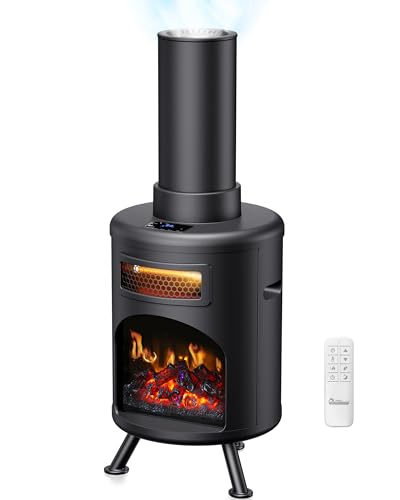
- BWP Score8.4
BWP Score is a ranking system developed by Bestwinterproducts.com. BWP score has no relationship or impact from any manufacturers or sales agent websites. Learn more
- BrandDR. INFRARED HEATER

- BWP Score8.2
BWP Score is a ranking system developed by Bestwinterproducts.com. BWP score has no relationship or impact from any manufacturers or sales agent websites. Learn more
- BrandDR. INFRARED HEATER

- BWP Score7.5
BWP Score is a ranking system developed by Bestwinterproducts.com. BWP score has no relationship or impact from any manufacturers or sales agent websites. Learn more
- BrandComfort Glow
Last update on 2026-10-08 / Affiliate links / Images, Product Titles, and Product Highlights from Amazon Product Advertising API
FAQs
Does an infrared heater dry out your skin and sinuses?
No, infrared heaters are much gentler on your breathing passages and skin than standard electric fan heaters. Because they warm people and objects directly with radiant light waves rather than roasting the air across red-hot coils, they preserve natural indoor humidity levels. You stay comfortably warm without waking up to dry eyes, a scratchy throat, or morning nosebleeds.
Can an infrared heater warm an entire room evenly?
Yes, but it warms the room from the ground up rather than from the ceiling down. The radiant rays soak into your flooring, walls, and furniture, which gradually release that stored warmth into the surrounding air. This creates steady, even comfort near the floor where you sit, avoiding the cold floor drafts common with central heating.
Is it safe to run a portable infrared heater overnight while sleeping?
It is safe only if the heater has certified safety shutoffs and proper room clearance. Always maintain at least a three-foot buffer between the heater and all blankets, pillows, drapes, or bedside rugs. Make sure the unit has an automatic overheat sensor and a tip-over switch, and plug it directly into a wall outlet rather than an extension cord.
Why do you feel cold immediately after turning off an infrared heater?
Infrared rays stop transferring direct warmth to your skin the moment the heating element shuts off. If your room air is still chilly, your skin loses its surface warmth quickly once that radiant light beam disappears. While the furniture and walls around you stay warm for a while, your body notices the loss of direct rays right away.


Best Warm Winter Scarves 2026 For Cozy Comfort

Best Green Ski Goggles 2026 For Clear Vision On Slopes

12 Best Corner Electric Fireplace 2026: My Ultimate Guide To Pick One

Best Battery Powered Snow Blower 2026 For Effortless Snow Clearing

Best Ski Goggles Under 30 Inches For Crisp Vision And Comfort

Best Cooling Scarf 2026 For Instant Relief And Comfort

Fake Snow for Grass: Create a Realistic Winter Lawn Display

Dimplex Prism Wall Mount Fireplace: Sleek Heat With Modern Flame Style





