
Where Can You Use an Infrared Portable Heater?

Stand in the chilly space you want to warm and check for drafts around windows, doors, or cold floors. Taking that look matters because portable infrared heaters work best for direct spot heating in leaky rooms, home offices, uninsulated garages, and covered patios. Instead of wasting energy trying to heat moving air, they send steady rays straight to your body and furniture, creating instant warmth like stepping into a patch of sunshine.
Getting good results depends on your setup. Ray heat requires a completely clear path to your chair, meaning any table or partition between you and the unit blocks the warmth. Leaky spaces welcome this focused heat, but sealed rooms often warm more evenly with circulating air. Outdoor spaces also require weather-resistant housings to stay safe from moisture. Here is a closer look at where these heaters shine and where they fall short.
How Does Infrared Heat Actually Warm Your Space?
To understand where an infrared heater belongs, it helps to picture how the sun feels on a chilly spring morning. When you step out of the shade into direct sunlight, your skin and clothes immediately feel warm. The outdoor air did not suddenly heat up. Instead, the sun sent direct ray heat like sunlight through the atmosphere, warming your body on contact. When you step back under a porch awning into the shade, you feel the chill again right away.
A portable infrared heater works in that exact same way inside your home. Inside the unit, electrical current passes through a heating element, such as a glass heating bar (quartz tube) or a carbon bar. This element glows and projects invisible waves of radiant energy. These rays travel straight forward until they bump into solid objects, such as your body, your armchair, or the floor rug. The moment the rays hit those surfaces, the surfaces absorb the energy and warm up directly.
Most traditional space heaters work through convection, which is the process of circulating warm air. They use a fan to push warm air out into the room. Because warm air naturally floats, that heat rises straight toward the ceiling. In a drafty room or an area with tall ceilings, that warm air escapes through window frames or sits near the roof where you cannot feel it. An infrared heater skips warming the air entirely and beams comfort straight to you.
Because infrared travels like a beam of light, it requires a clear line of sight, meaning a straight, unblocked path to your body. If an ottoman, a desk drawer, or a stack of laundry sits between you and the heater, that object absorbs the warmth while you stay chilly. Understanding this direct path is the key to placing the heater in rooms where it actually works.
Where Does an Infrared Heater Work Best Indoors?
Because infrared heaters warm objects instead of air, they excel in rooms where standard fan heaters struggle. If your goal is to stay warm without running your central furnace all day, here are the best places to set up a portable unit:
- Dedicated home offices: If you work from home, turning up the central thermostat just to heat one room wastes money. Placing a compact personal tower three feet from your desk warms your legs, hands, and torso while you type. You stay comfortable for an eight-hour shift even if the rest of your home stays set to 65 degrees.
- Living rooms with high or vaulted ceilings: Rooms with tall ceilings are notoriously expensive to heat with circulating warm air because heat floats straight up to the rafters. An infrared heater placed near the sofa warms your family directly on the couch, keeping you cozy without wasting energy heating empty ceiling space.
- Drafty rooms in older houses: Leaky window frames and thin insulation create steady drafts that strip heat away from conventional fan heaters. An infrared heater keeps you warm because cold indoor drafts cannot blow radiant rays away before they reach you. This targeted heat is especially helpful when warming a room in a drafty house or finding a reliable heater for a mobile home with thin exterior walls.
- Bedrooms for zoned nighttime comfort: Running your main heating system all night to heat empty hallways and vacant rooms drives up winter utility bills. A quiet infrared heater in your bedroom beams warmth directly toward your bed, allowing you to lower the central thermostat overnight while sleeping comfortably.
- Finished basements with cold floors: Below-ground rooms often feel cold because foundation walls continuously absorb heat from the surrounding air. An infrared heater directly warms your sofa, coffee table, and area rugs, making a cold basement recreation room feel instantly comfortable.
Can You Use One in Garages, Workshops, or Patios?
Uninsulated outbuildings and covered outdoor spaces are where traditional space heaters fail most often. If you run a standard fan heater in a drafty garage, the warm air simply rises to the ceiling or slips out around the garage door seals. You can leave a fan heater running for hours on concrete, and your hands will still feel numb at your workbench.
Infrared heaters solve this problem because radiant heat cuts through moving cold air. When you point an infrared heater directly at your work area, the heat rays warm your jacket, your hands, and your metal tools directly. If you enjoy fixing cars or doing carpentry in the winter, using an electric heater for a garage gives you instant spot comfort without forcing you to insulate the entire building.
Covered outdoor patios and screened porches present the same challenge. Even a light autumn breeze will carry away warm air from a convection heater within seconds. Infrared rays ignore the breeze and heat your patio chairs and clothing just like sunshine. If you want to sit outdoors with a cup of coffee on crisp mornings, setting up a targeted heater for an enclosed porch extends your patio season late into the year.
Keep in mind that moisture and exposure matter. Never take a standard indoor heater out into damp garage corners or open patio rain. For semi-outdoor spaces, pick a unit built with weather-resistant housing and a grounded 3-prong cord designed to handle dust and damp air safely.
When Should You Pick a Regular Space Heater Instead?
Infrared heaters are exceptional tools for targeted warmth, but they are not the right solution for every room. Knowing their limits prevents you from buying a heater that leaves you disappointed.
If your goal is to heat the entire ambient air volume of a closed room evenly, an infrared heater will frustrate you. In an infrared-heated room, the air itself often remains cool. As soon as you step three feet away from the unit and out of the beam, you immediately feel the cold air of the room. If you want a nursery or a small guest room to feel uniformly warm from corner to corner, a fan heater or an oil-filled radiator is a much better choice.
Infrared heaters also struggle when multiple people are scattered across a large room. Because the unit relies on a straight, unblocked path to your body, it cannot warm people sitting on opposite sides of a room at the same time. A fan heater that circulates warm air fills the whole space over time, making it better suited for a busy family room where people walk around frequently.
Finally, avoid using infrared heaters in rooms crowded with tall furniture or visual obstacles. If an armchair, a storage chest, or an ironing board blocks the front of the heater, that object absorbs all the heat energy. The front of that furniture piece will get hot, but no warmth will reach you sitting across the room.
How Do You Place and Run an Infrared Heater Safely?
Portable heaters draw substantial electrical power and project concentrated surface heat. Positioning your unit correctly ensures you get steady comfort without tripping circuit breakers or creating fire hazards. Follow these steps whenever you set up your heater:
- Clear a straight path to your seat: Place the heater facing directly toward your chair, desk, or workbench. Make sure no footstools, coffee tables, or laundry hampers sit in the path between the front grille and your body.
- Maintain the 3-foot safety buffer: Keep the front, sides, and back of the heater at least 3 feet (36 inches) away from flammable items. This includes bedding, window curtains, upholstered furniture, cardboard boxes, and pet beds. The front grille of an infrared unit becomes extremely hot while running.
- Plug directly into a dedicated wall outlet: In standard US homes, a 1500-watt space heater draws around 12.5 amps on a standard 120-volt household circuit. Most household branch circuits have a 15-amp limit. Plugging into an extension cord, power strip, or surge protector can cause those cords to overheat, melt, and start a fire. Never share that same wall circuit with another high-draw appliance like a microwave, iron, or vacuum cleaner.
- Set the unit on a flat, level floor: Place the heater on a solid, level surface. Never balance a heater on a soft bed, an uneven sofa, or a wobbly side table where it could tip over. Verify that your unit includes a tip-over safety switch that cuts power instantly if the unit is knocked over or tilted.
- Turn it off before leaving: Always switch the heater off and unplug it from the wall when you leave the room or go to sleep. Touch the wall outlet faceplate occasionally while the heater runs; if the outlet feels hot or the breaker trips repeatedly, stop using that outlet immediately and call a licensed electrician.
What Should You Look for in an Infrared Heater?
Matching the heater design to your room setup ensures you get the right balance of warmth, safety, and convenience. Before making a final decision, look at these common configurations and features:
For home offices and desks, compact tower heaters work exceptionally well. They take up very little floor space and provide direct heat right where you sit. Look for models featuring an adjustable digital temperature dial that clicks on and off to hold your set warmth, along with a wide oscillation setting that sweeps the radiant beam across your entire desk area.
If you want direct warmth but also dislike sitting in cold ambient air, look for a hybrid heater. These units combine glass heating bars with a quiet internal fan and a ceramic heating element that warms up in seconds. This hybrid setup gives you the instant, sunshine-like comfort of radiant heat while gently circulating warm air to take the chill off the rest of the room.
For living rooms, furniture-style cabinet heaters blend nicely with wooden tables and home decor. Many of these larger units include quiet blowers and built-in humidifiers. Adding light moisture to the air helps combat dry winter skin and scratchy throats that often accompany cold weather.
Finally, always check the product label for recognized US safety marks such as UL or ETL. Make sure the unit includes an automatic overheat sensor that shuts the unit off if internal parts get dangerously hot, along with a reliable tip-over cutoff switch to protect homes with pets and young children.

- BWP Score9.1
BWP Score is a ranking system developed by Bestwinterproducts.com. BWP score has no relationship or impact from any manufacturers or sales agent websites. Learn more
- BrandDR. INFRARED HEATER

- BWP Score8.5
BWP Score is a ranking system developed by Bestwinterproducts.com. BWP score has no relationship or impact from any manufacturers or sales agent websites. Learn more
- BrandWEWARM

- BWP Score8.8
BWP Score is a ranking system developed by Bestwinterproducts.com. BWP score has no relationship or impact from any manufacturers or sales agent websites. Learn more
- BrandDR. INFRARED HEATER

- BWP Score8.2
BWP Score is a ranking system developed by Bestwinterproducts.com. BWP score has no relationship or impact from any manufacturers or sales agent websites. Learn more
- BrandBLACK+DECKER
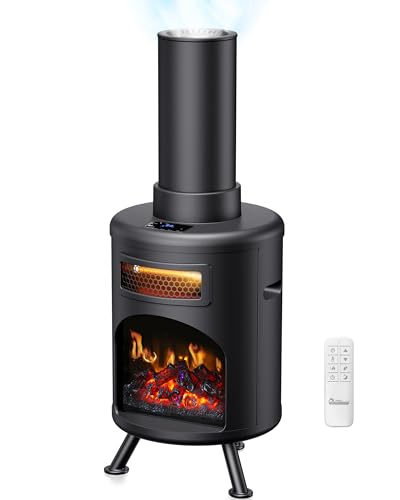
- BWP Score8.4
BWP Score is a ranking system developed by Bestwinterproducts.com. BWP score has no relationship or impact from any manufacturers or sales agent websites. Learn more
- BrandDR. INFRARED HEATER
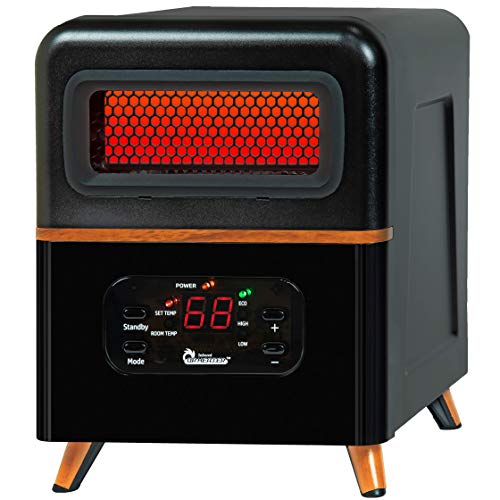
- BWP Score7.9
BWP Score is a ranking system developed by Bestwinterproducts.com. BWP score has no relationship or impact from any manufacturers or sales agent websites. Learn more
- BrandDR. INFRARED HEATER
Last update on 2026-10-11 / Affiliate links / Images, Product Titles, and Product Highlights from Amazon Product Advertising API
FAQs
Can an infrared heater warm an entire room?
An infrared heater does not warm all the air in a room the way a central furnace or fan heater does. It warms the people, furniture, and solid surfaces sitting directly in its path. While those warm surfaces will slowly release gentle heat into the surrounding air over time, the air outside the direct beam usually remains noticeably cooler.
Is it safe to run an infrared heater overnight?
You can run an infrared heater overnight in your bedroom if it carries a recognized US safety listing and you keep a strict 3-foot buffer from bedding and curtains. Look for a model with an automatic shut-off timer, an overheat sensor, and a tip-over cutoff switch. To maximize safety, avoid leaving any portable heater running unattended in an empty room.
Do infrared heaters dry out your skin and eyes?
Infrared heaters dry out your skin far less than standard fan heaters. Traditional space heaters blow hot air across the room, which quickly drops relative humidity and pulls moisture from your skin and sinuses. Because infrared heaters warm objects with direct rays rather than circulating hot air, they leave the natural moisture in your room mostly untouched.
Can you use an infrared heater safely around pets and children?
You can safely use an infrared heater around pets and kids if you choose a cabinet model with a cool-touch exterior and a dependable tip-over safety switch. Because the front grille on open quartz tube heaters gets very hot, place open-element heaters out of reach or pick an enclosed cabinet model that protects curious fingers and wagging tails.


Best Warm Winter Scarves 2026 For Cozy Comfort

Best Green Ski Goggles 2026 For Clear Vision On Slopes

12 Best Corner Electric Fireplace 2026: My Ultimate Guide To Pick One

Best Battery Powered Snow Blower 2026 For Effortless Snow Clearing

Best Ski Goggles Under 30 Inches For Crisp Vision And Comfort

Best Cooling Scarf 2026 For Instant Relief And Comfort

Fake Snow for Grass: Create a Realistic Winter Lawn Display

Dimplex Prism Wall Mount Fireplace: Sleek Heat With Modern Flame Style





