
What Are the Benefits of a Tankless Water Heater?

Hot water never runs out. An on-demand system heats water directly as it flows through the pipes instead of storing dozens of gallons in a bulky tank. That shift gives you endless hot showers and cuts the power wasted keeping unused water hot around the clock. Because these compact boxes mount neatly on a wall, they also free up floor space in your closet or basement while lasting years longer than a standard tank.
Getting those perks depends on your household habits and your home setup. Running a shower and a washing machine at the exact same time can stretch the flow too thin, leaving water lukewarm. Freezing winter weather also matters, because icy incoming ground water forces the unit to work much harder. Some houses also need a larger gas line or an electrical panel upgrade to handle the sudden power demand. Here is how these trade-offs work in everyday life so you can make the right call.
Tankless Heaters Provide Endless Hot Water and Free Up Space
A standard water heater works like a giant metal tea kettle that never turns off. It keeps 40 or 50 gallons of water piping hot around the clock, even when you are asleep or away at work. Once your family uses up those stored gallons during morning showers, the tank fills with freezing street water, and everyone else gets stuck with an icy blast. A tankless water heater changes this process completely by heating water only when you turn on a faucet.
When you open a hot tap, cold water rushes through a small heating chamber inside the unit. Electric elements or high-output gas burners ignite instantly, heating the water as it passes through the pipe. Because there is no storage tank to drain, the hot water keeps coming for as long as the faucet runs. You can take a 30-minute shower without the water temperature dropping a single degree.
Eliminating that bulky tank also reclaims valuable living space in your home. Traditional water heaters take up a wide circle of floor space in a basement, garage, or interior utility closet. A tankless unit mounts directly to a wall stud and takes up about as much room as a small suitcase. In tight homes, townhouses, or apartments, moving the water heater to a wall frees up an entire closet for pantry storage, linens, or laundry supplies.
Tankless systems also last significantly longer than traditional storage models. A standard tank holds standing water day and night, which slowly corrodes the inner steel lining and builds up thick sediment at the bottom. Most storage tanks begin leaking or fail completely within 8 to 12 years. Tankless units do not store water, so their internal parts stay cleaner and resist corrosion far better. With basic routine cleaning, an on-demand unit routinely lasts 20 years or more, easily doubling the working lifespan of an old tank.
You Stop Paying to Keep Water Hot All Day
The primary financial benefit of an on-demand system is cutting out standby heat loss. Standby heat loss is wasted power keeping stored water hot when nobody uses it. In a standard setup, heat naturally escapes through the metal walls of the tank into your cold basement or garage. The heater must turn on repeatedly throughout the day and night just to keep that stagnant water ready for use, driving up your energy bills while you sleep.
Tankless heaters completely shut down when your faucets are off. They draw zero fuel or heating current until a sensor detects water moving through the intake pipe. If you leave for a week of vacation, a tankless unit burns zero heating energy the entire time you are away. This on-demand cycle delivers remarkable thermal efficiency, which is a measure of how much power turns directly into heated water without escaping as waste.
Modern electric tankless units convert almost every watt of electricity into direct heat inside the water chamber. Gas-powered models also extract far more warmth from their fuel than older atmospheric storage tanks, which lose substantial heat through roof exhaust flues. While actual monthly utility savings depend on your household size, local utility rates, and fuel type, most homeowners see an immediate drop in their monthly gas or electric usage after replacing a storage cylinder.
These energy savings are especially noticeable in homes with moderate hot water needs or variable schedules. Empty nesters, frequent travelers, and single-person households waste huge amounts of money keeping a 50-gallon tank heated all week. Switching to an on-demand system ensures that your monthly energy bill only reflects the exact volume of water you ran through the tap.
Continuous Flow Still Has Gallons-Per-Minute Limits
The biggest misunderstanding about tankless water heaters is assuming endless hot water means infinite hot water everywhere at once. A tankless unit can run hot water forever, but it can only push out a specific volume at one time. This output is measured as water flow speed in gallons per minute, commonly shortened to GPM. If your household demands more gallons at a single moment than the heater can warm, the water temperature will suddenly drop.
To avoid cold surprises, you must calculate your peak water demand. A modern low-flow showerhead draws around 1.5 to 2.0 gallons per minute. A standard kitchen sink faucet uses roughly 1.5 gallons per minute, while a bathroom sink draws around 1.0 gallon per minute. A washing machine or dishwasher can pull 2.0 to 3.0 gallons per minute when filling. If two people shower at the same time while the dishwasher runs, your home is demanding over 6 gallons per minute.
Incoming water temperature also plays a major role in what an on-demand unit can handle. During the summer, water coming from underground city pipes might enter your home at a mild 65 degrees Fahrenheit. In the dead of winter, that same ground water might arrive at a freezing 40 degrees Fahrenheit. The heater has to work much harder to lift 40-degree water to a comfortable 120-degree shower temperature, a challenge known as temperature rise.
When the temperature rise is steep, the unit slows down the water flow or reduces its temperature to protect its heating elements. A heater rated to deliver 4.5 gallons per minute during mild summer months might only manage 2.5 gallons per minute on a freezing January morning. If your household frequently runs the laundry, dishwasher, and multiple showers simultaneously, you must choose a unit with a high output rating or stagger your water use across the day.
Upgrading May Require Bigger Wires or Gas Lines
Switching from a traditional storage tank to a tankless heater is rarely a simple swap of pipes. Because an on-demand unit must heat water in seconds rather than over several hours, it requires a massive, concentrated burst of power. Overlooking your home infrastructure before purchasing can lead to expensive surprises during installation.
Whole-house electric tankless heaters place a heavy demand on your home breaker box. A standard electric tank only needs a single 30-amp, 240-volt circuit. In contrast, a whole-home electric tankless heater can easily draw 60 to 120 amps, requiring two, three, or even four dedicated double-pole circuit breakers. If your home has an older 100-amp or 150-amp main electrical service panel, the heater alone could exceed your home total capacity, requiring a costly panel upgrade from your local power company.
Gas-powered units demand similar physical upgrades. A typical storage water heater uses a narrow half-inch gas pipe, while a whole-house tankless gas heater burns so many heat units per hour that it usually requires a three-quarter-inch gas line. You may also need to install dedicated direct-vent exhaust pipes through your exterior wall or roof, because tankless units produce higher exhaust volumes that cannot share old chimney flues.
Hard water is another hidden factor to check before making the switch. High levels of calcium and magnesium in your water supply will bake onto the hot surfaces of a tankless heat exchanger. Over time, this mineral scale narrows the water channels and causes the unit to overheat or shut down with an error code. To protect your investment, you should plan to perform a basic maintenance flush once a year using a bucket, a small submersible pump, and ordinary white vinegar to dissolve mineral scale.
Always follow a safe checklist before scheduling an installation:
- Inspect your main electrical panel to verify available breaker slots and total service amperage (such as 100-amp, 150-amp, or 200-amp capacity).
- Measure your existing gas supply pipe diameter to confirm whether a plumber must run a wider line from your meter.
- Check your local water hardness using an inexpensive home test strip, and consider a water softener if your water has heavy mineral content.
- Hire a licensed electrician or plumber to verify local building codes and handle high-voltage or fuel connections safely.
Match Heater Size to Single Sinks or Full Houses
You do not always need a massive, whole-home system to enjoy the perks of on-demand hot water. Homeowners frequently use point-of-use units, which are compact heaters placed right under a single sink or inside a dedicated fixture cabinet. These compact units solve the frustrating problem of waiting several minutes for hot water to travel from a distant basement tank all the way to a remote bathroom or kitchen tap.
Point-of-use electric heaters run on standard 110-volt or 120-volt household current and draw far less power than central units. They mount easily inside a vanity cabinet, providing instant warm water for washing hands or scrubbing dishes. Because they sit inches away from the faucet, they eliminate water waste caused by letting the tap run while waiting for hot water to arrive. They are ideal additions for detached workshops, pool houses, outdoor kitchens, or home additions where tying into the central plumbing would be too difficult or costly.
If you are outfitting a workspace, combining a compact under-sink water heater with an electric heater for a garage with a thermostat creates a fully functional, comfortable workshop without touching your central home utilities. Similarly, for owners living in manufactured housing where every square inch of storage matters, replacing a bulky closet tank with an on-demand unit frees up valuable living room. In tight quarters, careful appliance choices make a massive difference, much like selecting a properly sized space heater for a mobile home to keep living areas warm without wasting floor space.
Whole-house units, on the other hand, are designed to feed every sink, shower, and appliance in the home from a central location. These units require dedicated high-amperage 240-volt wiring or high-flow gas supplies, but they provide the continuous flow needed for everyday family life. Choosing between point-of-use and whole-home designs comes down to whether you want to solve a localized delay at one far-off sink or overhaul your entire household hot water supply.
Choose the Right Capacity Before Replacing Your Old Tank
When you are ready to move away from an aging storage tank, focus entirely on matching heater capacity to your real-world household habits. Look closely at the gallons-per-minute rating of the unit and compare it against the fixtures you regularly run at the exact same time. Sizing a heater based purely on the number of bedrooms in a home is a common mistake; what truly matters is peak demand during your busiest hour of the day.
Check the temperature rise specifications provided by the manufacturer. If you live in a northern region with bitter winter weather, your ground water arrives significantly colder than water in southern states. Choose a model that can maintain your required flow rate even when heating water by 60 or 70 degrees Fahrenheit, ensuring your showers stay pleasantly hot year-round.
Always verify the safety marks on the product data label, looking for recognized certification marks such as ETL or UL listings. These marks confirm that the unit internal electrical isolation, overheat switches, and water leak protections meet strict national safety standards. By confirming your electrical panel capacity, checking your incoming water temperature, and calculating your simultaneous water use beforehand, you can switch to an on-demand system with complete confidence.

- BWP Score9.6
BWP Score is a ranking system developed by Bestwinterproducts.com. BWP score has no relationship or impact from any manufacturers or sales agent websites. Learn more
- Brandxwdzswgs

- BWP Score7.6
BWP Score is a ranking system developed by Bestwinterproducts.com. BWP score has no relationship or impact from any manufacturers or sales agent websites. Learn more
- BrandECOAPTUNIT

- BWP Score9.4
BWP Score is a ranking system developed by Bestwinterproducts.com. BWP score has no relationship or impact from any manufacturers or sales agent websites. Learn more
- BrandKENUOS

- BWP Score7.5
BWP Score is a ranking system developed by Bestwinterproducts.com. BWP score has no relationship or impact from any manufacturers or sales agent websites. Learn more
- Brandxwdzswgs
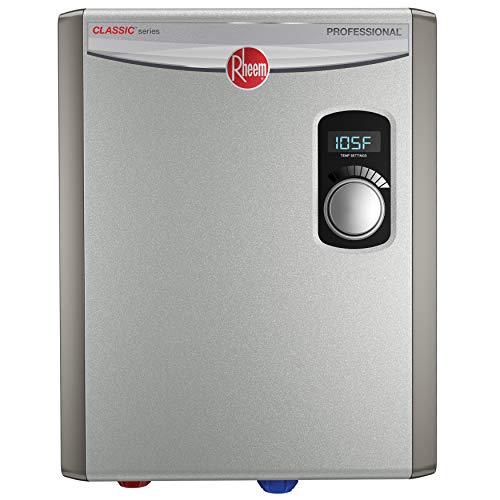
- BWP Score7.9
BWP Score is a ranking system developed by Bestwinterproducts.com. BWP score has no relationship or impact from any manufacturers or sales agent websites. Learn more
- BrandRheem

- BWP Score7.5
BWP Score is a ranking system developed by Bestwinterproducts.com. BWP score has no relationship or impact from any manufacturers or sales agent websites. Learn more
- BrandWestinghouse

- BWP Score7.4
BWP Score is a ranking system developed by Bestwinterproducts.com. BWP score has no relationship or impact from any manufacturers or sales agent websites. Learn more
- BrandBaococo
Last update on 2026-10-09 / Affiliate links / Images, Product Titles, and Product Highlights from Amazon Product Advertising API


Best Warm Winter Scarves 2026 For Cozy Comfort

Best Green Ski Goggles 2026 For Clear Vision On Slopes

12 Best Corner Electric Fireplace 2026: My Ultimate Guide To Pick One

Best Battery Powered Snow Blower 2026 For Effortless Snow Clearing

Best Ski Goggles Under 30 Inches For Crisp Vision And Comfort

Best Cooling Scarf 2026 For Instant Relief And Comfort

Fake Snow for Grass: Create a Realistic Winter Lawn Display

Dimplex Prism Wall Mount Fireplace: Sleek Heat With Modern Flame Style





