
What Are the Benefits of High-Efficiency Heaters?

There is no need to worry that energy-saving heater claims are just marketing hype. Modern high-efficiency units genuinely lower electric bills by delivering steady, controlled warmth instead of running full blast around the clock. Because they regulate power automatically, they also take strain off household electrical circuits and stop rooms from swinging between freezing and stuffy.
These financial savings depend heavily on how the heater gets used. The biggest payoff comes from zone heating, which means dialing down the central thermostat and warming only the specific room in use. The unit also needs an accurate automatic switch to cut power once the space feels right, plus a reasonably sealed room without drafts. Understanding how these features interact makes it easy to choose the right setup and keep winter utility costs down.
Rely on steady warmth and lower amp draws to protect your budget
High-efficiency space heaters do not perform magic tricks with electricity, but they change how you manage household comfort. When you switch to a well-designed unit, your monthly power bill drops because the heater delivers heat where you sit rather than warming unoccupied corners. Basic heaters run at full blast until a room turns sweltering, wasting kilowatt-hours and forcing you to open windows to cool down. An efficient unit maintains an even, comfortable temperature so you never waste power overheating your living space.
These units also protect your electrical system from needless strain. In standard US homes, a portable space heater on high draws up to 1,500 watts, which pulls roughly 12.5 amps on a standard 120-volt household circuit. Most residential bedrooms and living rooms run on 15-amp circuit breakers. If your heater runs continuously on high while you turn on a television, computer, or lamp, that breaker can easily trip. A high-efficiency heater manages power intelligently, stepping down its energy use once the room reaches your target warmth and keeping your household wiring safe.
Look past raw wattage to see how heat actually spreads
A common myth in home heating is that an expensive electric heater generates more raw warmth than an inexpensive one running at the exact same wattage. In reality, all electric resistance heaters turn 100 percent of the electrical energy they draw into thermal energy. Every single watt drawn produces about 3.41 British Thermal Units (BTU) of heat. The real difference between an inefficient heater and an efficient one is how smartly that warmth gets directed into your living zone.
Different heater styles move warmth through a room in distinct ways:
- Ceramic heating element that warms up in seconds: This design uses self-regulating ceramic heat stones that quickly reach operating temperature. As the ceramic warms up, it naturally restricts electrical flow to avoid overheating, making it responsive and consistent for small rooms.
- Fan that pushes warm air across the room: Fan-forced convection pushes air over heating elements and distributes it quickly into the surrounding space. It warms an area fast, though the moving air can feel breezy if you sit directly in front of the vent.
- Gentle heat that warms people and furniture directly like sunlight: Infrared and radiant heaters do not bother warming all the empty air in high-ceiling rooms. Instead, they project thermal rays directly onto your skin, clothes, and chairs. This makes them ideal for drafty spots, such as choosing a heater to warm drafty spaces where warmed air normally leaks straight out through glass panels.
- Silent radiator heater that circulates steady, lasting warmth: Oil-filled and panel convection heaters warm slowly, but they hold heat for long periods. They create a natural upward draft without a noisy fan, keeping a bedroom comfortable all night without sudden temperature drops.
Turn down your central furnace and warm only the room you occupy
The fastest way to lower your winter utility expenses is a method called zone heating. Zone heating simply means turning down your central thermostat and warming only the specific room you are using. Most central heating systems burn gas, fuel oil, or heavy electric current to heat thousands of square feet of empty hallways, guest bedrooms, and storage areas. Pumping heat into rooms where nobody is sitting burns through your energy budget with nothing to show for it.
You can save substantial energy by dropping your central furnace thermostat down to 62°F or 64°F during the day, then using a localized heater in your home office or den. A standard sizing rule in US homes is roughly 10 watts of heating power per square foot of living space. A 1,500-watt heater provides plenty of supplemental warmth for a closed 150 sq ft bedroom or a designated seating area in a larger room. You can apply the exact same zone strategy in utility spaces by choosing a dedicated electric heater for steady garage warmth so you only pay to heat your workbench area while you work.
Look for built-in controls that actively cut electrical waste
A high-efficiency heater earns its reputation through precision controls. Without smart controls, a heater acts like a blunt instrument that burns maximum power until you manually reach down to switch it off. When you compare different models, look for these specific money-saving features:
- A digital temperature dial that clicks on and off to hold your set warmth: Basic dial heaters use vague low-to-high knobs that cause rooms to swing between freezing and stifling. A digital thermostat monitors the ambient air and cuts electrical draw the instant the space reaches your exact target, such as 68°F.
- Multiple heat settings: Reliable heaters offer lower power levels, such as a 750W Low setting alongside the standard 1500W High. Running on low draws half the electricity and provides plenty of steady heat to maintain warmth once a room is already comfortable.
- Eco power modes: An eco setting monitors room temperature and automatically toggles between low wattage and high wattage. It uses full power for a few minutes to break the chill, then drops to a lower wattage to coast along efficiently.
- Programmable auto-off timers: A simple timer lets you set the heater to run for two or four hours as you fall asleep, shutting down completely so it does not waste electricity while you are buried under heavy blankets.
- Smart home and wireless scheduling: Units with phone connectivity let you establish daily heating schedules, ensuring the heater warms your desk right before your workday starts and shuts off automatically when your shift ends.
Avoid common operating mistakes that drive your electric meter wild
Even the most efficient heater will run up your power bill if you operate it incorrectly. Many homeowners buy an efficient space heater and see their electric bill rise because they use the machine in ways that fight against its design. Watch out for these common missteps:
- Heating an unsealed room with open doors: If you leave the hallway door wide open, warm air escapes instantly and cold air floods the floor. The heater will run non-stop at 1,500 watts trying to warm the entire house. Keep interior doors shut to trap heat inside your target zone. In homes with thin walls or older ductwork, like finding the right heater for mobile home downflow ducts, keeping drafts blocked with simple door draft stoppers makes an immediate difference.
- Cranking the thermostat to the highest setting: Setting the thermostat to 85°F does not make the heater blow hotter air or warm the room any faster. It simply tells the heater to never shut off, which overheats the space and wastes expensive electricity. Set it to your desired temperature, like 68°F or 70°F, and let the automatic sensor do its job.
- Running full power when low wattage is enough: Once your room feels cozy, switch the heat setting down to low. Maintaining temperature takes far less energy than warming cold furniture from scratch.
- Plugging into power strips or extension cords: High-draw appliances pulling 12.5 amps generate significant heat at plug contacts. Inexpensive power strips and light-duty extension cords can overheat, melt, or spark fires. Always plug your space heater directly into a dedicated wall outlet.
- Crowding the heater against walls or furniture: Keep a strict 3-foot safety buffer around all sides of your heater. Placing it closer than 36 inches to bedding, drapes, or couches blocks airflow, creates a fire risk, and triggers internal safety switches that shut the unit down before the room is warm.
Select the right heater style and safety ratings for your specific space
Finding the right high-efficiency heater comes down to matching the heating method to your room layout and daily routine. If you spend long hours sitting at a desk or relaxing in an open living room with tall ceilings, an infrared or radiant heater is the smart choice. It sends warmth directly to your body and nearby furniture without losing energy trying to heat every cubic foot of air above you.
For closed bedrooms or nurseries where silence and even warmth matter most, look for a convection panel heater or an oil-filled radiator. These units operate without fan noise, will not dry out your sinuses, and distribute warmth gently across the whole room. If you need rapid heat to take the chill off a small bathroom or entryway, a compact ceramic heater with an internal fan will warm the space in a few minutes.
Before you make a purchase, inspect the safety features and certifications on the box or product label. Look for recognized US safety certification marks, such as UL, ETL, or CSA, which verify that the heater meets strict electrical and fire safety standards. Ensure the model includes a tip-over safety switch that cuts power instantly if the unit is knocked over or tilted by pets or children. You also want an automatic overheat sensor that shuts the unit off if internal parts get dangerously hot due to blocked airflow. Finally, check that the unit provides clear digital temperature controls or low-wattage operating modes so you can regulate energy use with complete precision.
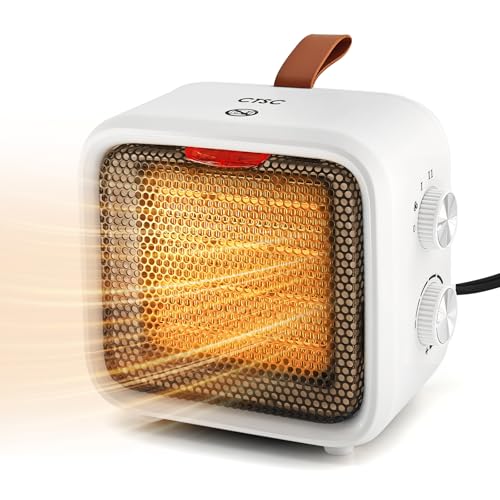
- BWP Score8.1
BWP Score is a ranking system developed by Bestwinterproducts.com. BWP score has no relationship or impact from any manufacturers or sales agent websites. Learn more
- BrandCTSC

- BWP Score9.0
BWP Score is a ranking system developed by Bestwinterproducts.com. BWP score has no relationship or impact from any manufacturers or sales agent websites. Learn more
- BrandDR. INFRARED HEATER

- BWP Score8.0
BWP Score is a ranking system developed by Bestwinterproducts.com. BWP score has no relationship or impact from any manufacturers or sales agent websites. Learn more
- BrandENVI

- BWP Score7.9
BWP Score is a ranking system developed by Bestwinterproducts.com. BWP score has no relationship or impact from any manufacturers or sales agent websites. Learn more
- BrandGiveBest
Last update on 2026-10-08 / Affiliate links / Images, Product Titles, and Product Highlights from Amazon Product Advertising API
FAQs
Do high-efficiency electric space heaters produce more heat per watt than standard models?
No, all electric space heaters convert 100 percent of the electricity they consume into heat at a fixed rate of about 3.41 BTU per watt. High-efficiency heaters do not generate bonus heat from thin air. Instead, they save electricity by using digital thermostats, multi-stage wattage switches, and smart timers that stop the unit from running when warmth is not needed.
How much money can zone heating actually trim from a winter utility bill?
Savings depend on your home size, local electricity rates, and fuel costs, but turning down your central thermostat by 7 to 10 degrees for eight hours a day can lower whole-home heating costs by roughly 10 percent. When you pair that lower central setting with a single efficient space heater in your occupied room, you keep personal comfort high while burning significantly less overall energy.
Why does my space heater keep tripping the electrical circuit breaker?
A standard 1,500-watt space heater draws about 12.5 amps, which occupies most of the capacity on a typical 15-amp household circuit breaker. If another device, such as a desktop computer, gaming console, or television, runs on that same electrical circuit, the combined power draw exceeds 15 amps and trips the breaker. To stop this from happening, plug the heater into an outlet on a circuit with minimal electrical load, or run the heater on a lower 750-watt setting.
Is it safe to run an energy-efficient space heater while sleeping?
You can run an electric heater safely overnight if it carries a recognized US safety mark like UL or ETL and includes an automatic overheat sensor and tip-over switch. Always maintain a clear 3-foot safety buffer between the heater and all blankets, curtains, or furniture. For maximum safety and efficiency in bedrooms, select a model with a built-in auto-off timer or a digital thermostat that prevents the room from overheating while you sleep.


Best Warm Winter Scarves 2026 For Cozy Comfort

Best Green Ski Goggles 2026 For Clear Vision On Slopes

12 Best Corner Electric Fireplace 2026: My Ultimate Guide To Pick One

Best Battery Powered Snow Blower 2026 For Effortless Snow Clearing

Best Ski Goggles Under 30 Inches For Crisp Vision And Comfort

Best Cooling Scarf 2026 For Instant Relief And Comfort

Fake Snow for Grass: Create a Realistic Winter Lawn Display

Dimplex Prism Wall Mount Fireplace: Sleek Heat With Modern Flame Style





