
What Are the Benefits of Infrared Portable Heaters?

Infrared portable heaters provide instant, direct warmth to your body and furniture just like stepping into natural sunlight. That soothing comfort only works, though, if there is a clear, open path between you and the unit. Because these heaters warm solid objects instead of floating air, they bring quick relief without loud blower noise, parched sinuses, or wasted electricity.
Getting the most from this heat depends on your daily setup and expectations. An infrared heater works best as a personal heat zone in drafty rooms or spaces with high ceilings where rising warm air normally disappears. It will not heat an entire room from wall to wall or warm anything hidden behind furniture. Here is a clear look at how infrared heat actually works, what makes it so comfortable, and how to decide if it belongs in your home.
Direct Heat Like Sunlight: How Infrared Warms Your Body Instead of Empty Air
Most traditional space heaters warm a room through convection, which is the process of heating the floating air. A heating coil gets hot, and the air around it expands, becomes lighter, and drifts toward the ceiling. The problem is that warm air naturally collects near the ceiling where you cannot feel it. By the time that heated air circulates back down to your desk or armchair, it has lost much of its warmth, leaving you cold while the ceiling stays warm.
Infrared heaters work on an entirely different principle known as radiant heat, which provides gentle heat that warms people and furniture directly like sunlight. Think about stepping outside on a crisp winter morning. The thermometer might read 35 degrees Fahrenheit, but the moment the sun hits your face and jacket, you feel immediate warmth. If a cloud passes overhead, you feel chilly right away. The surrounding air did not change temperature, but the radiant heat striking your skin stopped.
An infrared portable heater creates that exact feeling indoors. Instead of wasting power trying to heat thousands of cubic feet of cold air, it sends out safe, invisible rays in a straight line. The air does not absorb these rays. Your clothes, skin, and nearby furniture soak up the warmth directly. You feel comfortable within seconds without waiting for the whole room to heat up first.
Instant Comfort in Drafty Rooms and High-Ceiling Spaces
Drafty rooms are where ordinary space heaters struggle the most. If you have older windows, an unsealed exterior door, or an uninsulated outer wall, cold air constantly enters the space. A standard fan heater pushes warm air into the room, but a cold draft easily blows that warm pocket away or pushes it upward. You end up running the unit on high for hours without ever getting comfortable.
Infrared heaters bypass this issue because radiant heat does not depend on still air. The warmth travels in a focused beam directly to your body and clothes. A cold draft cannot blow radiant rays away before they reach you. You stay warm even if chilly air continues to circulate around your chair.
This draft-resistant warmth makes portable infrared units a reliable choice for cold basements, home offices, and open rooms with tall ceilings. It is also why anyone looking for an effective heater for an enclosed porch often chooses radiant heat. While a conventional heater loses its warmth against cold glass panels, an infrared heater focuses its energy directly on where you sit.
Quiet Operation and Healthier Indoor Air
Traditional space heaters rely on high-speed fans to push warm air across a room. These small fans often produce an annoying hum, rattle, or buzz that interrupts phone calls and disrupts sleep. Many portable infrared heaters operate with no fan at all, releasing gentle radiant warmth silently. Units that do include a fan use a larger, slower blower that runs with a quiet whisper instead of a harsh whine.
Infrared heat also protects your indoor air quality. Traditional electric coils get scorching hot and burn tiny dust particles as air passes over them, creating that familiar burning odor on chilly days. High-velocity fan blowers also churn up dust, pet dander, and seasonal allergens throughout the room.
Ordinary electric heaters also strip moisture from indoor air, leaving you with dry skin, irritated eyes, and scratchy sinuses by morning. Infrared heat warms solid surfaces rather than baking the floating air. The natural humidity in your room stays balanced, giving you soothing warmth without itchy skin or dry breathing passages.
Saving Electricity with Zone Heating
A portable electric heater uses electricity, but using it strategically can lower your overall winter utility bills. In the United States, standard portable electric space heaters draw up to 1,500 watts, which is about 12.5 amps on a standard 120-volt household circuit. Running 1,500 watts continuously can add up, but zone heating turns that power into real savings.
Zone heating means warming only the specific room where you are spending time, rather than heating your entire house. Central furnaces and heat pumps consume large amounts of fuel to keep every empty bedroom, hallway, and bathroom at 72 degrees Fahrenheit. By turning your central thermostat down to 65 or 66 degrees, your main furnace runs far less often throughout the day.
You then place your portable infrared heater in the room you are using, like a 150-square-foot home office. Because the heater warms your body directly, you feel comfortable in your immediate space without paying to heat thousands of square feet of empty living area.
Steps to Get the Most Warmth and Savings from an Infrared Heater
To get the greatest comfort and efficiency from radiant heat, follow these practical steps when setting up your unit:
- Position the heater with a direct line of sight to your body. Infrared rays travel in a straight path, so furniture or desks placed between you and the unit will block the warmth from reaching you.
- Keep a clear three-foot safety buffer around all sides. Keeping blankets, curtains, and furniture at least 36 inches away prevents materials from overheating and reduces fire risks.
- Plug the heater directly into a dedicated 120-volt wall outlet. A 1,500-watt heater draws roughly 12.5 amps, which can overheat thin extension cords or shared power strips.
- Lower your central thermostat by two to four degrees. Zone heating only cuts your electric and gas bills if you allow your primary furnace to run less often.
- Give nearby solid surfaces fifteen minutes to absorb the warmth. Furniture, rugs, and flooring soak up infrared rays and gradually release that heat back into the room for lasting comfort.
- Set the digital temperature dial to your desired warmth level once comfortable. Allowing the internal thermostat to cycle the elements on and off stops the heater from drawing maximum power continuously.
- Wipe the intake grille with a dry cloth once a month. Keeping dust off the vents prevents internal parts from overheating and helps safety sensors operate properly.
Where Infrared Heaters Are Not the Best Choice
While portable infrared heaters offer distinct advantages, they are not designed for every heating scenario. Knowing their limitations helps you pick the right tool for your space. Radiant heat may not be ideal in these situations:
- Heating an entire house or multiple rooms at once: Infrared units are built for spot heating single areas. They cannot push warmth down hallways or through closed doors into other rooms.
- Rooms where people move around constantly: If you are busy cooking in a kitchen or walking across a large workshop, you will step in and out of the heater beam, feeling warm one moment and chilly the next.
- Rooms crowded with tall furniture: If bookshelves, couches, or boxes block the path between the heater and where you sit, the furniture absorbs the heat while you remain cold.
- Unattended buildings requiring freeze protection: If you need to keep pipes from freezing across an entire outbuilding, an electric heater for a garage with a thermostat that circulates warm air throughout the building is more practical than personal spot heat.
Essential Safety Features to Look for on Portable Units
Safety is crucial whenever you operate an electric heating appliance in your living space. Modern portable infrared heaters come equipped with several built-in protections designed to prevent accidents around children and pets.
First, verify that the heater includes a tip-over safety switch that cuts power instantly if the unit is knocked over or tilted. If a pet or child bumps the unit, the switch immediately turns off power before the grille can scorch a rug. Second, confirm that it has an automatic overheat sensor that shuts the unit off if internal parts get dangerously hot from blocked vents.
Look for models built with cool-touch exterior cabinets, such as wood or insulated composite housings, which protect hands and paws from burns. Check the label for recognized safety marks like UL, ETL, or CSA to ensure compliance with American electrical standards. If the wall outlet or heater plug ever feels hot to the touch, shut the unit off, unplug it, and have a licensed electrician check your outlet.
What Kind of Portable Infrared Heater Solves This Problem Best?
To achieve steady warmth without cold spots, choose a portable infrared heater that combines radiant quartz tubes with a ceramic heating element that warms up in seconds. This hybrid heating design provides instant direct warmth to your body while gently circulating background heat across the room. Look for smooth-rolling caster wheels so you can easily move the unit between your home office, living room, and bedroom. A digital temperature dial that clicks on and off to hold your set warmth, paired with an automatic shut-off timer, helps you manage daily electricity use easily. Make sure the exterior housing stays cool to the touch and carries a recognized safety certification mark like ETL or UL on its label.

- BWP Score9.6
BWP Score is a ranking system developed by Bestwinterproducts.com. BWP score has no relationship or impact from any manufacturers or sales agent websites. Learn more
- BrandDR. INFRARED HEATER

- BWP Score9.1
BWP Score is a ranking system developed by Bestwinterproducts.com. BWP score has no relationship or impact from any manufacturers or sales agent websites. Learn more
- BrandDR. INFRARED HEATER

- BWP Score9.0
BWP Score is a ranking system developed by Bestwinterproducts.com. BWP score has no relationship or impact from any manufacturers or sales agent websites. Learn more
- BrandDR. INFRARED HEATER

- BWP Score8.8
BWP Score is a ranking system developed by Bestwinterproducts.com. BWP score has no relationship or impact from any manufacturers or sales agent websites. Learn more
- BrandDR. INFRARED HEATER
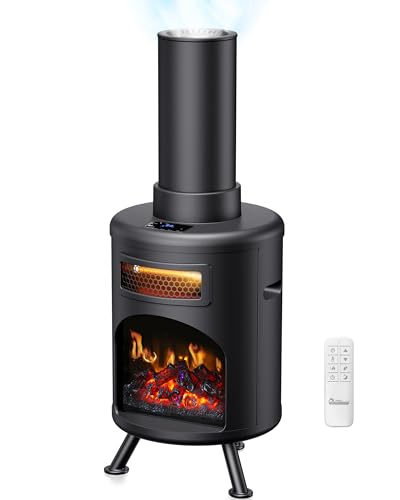
- BWP Score8.4
BWP Score is a ranking system developed by Bestwinterproducts.com. BWP score has no relationship or impact from any manufacturers or sales agent websites. Learn more
- BrandDR. INFRARED HEATER

- BWP Score8.2
BWP Score is a ranking system developed by Bestwinterproducts.com. BWP score has no relationship or impact from any manufacturers or sales agent websites. Learn more
- BrandDR. INFRARED HEATER

- BWP Score8.2
BWP Score is a ranking system developed by Bestwinterproducts.com. BWP score has no relationship or impact from any manufacturers or sales agent websites. Learn more
- BrandDR. INFRARED HEATER
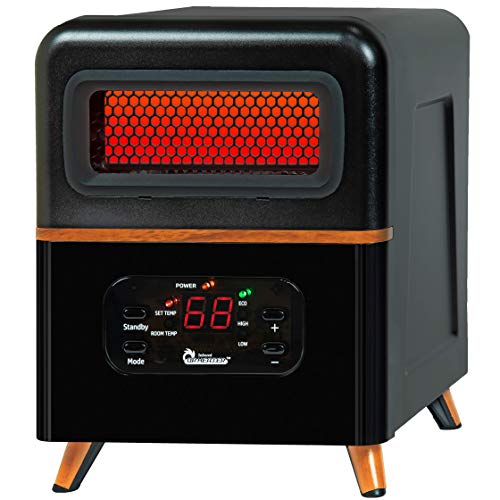
- BWP Score7.9
BWP Score is a ranking system developed by Bestwinterproducts.com. BWP score has no relationship or impact from any manufacturers or sales agent websites. Learn more
- BrandDR. INFRARED HEATER
Last update on 2026-10-08 / Affiliate links / Images, Product Titles, and Product Highlights from Amazon Product Advertising API
Frequently Asked Questions
How quickly does an infrared heater make you feel warm?
You will feel warmth almost immediately after turning the unit on, typically within a few seconds. Infrared rays travel directly to your skin and clothes without waiting to warm the surrounding air first. As long as you have an open line of sight to the heater, comfort is nearly instantaneous.
Can an infrared heater warm a whole room, or only what it points at?
Infrared heaters warm the people and objects directly in their path first. Over time, those warmed objects release their stored heat back into the surrounding air, raising the overall room temperature in spaces up to 150 square feet. But their primary strength is direct, focused warmth rather than whole-room air circulation.
Will an infrared heater dry out my sinuses or skin overnight?
No, an infrared heater does not dry out indoor air like traditional space heaters. Standard fan heaters blow air across red-hot coils, reducing humidity and leaving the air harsh. Infrared rays warm solid surfaces without baking the air, preserving natural room humidity for comfortable breathing and moisturized skin.
Can I plug an infrared heater into an extension cord or power strip?
No, always plug a portable electric heater directly into a dedicated wall outlet. Standard portable heaters draw around 12.5 amps, which can easily overheat the lighter wiring in power strips and extension cords. Plugging straight into the wall prevents melted cords, tripped breakers, and fire risks.


Best Warm Winter Scarves 2026 For Cozy Comfort

Best Green Ski Goggles 2026 For Clear Vision On Slopes

12 Best Corner Electric Fireplace 2026: My Ultimate Guide To Pick One

Best Battery Powered Snow Blower 2026 For Effortless Snow Clearing

Best Ski Goggles Under 30 Inches For Crisp Vision And Comfort

Best Cooling Scarf 2026 For Instant Relief And Comfort

Fake Snow for Grass: Create a Realistic Winter Lawn Display

Dimplex Prism Wall Mount Fireplace: Sleek Heat With Modern Flame Style





