
What Are the Benefits of Using a Radiator Heater?

Radiator heaters deliver silent, steady warmth. Unlike portable space heaters with buzzing fans, an oil-filled radiator warms an entire room without stirring up dust or drying out your throat. The sealed fluid inside absorbs heat and releases it gradually, creating long-lasting comfort that stays in the room even after the unit cycles off.
How much you appreciate these benefits depends on your space and daily habits. Because radiators take time to build up heat, they work best for hours of continuous comfort in enclosed bedrooms or home offices rather than fast blasts of warmth. Light sleepers and anyone sensitive to airborne dust notice the difference right away. Here is how these heaters create gentle warmth and whether their quiet design fits your home.
The Short Version
- Silent comfort: Radiator heaters run without fans, giving you steady warmth without clicks, motor hums, or blowing air that disturbs your sleep.
- Long-lasting heat: The sealed fluid inside holds onto heat, continuing to warm your room for long stretches even after the electrical element shuts off.
- Gentle on your sinuses: Because there is no forceful fan blowing across red-hot wire coils, these units do not scorch dust, dry out your throat, or stir up indoor allergens.
- Zero maintenance: The internal heating oil is permanently sealed at the factory, which means you never have to refill, change, or bleed the fluid.
Silent, Draft-Free Warmth for Rest and Focus
If you have ever tried sleeping or working near a cheap space heater, you know the frustration. The fan kicks on with a loud click, roars like a hair dryer, and blasts a beam of dry air right at your face. A few minutes later, it shuts off, the room cools down immediately, and the cycle repeats. Radiator heaters eliminate this cycle completely because they do not have a fan.
Instead, these heaters work through natural convection, which is the natural rising of warm air without a fan. Cool air from the floor enters underneath the heater, glides upward between the metal fins, and warms up. As it warms, it naturally rises toward the ceiling and circulates around the room in a gentle, rolling loop. This circulation happens in total silence, making oil-filled radiators ideal for bedrooms, nurseries, and quiet home offices where background noise ruins your focus.
This draft-free method also protects your indoor air quality. Fan-forced heaters act like mini leaf blowers in your living space. They suck up pet hair, dust mites, and dander from your floor, blow them across a scorching coil, and scatter them into the air you breathe. That often leads to dry eyes, a scratchy throat, and stuffy morning sinuses. A radiator heater warms the air without disturbing dust settled on the carpet, keeping the air comfortable and easy to breathe throughout the night.
Heat Retention: Warmth That Lingers After Cycling Off
The standout advantage of an oil-filled radiator is its ability to hold onto heat. When an electric fan heater shuts off, its thin wire coils turn cold within three seconds. The room immediately feels chilly, forcing the heater to cycle back on quickly. An oil-filled radiator behaves like an old-fashioned cast iron steam radiator, providing deep, sustained thermal storage.
Inside the metal fins sits diathermic oil, which is a sealed heating fluid that never needs refilling. When you turn the heater on, an internal electric element warms this fluid. The fluid moves through the hollow channels of the fins, heating the thick metal exterior. Once the metal and oil reach operating temperature, they stay hot for an extended period. Even after the digital temperature dial that clicks on and off to hold your set warmth reaches your target and cuts electric power, the heater continues radiating steady heat for 30 to 45 minutes.
This thermal retention creates an even, comfortable room temperature. You avoid the wild swings between sweltering hot and freezing cold that occur with ceramic heaters. The warmth settles into your furniture, walls, and flooring, giving your room the cozy, settled feeling of a central heating system rather than the harsh spot heat of a portable appliance.
Managing Energy Use and Thermostat Settings
Like almost all electric space heaters sold for standard home use in the United States, portable radiator heaters draw up to 1,500 watts on their highest setting. That equals about 12.5 amps on a standard 120-volt household circuit. Because they draw the same peak power as other portable heaters, the secret to saving money on your electric bill lies in how you manage the power levels and thermostat.
Most oil radiators come with three selectable power levels, typically 600W on low, 900W on medium, and 1500W on high. A smart heating routine starts by setting the unit to 1500W with the thermostat set to your desired temperature, such as 68°F to 70°F. This high setting warms the internal oil and the room as fast as possible. Once the room reaches a pleasant temperature, turn the power switch down to 600W or 900W. The low setting uses less electricity while the heavy, oil-filled fins maintain your warmth.
As a general rule of thumb, you need roughly 10 watts of power for every square foot of living space. A 1500W heater warms a closed 150 sq ft bedroom or home office easily. But if you have open floor plans, very high ceilings, or major air leaks, portable radiators take a long time to make a difference because heat escapes faster than the natural convection cycle can replace it. If you need steady warmth in drafty outbuildings, learning about an electric heater for a garage with a thermostat can help you see how larger spaces require different heating styles.
To keep your electrical setup safe, always plug your radiator heater directly into a dedicated wall outlet. Avoid using extension cords, power strips, or surge protectors. High-wattage space heaters pull continuous electricity that can melt thin plastic power strips and create a fire hazard. If the wall outlet feels hot to the touch or your circuit breaker trips repeatedly, turn the heater off immediately, unplug it, and consult a licensed electrician.
Built-In Safety Features and What to Check
Radiator heaters are among the safest portable space heaters you can use in a home, provided you follow basic safety habits. Because their heating elements are sealed inside steel fins filled with fluid, there are no open coils to ignite nearby objects. Use this checklist to verify your heater is positioned and running safely:
- Look for certified safety labels: Check the underside or back of the heater for an ETL, UL, or CSA mark. These marks confirm that the heater meets strict national safety standards for household electrical appliances.
- Confirm the tip-over safety switch works: This safety switch cuts power instantly if the unit is knocked over or tilted. You should hear a soft metallic click inside the base if you gently lift the heater off the floor.
- Rely on the automatic overheat sensor: Quality radiators include an automatic overheat sensor that shuts the unit off if internal parts get dangerously hot, preventing electrical damage if airflow around the fins gets blocked.
- Keep a 3-foot safety buffer: Maintain at least 3 feet (36 inches) of clear space on all sides. Keep bedding, curtains, clothing, pet beds, and throw blankets well away from the fins.
- Mind the surface temperature: The exterior metal fins get hot during operation. While touching the surface briefly will not instantly burn you the way an open wire coil would, it can startle pets or small children. Place the heater away from high-traffic hallways and toddler play areas.
If you ever smell burnt plastic, hear unusual boiling or hissing sounds, or notice oil pooling beneath the unit, shut the unit off, unplug it from the wall, allow it to cool completely, and discontinue use.
Zero Maintenance: Why You Never Refill the Oil
One of the most common worries people have before buying a radiator heater is maintenance. Many buyers assume that because the appliance contains oil, it will need regular oil changes, top-offs, or filter replacements like an automobile engine or a home furnace. That is not how these heaters work.
The heating oil inside the fins is diathermic oil, which is a specialized fluid chosen for its high boiling point and superior heat capacity. The oil is installed and hermetically sealed at the factory. It does not burn as fuel. Instead, electricity heats the fluid, and the fluid simply carries that heat to the steel fins. Because the system is permanently closed, the oil never evaporates, oxidizes, or breaks down during normal operation.
You should never attempt to unscrew the fill caps or open the reservoir on a radiator heater. Breaking that factory seal ruins the appliance, voids your warranty, and creates an oil leak risk. The only maintenance your radiator heater ever needs is simple surface cleaning. Once a month, turn the unit off, unplug it, wait until the fins are cold to the touch, and wipe down the metal with a soft, dry cloth to keep household dust from collecting between the fins.
Radiators Versus Fan Heaters: Which Matches Your Space?
Choosing between a radiator heater and a fan-forced heater comes down to how quickly you need heat and how long you plan to stay in the room. Both designs have their place, but they deliver comfort in opposite ways.
Fan-forced heaters use a small ceramic heating element that warms up in seconds, paired with a small blower wheel. They are designed for quick bursts of spot warmth. If your feet are freezing under a desk or you need to knock the chill out of a bathroom while you brush your teeth, a fan heater gives you instant gratification. But they are noisy, dry out your mucous membranes, and stop heating the second you switch them off.
Radiator heaters take a different approach. An oil radiator requires 15 to 25 minutes of warm-up time before the steel fins reach full operating heat. They do not deliver immediate blast heat. However, once the oil reaches peak temperature, the radiator creates a blanket of silent, draft-free warmth that fills the entire room and stays there for hours. This makes radiators the superior choice for long-term heating, such as overnight sleep in a closed bedroom or an eight-hour workday in a closed office.
Radiators also struggle in spaces with open doors or constant cold drafts. If you are trying to warm a partially exposed area with air leaks, finding the right heater for an enclosed porch will show you why fan-driven or direct radiant models often perform better when drafts pull heat away faster than natural convection can circulate it.
What to Look For When Choosing a Radiator Heater
If you decide that quiet, continuous warmth matches your daily routine, a few practical design features will make your heater much easier to live with. Start by checking the thermostat style. Basic models use simple mechanical dials that click on and off based on room temperature. Digital models feature clear numeric temperature displays, programmable timers, and sleep modes that lower power use automatically overnight.
Pay close attention to mobility and weight. A filled radiator heater weighs anywhere from 13 to over 20 pounds due to the steel frame and internal fluid. Look for units that come with pre-assembled caster wheels that glide smoothly over carpet and hard floors, along with a sturdy, heat-resistant carry handle. Trying to lift a heavy, hot metal radiator without a dedicated handle is awkward and unsafe.
Finally, inspect the fin shape and cord storage. Traditional flat fins work well, but some modern radiators feature curved or thermal-slotted fins designed to accelerate the natural convection cycle and spread heat across a broader surface area. Built-in cord wraps on the front or side of the unit are also helpful, keeping thick power cords tucked away safely when the heater is stored away during warmer spring and summer months.

- BWP Score9.4
BWP Score is a ranking system developed by Bestwinterproducts.com. BWP score has no relationship or impact from any manufacturers or sales agent websites. Learn more
- BrandDREO

- BWP Score9.4
BWP Score is a ranking system developed by Bestwinterproducts.com. BWP score has no relationship or impact from any manufacturers or sales agent websites. Learn more
- BrandDREO
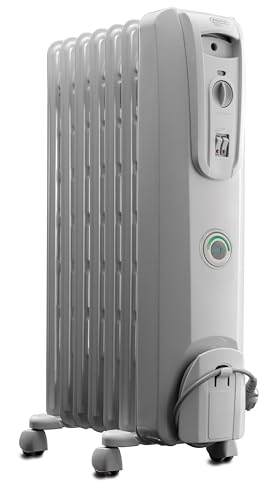
- BWP Score8.9
BWP Score is a ranking system developed by Bestwinterproducts.com. BWP score has no relationship or impact from any manufacturers or sales agent websites. Learn more
- BrandDe'Longhi

- BWP Score8.0
BWP Score is a ranking system developed by Bestwinterproducts.com. BWP score has no relationship or impact from any manufacturers or sales agent websites. Learn more
- BrandDUMOS

- BWP Score8.0
BWP Score is a ranking system developed by Bestwinterproducts.com. BWP score has no relationship or impact from any manufacturers or sales agent websites. Learn more
- BrandPELONIS

- BWP Score8.0
BWP Score is a ranking system developed by Bestwinterproducts.com. BWP score has no relationship or impact from any manufacturers or sales agent websites. Learn more
- BrandElectactic

- BWP Score7.4
BWP Score is a ranking system developed by Bestwinterproducts.com. BWP score has no relationship or impact from any manufacturers or sales agent websites. Learn more
- BrandG-Ocean
Last update on 2026-10-09 / Affiliate links / Images, Product Titles, and Product Highlights from Amazon Product Advertising API
FAQs
Can I leave a radiator heater running all night while I sleep?
Yes, oil-filled radiator heaters are widely considered the safest type of space heater for overnight use. They have no glowing coils that could ignite bedding, they do not dry out your breathing passages, and they operate in complete silence. Just make sure the unit has modern safety features like tip-over protection, keep it at least 3 feet away from blankets, and plug it directly into a wall outlet.
Do radiator heaters dry out the air like other space heaters?
No, radiator heaters do not dry out room air nearly as much as fan-forced ceramic heaters. Fan-forced models blow air directly across scorching wire elements, which burns microscopic dust particles and drops perceived indoor humidity. A radiator warms the air gently through the natural rising of warm air without a fan, preserving comfortable humidity levels for your skin and sinuses.
Why does an oil radiator take so long to start warming the room?
A radiator heater heats its internal fluid first before that warmth can transfer to the metal fins and move into the air. This process usually takes 15 to 25 minutes from a cold start. While it takes longer to get going than a fast ceramic heater, the tradeoff is that the heated oil continues releasing warmth long after the electric power shuts off.
How do I know if an oil radiator heater is safe around pets?
Radiators are generally safe around pets because the heating element is sealed inside steel fins, preventing fur from contacting hot electrical wires. However, the metal exterior does become quite hot to the touch during long sessions. Place the heater on a flat, level surface away from pet beds, and ensure the unit features an automatic tip-over switch in case an active dog bumps into it.


Best Warm Winter Scarves 2026 For Cozy Comfort

Best Green Ski Goggles 2026 For Clear Vision On Slopes

12 Best Corner Electric Fireplace 2026: My Ultimate Guide To Pick One

Best Battery Powered Snow Blower 2026 For Effortless Snow Clearing

Best Ski Goggles Under 30 Inches For Crisp Vision And Comfort

Best Cooling Scarf 2026 For Instant Relief And Comfort

Fake Snow for Grass: Create a Realistic Winter Lawn Display

Dimplex Prism Wall Mount Fireplace: Sleek Heat With Modern Flame Style





