
What Are the Differences Between Gas and Electric Heaters?

There is no need to worry about making a complicated mistake here, because each heating type is built for completely different living spaces. Gas heaters generate intense heat for large or drafty areas at a lower monthly run cost, while electric heaters plug into standard wall outlets for safe, fume-free warmth in smaller enclosed rooms.
The right match for your home mostly comes down to your setup and where the heat is needed. Gas units demand a dedicated fuel line, a portable tank, and steady fresh air to clear out fumes safely. An electric model avoids fuel safety worries entirely, but running one for long stretches will push up your monthly power bill. Understanding how each method warms a room, what they cost over time, and where they can safely sit makes finding the right fit straightforward.
Learn How Fuel Flames And Electric Coils Actually Make Heat
Gas heaters and electric heaters generate warmth through two distinct physical processes. A gas heater burns fuel, typically natural gas from a utility pipe or propane from a storage tank. When the unit turns on, an electric spark or a piezo ignition (a manual push-button spark starter that lights the flame without an electrical cord) ignites the burner. The flame heats metal baffles or ceramic tiles. Some models deliver radiant heat, which is gentle heat that warms people and furniture directly like sunlight. Other models use a fan that pushes warm air across the room to circulate that heat.
Electric heaters do not burn fuel. Instead, electric current flows directly into a metal element or a ceramic heating element that warms up in seconds. The element resists electrical current, converting electric power directly into heat. Portable electric space heaters push that warmth outward with a small fan, or rely on a silent radiator heater that circulates steady, lasting warmth by warming oil sealed inside metal fins.
This difference changes how both heaters affect your indoor air. Burning gas releases water vapor and combustion gases. A vented heater sends these fumes outside through a pipe, while a vent-free model operates indoors without a chimney. Vent-free means the heater does not need an outside exhaust flue, though it releases moisture and trace combustion byproducts into the room. Electric heaters produce clean, dry warmth with zero emissions, leaving your indoor air quality unchanged.
Weigh Your Upfront Purchase Price Against Monthly Utility Bills
The financial difference between gas and electric heat comes down to what you spend on day one versus what you pay each month on your utility bill. Electric space heaters are the clear winner for upfront affordability. You can purchase a portable electric unit at any hardware store, bring it home, and plug it straight into a standard 120-volt wall outlet. You avoid gas line installation fees, venting kits, and municipal permits.
Gas heaters require a larger initial investment. Even a compact wall unit requires a dedicated fuel supply. If your room lacks a natural gas line, you must hire a licensed plumber or gas technician to extend a pipe from your meter. Running iron or flexible stainless steel pipe through walls adds labor costs. Propane setups also require buying or leasing a storage tank and installing outdoor feed lines.
Your monthly utility bills tell the opposite story. In most parts of the United States, natural gas costs significantly less per unit of heat than electricity. Running a standard 1,500-watt electric heater for eight hours daily consumes roughly 12 kilowatt-hours of power, inflating monthly electric bills. A gas heater produces more heat per dollar spent on fuel. For brief supplemental warmth each morning, an electric heater remains cheaper because you skip high installation costs. For daily heating in a large room all winter, a gas unit pays for its initial installation through lower fuel bills.
Match Heating Output To Your Exact Square Footage And Drafts
Heating capacity determines how large of a space a unit can warm before it runs out of steam. Gas heaters measure thermal output in BTU (heat output rating per hour), while electric space heaters are rated in watts. Portable electric heaters draw up to 1,500 watts, which equals about 12.5 amps on a standard 120-volt household circuit. That 1,500-watt electrical cap limits maximum heat output to roughly 5,120 BTU per hour.
Under the standard US sizing guideline of roughly 10 watts per square foot of living space, a 1,500-watt electric heater can comfortably warm a closed 150 sq ft bedroom. In a drafty room or open garage, that same unit will run constantly without cutting the chill. Even a high-grade electric heater for a garage with a thermostat often needs a dedicated 240-volt circuit to heat large concrete workspaces properly.
Gas heaters deliver substantially higher heat output. A compact 10,000 BTU vent-free natural gas heater heats up to 300 sq ft, while a 20,000 BTU model warms up to 700 sq ft. A larger 30,000 BTU unit can heat up to 1,000 square feet. For open workspaces, an overhead radiant natural gas heater can heat up to 500 to 600 sq ft, while a ceiling-mounted forced air unit rated at 50,000 BTUs can heat up to 1,667 sq ft, or approximately a 3-car garage. When you need a heater to warm drafty spaces where winter winds slip past window frames, gas appliances provide the heavy heating volume required to keep you comfortable.
Follow Vital Safety Checks For Fumes, Outlets, And Airflow
Both heating methods are safe when installed and operated according to manufacturer directions, but they introduce very different household hazards. Gas heaters bring risks related to fuel combustion and fumes, while electric heaters introduce electrical fire risks. Run through this checklist to keep your home safe:
- Mount a working carbon monoxide alarm in the room: Carbon monoxide is a poisonous, odorless gas from burning fuel that cannot be seen or smelled. Any space using a gas heater must have an active carbon monoxide alarm with fresh batteries. If you ever feel dizzy, nauseous, or develop a sudden headache near a gas heater, turn it off, exit the home, and call emergency services immediately.
- Verify oxygen sensors and fresh air circulation: Vent-free gas heaters draw oxygen directly from the room to support combustion. Confirm that your gas model includes an Oxygen Depletion Sensor that shuts the gas valve if room oxygen levels drop. Always maintain the minimum room volume stated in the manual, or crack an interior door for proper airflow.
- Maintain a 3-foot safety buffer: Keep all heaters at least 3 feet (36 inches) away from curtains, bedding, cardboard, and furniture. Glowing electric coils and open gas flames can ignite nearby fabrics through radiant heat alone.
- Plug electric heaters directly into dedicated wall outlets: A 1,500-watt electric heater pulls 12.5 amps, leaving almost no room on a standard 15-amp household circuit breaker. Never plug a space heater into an extension cord, power strip, or surge protector, as these multi-outlet devices can overheat, melt, and ignite.
- Confirm automatic shutoff switches: Ensure your electric heater has a tip-over safety switch that cuts power instantly if the unit is knocked over or tilted. Check that it also includes an automatic overheat sensor that shuts the unit off if internal parts get dangerously hot from blocked grilles.
- Check gas line connections with soapy water: After hooking up a gas heater, brush a mixture of liquid dish soap and water over all threaded pipe fittings. If bubbles appear, gas is leaking. Turn off the gas valve immediately, tighten the fitting, or call a licensed professional.
Pick The Right Unit For Bedrooms, Basements, And Workspaces
Choosing between gas and electric heat depends on which room you need to warm and whether you plan to sleep while the heater runs. Matching the heater design to the room layout protects indoor air quality and keeps energy expenses under control.
In bedrooms, nurseries, and home offices, electric heaters are the safest choice. Electric units operate with zero emissions, producing no soot, moisture, or carbon monoxide inside closed sleeping spaces. They also provide precise warmth control using a digital temperature dial that clicks on and off to hold your set warmth. Silent oil-filled radiators work well in bedrooms because they provide steady warmth without glowing coils or fan noise that disturbs sleep.
In detached garages, workshops, and uninsulated outbuildings, gas heaters are usually the better option. Cold concrete slabs and metal doors drain warmth rapidly, easily overpowering a standard 1,500-watt electric plug-in unit. A ceiling-mounted or wall-hung natural gas heater raises the temperature of a chilly workspace within minutes. Overhead radiant models warm tools, worktables, and your body directly without wasting heat on drafty ceiling spaces.
In basements and manufactured housing, verify ventilation requirements and local building codes before buying. Finished basements often lack fresh air intake, making unvented gas units risky unless the room is open and large enough to meet manufacturer airflow rules. If you are heating a manufactured home, verify local regulations, as many areas restrict unvented gas heaters in tight spaces. You can also explore options for a heater for a mobile home to ensure your setup meets strict ventilation guidelines.
Check Your Hookups And Clearance Before Buying A Heater
Selecting the right heater comes down to evaluating your room layout, available utilities, and heating habits. If you need portable, supplemental heat for an enclosed room, a plug-in electric space heater is the most straightforward solution. Look for a unit with recognized safety marks like UL or ETL listed on the product label, built-in tip-over protection, and an automatic overheat shutoff sensor. Make sure you have an accessible wall outlet that does not require an extension cord.
If you need to heat a large, open area or drafty workspace on a daily schedule, a natural gas heater provides superior warmth and lower ongoing fuel expenses. Before purchasing, verify that you have an accessible gas supply line and an approved shutoff valve in place. Check your room measurements to ensure the heating capacity matches your square footage without generating excess moisture. Finally, measure wall and ceiling clearances to ensure the unit stays a safe distance from walls, workbenches, and stored items.
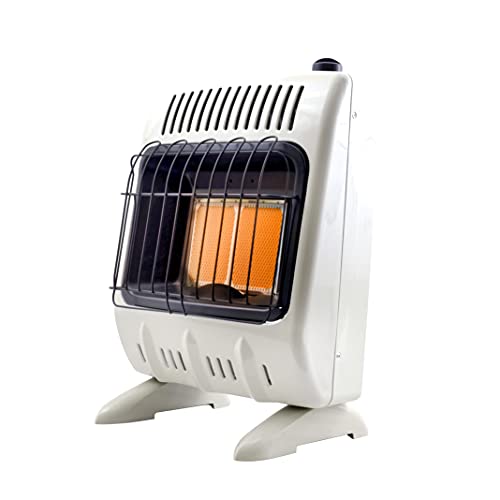
- BWP Score8.8
BWP Score is a ranking system developed by Bestwinterproducts.com. BWP score has no relationship or impact from any manufacturers or sales agent websites. Learn more
- BrandMr. Heater

- BWP Score8.0
BWP Score is a ranking system developed by Bestwinterproducts.com. BWP score has no relationship or impact from any manufacturers or sales agent websites. Learn more
- BrandMr. Heater

- BWP Score7.7
BWP Score is a ranking system developed by Bestwinterproducts.com. BWP score has no relationship or impact from any manufacturers or sales agent websites. Learn more
- BrandMr. Heater

- BWP Score7.9
BWP Score is a ranking system developed by Bestwinterproducts.com. BWP score has no relationship or impact from any manufacturers or sales agent websites. Learn more
- BrandMr. Heater

- BWP Score7.8
BWP Score is a ranking system developed by Bestwinterproducts.com. BWP score has no relationship or impact from any manufacturers or sales agent websites. Learn more
- BrandHeatstar
Last update on 2026-10-06 / Affiliate links / Images, Product Titles, and Product Highlights from Amazon Product Advertising API
FAQs
Can I safely run an unvented gas heater in an enclosed bedroom?
You should not run an unvented gas heater in an enclosed bedroom. Vent-free gas units consume room oxygen and release combustion byproducts, including moisture and carbon monoxide, into the air. Many local building codes prohibit unvented fuel heaters in sleeping areas because occupants cannot react to air quality issues while asleep. Choose an electric space heater with an automatic shutoff sensor for bedroom warmth instead.
Why does my electric space heater keep tripping my circuit breaker?
Electric space heaters draw up to 1,500 watts, which pulls approximately 12.5 amps of electricity. Standard household circuit breakers are rated for 15 amps, leaving little extra capacity on that circuit. Running another device, such as a lamp, television, or computer, on the same circuit pushes the total draw past 15 amps and trips the breaker. To prevent this, plug your heater into an outlet on a dedicated circuit.
Do vent-free gas heaters cause moisture or window condensation?
Yes, vent-free gas heaters generate water vapor as a natural byproduct of fuel combustion. In tightly sealed rooms, this added humidity settles on cold window glass and exterior walls as condensation. Over time, persistent moisture buildup can lead to mold and mildew growth. If you notice condensation on your windows, crack an interior window for ventilation or switch to dry electric heat.
Can I plug an electric space heater into an extension cord?
No, you should never plug an electric space heater into an extension cord, power strip, or surge protector. Space heaters draw a continuous 12.5-amp load that generates significant heat along the power cable. Most extension cords and power strips cannot handle continuous high-amperage current, causing them to overheat, melt, and ignite. Always plug your heater directly into a permanent wall outlet.


Best Warm Winter Scarves 2026 For Cozy Comfort

Best Green Ski Goggles 2026 For Clear Vision On Slopes

12 Best Corner Electric Fireplace 2026: My Ultimate Guide To Pick One

Best Battery Powered Snow Blower 2026 For Effortless Snow Clearing

Best Ski Goggles Under 30 Inches For Crisp Vision And Comfort

Best Cooling Scarf 2026 For Instant Relief And Comfort

Fake Snow for Grass: Create a Realistic Winter Lawn Display

Dimplex Prism Wall Mount Fireplace: Sleek Heat With Modern Flame Style





