
How Are Oil and Electric Portable Heaters Different?

Most shoppers assume an oil portable heater burns fuel like kerosene and requires messy refills. In reality, oil heaters are fully electric appliances that never consume fuel. Instead of blowing air across glowing wire coils like a standard electric fan heater, an oil radiator uses electricity to warm permanently sealed heat-holding fluid inside metal fins. That liquid circulates quietly to deliver steady, radiant warmth that lingers even after the power cuts out.
Choosing between the two depends on how quickly you need heat and how much noise you can tolerate. Standard electric fan models blow hot air immediately, but their whirring motors can disrupt sleep and dry out your room. Oil units take twenty minutes to build heat, yet they run in total silence and hold that warmth for hours. Here is a clear look at how both designs work so you can pick the right one for your space.
The Fuel Myth: Why Oil Heaters Plug In and Never Need Refills
The biggest misunderstanding about portable oil heaters is their name. When people hear "oil heater," they often picture pouring smelly fuel into a tank, adjusting a wick, or worrying about dangerous exhaust fumes. That is how kerosene heaters work, but a portable oil-filled radiator is completely different. It is a 100 percent electric appliance that plugs straight into a standard household wall outlet.
Inside the radiator is a specially formulated liquid known as sealed heat-holding fluid (diathermic oil). This fluid is poured into the metal body at the factory, and the steel fins are permanently welded shut. The liquid never burns up, never turns into smoke, and never needs to be refilled, topped off, or drained. You will never have to buy a jug of oil or open a valve. The fluid stays sealed inside the unit for its entire working life.
The heating process is simple. When you plug the unit in and turn the dial, electricity flows into an internal heating element buried at the base of the radiator. That electric element warms the sealed fluid, which then circulates through the metal fins. The hot metal transfers that heat to the room.
A standard portable electric heater skips the internal fluid altogether. Instead, it runs electricity directly through a ceramic heating element that warms up in seconds, or through thin metal wire coils. A small motorized fan then blows room air across those hot components and pushes warm air directly out the front grille. Both heater styles run on regular household power, but they manage and distribute that electric energy in completely different ways.
How Heat Moves: Fast Blasts of Air Versus Slow, Steady Warmth
The practical difference you will notice first is how quickly each heater changes the temperature of your room. Standard electric fan heaters are built for speed. When you flip the switch on a ceramic fan heater, you will feel hot air blowing across your legs within ten to fifteen seconds. If you just came inside from shoveling snow and your fingers are numb, sitting directly in front of a fan heater gives you immediate physical comfort.
The downside of that speed is how quickly the heat disappears. Ceramic plates and thin wire coils hold almost no heat on their own. The moment the heater reaches your target temperature and the thermostat shuts the unit off, the warm air stops flowing. Within two or three minutes, the room can feel drafty and cold again, which forces the heater to turn back on and off constantly throughout the day.
An oil radiator works on the exact opposite principle. It heats up slowly. When you turn on an oil-filled heater, it usually takes fifteen to thirty minutes before the heavy metal fins become hot enough to warm the surrounding space. If you need heat right this second, an oil heater will leave you waiting and shivering.
Once an oil radiator reaches its operating temperature, however, it delivers an entirely different kind of comfort. It uses natural rising warm air (convection) to circulate gentle warmth up toward the ceiling while pulling cooler air across the floor and through the fins. At the same time, the hot steel body radiates warmth outward in all directions, warming furniture, walls, and people sitting nearby.
Because the sealed fluid inside the radiator holds onto heat like a heavy thermal sponge, the warmth stays remarkably steady. When the thermostat reaches your desired temperature and cuts power to the element, the hot fluid keeps radiating heat into the room for another thirty to forty-five minutes. This slow release creates a room that feels evenly comfortable from corner to corner. While an oil unit might struggle in drafty outdoor areas like an enclosed porch where cold drafts constantly steal heat, it excels in closed indoor rooms by avoiding the frustrating hot and cold swings common to fan units.
Everyday Comfort: Noise, Drafts, and Room Air Quality
How a heater affects your daily living space involves more than just room temperature. Noise and air quality play a massive role in whether you actually enjoy having the heater in your home office or bedroom.
Standard electric fan heaters rely on a motorized spinning fan to push air. Even well-designed fan units produce a continuous whirring sound, a low motor hum, or a steady rush of moving air. When you place a fan heater on a desk or floor near your bed, that sound is impossible to ignore. For light sleepers, the sudden click and whoosh of a fan heater kicking on at two in the morning can easily wake you up. Furthermore, fan heaters create physical drafts. If the fan blows warm air across your bare skin, moisture evaporates quickly, which can leave you feeling chilled the moment the heat cycle stops.
Fan heaters can also be tough on your breathing. To warm up a room quickly, the internal ceramic block or exposed coils reach very high temperatures. When room air gets sucked through the intake grille, floating dust, pet dander, and microscopic carpet fibers get pulled right across that scorching element. The high heat singes those particles, creating that familiar, unpleasant burnt-dust smell that often fills the room when you turn on a space heater. Constantly blowing heated air also drops the immediate relative humidity around you, which can cause dry eyes, chapped lips, and an irritated, scratchy throat by morning.
An oil-filled radiator is completely silent. Because it relies entirely on the natural movement of rising warm air, there is no motor, no fan blades, and no air turbulence. Aside from a faint click when the internal thermostat switches on or off, the unit runs in absolute silence. You can place it two feet from your bed or right beside your desk during important phone calls without hearing a peep.
Because an oil radiator does not push air with a fan, it never kicks up settled dust, pet hair, or common household allergens. The exterior fins never get hot enough to scorch dust particles, so you avoid the burnt odor and the parched, scratchy air that comes with fan-forced heating. The room stays quietly warm, and the air feels noticeably more natural to breathe over long hours.
Safety and Power Draw: Touch Hazards, Clearances, and Electrical Realities
Both oil radiators and standard electric fan heaters share the same fundamental electrical limits in American homes. Almost every portable space heater sold in the United States runs at a maximum of 1,500 watts on its highest setting. That electric power draw pulls about 12.5 amps on a standard 120-volt household circuit. Because standard bedroom and office circuits are wired for 15 amps total, running either type of heater on high takes up more than 80 percent of the circuit's capacity.
To operate either heater safely, keep these electrical and physical safety rules in mind:
- Always plug directly into a wall outlet: Never plug a 1,500-watt heater into an extension cord, a power strip, or a surge protector. Those cords are rarely rated for continuous 12.5-amp loads. They can easily overheat, melt their plastic housings, and spark an electrical fire inside your wall or on your carpet.
- Maintain the 3-foot safety buffer: Keep all portable heaters at least 3 feet (36 inches) away from curtains, bedding, upholstered chairs, piles of laundry, and pet beds. Radiators push heat outward in all directions, while fan heaters project a hot beam of air forward. Both can ignite combustible materials left too close.
- Verify built-in safety switches: Look for a listed safety mark (such as UL or ETL) on the manufacturer's label. Make sure the heater includes an automatic overheat sensor that shuts the unit off if internal parts get dangerously hot, as well as a tip-over safety switch that cuts power instantly if the unit is knocked over or tilted.
- Understand surface temperature differences: The metal fins of an oil radiator get genuinely hot to the touch during normal operation. While they will not instantly ignite paper or fabric the way an exposed glowing wire can, resting your hand on the metal can cause a painful contact burn. If you have crawling babies, curious toddlers, or pets that run wild, the hot metal body requires supervision. Most electric fan heaters have plastic exterior bodies that stay cool to the touch, making the body safer to brush against, though the front metal discharge grille where the hot air exits reaches scorching temperatures.
- Manage shared electrical circuits: If your bedroom or office breaker trips when the heater turns on, you likely have other items running on that same circuit, such as a desktop computer, a television, or high-draw lighting. If you need steady warmth in a workshop or large utility space without tripping household breakers, installing a dedicated electric heater with a thermostat in a garage or workshop circuit is far safer than overloading a general living circuit.
How to Choose Between Oil and Fan Heaters for Your Routine
-
Check how quickly you need the heat to appear.
If you only need warmth for twenty minutes while getting dressed in a cold bathroom or sitting at a vanity, choose a ceramic fan heater because it delivers direct, hot air within seconds of pushing the power button.
-
Calculate how many continuous hours you plan to run the heater.
If you need supplemental heat for an entire eight-hour workday in a home office or all night while you sleep, pick an oil-filled radiator because its heavy thermal mass creates a stable, lasting room temperature without cycling harsh blasts of air.
-
Evaluate your sensitivity to noise and drafts.
Choose an oil radiator if you are a light sleeper, work on voice calls, or hate the feeling of moving air blowing across your skin, because radiators operate with zero fan noise and zero forced air movement.
-
Assess the foot traffic and users in the room.
Choose a cool-touch ceramic fan heater if the unit will sit on the floor near crawling infants, curious pets, or tight walking paths, because the exterior plastic casing prevents accidental contact burns, whereas oil radiator fins remain hot to the touch.
-
Match the heater capacity to your room size.
Use the standard sizing rule of roughly 10 watts of electric power draw per square foot of living space. A 1,500-watt heater of either type can comfortably warm a closed 150-square-foot room, but an oil radiator is better at warming the entire space evenly, while a fan heater is best used to warm the person sitting directly in front of it.
What to Look for in an Oil-Filled Radiator
If you determine that quiet, steady, long-lasting warmth fits your daily routine best, an oil-filled radiator is an outstanding heating choice for your home. When you look at available models, check for practical control features that give you flexibility over your electrical consumption and heat delivery.
Look for a model with multiple heat settings, typically offering low, medium, and high power levels (such as 600W, 900W, and 1500W). Having lower wattage options allows you to warm the room up on high, and then dial the unit down to a lower power draw to maintain the temperature. Running on a lower setting reduces the strain on your home's 15-amp electrical circuit and lets you safely run other low-draw office electronics without tripping the breaker.
An adjustable digital or mechanical thermostat is another essential feature. Once the radiator heats your room to your target temperature, the thermostat automatically clicks the electrical element off. Because the sealed fluid inside the steel fins holds onto its heat for a long time, the radiator continues warming your living space while drawing zero electricity from the wall, maximizing comfort while preventing the room from overheating.
Finally, check the build quality and mobility features. Oil-filled radiators are built from durable, heavy steel and filled with liquid, which makes them noticeably heavier than lightweight plastic fan heaters. Look for sturdy, pre-assembled caster wheels that glide smoothly across carpet and hardwood, along with a dedicated cool-touch carrying handle. These features make it safe and effortless to roll the radiator between rooms without waiting hours for the metal fins to cool down.

- BWP Score9.4
BWP Score is a ranking system developed by Bestwinterproducts.com. BWP score has no relationship or impact from any manufacturers or sales agent websites. Learn more
- BrandDREO

- BWP Score8.4
BWP Score is a ranking system developed by Bestwinterproducts.com. BWP score has no relationship or impact from any manufacturers or sales agent websites. Learn more
- BrandAmazon Basics
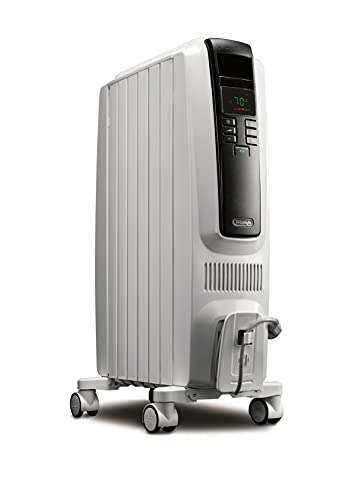
- BWP Score8.4
BWP Score is a ranking system developed by Bestwinterproducts.com. BWP score has no relationship or impact from any manufacturers or sales agent websites. Learn more
- BrandDe'Longhi

- BWP Score8.0
BWP Score is a ranking system developed by Bestwinterproducts.com. BWP score has no relationship or impact from any manufacturers or sales agent websites. Learn more
- BrandElectactic

- BWP Score8.0
BWP Score is a ranking system developed by Bestwinterproducts.com. BWP score has no relationship or impact from any manufacturers or sales agent websites. Learn more
- BrandPELONIS

- BWP Score7.8
BWP Score is a ranking system developed by Bestwinterproducts.com. BWP score has no relationship or impact from any manufacturers or sales agent websites. Learn more
- BrandAmazon Basics
Last update on 2026-10-06 / Affiliate links / Images, Product Titles, and Product Highlights from Amazon Product Advertising API
Frequently Asked Questions
Do oil portable heaters need refills or fluid changes?
No, portable oil-filled heaters never require refills, top-offs, or fluid changes. The heat-holding fluid is permanently sealed inside the welded steel fins at the factory and stays there for the entire lifespan of the heater. There are no access valves, and the fluid does not evaporate or burn away during normal use.
Does an oil heater use less electricity than an electric fan heater?
Both heaters consume the exact same amount of electricity when running at their highest setting, which is almost always 1,500 watts on standard household circuits. However, oil heaters often feel more efficient over long periods because their hot metal fins continue releasing warmth into the room long after the electric element shuts off, creating fewer temperature drops.
Is it safe to leave an oil radiator running overnight while sleeping?
Yes, an oil radiator is widely considered one of the safest portable heaters for overnight bedroom use because it has no exposed, red-hot heating elements. To run it safely, keep a 3-foot clearance between the fins and any bedding, plug it directly into a wall receptacle rather than an extension cord, and ensure the unit is certified by a recognized mark like UL or ETL with automatic overheat and tip-over protection.
Why do electric fan heaters smell like burning dust when first turned on?
Electric fan heaters pull room air across ceramic plates or metal coils that reach very high operating temperatures. When the heater has been sitting unused, household dust and pet hair settle onto those internal components. When you turn the heater on, that dust immediately scorches on the hot surface, creating a temporary burnt odor that usually clears after a few minutes of running.


Best Warm Winter Scarves 2026 For Cozy Comfort

Best Green Ski Goggles 2026 For Clear Vision On Slopes

12 Best Corner Electric Fireplace 2026: My Ultimate Guide To Pick One

Best Battery Powered Snow Blower 2026 For Effortless Snow Clearing

Best Ski Goggles Under 30 Inches For Crisp Vision And Comfort

Best Cooling Scarf 2026 For Instant Relief And Comfort

Fake Snow for Grass: Create a Realistic Winter Lawn Display

Dimplex Prism Wall Mount Fireplace: Sleek Heat With Modern Flame Style





