
What Are the Disadvantages of Infrared Portable Heaters?

A person sitting on the couch feels toasty while facing the glowing cabinet, yet the air just two feet away remains crisp and chilly. That uneven feeling happens because portable infrared models only warm objects directly in their path rather than heating the air itself. The moment someone steps out of that beam, or switches the power off, the warmth disappears almost instantly because no heat stays trapped in the room.
How much this drawback matters depends on your space and daily habits. A crowded layout with coffee tables or armchairs will completely block the rays before they reach you. These heaters also fall short in drafty rooms if your goal is warming the entire living area rather than just your own seat. Here is a clear look at their biggest limitations so you can pick the right setup.
Why the Air Stays Cold: The Line-of-Sight Problem
Infrared portable heaters work through radiant heat, delivering warmth in a direct beam just like sunlight. When you step outside on a sunny winter morning, the sun warms your face and jacket instantly, even if the outdoor air feels biting and cold. The moment you step into the shadow of a building, that warmth disappears. An infrared space heater behaves the exact same way inside your home. It projects invisible waves forward in a straight line, passing through the air without warming the surrounding air molecules. Instead, it warms only the solid objects it strikes, such as your skin, clothing, couch cushions, or hardwood floors.
This creates one of the biggest complaints buyers have: the room air stays cold. If you place an infrared heater in a chilly living room, you will feel warm as long as you sit squarely in its path. But the air you breathe remains cold. If you walk across the room, you step out of that warm beam and back into the chill. The ambient room temperature may only rise a couple of degrees after hours of continuous use.
This dynamic creates severe hot-and-cold zones within the same space. The side of your body facing the heater can feel uncomfortably hot, while your back remains chilled by drafts. If your goal is to walk into a uniformly warm room where you can move around freely, a standalone infrared heater will leave you disappointed. In open layouts or drafty sunrooms, radiant heat simply cannot warm the entire volume of air. For spaces that suffer from heavy drafts, choosing a specialized heater for an enclosed porch that circulates air helps overcome these cold pockets.
Zero Lingering Heat: What Happens When the Power Cuts Off
Another major disadvantage of portable infrared heating is the complete absence of lingering warmth. Traditional heaters, such as oil-filled radiator heaters or thick hydronic baseboards, rely on thermal mass. They heat a reservoir of oil or dense metal, which continues to release gentle warmth for thirty to forty-five minutes after the unit shuts down.
Infrared heaters have practically zero thermal storage. They generate heat using quartz tubes, carbon fiber elements, or ceramic stones that warm up in seconds when supplied with electricity. Because these elements possess very little physical mass, they cool down almost immediately once power stops. The direct radiant warmth vanishes the second the power switch clicks off.
This instant cool-down creates comfort problems, especially when sleeping. If you set your space heater on a two-hour sleep timer, the radiant beam cuts out the moment the timer expires. Because the heater never raised the ambient room temperature, the cold room air quickly chills your blankets and exposed skin, often waking you up shivering an hour later.
This lack of residual heat can also lead to higher electric bills. Frustrated homeowners often run the heater at maximum power for hours, hoping the air will eventually warm up and hold heat. In a drafty or open room, that heat simply escapes into cold exterior walls before the air stabilizes. Running a 1,500-watt heater continuously consumes substantial electricity without delivering long-lasting room comfort.
Furniture Obstacles, Heavy Cabinets, and Unwanted Glare
Because infrared heat travels only in straight paths, physical obstacles in your room present a massive practical limitation. Radiant heat cannot bend around corners, pass through furniture legs, or circulate past solid barriers. If an object sits between you and the heater, that object absorbs the warmth, casting a heat shadow behind it.
Consider a standard home office setup. If you place a portable infrared heater across the room, the heater warms the wooden panel of your desk or your computer monitor, while your legs and feet underneath remain completely frozen. To feel any benefit at all, you must position the heater with an uninterrupted, direct line of sight to your body.
In crowded bedrooms or small apartments packed with furniture, finding an open line of sight while respecting mandatory fire safety clearances can be difficult. Every portable space heater requires a strict 3-foot safety buffer, meaning you must keep it at least 36 inches away from blankets, drapes, upholstered chairs, and paper. Beyond layout hurdles, portable infrared heaters carry distinct physical drawbacks:
- Heavy cabinet footprints: Many high-output infrared heaters use large wooden or hard plastic cabinets to keep exterior surfaces cool. These units often weigh between 18 and 26 pounds, making them bulky and awkward to carry between floors compared to small five-pound ceramic personal heaters.
- Unwanted sleep disruption from glowing elements: Quartz and carbon heating tubes naturally emit a bright orange or red glow. If you are sensitive to light when sleeping, placing an infrared heater in your bedroom can illuminate the room like a nightlight, making deep rest difficult.
- Obstacle heat shadows: In living rooms with coffee tables and ottomans, the lower half of your body often stays cold because furniture blocks the radiant rays from reaching your legs.
- Poor performance across active workspaces: If you move around while working, the heater only warms you when standing in one spot. For large workshops or drafty garages where you need consistent warmth across multiple workbenches, an electric garage heater with a thermostat that actively circulates heated air provides far better coverage.
Infrared Versus Convection: Choosing the Right Heat for Your Room
Understanding the fundamental difference between radiant heating and fan-forced convection is the best way to avoid buying the wrong appliance. Convection heaters work by heating the air itself. A convection unit pulls cool room air from the floor, passes it over a ceramic heating element that warms up in seconds, and blows the warm air across the room. As warm air rises and cool air falls, a natural circulation cycle develops that raises the entire room temperature evenly from wall to wall.
Infrared heaters bypass the air entirely. They act more like an indoor sunbeam, heating your skin and clothes directly. This direct radiant method works wonderfully when you sit stationary in a reading chair for hours, work at a garage bench, or sit on a covered patio where heated air would blow away instantly. However, when it comes to whole-room comfort, convection almost always outperforms pure infrared.
Standard American electrical circuits provide a clear picture of why. A standard 120-volt household circuit runs on a 15-amp breaker, which maxes out at 1,800 total watts. To prevent tripping breakers and overheating wiring, portable space heaters are limited to a maximum draw of 1,500 watts, which pulls roughly 12.5 amps on high power. Under typical sizing guidelines of roughly 10 watts per square foot of living space, a 1,500-watt heater produces enough thermal output to warm a standard closed 150-square-foot room.
A 1,500-watt convection heater disperses that energy into the air so the entire 150-square-foot room feels warm. An infrared heater drawing the exact same 1,500 watts focuses that power into a narrow beam. If you sit inside that beam, you feel warm, while the air in the corners of that same room remains cold. Electrical realities also matter when managing tight living quarters. For example, selecting the correct heater for a mobile home requires evaluating circuit limits and draft levels before deciding whether a radiant beam or a circulating fan fits your daily routine.
How Hybrid Heaters Solve the Cold-Air Drawback
If you love the instant warmth of radiant heat but dislike walking into chilly room air, you do not have to abandon infrared technology altogether. Dual-heat hybrid models combine the rapid, direct warmth of infrared quartz tubes with the room-filling circulation of an internal fan-forced ceramic heating element. This dual mechanism warms you directly while gradually elevating the ambient room temperature, eliminating the frustrating cold zones common to pure radiant units.
When shopping for a hybrid heater to overcome these standard infrared drawbacks, keep a few practical features in mind before buying:
- Thermostat controls: Look for units with a digital temperature dial that clicks on and off to hold your set warmth automatically, preventing the unit from running at full wattage non-stop.
- Built-in mobility: Because cabinet-style hybrid units often weigh between 18 and 26 pounds, check for smooth-rolling caster wheels that let you glide the unit across floors easily.
- Humidity management: Electric heating elements can dry out indoor winter air. Models with built-in humidifiers help soothe dry skin, chapped lips, and irritated nasal passages.
- Safety certifications: Verify that the product label shows recognized safety marks such as UL or ETL. Ensure it features an automatic tip-over safety switch that cuts power instantly if tilted, alongside an automatic overheat sensor.
Remember that standard 1,500-watt heaters draw 12.5 amps of continuous power. Always plug your heater directly into a dedicated wall outlet, and never use an extension cord, power strip, or surge protector, which can easily overheat, melt, and start an electrical fire.

- BWP Score9.0
BWP Score is a ranking system developed by Bestwinterproducts.com. BWP score has no relationship or impact from any manufacturers or sales agent websites. Learn more
- BrandDR. INFRARED HEATER

- BWP Score8.2
BWP Score is a ranking system developed by Bestwinterproducts.com. BWP score has no relationship or impact from any manufacturers or sales agent websites. Learn more
- BrandDR. INFRARED HEATER
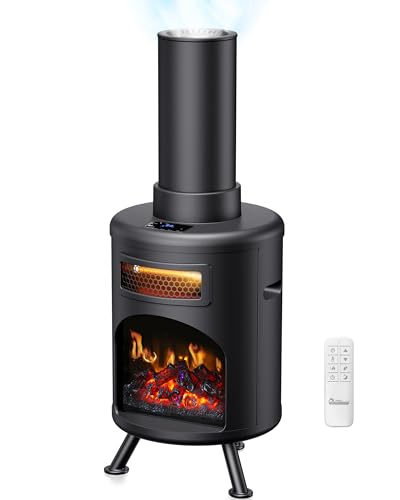
- BWP Score8.4
BWP Score is a ranking system developed by Bestwinterproducts.com. BWP score has no relationship or impact from any manufacturers or sales agent websites. Learn more
- BrandDR. INFRARED HEATER

- BWP Score8.2
BWP Score is a ranking system developed by Bestwinterproducts.com. BWP score has no relationship or impact from any manufacturers or sales agent websites. Learn more
- BrandDR. INFRARED HEATER

- BWP Score9.6
BWP Score is a ranking system developed by Bestwinterproducts.com. BWP score has no relationship or impact from any manufacturers or sales agent websites. Learn more
- BrandDR. INFRARED HEATER

- BWP Score8.8
BWP Score is a ranking system developed by Bestwinterproducts.com. BWP score has no relationship or impact from any manufacturers or sales agent websites. Learn more
- BrandDR. INFRARED HEATER
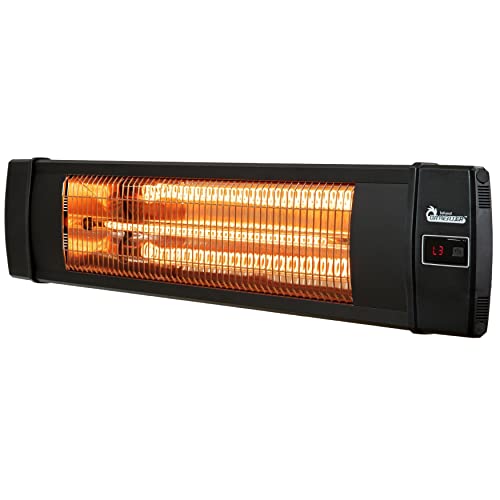
- BWP Score8.0
BWP Score is a ranking system developed by Bestwinterproducts.com. BWP score has no relationship or impact from any manufacturers or sales agent websites. Learn more
- BrandDR. INFRARED HEATER
Last update on 2026-10-07 / Affiliate links / Images, Product Titles, and Product Highlights from Amazon Product Advertising API
FAQs
Can an infrared portable heater raise the reading on my central wall thermostat?
An infrared heater rarely raises your home wall thermostat reading unless the heater is pointed directly at the thermostat sensor. Because infrared waves heat solid objects rather than the ambient air, the surrounding room air stays relatively cool, leaving the wall sensor reading low. If you want your central heating system to recognize supplemental room heat, you need a fan-forced convection heater that actively warms and circulates room air.
Why does an infrared heater make clicking or humming noises when running?
Soft clicking sounds are normal and happen as internal metal reflector plates expand and contract during heat cycles. A gentle, steady hum comes from the small internal cooling fan or oscillation motor used to keep internal wiring safe and components cool. However, loud buzzing, persistent rattling, or grinding sounds indicate a worn blower motor or a loose internal part, which means you should immediately unplug the unit and contact a qualified technician.
Can you leave an infrared portable heater running unattended or overnight?
You should avoid leaving any portable space heater running unattended while sleeping or away from home. While modern units feature automatic tip-over safety switches and overheat sensors, radiant beams can still overheat nearby bedding, rugs, or drapes if pushed out of place. If you must run a heater overnight, maintain a strict 3-foot clearance from all flammable fabrics, plug the unit directly into a dedicated wall outlet, and choose a model with a built-in programmable timer that shuts power off automatically.


Best Warm Winter Scarves 2026 For Cozy Comfort

Best Green Ski Goggles 2026 For Clear Vision On Slopes

12 Best Corner Electric Fireplace 2026: My Ultimate Guide To Pick One

Best Battery Powered Snow Blower 2026 For Effortless Snow Clearing

Best Ski Goggles Under 30 Inches For Crisp Vision And Comfort

Best Cooling Scarf 2026 For Instant Relief And Comfort

Fake Snow for Grass: Create a Realistic Winter Lawn Display

Dimplex Prism Wall Mount Fireplace: Sleek Heat With Modern Flame Style





