
What Are the Health Benefits of Infrared Portable Heaters?

Check the front of the heater for an internal blower fan before believing any wellness claim on the box. A silent radiant heater warms skin and clothing directly like gentle sunshine, so it keeps room air from drying out while warming you up. Traditional fan heaters scorch the surrounding air and push it across the floor. Gentle radiant heat leaves natural air moisture alone, offering noticeable comfort for irritated throats, dry sinuses, and itchy winter skin.
The actual benefits depend on your specific physical needs and the heater design. Fan-free units protect people with dust allergies and asthma because they do not stir up settled floor debris. Direct radiant warmth can also relax tight, aching joints while you rest nearby, though these appliances will never detox your body or cure illnesses. The breakdown below shows what radiant heat genuinely does for your breathing and comfort, and which sales promises to skip.
How Radiant Warmth Delivers Comfort Without Blowing Hot Air
Most standard space heaters warm a room through convection, which is just a technical way of saying they use a fan that pushes warm air across the room. That process starts by pulling cold air off your floor, dragging it across red-hot metal coils, and blowing the heated air out into the room. Because warm air is light, it immediately floats toward the ceiling. Your head might feel stuffy while your feet stay ice-cold on the carpet, forcing the heater to run constantly just to make the living space tolerable. This continuous air cycling creates noticeable drafts, uneven temperatures, and an artificial, stuffy environment that leaves many people feeling sluggish.
Infrared portable heaters work on an entirely different principle called radiant warmth. Instead of trying to heat every cubic foot of air in the room, an infrared heater emits gentle heat light like sunshine. You cannot see this invisible light, but your skin and clothes absorb it immediately. When you step outside on a crisp spring morning and feel instant warmth the moment the sun breaks through the clouds, you are feeling radiant heat. The surrounding air might still be chilly, but your body feels warm. An infrared heater creates that exact same physical sensation right inside your home.
This direct transfer of energy makes a major difference in how comfortable you feel. The warmth travels in a direct path to solid objects. It warms your body, your favorite reading chair, the wood floor, and your blanket. Those objects absorb the thermal energy and slowly release it back into the immediate area. You get immediate personal comfort without waiting for the whole room to fill with baked air. If you spend time relaxing in drafty spots, such as using a heater for an enclosed porch, you know that trying to trap heated air is a losing battle. Radiant heat bypasses that problem by warming you directly, giving you steady physical relief regardless of high ceilings or minor drafts.
Because these heaters do not depend on high-speed blowers to distribute comfort, the environment in the room stays calm and quiet. You avoid the constant background roar of a mechanical fan cycling on and off every ten minutes. That silence alone helps reduce evening fatigue and tension, allowing your nervous system to relax while you rest, read, or sleep in a gentle, evenly warmed room.
Why Infrared Heat Protects Dry Sinuses, Irritated Throats, and Winter Skin
The biggest complaint people have about winter heating is the harsh, parching dryness it causes. Traditional electric space heaters run at extremely high surface temperatures. When cold room air hits those scorching coils, the moisture suspended in that air drops sharply. As the air heats up, its capacity to hold water expands, which causes the relative humidity, or room air moisture, to plummet. The result is a room full of bone-dry air that acts like a sponge, pulling natural moisture out of your eyes, throat, nasal passages, and skin.
If you have ever woken up in the middle of the night with a sandpaper throat, a cracked lip, or a sudden nosebleed, your space heater was likely the culprit. Dry nasal membranes lose their natural layer of protective mucus. That mucus is your body's front-line barrier against airborne viruses, bacteria, and seasonal germs. When those tissues dry out and crack, you become far more vulnerable to winter colds, sinus infections, and throbbing sinus headaches. Standard fan heaters also strip moisture from your tear film, leaving your eyes feeling gritty, red, and tired after just an hour or two of exposure.
Infrared heaters solve this problem by leaving the room air moisture alone. Because radiant waves warm physical mass rather than heating the air directly, they do not burn up ambient humidity. The moisture level in your room stays balanced and stable. Your nasal passages retain their protective hydration, your vocal cords do not feel scratchy, and you can breathe through your nose without that painful, stinging burn that hot air blowers create.
Your skin also reaps immediate health benefits from this gentle heating approach. Winter itch is a genuine physical issue caused when dry indoor air pulls the natural oils and water from your epidermis. People with eczema, psoriasis, or sensitive skin often experience painful flare-ups as soon as the home heating season begins. Radiant heat provides the cozy warmth you crave without stripping your skin barrier. Your skin retains its natural moisture, reducing redness, flaking, and that tight, uncomfortable feeling that makes you want to apply lotion every half hour.
Cleaner Air for People Living with Allergies and Dust Sensitivity
For anyone managing asthma, seasonal allergies, or chronic respiratory irritation, standard space heaters can turn a bedroom into a danger zone. The issue lies in the internal fan. A conventional forced-air heater acts like a small vacuum cleaner running in reverse. It draws air in from near the floor where pet dander, dust mites, dried skin flakes, and outdoor pollen settle. The fan churns those microscopic particles up and blasts them right into your breathing zone. If you have ever watched dust motes dance in a sunbeam after turning on a fan heater, you have seen this problem in action.
Even worse is the burnt dust effect. As household dust lands on bare, red-hot heating wires, the organic material singes and burns. This produces that familiar, acrid burning smell that fills the room during early winter. That smell is not just unpleasant; it is made of microscopic smoke particles and chemical byproducts that directly irritate sensitive lung tissue. For someone with reactive airways or asthma, breathing in singed dust can trigger coughing fits, chest tightness, and wheezing within minutes.
Infrared portable heaters dramatically reduce this indoor air turbulence. Many models use solid quartz glass tubes or flat carbon panels that generate warmth without needing a high-velocity blower. Even models that use a gentle internal fan to distribute heat across internal copper or ceramic elements run at much lower internal temperatures than old-fashioned coiled wire units. Dust does not singe on the elements, so you avoid the irritating smoke and foul odors that trigger airway spasms.
In tight living areas where air circulates rapidly, such as a compact home or when using a dedicated heater for a mobile home, controlling airborne debris is essential for daily respiratory wellness. When your heat source does not whip up floor dust, those particles stay down where regular vacuuming and dusting can actually remove them. You breathe cleaner, calmer air all day, which translates directly to fewer morning sneezing fits, clearer lungs, and deeper, uninterrupted sleep.
Soothing Stiff Joints and Sorting Real Comfort from Health Myths
Cold winter weather has a notorious reputation for making joints ache and muscles feel stiff. When your body gets cold, your blood vessels naturally narrow to conserve core body heat. This reduces blood circulation to your hands, feet, knees, and lower back. Muscles contract and tighten up, while joint fluid becomes slightly thicker and less pliable. For people with osteoarthritis, old sports injuries, or chronic muscle tension, winter mornings can feel like moving through wet cement.
The radiant warmth from an infrared heater offers genuine physical soothing for these symptoms. Because infrared waves penetrate past the outermost layer of clothing and reach your skin directly, the thermal energy warms muscle tissue quickly. This gentle surface heating encourages local blood vessels to dilate, which improves blood flow to the targeted area. Fresh blood brings oxygen and nutrients to tired tissues while helping flush away metabolic waste products that contribute to soreness. Sitting three to four feet in front of a portable radiant heater lets you bathe stiff knees, cold hands, or a tight lower back in restorative warmth, helping muscles loosen up naturally without relying on heavy heating pads.
While these comfort benefits are very real, marketing claims online often blow them out of proportion. It is critical to separate genuine everyday comfort from false medical promises. A portable home heater is a comfort appliance designed to keep you warm, not a medical device intended to cure medical conditions. To help you evaluate what you read, keep this clear checklist in mind:
- Real benefit: Preserves normal room air moisture so your sinuses, throat, and eyes do not dry out.
- Real benefit: Operates without aggressive air turbulence, keeping dust, pollen, and pet dander from blowing into your face.
- Real benefit: Relaxes tense surface muscles and temporarily eases joint stiffness through direct radiant warmth.
- False claim: Detoxing your internal organs or sweating out heavy metals. Your liver, kidneys, and digestive tract handle detoxification, not a portable space heater.
- False claim: Burning calories, melting body fat, or boosting metabolism simply by sitting in front of the unit.
- False claim: Curing arthritis, healing torn ligaments, or acting as a replacement for physical therapy or medical prescriptions.
Understanding these boundaries ensures you get the exact benefits infrared heaters are built to deliver: soothing physical comfort, easier breathing, and zero sinus irritation, without falling for unrealistic wellness marketing.
What to Look for in an Infrared Heater for Healthy Winter Comfort
To get the maximum respiratory and physical benefits from an infrared portable heater, focus on design features that actively protect your living environment. If your main struggle is painful sinus dryness or irritated skin, look for a unit that includes an integrated cool-mist humidifier or dedicated water reservoir. While standard infrared heat does not strip moisture from the room air, winter heating in general tends to dry out homes. A heater with a built-in humidifier actively restores moisture to the room while delivering gentle warmth, giving you a complete comfort system that keeps your throat and skin feeling balanced all season long.
If airborne allergies or pet dander are your primary concern, check the air intake design on the back of the heater. Look for a unit that features a removable, washable dust filter. Even though radiant heaters do not blast air aggressively, any internal components benefit from clean airflow. A washable filter captures stray hair, dust bunnies, and dander before they can reach the internal heating tubes. This prevents odors, extends the life of the heating elements, and ensures the warmth entering your room remains fresh and odor-free.
Safe operation is the foundation of healthy home heating. Always look for recognized national safety marks, such as ETL or UL listings, printed directly on the manufacturer label. Make sure the unit includes an automatic overheat sensor that shuts the unit off if internal parts get dangerously hot, as well as a tip-over safety switch that cuts power instantly if the unit is knocked over or tilted by a child or pet.
Always maintain a strict 3-foot safety buffer between your heater and any combustible materials, including blankets, drapes, soft furniture, and clothing. Plug the heavy-duty power cord directly into a standard 120-volt wall outlet on a dedicated circuit. Never use extension cords or power strips, as high-draw heating appliances can overheat light wiring and cause an electrical hazard. Using the right design with proper safety practices ensures you enjoy clean, radiant warmth without unnecessary worry.

- BWP Score8.2
BWP Score is a ranking system developed by Bestwinterproducts.com. BWP score has no relationship or impact from any manufacturers or sales agent websites. Learn more
- BrandDR. INFRARED HEATER

- BWP Score8.7
BWP Score is a ranking system developed by Bestwinterproducts.com. BWP score has no relationship or impact from any manufacturers or sales agent websites. Learn more
- BrandDR. INFRARED HEATER
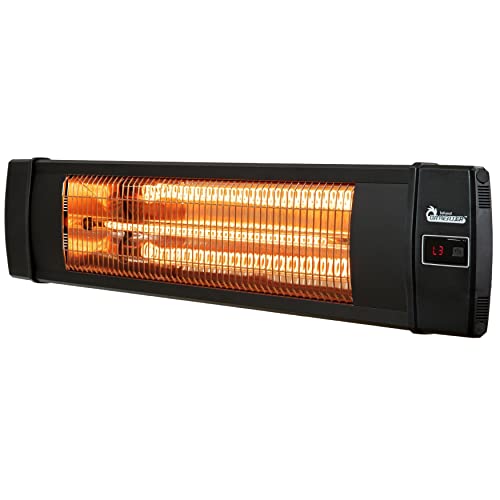
- BWP Score8.0
BWP Score is a ranking system developed by Bestwinterproducts.com. BWP score has no relationship or impact from any manufacturers or sales agent websites. Learn more
- BrandDR. INFRARED HEATER
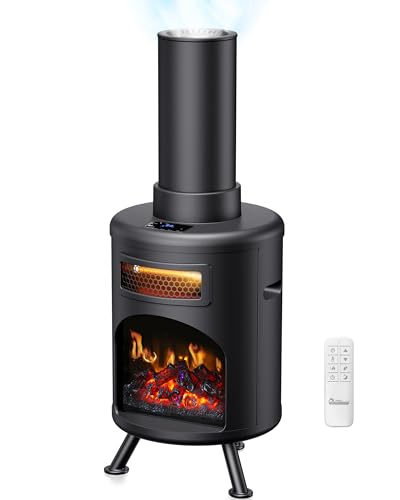
- BWP Score8.4
BWP Score is a ranking system developed by Bestwinterproducts.com. BWP score has no relationship or impact from any manufacturers or sales agent websites. Learn more
- BrandDR. INFRARED HEATER

- BWP Score8.2
BWP Score is a ranking system developed by Bestwinterproducts.com. BWP score has no relationship or impact from any manufacturers or sales agent websites. Learn more
- BrandDR. INFRARED HEATER

- BWP Score7.9
BWP Score is a ranking system developed by Bestwinterproducts.com. BWP score has no relationship or impact from any manufacturers or sales agent websites. Learn more
- BrandEdenPURE
Last update on 2026-10-08 / Affiliate links / Images, Product Titles, and Product Highlights from Amazon Product Advertising API
FAQs
Can sleeping with an infrared heater dry out my eyes or skin overnight?
No, an infrared heater will not dry out your eyes or skin like a conventional fan-forced heater. It warms you directly through invisible light waves rather than baking the moisture out of the air. Your room air moisture stays steady throughout the night, protecting your tear film and skin barrier while you sleep.
Is infrared heater radiation safe for everyday exposure?
Yes, the radiation emitted by a home infrared space heater is completely safe for everyday use. It uses far-infrared thermal radiation, which is the exact same harmless warmth produced by the sun or a warm mug of tea. It contains zero harmful ultraviolet rays, meaning it will not damage your skin cells or cause sunburn.
Will an infrared space heater stop my seasonal asthma symptoms completely?
An infrared heater cannot cure asthma or stop all respiratory symptoms, but it removes common heating triggers. Because it does not blow aggressive air currents or singe dust on red-hot wires, it keeps the air in your room much calmer and cleaner. This lack of airborne dust and acrid smoke helps prevent the sudden coughing fits and chest tightness that standard heaters often cause.


Best Warm Winter Scarves 2026 For Cozy Comfort

Best Green Ski Goggles 2026 For Clear Vision On Slopes

12 Best Corner Electric Fireplace 2026: My Ultimate Guide To Pick One

Best Battery Powered Snow Blower 2026 For Effortless Snow Clearing

Best Ski Goggles Under 30 Inches For Crisp Vision And Comfort

Best Cooling Scarf 2026 For Instant Relief And Comfort

Fake Snow for Grass: Create a Realistic Winter Lawn Display

Dimplex Prism Wall Mount Fireplace: Sleek Heat With Modern Flame Style





