
Where Can You Safely Use a Portable Heater?

Warming up a chilly room does not need to feel risky or stressful. The safest spots are flat, dry indoor floors with at least three feet of clear space on all sides and a wall outlet directly within reach. Living rooms, closed home offices, and drafty bedrooms are all fine choices as long as the unit sits firmly on the ground away from busy foot traffic.
What changes the setup comes down to moisture, what sits nearby, and the surface underneath. Bathrooms and damp laundry areas carry real shock hazards, so water always rules a space out. Soft spots like thick rugs, couches, or beds can cause a tip-over or trap rising heat, while plugging into an extension cord can quickly overload your wiring. Here is how to map out the best locations in your home while steering clear of hidden fire hazards.
Set your heater on firm floors in main living areas and work spaces
Placing a portable heater in the right spot makes all the difference between steady warmth and a fire hazard. The best indoor location is a flat, solid floor in an active living space where air circulates freely. Living rooms, finished home offices, dining areas, and dens work well. These rooms provide clear sightlines, open floor space, and predictable daily foot traffic, making it easy to keep an eye on the unit while you relax or work.
Hard flooring like hardwood, tile, laminate, or vinyl plank offers the safest foundation. Flat surfaces keep the heater upright, ensuring the tip-over safety switch (a small mechanical sensor on the base that cuts power if tilted) stays engaged. If you work from home, setting a compact personal heater on the floor near your desk keeps your feet warm without heating the entire house. Aim the front vent outward into the open footwell rather than against desk legs or computer towers.
Living rooms benefit from placing the heater along an interior wall or in a chilly corner where cold drafts gather. Point the unit toward the center of the room so warm air circulates freely. If you want to warm an enclosed sunroom or porch space, explore our guide on finding the best heater for enclosed porch areas to handle drafts safely. Standard electric heaters draw up to 1,500 watts, which warms a closed 150 square foot room or provides focused supplemental heat in larger living areas.
Keep heaters out of damp bathrooms, wet basements, and soft furniture
Knowing where never to put a portable heater is just as vital as knowing where it belongs. Certain rooms and surfaces carry hazards that turn a heater into an electrical short or fire danger within minutes.
Avoid placing a portable heater in these areas:
- Bathrooms and wet laundry areas: Moisture and electricity do not mix. Standard portable heaters lack sealed water protection. Shower steam, sink splashes, and damp tile can cause electrical shocks or short out internal wiring. Unless a heater has a verified splash-resistant rating and a safety plug designed for damp spaces, keep it outside the bathroom.
- Damp basements: Concrete basement floors pull moisture from the ground, creating humid air and puddles. Unfinished storage zones also hold cobwebs, boxes, and insulation that catch fire easily. If you need warmth for a cold basement workshop, look into a specialized setup like the best electric heater for garage with thermostat control rather than a standard household heater.
- Soft furniture: Never place a heater on a couch, mattress, or cushioned chair. Soft surfaces sink under the heater weight, tilting the unit and blocking the bottom intake vents. Blocked vents cause internal parts to overheat, and hot front grilles can melt synthetic fabrics or ignite upholstery stuffing.
- Crowded entryways and hallways: Setting a heater in a hallway or doorway creates a tripping hazard. Someone walking past can snag the power cord, knock the heater over, or brush loose clothing against the hot grille. Keep heaters clear of foot traffic.
- Unsupervised play areas: Keep heaters out of rooms where young children or pets play alone. A running puppy or a tossed toy can easily knock the unit into blankets or drapes.
Give the heater three feet of open clearance on all sides
The primary rule of space heater placement is the three-foot safety buffer. You must keep at least three feet (36 inches) of open space on all sides of the unit: front, back, top, and sides. This clearance allows the fan to pull in cool air and push warm air out safely without baking nearby objects.
Use this clearance checklist whenever setting up your heater:
- Keep drapes, curtains, and blinds tied or hung beyond three feet. Drafts can blow lightweight fabric directly against a hot heating grille.
- Move wastebaskets, cardboard boxes, and paper away from the heater. Dry paper catches fire quickly when exposed to steady hot air.
- Clear away bedding, blankets, throw pillows, and table runners. Even without touching the grille, long exposure to direct heat can cause fabrics to scorch.
- Pull the unit out from walls and baseboards. Keep at least three feet between the back intake and drywall so the fan pulls in clean air instead of settled dust.
- Clear clothing, shoes, and coats from the area. Never use a heater to dry damp clothes by draping garments over the outer casing.
If you place a compact heater on a desk, the three-foot rule still applies. Use a small personal heater only on a rock-solid, flat desk made of wood, metal, or laminate. Clear away mousepads, notebooks, loose paperwork, and coffee mugs. Never balance a heater on an elevated edge, a wobbly stand, or a stack of books where a bump could knock it down.
Plug directly into a wall outlet and bypass power strips entirely
Where you plug in your heater matters just as much as where it sits on the floor. Standard portable electric heaters run on 120-volt household electricity and draw up to 1,500 watts on high heat settings. That equals about 12.5 amps of continuous current flowing through your wiring.
Most residential bedroom and living room circuits are protected by 15-amp breakers. Because 12.5 amps sits close to that limit, follow these electrical rules:
- Plug directly into a dedicated wall outlet: Heavy-duty cords on space heaters are built to carry high current. Push the plug firmly into a grounded wall receptacle. Avoid running another high-draw appliance, such as a vacuum or coffee maker, on the same circuit at the same time.
- Skip extension cords and power strips: Standard extension cords and multi-outlet strips use thinner wiring than household circuits. Drawing continuous high amperage through light cords causes them to overheat, melt their plastic casing, and start fires. Power strips are designed for low-power electronics like laptops, not heating units.
- Check the outlet fit: If the plug fits loosely or slips out with a slight pull, move to another outlet. Loose contacts create electrical resistance, generating dangerous heat inside the wall box.
- Feel the outlet faceplate: Place your hand flat against the plastic wall plate after twenty minutes of heating. Slight warmth is normal, but if the wall plate feels hot, smells like burnt plastic, or shows scorch marks, shut the heater off immediately. Unplug the unit and have a licensed electrician inspect the wiring.
Take extra precautions before running a heater in your bedroom
Running a portable heater in a bedroom requires extra care because you cannot watch the unit while you sleep. A chilly room makes it tempting to set the heater near your mattress, but blankets can slip off the bed and land on the hot surface.
Follow these guidelines for safe bedroom placement:
- Keep the heater four to five feet away from the bed. This distance keeps hanging comforters, extra blankets, and trailing sheets well outside the danger zone.
- Place the heater on bare flooring rather than thick carpet. If your bedroom has carpet, place the heater on a flat, non-flammable board or large tile so the unit sits level and the intake vents remain clear.
- Use a model with an auto-off timer and a digital temperature dial. A timer lets the unit run until you fall asleep, while a digital temperature dial clicks on and off to maintain comfort without overheating the space.
- Pick a quiet unit with low-light operation. Heaters using a ceramic heating element that warms up in seconds provide gentle heat without bright glowing coils that disturb sleep.
- Turn the heater off if you leave the room. Never leave a bedroom heater running behind a closed door when the room is empty.
Choose a safety-certified model with auto-shutoff sensors for small spaces
When choosing a portable heater for specific rooms, built-in safety controls make placement much simpler. You want a unit designed to protect your living space even if bumped or blocked.
Check for recognized safety certification marks on the product label, such as UL, ETL, or CSA. These marks show that an independent laboratory verified the unit against national electrical and fire safety standards. Choose an outer casing made of flame-retardant material that stays cool to the touch on the sides and back so you can handle it without burning your hands.
Prioritize two core safety features: a tip-over safety switch that cuts power instantly if the unit is knocked over or tilted, and an automatic overheat sensor that shuts the unit off if internal parts get dangerously hot. For compact work desks, choose small personal heaters that offer lower heat settings, such as 500W or 750W, to avoid overloading home office circuits. For larger living spaces, models with broad oscillation and adjustable thermostat dials spread warm air evenly without overheating one spot.

- BWP Score9.3
BWP Score is a ranking system developed by Bestwinterproducts.com. BWP score has no relationship or impact from any manufacturers or sales agent websites. Learn more
- BrandLerat

- BWP Score8.9
BWP Score is a ranking system developed by Bestwinterproducts.com. BWP score has no relationship or impact from any manufacturers or sales agent websites. Learn more
- BrandGiveBest

- BWP Score8.9
BWP Score is a ranking system developed by Bestwinterproducts.com. BWP score has no relationship or impact from any manufacturers or sales agent websites. Learn more
- BrandZAFRO
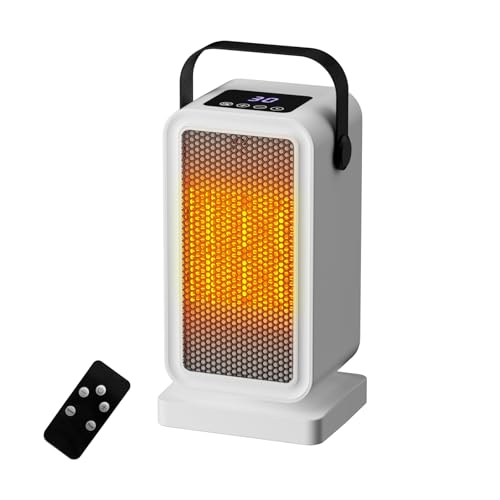
- BWP Score8.1
BWP Score is a ranking system developed by Bestwinterproducts.com. BWP score has no relationship or impact from any manufacturers or sales agent websites. Learn more
- BrandJyxmor

- BWP Score8.1
BWP Score is a ranking system developed by Bestwinterproducts.com. BWP score has no relationship or impact from any manufacturers or sales agent websites. Learn more
- BrandECOWELL

- BWP Score7.1
BWP Score is a ranking system developed by Bestwinterproducts.com. BWP score has no relationship or impact from any manufacturers or sales agent websites. Learn more
- BrandTUNISE
Last update on 2026-10-06 / Affiliate links / Images, Product Titles, and Product Highlights from Amazon Product Advertising API
FAQs
Can you safely run a space heater on thick carpet?
Thick carpet is not a safe surface for portable space heaters. Plush carpet fibers can surround the base, blocking bottom air intake vents and causing the internal elements to overheat. Thick pile also makes the heater wobbly, which can trigger the tip-over sensor or cause accidental falls. If your room only has carpet, place the heater on a large, flat, rigid ceramic tile or solid wooden board so it stays level and stable.
Can you put a small personal heater directly on a wooden desk?
You can place a small personal heater on a sturdy wooden desk as long as the surface is level and completely clear. Maintain three feet of empty space around the heater, keeping it away from computer monitors, loose paperwork, mousepads, and curtains. Point the warm airflow outward into the room rather than against desktop electronics. Always switch the unit off before stepping away from your workspace.
Is it safe to leave a portable heater running when you leave the room?
Never leave a portable space heater running in an empty room. These appliances provide supplemental warmth while someone is present to watch them. If a pet knocks the unit, a draft blows paper nearby, or internal parts fail while you are away, a minor issue can quickly start a fire. Switch the heater off and unplug it from the wall whenever you leave the room or head out of the house.
Why do space heaters cause wall outlets to get warm?
Space heaters draw up to 1,500 watts, pulling continuous electrical current through the wall wiring for hours at a time. Mild warmth on the plastic faceplate is common during heavy use. If the outlet feels hot, smells like scorched plastic, or shows dark discoloration, the internal outlet contacts are worn out and loose. Turn off the heater immediately, unplug the cord, and hire a licensed electrician to inspect and replace the outlet.


Best Warm Winter Scarves 2026 For Cozy Comfort

Best Green Ski Goggles 2026 For Clear Vision On Slopes

12 Best Corner Electric Fireplace 2026: My Ultimate Guide To Pick One

Best Battery Powered Snow Blower 2026 For Effortless Snow Clearing

Best Ski Goggles Under 30 Inches For Crisp Vision And Comfort

Best Cooling Scarf 2026 For Instant Relief And Comfort

Fake Snow for Grass: Create a Realistic Winter Lawn Display

Dimplex Prism Wall Mount Fireplace: Sleek Heat With Modern Flame Style





